Ўзбекистонда “сунъий интеллект-мактаб”, Сурияда тикланадиган музей – UNESCO’да нималар таклиф қилинди?
Interviews
−
31 October 2025 6372 8 minutes
Ўзбекистонда “Сунъий интеллект – мактаб” намунавий лойиҳаси ишга тушади, Сурияда Алеп музейи қайта тикланади, Украинада маданий ёдгорликларни асраб қолишга ҳаракат қилинади. Булар 30 октябрь куни Самарқандда UNESCO Бош конференциясининг 43-сессиясида илгари сурилган ташаббуслар.
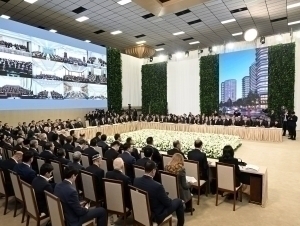
UNESCO Бош директори Одри Азуле сессиянинг очилиш маросимида сўзга чиқар экан, ўзбекча ташаккур билдирди ва ташкилотнинг фаоиляти, унинг раҳбарлиги давомида UNESCO ресусрлари 82 фоизга ошгани, Самарқанддаги сессияга эса олдингиларидан кўпроқ – 181 давлатдан 4500 дан ортиқ аккредитациядан ўтган иштирокчилар йиғилганини маълум қилди
“Ўтган саккиз йил ичида, ҳатто АҚШнинг қисқа муддатли иштирокисиз ҳам, UNESCO ўз ресурсларини 800 миллион долларга, яъни 82 фоизга оширди, бу асосан кўнгилли бадаллар уч баробар кўпайгани туфайлидир.
Бу маблағлар деярли барча аъзо давлатларга фойда келтирди.
Бу эса сизларнинг бизнинг стратегик ва амалий йўналишларимизни қўллаб-қувватлаётганингизни кўрсатади.
Мен бу фурсатдан фойдаланиб, сўнгги саккиз йилдаги энг йирик донорлар — Швеция, Европа Иттифоқи ва Жаҳон банкининг Глобал таълим ҳамкорлиги дастурига алоҳида миннатдорчилик билдираман.
Келажак ҳақида ўйлаш — бу айни пайтда ҳозирги замон ҳақиқатига ва унинг хавф-хатарларига юз тутишдир. Шу маънода, сўнгги йилларда UNESCO инқироз ҳудудларида ва уларнинг оқибатларида фаолият юритиш учун ҳақиқий ўзгариш жараёнини бошдан кечирди.
Мосулда шаклланган ва кейинчалик бошқа жойларда ҳам қўлланган бу комплекс ёндашув UNESCO’нинг ўз аъзолари — давлатларнинг энг долзарб, энг муҳим эҳтиёжларига жавоб бера олганини кўрсатади. Яъни, биз тобора кўпайиб бораётган инқирозли муҳитларда фаолият юритиш заруратига мослашдик.
Биз, шунингдек, Украинадаги можаро яқинида ҳам маданиятни ҳимоя қилишдан тортиб, ўқитувчиларни тайёрлаш ва журналистларни қўллаб-қувватлашгача бўлган йўналишларда ўз мандатимиз доирасидаги барча воситалардан фойдаланиб иш олиб бормоқдамиз.
Сурияда, мен сизларга Алеп музейини қайта тиклаш бўйича янги ташаббусни эълон қилаётганимдан мамнунман. Бу Италия томонидан кўрсатилган ёрдам эвазига амалга оширилади, бунинг учун Италияга миннатдорлик билдираман. Бу ташаббус шу ёзда Дамашқ миллий музейи учун бошланган ишларнинг давоми ҳисобланади.
Бугун UNESCO’нинг мандати — бу дунё ҳанузгача халқаро ҳамжамият сифатида бирлашиши мумкин бўлган ягона мандат, руҳда, сўзда ва амалда. Бу мандат — хазина, ва мен сизларнинг барчангиздан уни асраб-авайлашни ва янада ривожлантиришни давом эттиришингизни сўрайман”, деди у.
UNESCO Бош конференциясининг 43-сессияси Президенти Хондкер Талҳа эса Ўзбекистон Президентига сўз берар экан, Шавкат Мирзиёевни ҳаёт йўли ҳақиқий давлат арбоби йўли эканини, у илм, маъмурий донолик ва мамлакат тақдирига чуқур масъулият туйғусини уйғунлаштира олганганини айтди.
“Ўзбекистон Республикаси Президенти, Жаноби Олийлари Шавкат Мирзиёевни сўзга таклиф этиш мен учун катта шарафдир.
Буюк ўзбек шоири Алишер Навоий шундай ёзган эди:
“Билим ва донолик — инсоннинг энг гўзал безагидир.”
Бу сўзлар Ўзбекистон Президентининг йўлини мукаммал ифодалайди — бу йўл илм, фан, мерос, халқ хизматига ва умумий эзгулик йўлига бағишланган.
Бу қадриятлар UNESCO’нинг идеал ва мақсадлари билан чуқур ҳамоҳангдир, шу боис Жаноб Президентнинг бугунги иштироки айниқса муҳим аҳамиятга эга.
Ўзбекистон Президентининг ҳаёт йўли — бу ҳақиқий давлат арбоби йўли, у илмий билим, маъмурий донолик ва мамлакат тақдирига чуқур масъулият туйғусини уйғунлаштира олган.
Ўзининг бой амалий тажрибаси ва стратегик қарашларига таянган ҳолда, у замонавий Ўзбекистон ривожланиш концепциясини шакллантирди ва уни халқ фаровонлиги йўлида изчил амалга оширмоқда.
Унинг раҳбарлигида мамлакат барча соҳаларда мисли кўрилмаган ютуқларга эришди.
Ўзбекистон ташқи дунёга очилди, изоляция ўрнига мулоқот ва фаол дипломатияни танлади, шаън ва инсон қадр-қимматини улуғлаб, ҳар бир фуқаронинг фаровонлигини таъминлаш йўлида ҳаракат қилмоқда”, деди у.
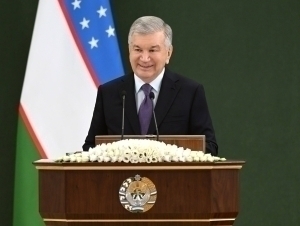
Шундан сўнг Президент Мирзиёев сўзга чиқди ва қатор таклифларни илгари сурди.
“UNESCO’нинг глобал мақсадларига эришиш ва кўп қиррали ҳамкорлигимизни янги босқичга олиб чиқишни даврнинг ўзи тақозо қилмоқда.
Кун тартибидаги асосий масалалар бўйича қатор таклифларни илгари сурмоқчиман.
Биринчидан, инклюзив таълимни ривожлантириш ва соҳада сунъий интеллект технологияларини кенг қўллаш бугунги куннинг долзарб вазифасига айланмоқда.
Жисмоний ва ижтимоий хусусиятларидан қатъи назар, ҳар бир болага таълим олиши учун тенг имкониятларни яратиб бериш жуда муҳимдир. Бу борада UNESCO’нинг алоҳида эҳтиёжли болалар учун Инклюзив таълимни ривожлантириш платформасини жорий этиш мақсадга мувофиқ, деб ҳисоблаймиз.
Таълим соҳасида ўзаро билим ва тажриба алмашиш учун халқаро мулоқот форматини яратиш мақсадида Жаҳон профессионал таълим саммитини ўтказиш бўйича режамизни қўллаб-қувватлайсиз, деб ишонамиз.
Ахборот технологияларини пухта ўзлаштирган ва креатив фикрлайдиган янги авлодни тарбиялаш устувор вазифамиздир. Сунъий интеллектни таълим тизимига кенг жорий этиш мақсадида юртимизда UNESCO иштирокида “Сунъий интеллект – мактаб” намунавий лойиҳасини амалга оширишга тайёрмиз.
Шунингдек, UNESCO шафелигида барча қитъаларнинг етакчи олийгоҳлари, педагогика ва илмий-тадқиқот институтлари вакиллари иштирокида Сунъий интеллект этикаси бўйича халқаро экспертлар анжуманини ўтказишни таклиф этамиз.
Иккинчидан, инсониятнинг бебаҳо хазинаси бўлган жаҳон номоддий маданий меросини сақлаб қолиш учун биргаликдаги саъй-ҳаракатларни кучайтиришимиз зарур.
Бундай ноёб мерос объектлари бўлган халқ оғзаки ижодиёти, қўлёзмалар, архивлар ва қимматли тарихий ҳужжатлар, маданий маълумотларни сақлаш, уларнинг барча учун очиқлигини таъминлаш мақсадида яратилган UNESCO’нинг “Жаҳон хотираси” дастурини ривожлантиришдан манфаатдормиз.
Дунё маънавий хазинасини жамлаган ушбу дастур яратилган санани ҳар йили нишонлаш мақсадида 19-ноябрни “Ҳужжатли мерос халқаро куни”, деб эълон қилишни, шунингдек, UNESCO тузилмасига кирадиган Рақамли мерос бўйича халқаро институтни ташкил этишни таклиф қиламиз.
Маълумки, қадимий Бухоро ҳунармандчилик бўйича ЮНЕСКО Ижодкор шаҳарлар тармоғининг аъзоси ҳисобланади. Биз ушбу шаҳарда 2027-йили мазкур йўналишда халқаро конгрессни қабул қилишга тайёрмиз.
Учинчидан, хотин-қизларнинг етакчилик қобилияти ва компетенсиясини таъминлаш учун глобал дастурларни фаол ишга тушириш, айниқса, муҳимдир.
UNESCO статистика институти маълумотларига кўра, жаҳонда илмий ва маданий муассасалар раҳбарларининг 25 фоизи, таълим соҳаси бошқарувчиларининг 30 фоизи, тадқиқотчиларнинг 33 фоизи хотин-қизлардир. Бу эса аёллар ҳуқуқларини таъминлашда, афсуски, тенгсизлик ҳамон сақланиб қолаётганини тасдиқлайди.
Ваҳоланки, гендер тенглиги UNESCO’нинг фундаментал, устувор вазифаларидан бири бўлиб, Ташкилотнинг барча ташаббуслари унга интеграция қилиниши зарурлиги белгилаб қўйилган. Бу борада аъзо давлатларнинг энг илғор тажриба ва амалиётини ўрганиш, билимлар алмашиш мақсадида Хотин-қизлар етакчилиги бўйича UNESCO академиясини ташкил этиш вақти келди, деб ҳисоблаймиз. Шунингдек, Самарқандда барча қитъаларнинг машҳур тадқиқотчилари, санъат намояндалари, педагог ва ихтирочи хотин-қизларнинг Таълим, маданият ва фан соҳасидаги глобал форумини ўтказишни таклиф этамиз.
Тўртинчидан, иқлим инқирозига қарши биргаликда самарали курашиш ҳам долзарб масаладир.
Ўртача ҳароратнинг сезиларли даражада кўтарилиши, музликларнинг эриши, чўлланиш, тупроқ қатламлари емирилиши, урбанизация жараёнлари маданий мерос объектларининг ҳолатига жиддий таъсир ўтказмоқда.
Атроф-муҳитга масъулият билан ёндашаётган, “яшил” дастурларни муваффақиятли татбиқ этаётган шаҳарларни алоҳида эътироф этиш ва рағбатлантириш бўйича “UNESCO’нинг Экологик пойтахти” глобал ташаббусини илгари сурамиз. Бундан ташқари, UNESCO Ижроия Кенгашининг “Глобаллашув ва иқлим ўзгаришлари шароитида маданий меросни асраб-авайлаш бўйича чора-тадбирларни кучайтириш тўғрисида”ги резолюциясини ишлаб чиқиш тарафдоримиз. Мазкур масала бўйича Хива шаҳрида халқаро симпозиум ўтказишга тайёрмиз.
Бешинчидан, виртуал маконда нохолис ахборотларни тарқатиш, жамоатчилик фикрини чалғитиш, дискриминацияга қарши биргаликда самарали чоралар кўриш жиддий заруратга айланмоқда.
Рақамли трансформация муҳитида дунёқараши шаклланаётган ёш авлоднинг энг яхши ижодий ишлари, мультимедиа ғояларини ўзаро алмашиш учун Болалар маданий контенти халқаро фестивалини ўтказиш ташаббусини билдирамиз.
Маълумотларни таҳлилий идрок этиш, ёшларни манипуляциядан ҳимоя қилиш, ахборот шаффофлигини таъминлаш мақсадида ЮНЕСКОнинг Медиа саводхонликни ривожлантириш бўйича кенг қамровли стратегиясини ишлаб чиқишни таклиф этамиз.
Яна бир масала. Дунёда динлараро зиддиятлар тобора кучайиб бораётган ҳозирги шароитда бағрикенглик, ўзаро тушуниш ва тотувлик каби умуминсоний ғояларни кенг тарғиб этиш ҳар қачонгидан ҳам муҳим.
Ислом маданияти ва маърифатини дунёга тараннум этиш орқали радикализм ва исломофобияга қарши самарали курашиш мумкин. Бу борада Ўзбекистонда амалга оширилган ноёб лойиҳалар – Ислом цивилизацияси маркази, Имом Бухорий, Имом Мотуридий, Имом Термизий, Баҳоуддин Нақшбанд тадқиқот марказлари салоҳиятидан биргаликда фойдаланишга чақирамиз.
Қадрли дўстлар!
Бугунги анжуман ҳамкорликнинг янги йўналишларини белгилаш, ўзаро ишонч муҳитини мустаҳкамлаш, барқарор ривожланиш бўйича глобал ҳамкорлик механизмларини кучайтириш борасида улкан амалий қадам бўлишига аминман.
Ҳеч шубҳасиз, UNESCO’нинг боқий анъана ва қадриятларидан куч олаётган “Самарқанд руҳи” бизни умумий тараққиёт сари янада бирлашишга ундайди.
Бу эзгу йўлда барчангизга янги омад ва зафарлар, UNESCO сессияси ишига эса муваффақият тилайман”, деди Мирзиёев.
Live
All