Vehicle traffic may be restricted if air pollution worsens in Uzbekistan
−
1367 3 minutes
Additional measures are being proposed in Uzbekistan to combat deteriorating atmospheric air quality. Under the proposed mechanisms, when air pollution reaches designated thresholds, industrial operations may be scaled back, vehicle traffic restricted, and construction work temporarily suspended, according to a draft resolution developed by the National Committee on Ecology and Climate Change titled "On Organizational and Legal Mechanisms for the Legal Regulation, Prevention, and Mitigation of Deteriorating Atmospheric Air Quality."
If air pollution reaches "red" or "purple" levels, enterprises classified under Categories I and II in terms of environmental impact will be required to temporarily reduce production capacities to cut harmful emissions. Exceptions are provided for strategic facilities and sites operating under a special legal regime, while the Eco-Inspection will monitor compliance with the established requirements.
Regular raids are also planned to prevent greenhouses located in regional and city centers, as well as adjacent areas, from burning unauthorized materials as fuel.
During adverse meteorological conditions, energy enterprises are proposed to be banned from using fuel oil (mazut), except in accidents and emergencies necessary to ensure the stable operation of the energy grid.
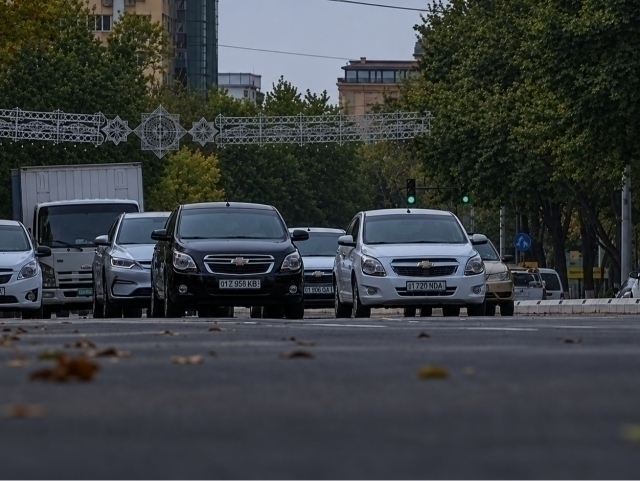
Under the draft resolution, when air quality deteriorates in regional and city centers, heavy-duty trucks will face temporary traffic restrictions or be rerouted onto bypass roads. Where necessary, an odd-even license plate driving scheme may be introduced, though electric vehicles and special-purpose vehicles will be exempt from these restrictions.
Additionally, based on a substantiated proposal from the National Committee on Ecology and Climate Change, specific streets and road sections may be designated for temporary traffic restrictions.
During periods of worsened air quality, construction work in city centers and densely populated areas is proposed to be temporarily restricted. Construction sites will be required to use dust suppression equipment and technologies, store and transport materials in covered conditions, regularly wet down work areas, and comply with other measures aimed at curbing dust dispersion.
Meanwhile, in situations where natural dust storms intensify and air quality worsens, local administrations (khokimiyats) will be required to ensure the uninterrupted operation of existing city fountains, while stepping up watering and street-wetting efforts across central avenues, public spaces, and green zones.
What do "red" and "purple" levels mean?
For reference, the "red" level of air pollution indicates that concentrations of harmful substances exceed permissible limits, posing a risk of adverse health effects to a large segment of the population. The "purple" level signifies severe air pollution requiring restrictive and preventive measures.
Public discussion of the draft resolution will continue until December 12 of this year.

Live
All