Ўзбекистон ва Европа Иттифоқи EPCA'ни имзолайди. Бу нимани англатади?
Review
−
23 October 2025 15166 8 minutes
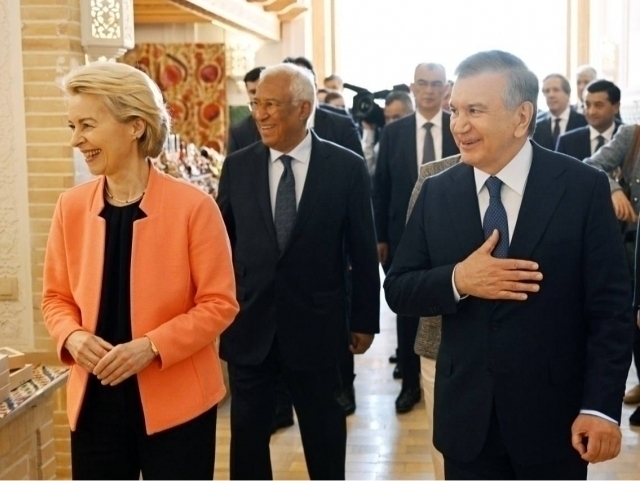
Сўнгги йилларда Европа ва Марказий Осиё ўртасидаги масофалар ижобий маънода қисқариб бормоқда. Айниқса, Ўзбекистон ўзининг фаол дипломатияси ва очиқ иқтисодий сиёсати билан Европа Иттифоқи учун тобора муҳим шерикка айланмоқда. Европа “минтақа дарвозаси” мақомига эга бўлган Ўзбекистонни “Марказий Осиёнинг юраги” сифатида ҳам кўрмоқда.
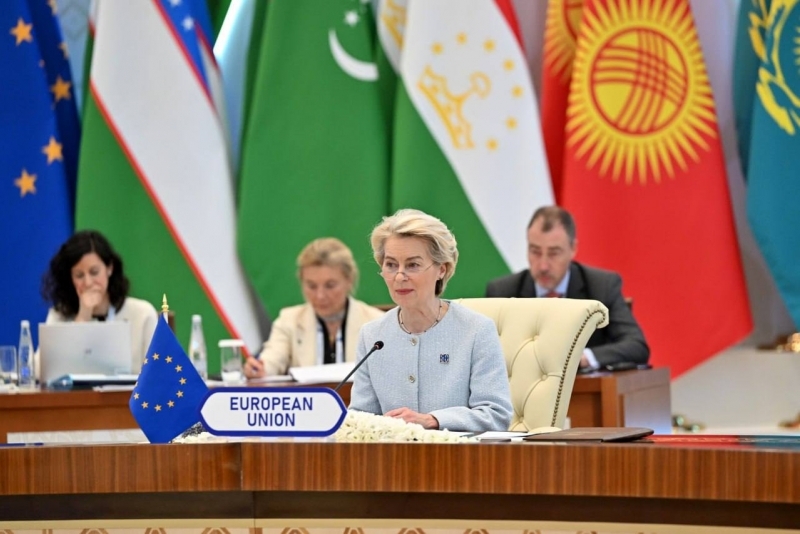
2025 йил баҳорида Самарқандда ўтган биринчи Европа Иттифоқи – Марказий Осиё саммити айнан шу яқинлашувнинг рамзига айланди. Унда Европа Иттифоқи Комиссияси раҳбари Урсула фон дер Ляйен ва Европа Кенгаши Президенти Антонио Кошта биргаликда қатнашиб, 12 миллиард евролик “Global Gateway” инвестиция дастурини эълон қилди. Бу нафақат иқтисодий битим, балки Европа ва Марказий Осиёнинг ўзаро ишонч ва манфаатларга асосланган янги стратегик алоқалар даврини бошлаб берди.

Энди эса эътибор 24 октябрда Брюсселда имзоланиши кутилаётган “Кенгайтирилган Ҳамкорлик ва Шериклик Битими” (EPCA) га қаратилган. Мазкур ҳужжат икки томонлама муносабатларда бурилиш нуқтасига айланиши, Ўзбекистон ва Европа Иттифоқи ўртасидаги сиёсий, иқтисодий ва цивилизацион боғлиқликни янги босқичга олиб чиқиши кутилмоқда.
Иқтисодий ҳамкорликнинг ҳозирги ҳолати
Ўзбекистон ва Европа Иттифоқи ўртасида сўнгги йилларда савдо ва инвестиция алоқалари сезиларли даражада фаоллашди. 2017-2024 йилларда Ўзбекистоннинг ЕИ билан товар айирбошлаш ҳажми 2,4 бараварга ошиб, 2024 йилда тахминан 6,4 миллиард долларга етди. Импорт ҳажми эса тахминан 4,7 млрд долларни ташкил қилиб, асосан, Германия, Франция ва бошқа ЕИ мамлакатларидан техника, машиналар, жиҳозлар ҳамда доривор ва бошқа кимёвий маҳсулотлар олиб келинган. 2024 йилда Ўзбекистоннинг ЕИ давлатларидан олган тўғридан тўғри инвестициялари ва кредитлари ҳажми 4,1 млрд долларни ташкил этди – бу 2023 йилга нисбатан 77 фоизга кўп. Европалик тадбиркорлар қўшган капиталларнинг асосий улуши Германия ва Нидерландия каби давлатларга тўғри келади. Ҳозирда Ўзбекистонда 900–1000 дан ортиқ Европа капитали иштирокидаги қўшма корхоналар фаолият кўрсатиб, умумий инвестиция лойиҳалари портфели ўнлаб миллиард еврони ташкил этмоқда. Расмий манбаларда уларнинг ҳажми 30-40 млрд евро атрофида экани айтилмоқда.
Бундан ташқари, янги ҳамкорлик лойиҳалари доирасида Ўзбекистоннинг бой табиий ресурсларини ўзлаштириш ҳам муҳим мавзу ҳисобланади. Европа Иттифоқи билан, масалан, 2024 йил 5 апрелда критик хомашё бўйича ҳамкорлик меморандуми имзоланган. Чунки бу минераллар янгиланадиган энергия ва рақамли технологиялар учун зарур. Ўз навбатида, Ўзбекистон Европа бозорларига мўлжалланган маҳсулотлар кўламини кенгайтирмоқда.
2021 йилда ЕИ томонидан Ўзбекистон GSP+ преференция тизимига қабул қилингани туфайли 6200 дан зиёд товар тури бўйича божхона имтиёзларини қўлга киритди. Маълумот учун, GSP+ преференция тизими бу – Европа Иттифоқининг савдо имтиёзлари дастури бўлиб, ривожланаётган давлатларга ЕИ бозорига товарларни божхона тўловларисиз ёки имтиёзли шароитларда экспорт қилиш имконини беради. Ўша имкониятдан фойдаланиш натижасида Ўзбекистоннинг Европа Иттифоқига экспорт қиладиган маҳсулотлар ҳажми ошди. 2024 йилда ЕИга чиқаётган экспортнинг асосий қисми кимёвий маҳсулотлардан иборат бўлиб, жумладан, уран қазилмаларининг катта қисми Европа мамлакатларига йўналтирилди. Шу тариқа, сўнгги йилларда Ўзбекистон ва ЕИ ўртасидаги савдо–иқтисодий алоқалар жадал ўсиб, томонлар ўзаро иқтисодий интеграцияни кучайтириш устида ишламоқда.
Кенгайтирилган Ҳамкорлик ва Шериклик Битими (EPCA)
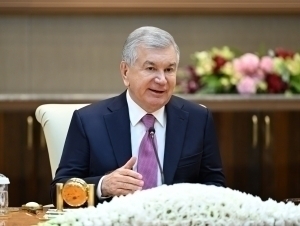
Тошкент ва Брюссель ўртасидаги яқинлик тезлашаётган пайтда Ўзбекистон–Европа Иттифоқи муносабатларини мустаҳкамлаш борасида навбатдаги катта янгилик – “Enhanced Partnership and Cooperation Agreement” (EPCA) – яъни “Кенгайтирилган ҳамкорлик ва шериклик битими” имзоланиш арафасида турибди. Ўзбекистон Президенти Шавкат Мирзиёевнинг эртага, 24 октябрь куни Брюсселда бўлиб ўтувчи расмий ташрифида ушбу битимни имзолаши кутилмоқда. EPCA стратегик шериклик муносабатларини янада чуқурлаштирувчи ҳужжат бўлиб, унда сиёсий мулоқот, савдо–иқтисодиёт, хавфсизлик, барқарор ривожланиш ва турли секторлар бўйича ҳамкорлик каби беш асосий йўналиш кўзда тутилган. Битим ўтган асрнинг охиридаги 1996 йилда имзоланган аввалги Ҳамкорлик битимининг ўрнини босади.
Ўзбекистон Ташқи ишлар вазирлиги баёнотига кўра, EPCA “Европа Иттифоқи билан муносабатларнинг тарихий босқичи” бўлиб, мамлакат эришган катта сиёсий, иқтисодий ва институционал ўзгаришларни акс эттиради. Битимнинг қабул қилиниши билан икки томон ўзаро ишонч асосида кенгайтирилган савдо режимини жорий қилиши, сармоялар ва бозорлар билан интеграцияни мустаҳкамлаши кутилмоқда. Европа Иттифоқи тарафидан эса EPCA Европа ишбилармонларига Марказий Осиёда ўсиб бораётган бозор билан боғланиш имконини бериб, ўзаро савдо ва инвестицияларни янада оширишга хизмат қилади. Масалан, битим доирасида Ўзбекистон ЕИ бозорига кириш имтиёзлари ва GSP+ режими асосида мавжуд шерикликни янада қўллаб-қувватлаш билан маҳсулотлар экспортига қулайлик яратади. Умуман олганда, EPCA имзоланиши ўзаро муносабатларни тубдан кенгайтириб, сиёсий ва иқтисодий кўприкни мустаҳкамлашга хизмат қилади.
“Global Gateway” дастури ва инвестициялар
Европа Иттифоқи ташқи инвестиция дастури – “Global Gateway” – Ўзбекистонда ҳам бир қатор лойиҳаларни молиялаштирмоқда. 2021-2027 йиллардаги ҳамкорлик доирасида Европа Иттифоқи Ўзбекистон учун умумий 119 миллион евро грант маблағ ажратган. Бу Global Europe, яъни Европа Иттифоқининг расмий молиявий дастури бўлиб, 2021-2027 йиллар оралиғида амалга оширилади. Мазкур грант ЕИ томонидан дунёнинг турли мамлакатлари, жумладан Ўзбекистон билан ҳамкорликни молиялаштириш учун яратилган ташаббуснинг бир қисми ҳисобланади.
Транспорт соҳасида ҳам “Global Gateway” инвестициялари муҳим роль ўйнайди. Европа Иттифоқи–Марказий Осиё саммитида жорий йилда транспорт ва логистика инфратузилмаси учун 10 миллиард евролик халқаро инвестиция пакети йўналтирилиши маълум қилинди. Бу маблағларнинг асосий қисми Транскаспий йўлагини яхшилашга кетади. Европа Иттифоқи Ўзбекистон, Қозоғистон ва бошқа минтақа давлатлари билан биргаликда Транскаспий темирйўли ва денгиз ташувларини мустаҳкамлаш устида ишламоқда. Шунингдек, Орол денгизи минтақасида сув таъминотини яхшилаш ва атом энергетикаси хавфсизлигини ошириш каби экологик лойиҳалар ҳам ЕИ ва халқаро молия институтлари ёрдами билан амалга оширилади.
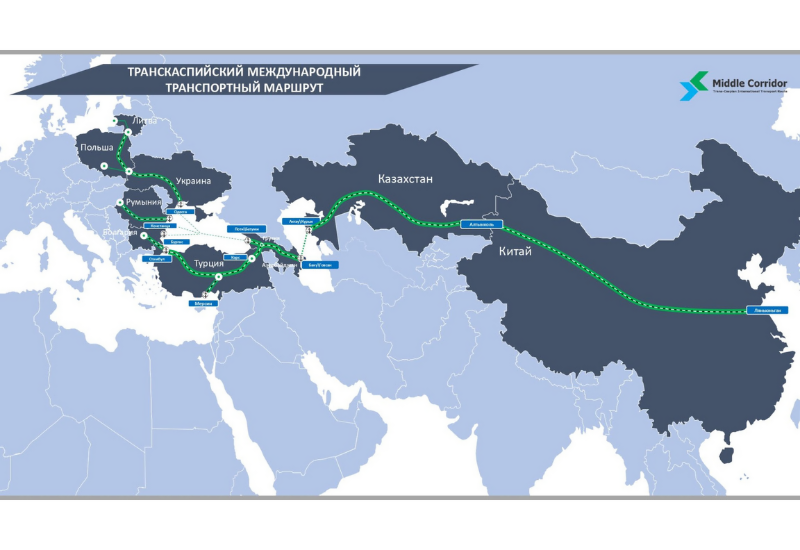
Энергетика ва экоташаббуслар соҳасида ҳам ҳамкорлик кенгаймоқда. Европа Иттифоқи Ўзбекистонни тоза энергияга ўтказишга интилиб, қуёш энергияси ва яшил водород лойиҳаларини қўллаб-қувватлаш имкониятларини кенгайтирмоқда. Мамлакатда қуёш ва шамол электр станцияларини қуриш лойиҳалари Узоқ Шарқ давлатлари ҳамда Европа Иттифоқи банкларининг инвестиция дастурлари доирасида молиялаштирилмоқда.
Шунингдек, “European Bank for Reconstruction and Development” (EBRD) ва “European Investment Bank” (EIB) каби йирик халқаро молиявий институтлар Ўзбекистонда автомобиль йўллари, темирйўллар, сув таъминоти ва қишлоқ хўжалиги соҳаларида ҳам бир қатор лойиҳалар бўйича кредитлар ажратмоқда. Рақамли инфратузилма соҳасида эса Европа Иттифоқи Ўзбекистоннинг электрон ҳукумат (e-hokimiyat), миллий маълумот базалари интеграцияси, кичик ва ўрта бизнесларни рақамлаштириш каби лойиҳаларини молиявий ва техник жиҳатдан қўллаб-қувватламоқда.
Марказий Осиё стратегияси ва Ўзбекистоннинг роли
Ўзбекистон Марказий Осиё минтақасида Европага ўта муҳим кўприк вазифасини бажаради. Минтақавий муносабатларда Ўзбекистоннинг ўрни беқиёс экани саммитлар давомида қайта-қайта таъкидланди. 2025 йилнинг апрелида Самарқандда бўлиб ўтган биринчи Европа Иттифоқи – Марказий Осиё саммитида Президент Мирзиёев Ўзбекистон номидан ушбу ҳамкорликни чуқурлаштириш бўйича бир қатор ташаббуслар тақдим этди. Хусусан, Европа бозорларига инвестиция оқимини кафолатлаш бўйича кўп томонлама инвестиция ҳимояси шартномаси, Европа Иттифоқи – Марказий Осиё савдо уюшмаси ва минтақавий хотин-қизлар тадбиркорларини қўллаш дастури каби ташаббуслар илгари сурилди. ЕИ етакчилари ҳам Ўзбекистонни “Global Gateway” режаларида “бизнинг иттифоқчимиз” деб атади. Жумладан, Урсула фон дер Ляйен Самарқандда: “Ўзбекистон “Global Gateway”да жуда муҳим ўринни эгаллайди. Бу бизнинг узоқ муддатли дўстлигимизнинг янги босқичи”, деб таъкидлади.
Транспорт йўлаклари борасида эса Транскаспий интеграцияси асосий устуворликлардан бири бўлмоқда. Европа Иттифоқи Ўзбекистон ва бошқа Марказий Осиё давлатлари билан ҳамкорликда Транскаспий йўналишини модернизация қилиш устида ишлаяпти. Хусусан, бу йўлак орқали Европа билан товарлар алмашиш ҳажмини оширишга йўналтирилган дастурлар ишлаб чиқилмоқда. Жорий йилда 10 миллиард евро транспорт ва логистика инфратузилмасига йўналтирилар экан, Ўзбекистон Транскаспий орқали Ғарбга, айниқса Европа бозорларига чиқишни янада осонлаштириш учун чоралар кўрмоқда.
Афғонистон масаласи ва минтақавий хавфсизлик
Ҳудудий хавфсизлик ва минтақавий барқарорлик Ўзбекистон ва Европа Иттифоқи ҳамкорлигида муҳим йўналишдир. Европа етакчилари Афғонистоннинг барқарорлиги ва хавфсизлигини таъминлашда Ўзбекистоннинг ролини юқори баҳолайди. Амалий жиҳатдан ЕИ Ўзбекистон билан миграция ва чегара бошқаруви бўйича ҳамкорликни кучайтирмоқда. Хусусан, Европа Иттифоқи молиялаштираётган “PROTECT” лойиҳаси доирасида Тошкентда илк марта Migrant Resource Centre (MRC) очилди. Ушбу марказ афғонистонлик ва бошқа минтақа мигрантларига қонуний миграция йўллари, меҳнат миграциясининг хавфсизлик жиҳатлари, ноқонуний миграция ва одам савдоси тўғрисида бепул маълумот бериб боради.
Шунингдек, The Border Management Programme in Central Asia (BOMCA, Марказий Осиёда чегараларни бошқариш дастури) орқали Марказий Осиё давлатлари, хусусан Ўзбекистон, Қозоғистон, Қирғизистон, Тожикистон ва Туркманистон ҳудудида амалга оширилаётган чегара бошқаруви, миграция ва савдо йўналишларида ва бошқа халқаро ташаббуслар орқали наркотиклар ва қурол савдосига қарши курашиш, чегарани муҳофаза қилишда ҳамкорлик кенгайтирилмоқда.
Бундан ташқари, кўплаб Европа Иттифоқи давлатлари, айниқса, Германия кабилар Афғонистондаги ҳукумат ўзгаришидан сўнг, миграция соҳасида жуда катта қийинчиликларга дуч келган. Ўн минглаб афғон қочқинларини қабул қилишга мажбур бўлган европаликлар охирги пайтларда уларни ортга қайтаришда Ўзбекистондан транзит сифатида фойдаланишга уриниб келаётгани ҳақида хабарлар учраб туради. Хусусан, 2024 йилда хориж нашлари Германия Ўзбекистондан ишчи кучи жалб қилиш эвазига афғон қочқинларини ортга қайтаришда ёрдам сўраши мумкинлиги ҳақида тез-тез мақолалар чоп этиб турди. Собиқ канцлер Олаф Шольц ўтган йили сентябрь ойида Ўзбекистонга ташриф буюрганда юзлаб шифокорларни Германияда иш билан таъминлаш бўйича келишувга эришилганди. Аммо ўшанда афғонистонлик қочқинларни Ўзбекистон орқали ортга қайтариш масаласи ҳам ўртага ташланганми ёки йўқ, бу ҳақида расмий маълумотлар учрамади.
Бекзод Полатов

Live
All