Ўзбекистон Япония билан стратегик ҳамкор бўлмоқчи
Local
−
29 August 2025 4580 5 minutes
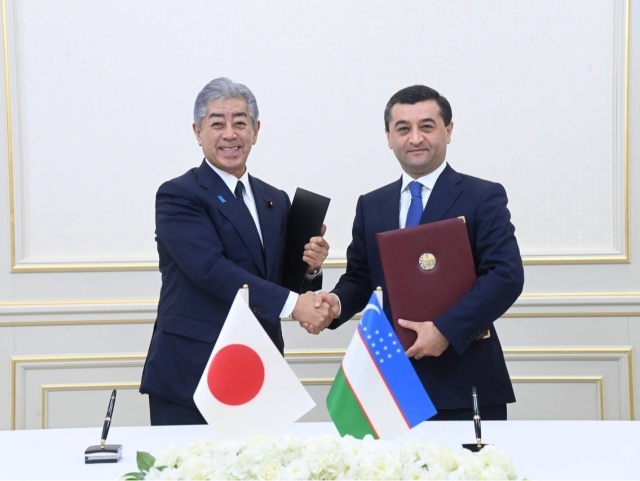
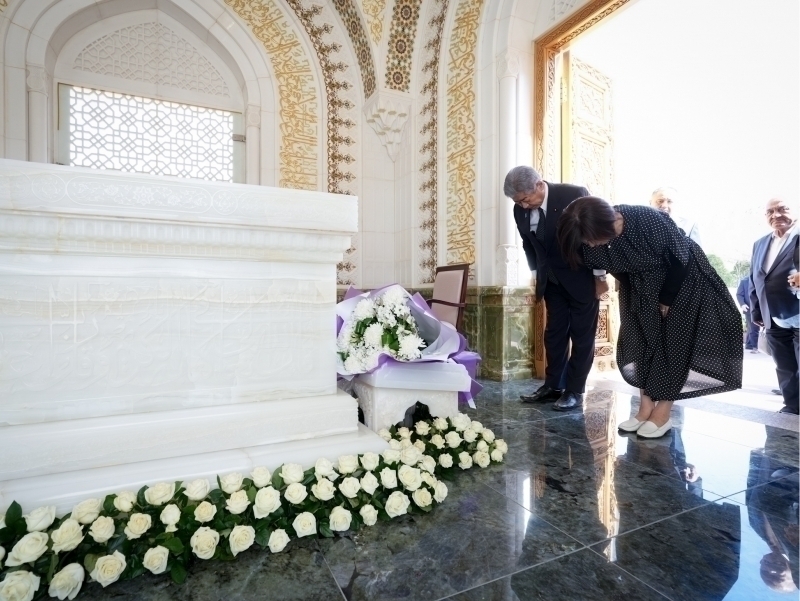
Хабарингиз бор, Япония Ташқи ишлар вазири Такэси Ивая 26-27 август кунлари Ўзбекистонда бўлди. У мамлакатга ташрифи давомида 27 август куни Тошкент шаҳрида Ўзбекистон Ташқи ишлар вазири Бахтиёр Саидов билан ўзаро олий даражадаги ҳамкорликнинг янги формати – Япония ва Ўзбекистон Ташқи ишлар вазирларининг стратегик мулоқоти бошланганини эълон қилди ва ушбу форматнинг биринчи йиғилишини ўтказди. Вазирлар янги форматдаги биринчи йиғилиш бўйича 16 банддан иборат қўшма баёнот эълон қилди.
Унда қайд этилишича, вазирлар Япония ва Ўзбекистон ўртасидаги икки томонлама ҳамкорликнинг эришилган даражаси ва изчил ривожланишини инобатга олган ҳолда Стратегик мулоқотни ташкил этиш тўғрисида қарор қабул қилинганини таъкидлаган. Шунингдек, мазкур жараён 2019 йил 19 декабрда Япония ва Ўзбекистон ўртасида “Стратегик шерикликни янада чуқурлаштириш ва кенгайтириш тўғрисида”ги қўшма баёнот қабул қилинганидан кейин янги суръат касб этгани қайд этилган.
“Вазирлар Стратегик мулоқотнинг вазифаси икки мамлакат ўртасидаги ўзаро ишонч ва стратегик шерикчиликни кучайтириш, шунингдек сиёсат, хавфсизлик, савдо, инвестиция, иқтисодий хавфсизлик, жумладан, таъминот занжирининг барқарорлиги, энергия, озиқ-овқат, ишлаб чиқариш, инновация, соғликни сақлаш, таълим, меҳнат ресурсларининг мобиллиги, маданият ва инсонлар ўртасидаги мулоқот каби соҳаларда узоқ муддатли, конструктив, ва ўзаро фойдали ҳамкорликни юксалтириш эканлигини таъкидлади”, дейилади ҳужжатди.
Шунингдек, вазирлар ўз идоралари ўртасидаги ҳамкорликни кучайтириш муҳим аҳамиятга эга эканлигини таъкидлаб, бу олий ва юқори даражадаги сиёсий мулоқотни изчил давом эттириш, парламентлар, ҳукуматлар, вазирликлар ва бошқа идоралар ўртасида ўзаро алмашинувларни фаоллаштиришга хизмат қилишини қайд этган. Бу каби мулоқот ва ҳамкорлик икки томонлама муносабатларнинг динамик ривожланиши учун муҳим омил сифатида эътироф этилди.
Такэси Ивая ва Бахтиёр Саидов Япония ва Ўзбекистон ўртасида иқтисодий ҳамкорликнинг кучайганини олқишлади ҳамда савдо ва инвестициялар ҳажмини ошириш борасидаги катта ва ҳали тўлиқ ишга солинмаган салоҳият мавжудлигини қайд этди. Улар савдо-иқтисодий ҳамкорликни кенгайтириш ва уни диверсификация қилиш, саноат ва технология соҳасидаги ҳамкорликнинг янги имкониятларини излаш, шунингдек, энергетика, жумладан, қайта тикланадиган энергия манбалари ҳамда транспорт ва логистика инфратузилмасини ривожлантириш йўналишларида саъй-ҳаракатларни амалга ошириш масаласида якдил фикр билдирди.
“Вазирлар инвестициявий шерикликни мустаҳкамлашга тайёрлигини яна бир бор тасдиқлади. Жумладан, Япония компанияларининг Ўзбекистондаги фаолиятини кенгайтириш, қўшма корхоналарни ривожлантириш ҳамда иқтисодиётнинг устувор соҳаларига замонавий япон технологияларини жорий этиш масалалари қайд этилди”, дейилади қўшма баёнотда.
Шунингдек, информацион технологиялар, таълим, соғликни сақлаш, илм-фан, инновация, яшил иқтисодиёт, қишлоқ хўжалиги ва озиқ-овқат, сув ресурсларини бошқариш ва ақлли шаҳарлар концепцияси ва бошқа устувор йўналишларда ҳамкорликни кенгайтиришда катта потенциал борлиги таъкидланган. Кадрлар алмашинувини кенгайтириш ва икки халқ ўртасидаги алоқаларни ривожлантиришга ўзаро қизиқиш билдирилган ҳамда маданият, спорт, туризм, минтақавий алмашинувлар ва дипломатик алоқалар соҳасида ҳамкорликни ошириш таклиф қилинган. Таълим ва инсон ресурслари соҳасида, жумладан, илмий алмашинувлар, стипендиялар сонини ошириш ва япон ва ўзбек тилларини ўрганишни қўллаб-қувватлашда ҳамкорликни чуқурлаштириш муҳимлиги қайд этилган.
Вазир Ивая Ўзбекистонда амалга оширилаётган иқтисодий либераллашув ва демократик трансформация каби ислоҳотларни олқишлаб, Япониянинг “Янги Ўзбекистон” ривожланиш стратегиясини қўллаб-қувватлашни давом эттиришини таъкидлаган.
“Вазирлар халқаро майдондаги ҳамкорлик ҳар икки мамлакат манфаатларига хизмат қилишини эътироф этдилар, ҳамда БМТ ва бошқа халқаро ташкилотлар доирасидаги ҳамкорликни янада мустаҳкамлаш зарурлигини қайд этди”, дейилади ҳужжатда.
Икки давлат Ташқи ишлар вазирлари БМТ Хавфсизлик Кенгашини доимий ва доимий бўлмаган аъзолар ҳисобидан кенгайтиришни қўллаб-қувватлаган. Улар 2019 йил 19 декабрда Япония ва Ўзбекистон Республикаси ўртасида қабул қилинган “Стратегик шерикликни янада чуқурлаштириш ва кенгайтириш тўғрисида”ги қўшма баёнотни эсга олган ва икки мамлакатнинг умумий стратегик манфаатлари, шунингдек, минтақавий барқарорлик ва хавфсизликни ҳимоя қилиш мақсадида ўзаро қўллаб-қувватлашни давом эттириш муҳим аҳамиятга эга эканини таъкидлаган.
Шу билан бирга, вазирлар дунёда тинчлик ва ривожланишни рағбатлантириб турган, қонун устуворлигига асосланган халқаро тартиботнинг мумҳимлигини айтиб ўтди ва бу борада ҳамкорлик қилишга тайёрлигини билдирди. Улар Марказий Осиё ва Япония ўртасидаги “C5+1” мулоқот форматини кўп томонлама ҳамкорлик ва унинг ривожланишида самарали минтақавий платформа сифатида эътироф этди. Вазирлар Марказий Осиё ва Япония ўртасидаги биринчи саммитни самарали ва муваффақиятли ўтказиш мақсадида яқиндан ҳамкорлик қилишга келишиб олди.
“Вазирлар терроризм, экстремизм, гиёҳванд моддалар савдоси, уюшган жиноятчилик ҳамда минтақавий ва халқаро хавфсизликка қилиниши мумкин бўлган бошқа таҳдидларга қарши биргаликда саъй-ҳаракатларни амалга ошириш муҳимлигини таъкидлади”, дейилади қўшма баёнотда.
Такэси Ивая ва Бахтиёр Саидов Ўзбекистон ва Япония ҳамкорлиги бўйича кун тартибида турган қатор масалаларни муҳокама қилди. Вазирлар Стратегик мулоқотнинг биринчи йиғилиши натижаларини юксак баҳолади. Мазкур йиғилиш ҳамкорликни устувор йўналишларда илгари суриш ва икки томон учун долзарб бўлган минтақавий ҳамда халқаро масалалар юзасидан фикр алмашиш учун янги, юқори даражадаги формат бошланиши сифатида қайд этилди. Вазирлар Стратегик мулоқот йиғилишларини икки йилда бир марта, заруратга қараб, навбатма-навбат Япония ва Ўзбекистон Республикасида ўтказиш учун интилиш юзасидан якдил фикр билдирди. Стратегик мулоқотнинг навбатдаги йиғилиши Токио шаҳрида бўлиб ўтади. Йиғилиш санаси ва кун тартиби дипломатик каналлар орқали келишиб олинади.
Эслатиб ўтамиз, 27 август куни Ўзбекистон Президенти Шавкат Мирзиёев Япония Ташқи ишлар вазири Такэси Ивая бошчилигидаги делегацияни қабул қилганди. Такэси Ивая Президент Мирзиёевга Япония Бош вазири Сигэру Исибанинг самимий саломи ва Ўзбекистон Мустақиллиги куни муносабати билан йўллаган табрикларини етказди.

Live
All27 October