Трамп Қатарни ўз қаноти остига олди. АҚШ Қатарни энди Исроилдек ҳимоя қилмоқчи
Review
−
03 October 2025 5535 9 minutes
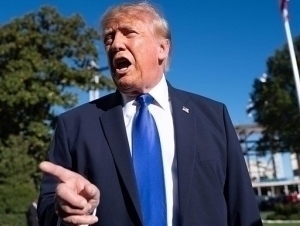
Бундан салкам бир ой олдин Исроил ҳужумига учраган Қатар энди Яқин Шарқдаги иккинчи Исроилга айланмоқда. Гап шундаки, бир неча кун олдин АҚШ Президенти Дональд Трамп Қатарни узоқ давом этган ғазабдан тушириш учун унга тарихий мукофот тақдим қилди. Трамп 1 октябрь куни Қатар хавфсизлигини кафолатлашга ваъда берувчи фармонни имзолаб, унга қилинган ҳар қандай қуролли ҳужум Қўшма Штатларга қилинган таҳдид сифатида баҳоланиши белгиланди. Трамп фармонда Қатарнинг хавфсизлигини таъминлаш ва ҳудудий яхлитлигини ҳимоя қилиш бундан буёғига Қўшма Штатларнинг ҳам сиёсати эканлигини айтди. У Вашингтон “АҚШ ва Қатар давлати манфаатларини ҳимоя қилиш ҳамда тинчлик ва барқарорликни тиклаш учун барча қонуний ва тегишли чораларни, жумладан дипломатик, иқтисодий ва керак бўлса, ҳарбий чораларни кўришини” маълум қилди. Мутахассислар бу фармон Яқин Шарқ сиёсатида сейсмик ўзгаришларга олиб келиши мумкинлигини тахмин қилмоқда.
Лекин аслида ўша сейсмик ўзгаришлар аллақачон бошланган, деб бемалол айтишимиз мумкин. Чунки бундай хавфсизлик кафолатининг илдизи жорий йил 9 сентябрь куни Исроилнинг ҲАМАС етакчиларини йўқ қилиш учун Доҳага қилган ҳужумига бориб тақалади. Айнан шу воқеа Яқин Шарқ сиёсатини ўзгартириб бўлди. Ўша ҳужумдан кейин Саудия Арабистони хавфсизлик ҳамкори сифатида АҚШни Покистонга дефакто алмаштирди. Ар-Риёд ва Исломобод бир неча ҳафта олдин имзолаган ҳарбий шартнома, айни дамда АҚШ Қатарга тақдим қилаётган кафолатлар билан деярли бир хил эди. Бу эса араб давлатлари ташқи сиёсатда бир-биридан яна айро ҳолатда эканидан далолатдир. Жуда кичик ва ўта бой Қатар қадриятлар жиҳатдан минтақага бегона АҚШ билан, катта ва қудратли Саудия эса маънавий ва диний жиҳатдан ўзига яқин бўлган Покистон билан. Исроил фактори эса бу икки лагерни бир-биридан ажратиб туради. Айни шу нуқтада кўплаб саволлар ва тушунмовчиликлар ўртага чиқади. Қуйида эса ўша саволларга жавоб топишга ҳаракат қиламиз.
Қатар ютди
Трампнинг тарихий фармони АҚШнинг Қатардаги элчихонаси томонидан ҳам тарқатилди. АҚШ томони шу пайтгача икки давлат ўртасидаги узоқ йиллардан буён турли соҳаларда ҳамкорлик давом этаётгани, Қатар АҚШ кучларига мезбонлик қилгани, мамлакатда жойлашган Ал-Удейд базаси муҳим хавфсизлик операцияларини ўтказишга имкон бергани ҳамда тинчлик, барқарорлик ва фаровонлик йўлида содиқ иттифоқчи сифатида ҳаракат қилгани, минтақавий ва глобал можароларни ҳал қилишда воситачилик қилганини алоҳида таъкидлади.
9 сентябрдаги ҳужум ростдан ҳам жуда кўп ўзгаришларга сабаб бўлмоқда. Бунда эса Қатарнинг ҳаракатлари алоҳида ажралиб туради. Чунки Қатар ўзига қилинган ҳужумдан сўнг анча жиддий шовқин сурон кўтарди. Доҳага зудлик билан мусулмон давлатларнинг фавқулодда араб-ислом саммити чақирилди. Туркия, Покистон, Эрон ва араб давлатларининг лидерлари бир жойга тўпланди. Исроил ҳужуми кескин қораланди. Бу орада Саудия ва Покистон ташқи ҳужум содир бўлган тақдирда бир-бирини ҳимоя қилишга келишиб олди. Мазкур воқеалар эса Исроил ва унинг бугунги кунда Ер юзида қолган ягона иттифоқчиси АҚШга ўзига хос босим воситаси бўлиб хизмат қилди.
Аммо якунда нима бўлди? Қисқа ва содда қилиб айтганда, энг сўнггида Қатар ютиб чиқди. Дастлаб Қатар ўзига қилинган ҳужумдан кейин Исроилга турли йўллар билан жавоб қайтаришга вада берди. Аммо Нетаньяху истаса Қатарга яна зарба бериши мумкинлигини айтиб, Доҳага таҳдид қилди. Лекин Дональд Трамп ва Қатар Бош вазири АҚШда биргаликда кечки овқат қилгандан сўнг, Доҳа Исроилга жавоб қайтаришни ортга сурди. Трамп турли учрашув ва суҳбатларда Нетаньяху Қатарга қайтиб ҳужум қилмаслигига кафолат берди. Орадан кўп ўтмай, БМТнинг навбатдаги сессияси бўлиб ўтди. Мазкур сессия доирасида АҚШга ташриф буюрган Нетаньяху Оқ уйга ҳам кириб ўтди. У Трампнинг олдида Қатар Бош вазири Жассим Ол Соний билан телефон орқали суҳбатда мамлакат суверенитети бузилгани учун узр сўради. Исроил нашрлари Нетаньяхунинг узр сўрашини шахсан Трамп талаб қилгани ҳақида ёзди. Ундан ташқари, Доҳа Исроилнинг расмий кечирим сўрашидан сўнг, энди ҳалок бўлган офицернинг оиласига товон тўланишини талаб қилган. Исроил эса Трамп босими остида буни амалга оширишга тайёрлиги айтилди.
Шундай қилиб, Қатар Исроилга жавоб қайтармади, аммо бунинг ўрнига жуда кўп нарса олди – АҚШдан хавфсизлик кафолати. Бу эса унда эндиликда АҚШ билан яқинликда деярли Исроилдан қолишмайдиган алоқалар бор дегани. Чунки Қатар суверенитетига таҳдид, бундан буён АҚШга ҳам таҳдид сифатида кўрилиши ҳақидаги фармойиш Вашингтон Доҳани НАТОдаги ҳамкорлари каби муҳофаза қилади деганидир. НАТОга аъзо бўлмай туриб, альянсдаги давлатлардан кам бўлмаган хавфсизлик кафолати эса шу пайтгача Исроилдагина мавжуд бўлгани кўпчиликка маълум. Шу боис, хавфсизлик сиёсати нуқтаи назардан энди Қатарни қайсидир маънода Яқин Шарқдаги иккинчи Исроил деб аташ мумкин.
Трамп нега бундай қилди?
Трамп Қатарга нега бундай катта компенсация тўлагани кўпчиликни хайрон қолдирди. Чунки Вашингтоннинг хавфсизлик кафолати шунчаки оддий бир ёрдам эмас. Бундай кафолатга эга бўлиш учун Конгрессда, Оқ уйда, хулла,с АҚШ давлат бошқарувининг ҳар бир тешигида ҳудди Исроил каби сон-саноқсиз лоббига эга бўлиш зарур. Аммо Қатарда бугун бундай имконият йўқ эди. Шундай бўлишига қарамай, Доҳа АҚШ қаноти остига киришга муваффақ бўлди. Мутахасислар эса буни бир нечта сабаблар билан боғламоқда. Биринчиси, Исроил ва Эрон ўртасида кечган 12 кунлик урушнинг охирида Эроннинг Қатарга ҳужумидир. Ўшанда Теҳрон томонидан берилган зарбалар айнан АҚШнинг Ал-Удейд базаси Қатарда жойлашгани туфайли эди. Бу эса ўз-ўзидан ядровий иншоотларига уюштирилган ҳалокатли ҳужумга жавоб қайтариш учун Эронга Қатардаги АҚШ базасини қонуний нишонга айлантирганди. Қатар ўшанда жорий йил ҳисобига АҚШ туфайли биринчи бор жабрланди. Иккинчиси, Исроилнинг Доҳада ҲАМАСнинг юқори мартабали шахсларини йўқ қилиш учун берган ҳаво зарбаси. Бу Қатарнинг жорий йил ҳисобига АҚШ туфайли иккинчи бор ташқи ҳужумга учраши бўлди. Чунки Қатар ҲАМАС ва Исроил ўртасидаги воситачилик ролини АҚШ илтимосига кўра бажариши барчага маълум.
Мутахасислар эса мазкур воқеликлар ўз-ўзидан Қатар якунда АҚШга хавфсизлик кафолати сўраб мурожаат қилиши учун асос яратганини таъкидламоқда. Вазият янада кучайиши эҳтимолидан хавотирга тушган Ол Сонийлар Вашингтонга бир томонлама ёзма хавфсизлик кафолати сўрашга мажбур бўлди. Уларнинг аргументи эса оддий, яъни юқорида таъкидланганидек, АҚШ сиёсатини қўллаб-қувватлаш расмий Донани ҳар сафар қайсидир давлатнинг нишонига айлантирди ва шунинг учун Вашингтон уларни ҳимоя қилишга мажбурлиги қайд этилди. Аммо экспертлар булар ҳали ҳаммаси эмаслиги, ўртада яна кўплаб иқтисодий ва шахсий манфаатлар ҳам борлигини таъкидламоқда. Жумладан, жорий йил бошида Трампнинг Доҳага қилган ташрифи натижасида қўлга киритилган триллион долларлик инвестициялар ва Қатар Амири томонидан Трампга совға қилинган ярим миллиард долларлик самолёт ҳам бунда катта роль ўйнаган дея тахмин қилинмоқда. Биргаликда эса бу омиллар Трампни Қатарга АҚШнинг бошқа ҳеч бир Форс кўрфази давлатига берилмаган хавфсизлик ёстиқчасини беришга мажбур қилган бўлиши мумкин.
Шунингдек, бу ерда яна бир муҳим ва кўпчилик томонидан эътиборга олинмаётган омил ҳам бор. Бу яқин-яқингача расмий бўлмаса-да, хавфсизлиги АҚШ томонидан таъминланиб келинган Саудия ва ядровий Покистон ўртасида тузилган бир-бирини ташқи ҳужумдан ҳимоя қилиш бўйича шартномадир. АҚШ учун мазкур воқелик қандайдир йўқотиш бўлганини ҳам унутмаслик лозим. Чунки Трампнинг яқин иттифоқчиси бўлган “қора шаҳзода” ҳимоя масаласида бошқа давлат билан келишувга эришди. Покистон ва АҚШ ўртасидаги муносабатлар бугун Ҳиндистон таъсирида бир қадар яқинроқ бўлишига қарамай, вақти-вақти билан бу икки давлатни мафкуравий қарама-қаршилик бир-биридан узоқлаштириб туради. Бу орада Исроил омили ҳам борлигини унутмаслик лозим.
АҚШ нега арабларга хавфсизлик кафолати бермай келган?
Қўшма Штатлар Яқин Шарқдаги кўплаб араб давлатларида ҳарбий базаларга эга бўлишига қарамай, узоқ йиллар мобайнида уларга хавфсизлик кафолати беришдан тийилиб келган. Бунинг ўзига яраша кўплаб сабаблари бор эди. Масалан, Эрон билан тўғридан тўғри тўқнашув хавфи. Чунки сунний араблар ва шиа мусулмонлари фундаментал зиддиятларга эга. Бу Эрон ва Кўрфаз давлатларининг сиёсатида ўз аксини тоган. Масалан, 2019 йилда хусийларга қилинган ҳужум ва бошқа кўплаб факторлар ортидан Эрон Саудия Арабистонининг нефть инфратузилмаси қанотли ракеталар ва учувчисиз учоқлар билан зарба берганди. Аммо Трамп ўша кезларда яқин ҳамкори сифатида кўриладиган Саудияга АҚШ қўшинлари ёки Patriot ракета тизимини жойлаштиришдан бош тортганди. Аммо бу масаланинг бир томони холос.
Танганинг иккинчи томони тўхталадиган бўлсак, араб монархиялари нафақат Теҳрон билан, балки бир-бирлари билан ҳам яқин ўтмишда ўзаро чиқишмай келгани сир эмас. Хусусан, сўнгги йилларда авж олган, аммо бугунга келиб деярли тугаган Доҳа ва Ар-Риёд ўртасидаги келишмовчилик шулар жумласидандир. “Al Jazeera” телеканалидаги очиқлик ва эркинлик сиёсати ҳамда Қатарга қўйилган “терроризмни қўллаш” айблови туфайли Саудия бошчилигидаги Кўрфаз давлатлари 2017 йилдан 2020 йилгача Доҳани ҳатто блокада қилганди. Ўз-ўзидан бундай шароитда бирор бир араб монархиясига хавфсизлик кафолатини бериш АҚШга чинакам бошоғриқ яратарди. Форс кўрфазидагилар учун мажбурий кафолатлар Вашингтонни минтақавий можароларга аралаштириб юбориши ҳеч эмасди.
Қатар эса бундай кафолатни анчадан буён сўраб келган. Ол Сонийлар шу мақсадда АҚШнинг минтақадаги ҳарбий ва дипломатик ташаббусларини узоқ йиллардан буён қўллаб-қувватлаб келади. Бироқ шу пайтгача океан ортидаги ҳамкорининг ҳар иккала партиясидан чиққан президентлар Саудия Арабистони ёки Бирлашган Араб Амирликлари ҳам кейинчалик ҳудди шундай хавфсизлик кафолатини талаб қилишидан чўчиб, Қатарни ҳимоя қилиш бўйича бундай мажбуриятни олмай келгани айтилади.
АҚШ кафолатига ишонч борми?
АҚШнинг Қатарга бераётган хавфсизлик кафолатида қатор шубҳалар бор. Бу кафолат Трамп томонидан тақдим қилингани эса мазкур шубҳаларни икки ҳисса ошириши табиий. Умуман олганда эса биринчи навбатда АҚШ сиёсатида қонуний кучга эга бўлган шартномалар Сенат томонидан маъқулланиши керак. Бироқ тарихан президентлар халқаро шартномаларга Сенатнинг розилигисиз киришган. Масалан, собиқ давлат раҳбари Барак Обама бошчилигида Ғарб давлатлари 2015 йилда Эрон билан имзолаган ядровий келишуви бунга мисол бўлади. Қатар эса шу пайтгача АҚШнинг минтақадаги асосий ҳарбий ҳамкори бўлиб келган. Америка Марказий қўмондонлигига ўзининг кенг Ал-Удейд ҳаво базасини қўш-қўллаб топшириши эса Қўшма Штатларнинг ҳарбий мақсадларини анча самаралироқ амалга оширишига имкон берган. Аслида Трампдан олдин ҳам собиқ президент Жо Байден Қатарни 2022 йилда НАТОга аъзо бўлмаган АҚШнинг асосий иттифоқчиси деб эълон қилган.
Аммо масаланинг энг муҳим жиҳати бугун хавфсизлик кафолати ким томонидан, қандай характердаги шахс томонидан берилаётганидадир. Мутахасислар Трамп бу борада ўз мажбуриятини бажармаслик эҳтимоли юқори эканига ишора қилмоқда. Бу эса унинг ички ва ташқи сиёсатда стратегиясиз ишлаши билан изоҳланади. Сиёсий таҳлилчи Аарон Дэвид Миллер Трампни “ситуационист ва транзакциячи” деб атайди. Чунки Дональд Трамп узоқ муддатли сиёсий жараёнлар ҳақида умуман ўйлаб ўтирмайди. Миллер бунга Анкорижда ўтган у ва Путин ўртасидаги ҳеч бир натижасиз тугаган саммитни мисол қилиб келтирган.
Бундан ташқари, душанбадаги гапи сешанбага мутлақо тўғри келмайдиган АҚШнинг амалдаги раҳбарига бўлган ишонч аллақачон емирилган. Чунки бир неча ой олдин АҚШга триллион доллар сармоя ва Трампнинг тагига шохона самолёт совға қилган давлатга ҳужум содир қилинишини олдиндан билиб, бунга секингина йўл қўйиб берган шахснинг хавфсизлик кафолатлари ҳам аслида сариқ чақалик аҳамиятга эга эмасдек кўринади. Шунингдек, бу “қўзичоқ хавфсизлигини бўри таъминлаши” билан ҳам баб-баробар.
Live
All