“Тинчликсевар” Трамп ёхуд қора олтин васвасаси
Review
−
30 October 2025 5825 8 minutes
“Уруш эмас, муҳаббат ярат!”
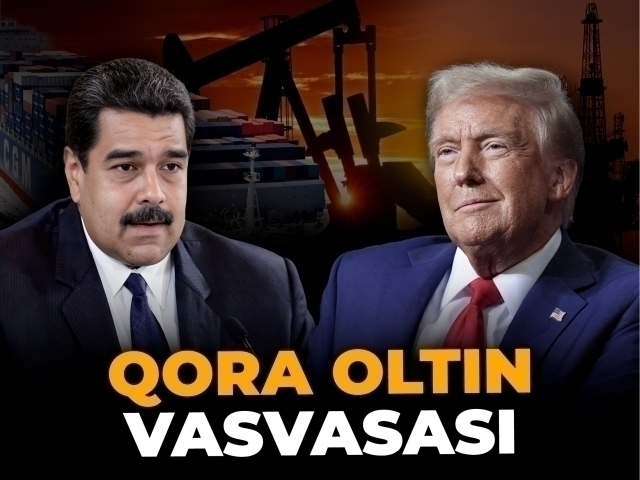
Дунё эътибори Россия-Украина можароси билан банд бўлиб турган бир пайтда, ғарбий яримшарда янги уруш етилиб бормоқда. АҚШнинг амалдаги президенти Доналъд Трамп давлатини яна “ғарб полициячиси” позициясига қайтармоқчи кўринади.
Хўш, бироз олдин тинчлик бўйича Нобель мукофотига даъво қилаётган Доналъд Трамп энди Венесуэлага қарши уруш бошламоқчими? Энди ким “Тинчлик истовчи раҳбар”?
Жорий йилнинг 23 октябрида АҚШ Президенти Доналъд Трамп Венесуэладан келаётган гиёҳванд моддалар контрабандачиларига қарши қуруқлик ҳужумини уюштириши мумкинлиги ҳақида хабар берган эди. Бу, ўз навбатида, мамлакат ҳудудига қўшин киритишини билдиради. Анчадан бери турли конфликтлар туфайли икки давлат ўртасидаги таранглик, охир-оқибат қурол кучи билан ҳал қилиниши мумкин.
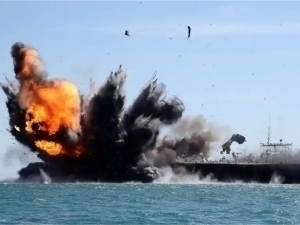
Сўнгги маълумотларга кўра, 24 октябрь куни Америка ҳарбийлари Венесуэладан келаётган, наркотик моддалар ташиётган, деб тахмин қилинган кемани халқаро сувларда портлатиб юборди. Кейинчалик унда 6 киши ҳалок бўлгани ва қайиқ наркокартелга тегишлилиги ҳақида далиллар топилгани маъум қилинган, аммо далиллар оммага тақдим қилинмаган.
24 октябрь куни эрталаб АҚШнинг Уруш вазири Пит Хегсет сўнгги зарбани эълон қилар экан, ҳужум нишони Кариб денгизида гиёҳванд моддалар савдоси билан шуғулланувчи Tren de Aragua томонидан бошқариладиган, террористик ташкилот кемаси эканлигини даъво қилди. Сентябрь ойи бошидан бери Трамп маъмурияти, гиёҳванд моддалар ташиётган кемаларга 10 марта зарба берган ва 43 та одам портлашлар оқибатида вафот этган.
.png)
Шунга қарамай, Вашингтоннинг таҳдидлари янада кучаймоқда. 25 октябрга келиб, Кариб ҳавзасига дунёдаги энг йирик самолёт ташувчи кема – Jerald R. Ford’ни юборди.
“Танловимиз – тинчлик, абадий тинчлик. Илтимос, бу ақлсизларча урушга чек қўйинг!”, дея мурожаат қилди ушбу таҳдиддан хавотирга тушгaн Венесуэла президенти Николас Мадуро.
Тарихий зиддият?
Аслида АҚШ ва Жанубий Америка давлатлари билан муносабатлар ҳеч қачон яхши бўлмаган. Сабаби Вашингтон узоқ муддат Кариб ҳавзаси ҳамда унга туташ ҳудуддаги қитъа даватларини ўзининг “орқа ҳовлиси” деб билган ва уларнинг сиёсатига доимий равишта таъсир кўрсатиб келган. 1933 йил Франклин Делано Рузвельт даврига келиб эълон қилинган “Яхши қўшничилик сиёсати” ортидан Жанубга бир мунча эркинликлар берила бошлаган эди. Аммо Совуқ урушнинг бошланиши коммунизмга қарши курашиш фонида АҚШнинг Лотин Америкаси давлатлари сиёсатига аралашувларни яна ортишига олиб келди. Гарчи Совуқ урушнинг якунланиши вазиятни мўътадиллаштирган бўлса-да, кўп соҳаларда Жанубий Америка мамлакатлари АҚШга қайсидир миқдорда қарам бўлиб қолди.
Айнан Венесуэла билан муносабатларнинг таранглашиши 1999 йили президентликка келган Уго Чавес билан боғлиқ. Ҳокимиятга келган янги раҳбар дастлаб АҚШ билан дўстона алоқада бўлган, демократик ўзгаришлар, коррупцияга қарши курашиш бўйича ислоҳотлар қилишга ваъда берган эди. Аммо, Чавесга қарши 2002 йил бўлиб ўтган ҳарбий тўнтариш икки давлат орасидаги муносабатларнинг кескинлашишига олиб келди. Ҳарбий тўнтариш муваффақиятсизликка учраган бўлса-да, АҚШнинг мухолифат билан алоқаси борлиги ҳақида гумонлар, Чавес маъмуриятини “катта оғасининг” таъсиридан қочишга урунишига сабаб бўлди.
.png)
Кўп ўтмай, у нефть экспорти каналларини АҚШдан Россия ва Хитой томонга бурди. Жорж Буш маъмуриятини “империолистик куч” деб атади, Вашингтон эса “Чавесни авторитар раҳбар”, деб танқид қилди. Шу аснода икки давлат ўртасида улкан жарлик вужудга келган эди.
Ўртадаги совуқ алоқалар 2013 йилда Чавеснинг ўлимидан кейин презедентликка келган Николас Мадуро даврида ҳам давом этди. У ҳам АҚШдан узоқлашиш сиёсатини давом эттирди, Россия, Эрон, Хитой каби “Анти-Америка” мамлакатларига яқинлашиш йўлидан борди. Албатта, Венесуэланинг бу ҳаракатлари Оқ уйга маъқул келмади ва Мадуро маъмуриятига нисбатан кўплаб санкциялар эълон қилинди, мухолифатни кенг қўллаб-қувватлади. 2019 йилги сайлов натижалари сохталаштирилгани ҳақидаги шубҳалар ортидан АҚШ оппозиция номзоди Хуан Гуайдони президент деб тан олди ва Мадуро ҳокимияти АҚШ билан алоқаларни бутунлай узди.
Жо Байден даврига келиб муносабатлар қисман юмшай бошлади, Мадурога нисбатан санкциялар камайиб, дипломатик алоқалар тикланаётган эди. Бироқ, 2024 йил июль ойида Венесуэладаги президентлик сайловлари, Мадуронинг ҳокимиятни узурпация қилиши, АҚШда эса ноябрдаги сайловлар натижасида Трампнинг президент этиб тайинланиши, энди яхшиланаётган алоқаларни қайта кескинлашишига сабаб бўлди.
Албатта, муносабатлардаги таранглик фақат сиёсий доиралардагина эмас, геосиёсий ва геоиқтисодий конфликтлар бу икки давлатни илиқ қўшничилик олиб боришига йўл қўймади. Маълумки, Венесуэла дунёдаги энг катта нефть захирасига эга мамлакат. Ер шаридаги энг катта олтин конларидан бири ҳам айнан Венесуэлада жойлашган. АҚШ эса “бурнининг остидаги” бу бойликни бошқаларга бериб қўйгиси келмас эди.
1920 йилга келиб АҚШнинг энг йирик нефть қазиб олувчи корхоналаридан бири Чеврон Венесуэлада нефть қидирув ишларини бошлаб юборди. Маракаибо кўрфази ҳамда Оринико камарида кенг кўламли қазишма ишлари олиб борилди, қазиб олинган нефтни Осиё, Лотин Америкаси мамлакатларига, АҚШ ва ҳатто Венесуэланинг ўзига ҳам пуллади. Амон, ўтмай Венесуэла раҳбари Чавес мамлакатдаги нефть саноатини миллийлаштириш сиёстини бошлади. Бу эса АҚШнинг жиддий норозилигига сабаб бўлди ва давлатлар ўртасида муносабатлар кескинлашишига олиб келди.
.png)
Унда ташқари турли мустақил гуруҳлар томонидан Чевроннинг экологияга келтираётган зарарлари қаттиқ танқид остига олина бошлаган эди. Катта ҳажмдаги нефтни қазиб олиш тўғри тизимлаштирилмаслиги оқибатида баъзи ҳудудларда нефть сизиб чиқиши ҳолатлари, фойдаланиб тугатилган қудуқлар қайта тўлдирилмаслиги, сув ва ер ресурсларининг ифлосланиши кузатилди. Бу ҳақида EarthRight Interntional, OilWatch Latin Amerika каби халқаро ташкилотлар БМТга гувоҳлик хати билан чиқишди. Натижада АҚШнинг йирик нефть экспортёрининг Венесуэладаги операциялари вақтинча тўхтатилди.
Бундан ташқари, ХХ аср охирларига келиб Колумбия ва Венесуэладаги ҳокимиятнинг заифлиги фонида гиёҳванд моддалар билан савдо қилувчи жиноий гуруҳлар мамлакат сиёсатида катта аҳамият касб эта бошлади. Маҳаллий бозорларда сотув қобилиятининг пастлиги туфайли наркокартелларга бошқа бой харидорлар зарур бўла бошлади. Натижада, наркотик моддалар қўшни мамлакатларга ноқонуний киритлаётгани аниқланди. АҚШ эса бунга қарши курашиш баҳонасида Венесуэла маъмурятига жиддий босимлар бериб келмоқда.
Сиёсий ва иқтисодий келишмовчиликлар АҚШ–Венесуэла муносабатларини жар ёқасига олиб келиб қўйди. Очиқчасига ҳарбий тўқнашувлар ҳали содир бўлмаган бўлса-да, АҚШ денгизда Венесуэла кемаларига ҳужум қилишни охирги пайтларда канда қилмаяпти.
.jpg)
АҚШ ҳужумининг таъсири
“The Washington Post” нашри берган малумтларга кўра, АҚШ президенти Дональд Трамп Марказий разведка бошқармасига (CIA) Венесуэлада яширин операцияларни ўтказишга рухсат берган. Интернетга чиқарилган янгиликларда Венесуэла ҳарбийлари Марказий разведка бошқамасининг бир гуруҳ ёлланма аскарларини ҳибсга олгани айтилган. Reuters саҳифасидаги маълумотларга кўра, улар сохта байроқ ҳужумига тайёрланаётган бўлган.
“LatinTimes”да чиққан хабарлар эса вазият анча жиддий ҳолга келиб қолгани, АҚШ махфий кучлари аллақочон Венесуэла давлат раҳбарини нишонга олганини билиш мумкин. Хабарда Мадуронинг шахсий самолёти учувчиларидан бирига АҚШ агенти бир неча бор мессенжерлар орқали алоқага чиққани, Президентни Пуэрто-Рико, Доминикан Республикаси ёки Гуантанамо (АҚШ базаси)га қўндиришни таклиф қилган. Эвазига катта пул ва “ўз халқининг чексиз севгисига” эга бўлишини таклиф қилган. Аммо учувчи таклифларни рад этиб келган ва сентябрдаги суҳбатдан сўнг рақамни блоклаган. Бундан ташқари, АҚШ Венесуэла Президенти Николас Мадурони ҳибсга олишга ёрдам берадиган маълумот учун 50 млн доллар мукофот ваъда қилганди.
Наркокортелга қарши очилган уруш Мадуро ҳокимиятига ҳам кўчганига анча бўляпти. Николас Мадуро ҳокимиятга келиши мамлакатнинг нафақат АҚШ билан сиёсатида, балки ички ижтимоий ҳолатнинг ҳам кескинлашувига сабаб бўлди. Унинг ҳокимиятни ноқонуний ўзида сақлаб қолиши, халқнинг озиқ-овқат ва фундаментал ҳуқуқлари борасидаги азалий муаммолар туфайли мамакатда мухолифат тамомила кучайиб бормоқда. Тинчлик бўйича Нобель мукофотининг Венесуэла мухолифати етакчиларидан бири Мария Мачадога топширилиши ҳам кенг омманинг эътиборини мамлакатдаги адолатсиз тизимга қаратишни кўзда тутган эди.
АҚШ ҳам анчадан буён мухолифатни қўллаб келмоқда. Бу шуни англатадики, агар ҳужумлар қуруқликка кўчса, асосий вазифа Мадурони ағдариш ва ўрнига Вашингтон ўз йўриғига сола оладиган шахсни қўйиш бўлиб қолади. Бу эса катта эҳтимол билан оппозицион гуруҳ номзоди бўлади. Ўз навбатида, АҚШдан кейин мамлакатда демократия тамойиллари нисбатан қайта тикланиши, аҳолининг яшаш шароитлари яхшиланиши, тинчлик ўрнатилиши мумкин. Аммо АҚШ олиб келган раҳбар хоҳлайдими, йўқми Америка манфаатларини ҳисобга олиб иш юритиши керак. Ҳар қандай қарор Пентагон розилиги билан қабул қилиниб, АҚШ манфаатига тўғри келмайдиганлари жорий этилмай қолиб кетади.
Бундан ташқари, мамлакатнинг табиий бойликларидан кенг кўламли фойдаланиш бошланади.
“The Wall Street Journal” берган маълумотга кўра, Трамп Чевронга Венесуэлада нефть қазиб олишга лицензия берган. Агар АҚШ Венесуэлада ўз мақсадига эриша олса, мамлакатнинг табиий бойликларидан эркин фойдаланиши мумкин бўлади. Колумбия университетининг Барқарор ривожланиш маркази директори Жеффри Сакснинг таъкидлашича, АҚШнинг Венесуэлага нисбатан олиб бораётган кескин сиёсати наркокартелларга қарши кураш билан боғлиқ эмас, аслида Вашингтон Венесуэла нефтидан фойдаланиш имконига эга бўлишни хоҳлайди.
Венесуэлага босимлар олиб бориш билан параллель равишда Трампнинг Россия нефть компанияларига санкциялар эълон қилиши, АҚШнинг эски сиёсий ўйинни қайта бошлаганидан далолат бермоқда. Бутун дунёни Россиядан нефть сотиб олмасликка чорлаётган АҚШ яқинда Россиянинг энг йирик нефть экспортёрлари Лукойл ва Роснефтга санкциялар эълон қилгани кўпчиликнинг ёдида бўлса керак. Урушни тўхтатиш баҳонасида бутун дунёни Россия нефтидан воз кечишга ундаб, ундан ҳосил бўлган эҳтиёжни Венесуэладан қазиб олинган нефть билан қондириш АҚШ ғазнасига сезиларли даромад олиб келади.
Умумий картинада гиёҳванд моддалар ва нодемократ ҳукуматга қарши курашаётган Трамп маъмурияти аслида ўзининг “эски қимматбаҳо ўйинчоғини” қайтариб олмоқчи. Бутун дунё техник қудрат пойгасида беллашаётган бир пайтда, МАГАчилар худди эски даврлардагидек яна нефть захиралари учун уруш бошламоқда.

Live
All