“Табиий газ сарфи 7 млрд кубга камаяди”. Янги қувватлар ишга туширилди
Local
−
05 December 2025 7340 2 minutes

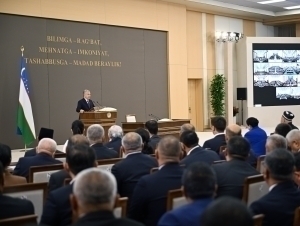
Бугун, 5 декабрь куни Тошкент шаҳрида Президент Шавкат Мирзиёев иштирокидаги маросимда қарийб 11 миллиард долларлик 42 та янги қувват ва инфратузилма объектлари ишга туширилди, яна 21 та янги лойиҳа қурилишига старт берилди.
Ўзбекистон ҳудудларида жами 3 минг 500 мегаваттли 16 та қуёш, шамол, иссиқлик ва гидростанция фойдаланишга топширилди. Улар тўлиқ қувватда ишлай бошлагач, йилига 15 миллиард киловатт-соат электр генерация бўлади. Натижада келгуси йилда “яшил” энергия ишлаб чиқариш ҳажми 23 миллиард киловатт-соатга етказилади.
“Эътибор беринг, бу Ўзбекистон аҳолисининг йиллик электр энергия истеъмоли тўлиқ қопланади деганидир”, деди Президент.
Энг муҳими, “тоза” энергия ҳисобига табиий газ сарфи салкам 7 миллиард куб метрга камаяди. Атмосферага 11 миллион тонна зарарли моддалар чиқишининг олди олинади.
Шунингдек, 1 минг 245 мегаваттли 10 та энергия сақлаш тизими ҳам ишга туширилмоқда. Бу энергия энг кўп истеъмол қилинадиган тиғиз вақтларда қўшимча 1,5 миллиард киловатт-соат электр энергиясини тармоққа узатиш имконини беради. Фойдаланишга топширилаётган 11 та йирик подстанция ва 420 километр юқори кучланишли тармоқлар тизимнинг барқарор ишлашига хизмат қилади.
Президент электр энергиясига ошиб бораётган эҳтиёжни қоплаш учун 2030 йилгача қўшимча 17 минг мегаваттдан ортиқ қайта тикланувчи энергия қувватларини ишга тушириш муҳимлигини таъкидлади. Натижада “яшил” энергиянинг жами генерациядаги улуши 54 фоизга етказилади.
Бугун Қорақалпоғистон Республикаси, Бухоро, Қашқадарё, Тошкент вилоятларида 3 миллиард 300 миллион доллар бўлган 3,5 минг мегаваттли “яшил” қувватларга старт берилаётгани бу йўлдаги катта қадам бўлади. Янги қувватларни ягона энергия тизимига боғлаш учун юқори кучланишли 6 минг километр тармоқлар тортилади. Хусусан, келгуси йилнинг ўзида 1 минг километр тармоқлар ўтказилиб, подстанцияларда 6 минг мегаватт қўшимча қувватлар яратилади.

Live
All23 October