Ташна: қарзга сув ичаётган қишлоқ
Local
−
14 July 2025 12824 5 minutes
Ўзбекистоннинг айрим ҳудудларида одамлар сувни бир-биридан қарзга олади ёки ичимлик суви учун бир, икки, уч, ҳатто ўн километрлаб йўлни босиб ўтади, сув учун бир-бири билан жанжаллашади, навбат кутиб кунни кеч қилади, ичимлик суви таший олмаганлар эса шўр сувни ичади, десак ишонасизми? Жиззах вилояти Ғаллаорол тумани Найман қишлоғи аҳолиси узоқ йиллардан бери мана шундай тақдирга маҳкум.
QALAMPIR.UZ ўз анъаналарига содиқ қолган ҳолда шундай муаммо гирдобида яшаётган найманликлар дардига қулоқ тутди. Аҳоли вакилларининг айтишича, улар икки-уч кунда қўшни қишлоқларга 6-7 километр йўл босиб сув ташийди. Сув таший олмаганлар эса челаклаб сув сотиб олади.
“Узоқ, 23 километр Тозауруғ қишлоғидан ташийдиганлар, техникаси борлар боради. Буёғи Молтобга боради 7 километрга, 4,5 километрга Узумзор қишлоғига боради, Хонақоҳга боради 1,5–2 километрга. Шуни ҳам ичганлар ичади. Иложи йўқлари шўр сув ичмоқда. Шу муаммо, бизни бир неча йилдан бери сув муаммоси қийнайди. Ўзимиз бир чойнак бировдан олсак, қарзга оламиз. Сув қарзга олинади бизнинг қишлоқда”, дея ўз муаммосини баён қилди қишлоқ оқсоқоли Акмас Усанов.
“Ҳозир Мўллабулоққа 7-8 километрга бориб келяпман. Яхшиям битта укамнинг машинаси бор экан, шунга идишларни ортиб, Мўллабулоққа бориб, шу ердан сув олиб қайтдим. Мана бу ерга яна туширдим-да, аравага ортиб амаллаб олиб келяпман. Кранда уч кун сув бўлмайди, дейишяпти. Мўллабулоқда сув чиқяпти, лекин кам. Узумзорда ҳам ўзининг одамлари кўп – баклашкалаб сув олиб ётибди. Эрталаб соат 7:10 да йўлга чиққан эдим. Соат 10 бўлди. Эрталаб чиқсак, туш пайтгача юрамиз-да. Энди қийналганда қайтамиз, сув керак-ку ”, деди эшак аравада сув ташиётган Мамаражаб ота.
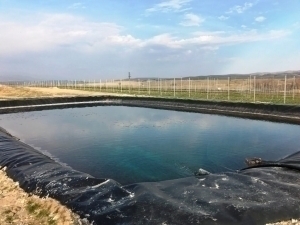
Найман қишлоғи аҳолиси ювиниш учун қудуқдан, шўр сувдан ишлатади. Рўзғор учун керакли сув ҳам деярли шўр сув ҳисобидан қопланади. Фақат ичиш ва овқат учунгина олиб келинадиган ва асраладиган тоза сув эса анқонинг уруғи. Шу сабабли баъзан ичиш учун ҳам қудуқлардаги шўр сув ишлатилади. Бунинг, албатта, соғлиққа зиёни бор ва буйракда тош йиғилиши каби турли касалликларни келтириб чиқаради.
“Касалликларни келтириб чиқаради, энди чиқарган билан мажбур-да шу сувни ичишга”, дейди 60 ёшлар атрофидаги Сайёра момо.
Бу, айниқса, ўғли ва эри чет давлатларда муҳожир бўлган кексалар ва ёш болали аёллар учун ҳақиқий синовнинг ўзи.
“Қишлоқда бир-иккита “муравей” бор, қариялар ҳам пенсияси келиб қолса, пенсиясидан бериб, шуларга олиб келтиртиради. Улар шўр сув ича олмайди. Соғлиги кўтармайди”, дея ўз қишлоғи одамларнинг азалий ташвишидан сўз очди Ёқуб деҳқон.
Сувсиз қолган найманликларга бошқа қишлоқ аҳолиси имкон қадар ёрдам бериб келади. Аммо сув текин эмас. Шу сабабли баъзан эътирозлар ҳам бўлиб туради. Буни қишлоқ кексаларига сув ташиб берувчи Жамшид Элмуродов ҳаммадан ҳам кўпроқ билади.
“Эътирозлар мана Болғали қишлоғида бўлади. Бу Молтобдаги оғайнилар дуруст, улар унча эътироз билдирмайди. Аёлларнинг айримлари гапирмаса, қолганлар унча гапирмайди. Болғалидаги аёлларни ҳам тушунаман. Уларнинг ўзларига ҳам сув керак. Уларда сув бир кунда икки соат чиқади – эрталаб ва кечқурун. Мана шу вақт ичида улар ҳам ўзларига керакли сувни олишга улгуришлари керак”, деди Элмуродов.
Ўзбекистоннинг 2030 йилгача белгиланган давлат дастурига кўра, келгуси йилларда мамлакатда 1,8 минг километр ичимлик ва оқова сув тармоқлари, 77 та ичимлик ва оқова сув иншоотлари қурилиши ва реконструкция қилиниши мўлжалланган. Хўш, ичимлик суви билан таъминланиши белгиланган ҳудудлар орасида Найман қишлоғи ҳам борми? Афсуски, йўқ. Масъул шахснинг айтишича, Ғаллаоролда бундан ҳам оғир қишлоқлар бор.
“Ғаллаорол тумани Найман қишлоғини келиб ўрганиб чиққанимизда, шу нарса аниқ бўлдики, ҳозир бу қишлоқда ҳақиқатан ҳам ичимлик суви мавжуд эмас. Аҳолиси ташиб ичиш билан шуғулланган. Қишлоқнинг олтита кўчаси, 1600 хонадони бор экан. Сув бўйича биз таклифларни беряпмиз. Лекин шу бугунги кунда бунданда оғир ҳудудларимиз бор. Оғир ҳудудларимизнинг ичига имкон борича кириб, сув билан таъминлаш чорасини кўрамиз”, деди “Ўзсувтаъминот” Ғаллаорол туман филиали бош муҳандиси Шерзод Абдусаломов.
Лекин бу ишлар 34 йилдан бери амалга оширилмаган. 34 йилдан бери аҳоли оддийгина ичимлик сувини умуман узоқ ҳудудлардан ташиб истеъмол қилади. Бу ташкилот учун муаммони ҳал қилишга етарли муддат эмасми?
“34 йил... Бизнинг ташкилотгача мана яқин бир йил, ўтган йили, мана шу йилларга келиб мурожаатлар келиб тушяпти. Улар шу вақтгача ўзларининг... Қандай десам экан, бу ер тагидаги суви шўрлашиш жараёни сабабли ичимлик суви танқислиги юзага келган шу пайтгача. Энди ичимлик сувига муҳтож бўлгани учун мурожаатларимиз кўпайди. Шу мурожаатларга асосан таклифларимизни бериб, сув тортиш чораларини кўряпмиз”, деди у.
“Ўзсувтаъминот” масъули Найман қишлоғи аҳолисининг ичимлик суви билан боғлиқ муаммоси бартараф этилиши ҳақида аниқ ваъда бермай, фақатгина ҳаракат қиламиз, деган гап билан чекланди. “Қачон бу ҳудуд сув билан таъминланади? Қайси йили?”, деган саволга Шерзод Абдусаломов қуйидагича жавоб берди:
“Бу бўйича таклиф берамиз. Асосий таклифимиз тасдиқдан ўтса, чораси кўриб чиқилгандан кейин. Уч йиллик таклифни олдиндан берамиз, шунга қараб қўйилади”.
Аммо аҳоли, одамларнинг кўпчилиги бу ечимларга унчалик ишонмаяпти. Улар давлат дастуридан умид қилмоқда. Бу аҳоли учун энг мақбул ечим, фақат амалга ошса.
Қишлоқ оқсоқолининг маълум қилишича, муаммо бўйича туман ҳокимига бир неча бор мурожаат қилинган. Аммо йиғилишларда “Бўлади, бўлади”, фақат “бўлади”дан бошқа ҳеч гап бўлмаган, ҳеч ким келмаган, ҳеч ким учрамаган ҳам.
Туманни эса нақ 5 йилдан бери, яъни 2018 йилдан бери Жалолиддин Оқбоев бошқариб келади.
Бу муддат ичида Оқбоев қишлоқлардаги муаммоларга, айниқса, ичимлик суви билан боғлиқ бўлган муаммоларга ечим топиши мумкин эди. Аммо нима учун қишлоқлар узоқ йиллардан бери ичимлик суви муаммоси билан яшашга мажбур бўляпти?
“Одамлар бундан кейин ҳам яшайверади. Мана давлат дастурига қанча нарсалар кириб келяпти, бошқа қиляпти. Шундай эшитдим, одамлар шундан келиб қолар экан деяпти. Бўлмаса, одамлар бундан кейин ҳам яшайди, аввал ҳам яшаган. Фақат қийин. Ҳа, фақат қийин”, деди Мамаражаб ота.

Live
All