Шифокорлар сонида ҳам, молиялаштиришда ҳам муаммо йўқ. Лекин, сифат-чи? – Мирзиёев
Local
−
07 May 2025 7318 2 minutes
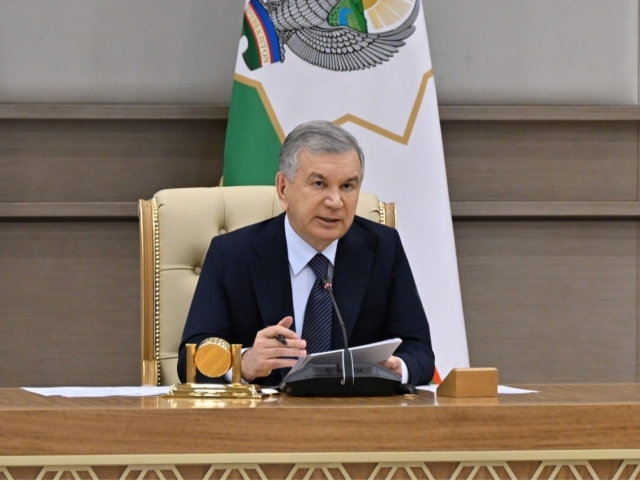
Сўнгги 7 йилда Ўзбекистонда тиббиётга ажратилаётган маблағ 6 карра ошган ва жорий йилда 42 триллион сўмга етган. Бу ҳақда бугун, 7 май куни Президент Шавкат Мирзиёев раислигида ўтаётгани тиббиёт соҳасидаги ислоҳотларнинг навбатдаги босқичида турган устувор вазифалар муҳокамасига бағишланган видеоселектор йиғилишида маълум қилинди.
Билдирилишича, маҳалладаги бирламчи бўғин билан ихтисослашган хизматларни боғлайдиган комплекс тизим яратилди. Илгари фақат пойтахтда бажарилган 400 дан ортиқ юқори технологик амалиёт вилоят ва туманларда ўтказилмоқда. Биргина буйрак кўчириш амалиёти кунига 2 тадан бажарилмоқда.
Мамлакатда ҳар ўн минг аҳолига 27 нафар шифокор тўғри келади. Бу АҚШ, Буюк Британия, Финляндия билан бир хил кўрсаткич. Туркия ва Канадада бу рақамлар 1,5 баравар кам.
“Кўриб турибсиз, бизда тиббиёт ходимлари сонида ҳам, молиялаштиришда ҳам муаммо йўқ. Лекин, сифат-чи? Бу борада эътирозли саволлар жуда кўп”, деди давлат раҳбари.
Қайд этилишича, Ўзбекистонда юқумли бўлмаган касалликлар иқтисодиётимизга ҳар йили 1 миллиард доллар зарар келтириши ҳисоб-китоб қилинган. Тез ёрдамдаги жами чақирувларнинг тўртдан бири сурункали касалликлари бор беморларга тўғри келмоқда.
Масалан, Фарғонадаги 12 та маҳаллада ўтказилган ўрганишда ҳар 10 нафар бемордан 8 нафари оилавий шифокорни четлаб ўтиб, шифохонага ёки хусусий клиникага бораётганини айтган. Хоразмда эса беморлар оилавий шифокорни эмас, тез ёрдамни афзал кўряпти. Содда қилиб айтганда, тез ёрдам худди поликлиникадек бўлиб қолган.
Андижон, Наманган ва Самарқанд шаҳрида поликлиника шифокори кунига 50-60 нафар беморни қабул қилаяпти. Бу ҳеч қандай тиббий стандартларга тўғри келмайди. Бухорода оилавий шифокорлар профилактика, скрининг ва даволаш билан шуғулланиш ўрнига беморни шифохонага йўналтирувчи “диспетчер” бўлиб қолгани қайд этилди. Бу масалаларни на соғлиқни сақлаш масъуллари, на ҳокимлар ўйлаб кўрмагани қайд этилди.

Live
All