Шавкат Мирзиёев Тошкент шаҳри қўриқлаш хизмати фаолияти билан танишди
Local
−
27 January 9027 5 minutes
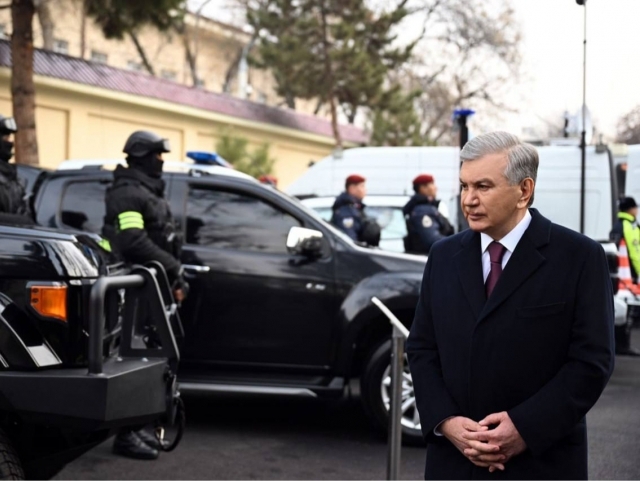
Бугун, 27 январь куни Президент Шавкат Мирзиёев Тошкент шаҳри ички ишлар бош бошқармаси ҳузуридаги қўриқлаш хизмати фаолияти билан танишди. Бу ҳақда Ўзбекистон етакчисининг матбуот хизмати хабар берди.
Қайд этилишича, мамлакатда аҳолининг тинч ва осойишта ҳаёти ҳамда мол-мулки дахлсизлигини таъминлашга алоҳида эътибор қаратилиб, илғор хорижий тажриба асосида замонавий ёндашувлар жорий этилмоқда. Ички ишлар вазирлиги ҳузуридаги Қўриқлаш департаментига қўйилган асосий вазифалардан бири ҳам айнан шу саналади.
Давлат раҳбарининг 2025 йилдаги тегишли фармон ва қарори ижроси доирасида Қўриқлаш департаменти Миллий гвардиядан ички ишлар органлари тизимига ўтказилган. Ушбу фармон ва қарорда белгилаб берилган вазифаларни амалга ошириш мақсадида аниқ режалар ишлаб чиқилиб, тегишли чоралар кўрилган.
Техник қўриқлашни ташкил этиш ва аҳолига техник қўриқлаш хизматларини кўрсатишнинг янги тизимлари жорий этилган.
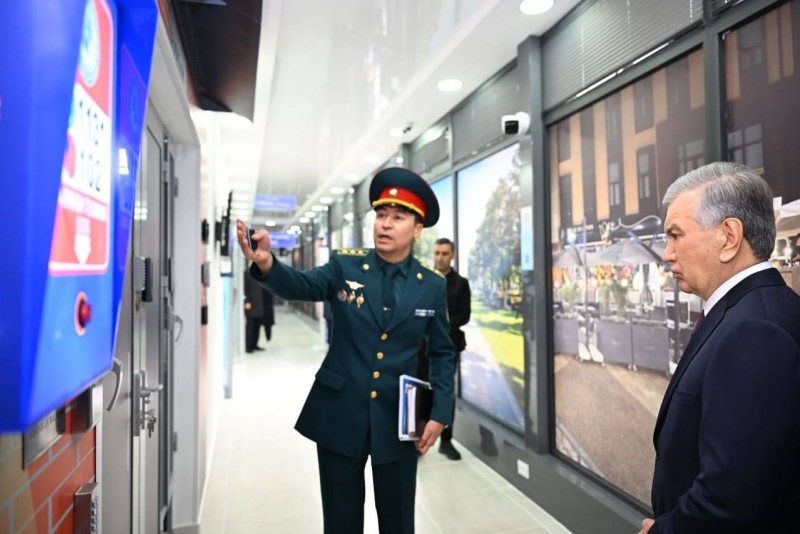
Хусусан, кўп қаватли уйларнинг йўлакларига “ташвиш” тугмаларини ўрнатиш орқали қўриқлаш нарядларининг қамрови остидаги хонадонлар сони кескин оширилган, ҳимоя ордери берилган аёлларнинг хавфсизлигини таъминлаш амалиёти йўлга қўйилган.
Объект ва хонадонларни қўриқловга олиш ишларида ички ишлар органларининг тегишли хизматлари билан ҳамкорлик тизими йўлга қўйилган. Натижада қўриқланаётган объектларнинг сони йил давомида 99 фоизга, қўриқдаги хонадонларнинг сони эса 118 фоизга ошган. Техник қўриқлаш марказларининг сони 19 фоизга, уларга хизмат кўрсатувчи тезкор ҳаракатланувчи гуруҳларнинг сони эса 15 фоизга ошган.
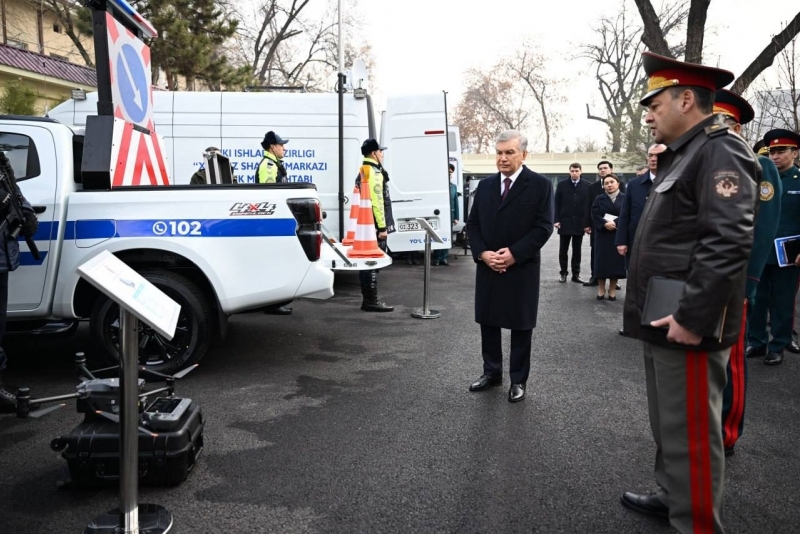
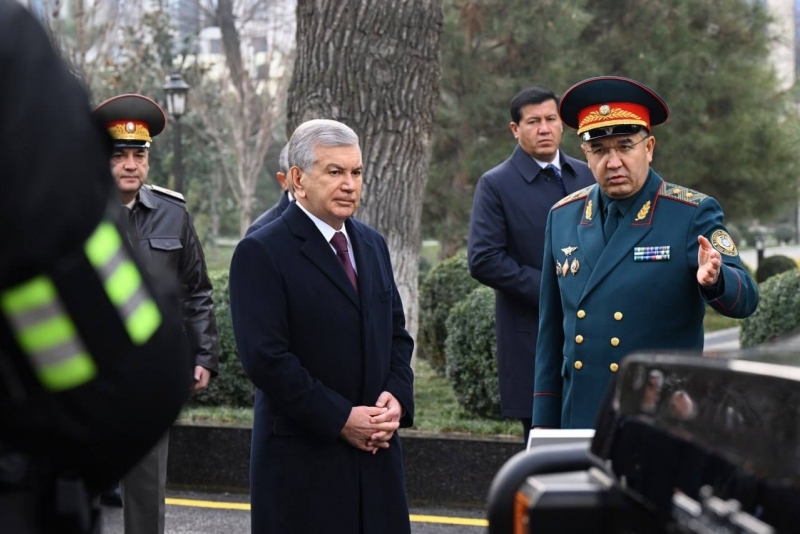
Давлат раҳбари хизмат биноси ҳовлисида хизматда қўлланилаётган махсус техника воситалари, дронлар манёври, жамоат тартибини сақлашга жалб этиладиган транспорт воситаларини кўздан кечирган.
Сўнг қўриқлаш техника воситаларининг кўргазмали тақдимоти билан танишилган. Бу ерда “Хавфсиз шаҳар” концепциясини жорий этиш ва уни изчил ривожлантириш бўйича амалга оширилаётган ишлар ҳақида атрофлича ахборот берилган.
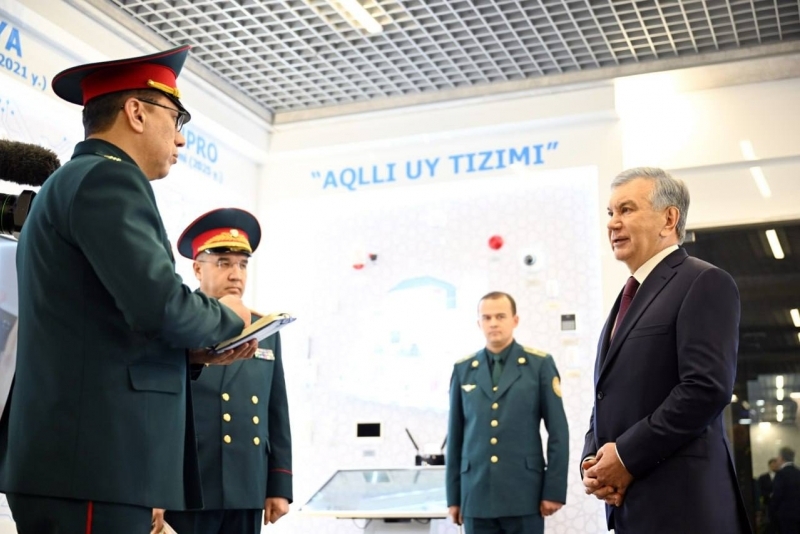
Давлат раҳбарининг 2023 йилдаги тегишли қарори билан белгиланган аниқ механизмлар амалиётга жорий этилиши натижасида республика миқёсида “Хавфсиз шаҳар” концепцияси босқичма-босқич татбиқ этилмоқда. Кўргазма майдончасида юридик ва жисмоний шахсларнинг талаб ва эҳтиёжларидан келиб чиққан ҳолда ўрнатилган видеокузатув тизимлари ҳамда турли хил камераларнинг реал вақтда ишлаш жараёни намойиш этилган, уларнинг техник имкониятлари тушунтирилган ва амалий тавсиялар берилган.
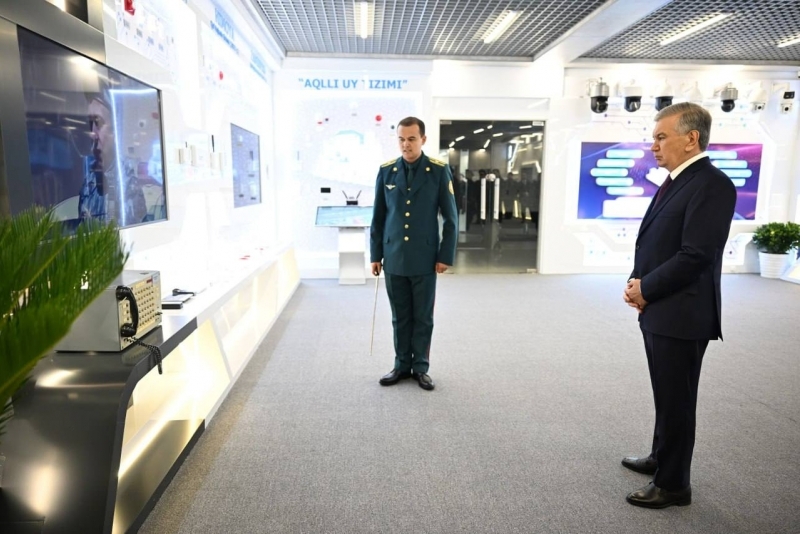
Тақдимот доирасида айланма камералар, юз қиёфасидан шахсни аниқловчи камералар ҳамда давлат рақам белгисини аниқловчи камераларнинг имкониятлари кўрсатилган. Ушбу техник воситалар маҳаллалар, жамоат жойлари, объектлар, таълим муассасалари, шунингдек, шаҳар ва туманларнинг кириш-чиқиш нуқталарига ўрнатилмоқда.
Бугунги кунда барча ҳудудий ички ишлар бошқармаларида сунъий интеллект асосида ҳудудларни онлайн кузатиш, тезкор қидирув ишларини олиб бориш, куч ва воситаларни бошқариш ҳамда жиноятларни “иссиқ изидан” фош этишга хизмат қилувчи “Қалқон” ахборот тизими тўлиқ ишга туширилган.
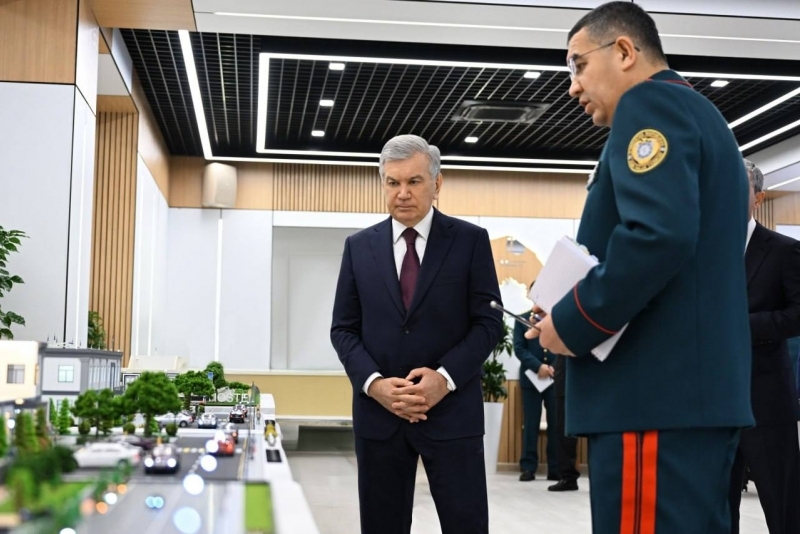
Давлат раҳбари ички ишлар ва қўриқлаш хизмати ишларни маҳалладан бошлаши, хонадонларнинг ҳолатини ўрганиб, уларнинг хавфсизлигини таъминлаши зарурлигини алоҳида таъкидлаган. Тошкент мегаполис шаҳар эканини инобатга олган ҳолда, қонунбузарлик ва жиноят омилларини мунтазам таҳлил қилиш кераклигига эътибор қаратган.
“Хавфсиз шаҳар” концепцияси доирасида ягона платформа, 13 та маълумотларни қайта ишлаш маркази, ягона электрон харита, 42 минг 750 та интеллектуал камера ҳамда 17 та ёнғин хавфсизлиги мониторинги тизими фаолият юритмоқда. Ушбу тизимлар концепциянинг асосий таркибий қисмини ташкил этади.
Жорий йилда ҳам вазирлик ва идоралар билан ҳамкорликда интеллектуал транспорт тизимлари, автотураргоҳларни бошқариш, экологик ва сейсмологик мониторинг, шунингдек, фавқулодда вазиятларда огоҳлантириш тизимларини жорий этиш ва интеграциялаш ишлари давом эттирилаётгани маълум қилинган.
Ҳуқуқни муҳофаза қилувчи ва давлат органларининг “Хавфсиз шаҳар” ягона платформаси техник имкониятларидан уйғун фойдаланиши натижасида бир неча юз миллиард сўм бюджет маблағлари тежалаётгани қайд этилган. “Хавфсиз шаҳар” концепциясини жорий этиш бўйича Ўзбекистон тажрибаси халқаро даражада ҳам катта қизиқиш уйғотаётгани маълум қилинган.
Шу билан бирга, яратилган шарт-шароитлар натижасида Ички ишлар вазирлиги академиясида Рақамлаштириш департаменти учун замонавий талаблар асосида янги бино қурилиши бошлангани маълум қилинган. Йил якунига қадар тармоқ қамровини янада кенгайтириш, сунъий интеллект асосида камида тўртта янги тизимни платформага улаш ҳамда рақамлаштириш даражасини халқаро стандартлар даражасига олиб чиқиш режалаштирилган.
Президент ҳозирги кунда жиноятчилик шакллари ва омиллари ўзгараётгани, аммо уларга мос тизим ва чоралар етарли эмаслигини қайд этган. Айниқса, киберхавфсизлик йўналишида жиноятлар кўпайиб бораётгани ва ушбу хавфларни бартараф этиш бўйича ишлар жадаллаштирилмаса, аҳоли учун жиддий қийинчиликлар юзага келиши мумкинлигини таъкидлаган.
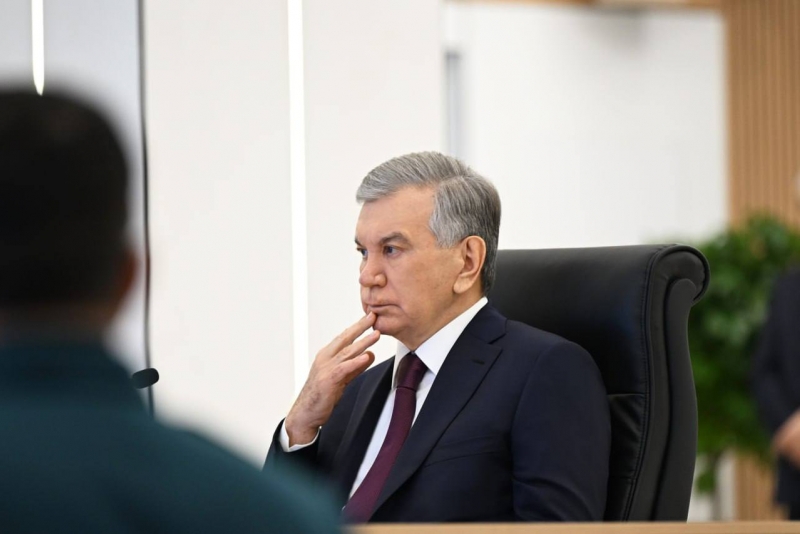
Бу борада салоҳиятли кадрлар етишмаслиги асосий муаммо экани, банк ва ички ишлар органлари ходимларининг билим ва малакасини ошириш, уларни мунтазам ўқитишга алоҳида эътибор қаратиш зарурлигини билдирган. Шунингдек, видеокузатув тизимларини жорий этишда уларни ўрнатадиган ва самарали бошқарадиган мутахассисларни тайёрлаш, даврий ўқувларни ташкил этиш муҳим эканини таъкидлаган.
Шундан сўнг Тошкент шаҳрида ташкил этилган “Хавфсиз кўча”, “Хавфсиз йўлак” ҳамда гастрономик йўлакларда жамоат хавфсизлигини таъминлаш бўйича амалга оширилаётган чора-тадбирлар билан ҳам танишилган.
Ташриф давомида Қўриқлаш хизмати ходимларини соҳа бўйича ўқитиш жараёни, профилактика инспекторлари билан ўтказилаётган амалий машғулотлар кўздан кечирилган.
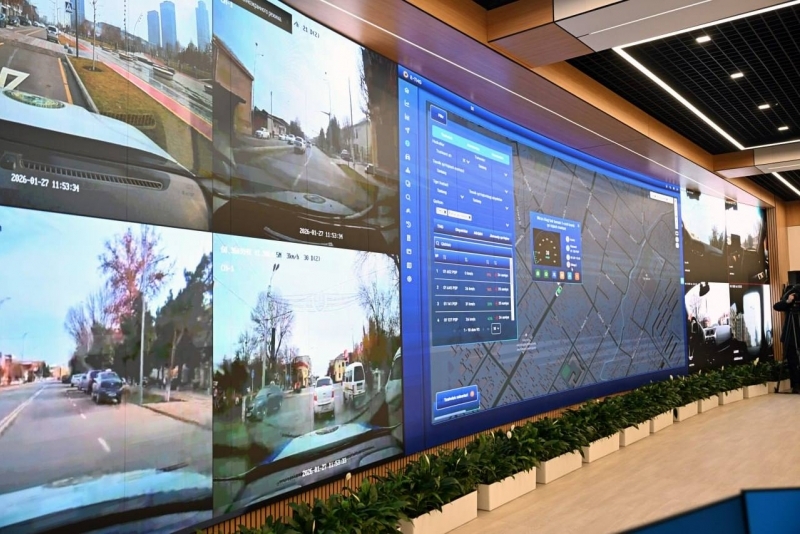
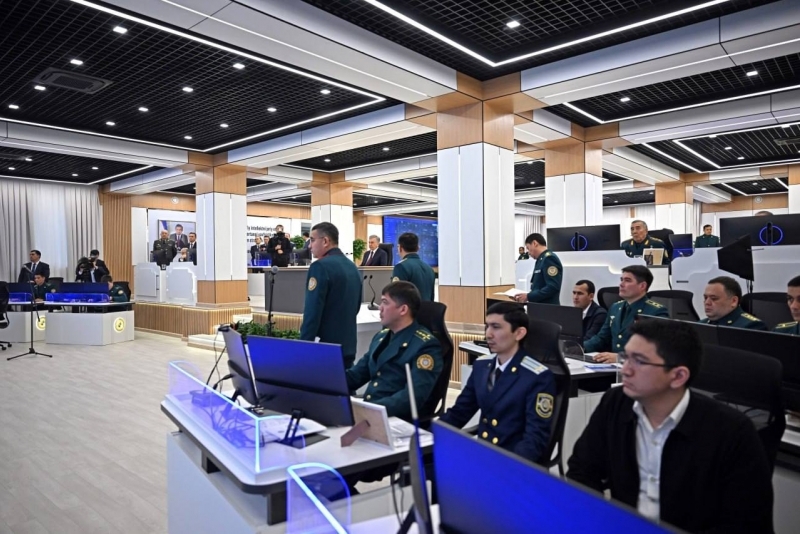
Давлат раҳбарига Ситуацион марказ фаолияти тақдимоти орқали хавфсизликни таъминлашда замонавий бошқарув ва мониторинг тизимларининг ўрни ҳақида маълумот берилган.
Ситуацион марказ Қўриқлаш хизматининг бўлинмалари ҳаракатларини назорат қилиш, мониторингини юритиш, тезкор ва фавқулодда вазиятларда Қўриқлаш хизмати куч воситаларини бошқариш, йўналтириш ва онлайн кузатиш мақсадида ташкил этилган.

Live
All