Уруш тугади. Бироқ Исроил тўхтамоқчи эмас
Review
−
15 June 7346 6 minutes
Ниҳоят, уч ойдан ортиқ давом этган АҚШ-Исроил ва Эрон уруши якунланди. Расмий равишда АҚШ ва Эрон ўртасида тинчлик келишувига эришилди. Ушбу келишув кўпригини аввалгидек Покистон Бош вазири Шаҳбоз Шариф қурди. Шу пайтгача Покистон воситачилигида АҚШ ва Эрон ўртасида сулҳга эришиш учун камида 4 та дипломатик уриниш бўлган. Бироқ, томонлар 19 июнь куни Швейцариянинг Женева шаҳрида бўлиб ўтадиган келишувни интиқлик билан кутмоқда. Хусусан, АҚШ президенти Дональд Трамп “Truth Social” ижтимоий тармоғидаги саҳифасида Эрон билан келишув якунланганини эълон қилиб, барчани табриклаган. Эрон Ташқи ишлар вазири Аббос Арроқчи эса, АҚШ ва Эрон ўртасидаги келишув рақамли тарзда ва масофадан туриб имзоланишини маълум қилган. Тинчлик келишуви, ҳатто Эрон давлат телевидениеси томонидан эълон қилинди. Яқин Шарқдаги ҳужумларнинг яна бир асосий иштирокчиси бўлган Исроил яна келишувдан норози кўринмоқда. Бир неча бор айтилган “Тинчлик келишуви” расман қоғозга чиқаётган бир пайтда Исроил Байрутга зарба берди. Трамп бу ҳужумларни кескин қоралаб, Нетаньяхуга қаттиқ танбеҳ берди. Томонлар ва воситачилар келишувга эришилганини беш мартадан ортиқ даъво қилаётган бир пайтда, Исроилнинг Ливанга ҳужумлари яна аввалги сценарийни эслатмоқда. Хўш, бу сафар тинчлик ҳақиқатан ҳам ўрнатиладими ёки навбатдаги сулҳ ҳам қоғозда қолиб кетадими?
Уруш тугади: АҚШ ва Эрон келишиб олди
Покистон яна АҚШ ва Эронни яраштириб қўймоқчи кўринади. 11 апрель куни бўлиб ўтган 21 соатлик Исломобод музокараларидан “тўғри хулоса” чиқарган Покистон Бош вазири Шаҳбоз Шариф АҚШ ва Эрон ўртасида тинчлик келишувига эришилганини расман эълон қилди. Унинг сўзларига кўра, томонлар барча йўналишларда, жумладан Ливанда ҳам ҳарбий ҳаракатларни зудлик билан ва якуний тўхтатишга келишиб олган.
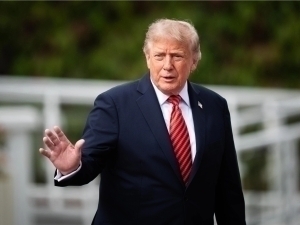
АҚШ Президенти Дональд Трамп ҳам “Truth Social” ижтимоий тармоғида Эрон билан келишув якунланганини эълон қилган.
“Барчани табриклайман! Мен Ҳормуз бўғозини бож ва чекловларсиз очишга ҳамда АҚШ ҳарбий-денгиз кучлари томонидан ўрнатилган денгиз блокадасини дарҳол бекор қилишга рухсат бердим. Дунё кемалари, двигателларингизни ишга туширинг. Нефть оқими давом этсин”, дея ёзган Трамп.
Кейинчалик у журналистларга Ҳормуз бўғози Эрон билан келишув расмий имзоланганидан кейин очилишини маълум қилган.
Эрон Ташқи ишлар вазири ўринбосари Козим Ғарибободий ҳам давлат телевидениесига берган интервьюсида АҚШ билан келишув матни якунланганини ва у 19 июнь куни Швейцарияда имзоланишини тасдиқлаган.
Унинг таъкидлашича, келишувдан сўнг 60 кун давомида якуний тинчлик шартномасини ишлаб чиқиш бўйича музокаралар олиб борилади. Шу даврда Эрон меморандум шартлари бажарилишини қатъий назорат қилиб боради.
АҚШ вице-президенти Жей Ди Вэнс Женевадаги имзолаш маросимида қатнашишни режалаштираётганини, бироқ у ерга Президентнинг ўзи ҳам бориши мумкинлигини айтган. Эрон давлат телевидениеси ҳам АҚШ-Эрон тинчлик келишувини эълон қилди.
Исроил келишувдан норози
14 июнь куни Исроил ҳарбий-ҳаво кучлари Байрутдаги “Ҳизбуллоҳ” назорати остидаги ҳудудларга яна авиазарбалар берди. Ливан миллий ахборот агентлигининг маълумотларига кўра, ҳужум оқибатида 3 киши ҳалок бўлган, яна 15 киши жароҳатланган. Ҳужумдан сўнг Эрон парламенти спикери ва музокаралар гуруҳи раҳбари Муҳаммад Боқир Ғолибоф АҚШни танқид қилиб, агар Исроилнинг ҳужумлари давом этса, музокаралар жараёни тўхтаб қолиши мумкинлиги ҳақида огоҳлантирди. Бироқ, Тель-Авив бу ҳужумларни “Ҳизбуллоҳ” кучлари томонидан амалга оширилган ракета ҳужумларига жавоб сифатида изоҳлади. АҚШ Президенти Дональд Трамп Исроил Бош вазири Биньямин Нетаньяху билан телефон орқали мулоқот чоғида унинг Байрутга берган зарбасидан кескин норозилигини билдирганини маълум қилди.
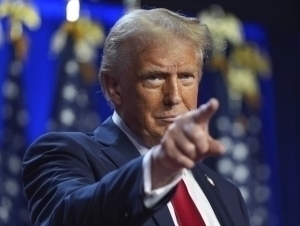
Трампнинг сўзларига кўра, Исроил Ливан пойтахтига ҳужумни АҚШ ва Эрон ўртасида урушни якунлашга қаратилган меморандум имзоланиши кутилган пайтда амалга оширган. Шу сабаб у Нетаньяху билан суҳбатда: “Нима қилаётганингни ўйлаяпсанми?” дея кескин танбеҳ берган.
АҚШ Президенти Нетаньяҳу ҳаракатидан ғазабланганини билдириб, унинг “тўғри қарор чиқариш қобилияти йўқлигини” айтган. Трамп, шунингдек, Исроил томонини “Ҳизбуллоҳ”га қарши янги ҳужумларни амалга оширмасликка чақирган.
Унинг таъкидлашича, АҚШ ва Эрон ўртасидаги келишув ўша куни имзоланиши керак бўлган, бироқ Исроилнинг Байрутга берган зарбаси бу жараённи кечиктирган.
Трампнинг бу огоҳлантиришига жавобан Исроил бош вазири Биньямин Нетаньяху мамлакатнинг Ливандаги ҳарбий операцияси давом этишини маълум қилди. Исроил ОАВларининг хабар беришича, Исроил ўз қўшинларини Ливандан олиб чиқмайди ва ўзини Эрон келишувидаги Ливан бандига боғлиқ деб ҳисобламайди. Исроил миллий хавфсизлик вазирининг таъкидлашича, АҚШ-Эрон келишуви Исроилга тааллуқли эмас, Исроил эса АҚШга бўйсунмайди.
“Трампнинг келишуви бизни мажбурламайди. Исроил АҚШга бўйсунмайди ва биз мустақил ҳамда суверен давлатмиз! Яна бир бор таъкидлаймиз: биз АҚШни севамиз ва Президент Трампдан миннатдормиз. Шунга қарамай, Исроил давлати банан (ташқи кучларга жуда боғлиқ) Республикаси эмас”, – деди Исроил Миллий хавфсизлик вазири.
Тинчлик келишувига бўлган дунё муносабати
Дунё етакчилари бу хабарни олқишладилар. Хусусан Туркия Президенти Ражаб Тойиб Эрдўған Х ижтимоий тармоғидаги саҳифасида АҚШ ва Эрон ўртасидаги келишувни минтақада тинчлик ва барқарорликни мустаҳкамлаш йўлидаги муҳим қадам сифатида баҳолаган.
“Бутун дунё узоқ вақтдан бери интизорлик билан кутган ушбу хабар минтақамизда доимий тинчлик ва хавфсизлик муҳитини қарор топтиришга йўл очади, деб чин дилдан умид қиламан,” – деб ёзди Туркия президенти Ражаб Тойиб Эрдўған Х тармоғида.
“Бирлашган Миллатлар Ташкилоти Бош котиби Антониу Гутерриш АҚШ ва Эронни тинчлик битими” деб атаган ҳужжатга эришганлари билан табриклади ва бу урушаётган давлатлар учун “доимий ўт очишни тўхтатиш” режимини англатишини айтди.
“Бу можарони тинч йўл билан ҳал этиш сари қўйилган муҳим қадамдир”, – деди у.
Қатар Ташқи ишлар вазирлиги якшанба куни ушбу келишувни “барқарор тинчликни мустаҳкамлаш ва иқтисодий ўсишни рағбатлантириш йўлидаги муҳим қадам” сифатида баҳолади. Вазирлик, шунингдек, бу жараён Яқин Шарқда тарангликни камайтириш ва томонлар позицияларини бир-бирига яқинлаштиришга хизмат қилишини таъкидлади.
Франсия Президенти Эммануел Макрон ҳам минтақадаги тарангликни юмшатиш ҳамда бўғознинг қайта очилиши ортидан юзага келиши мумкин бўлган иқтисодий ижобий таъсирларни қўллаб-қувватлади.
“Денгиз қатновининг ҳеч қандай чекловлар ёки тўловларсиз қайта тикланиши минтақавий барқарорлик ва жаҳон иқтисодиёти учун муҳим шартдир”, – деб ёзди Макрон Х тармоғида.
Таҳлилчиларнинг фикрига кўра, АҚШ ва Эрон бир неча ҳафтадан буён келишувга яқинлашаётгандек кўринаётган эди. Бироқ бўғозни қайта очиш масаласи икки давлат ўртасидаги музокараларнинг энг асосий ва баҳсли нуқтасига айланди. Эрон ўтган ойда бунга қисқа муддатга рози бўлиб, ушбу йўналишга таянадиган Форс кўрфази давлатларининг нефть савдосига маълум даражада енгиллик яратган эди.
“Тичлик келишуви” ҳақидаги хабарни эшитиш яхши, бу келишув зиддиятли икки томон орқали тасдиқлаши ундан ҳам яхши аммо ҳужумлар ортидаги минглаб қурбонлар ҳақидаги статистика урушда нақадар дахшатли эканлигини англатади. Энг кўп қурбонлар Эрон ва Ливанда қайд этилган.
АҚШда жойлашган HRANA инсон ҳуқуқлари гуруҳи (ташкилоти) маълумотларига кўра, февраль ойи охирида АҚШ ва Исроил томонидан бошланган ҳужумлардан сўнг, минтақадаги можаро кенгайиб, Эронда 3600 дан ортиқ одам ҳалок бўлган. Уларнинг 1700 дан ортиғи тинч аҳоли вакиллари ҳисобланади.
Шунингдек, Ливанда 3700 дан ортиқ киши, Форс кўрфази мамлакатларида 36 киши, Исроилда эса, 20 киши ҳалок бўлган. Бундан ташқари, АҚШнинг 13 нафар ҳарбий хизматчиси ҳалок бўлди.

Live
All