Россия Марказий Осиёга нисбатан орқа ҳовлисидек қарамаётгани айтилди
World
−
16 December 2025 10810 3 minutes
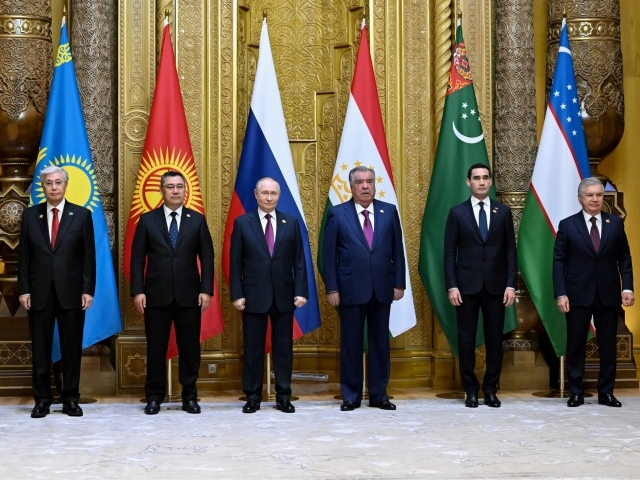
Марказий Осиё Россия ташқи иқтисодий сиёсатининг анъанавий маркази бўлишдан тўхтади ва Шарққа йўналтирилган асосий минтақага айланди. Бу ҳақда Россия Фуқаролик жамиятини ривожлантириш жамғармасининг Россия ва Марказий Осиё мамлакатлари ўртасидаги ҳамкорликни ривожлантириш бўйича ҳисоботида сўз борган.
Ҳужжатда қайд этилишча, 2022 йилдан кейин Марказий Осиё Россия нафақат савдо, инвестиция, логистика ва гуманитар ҳамкорликнинг барқарор каналларини сақлаб қолган, балки сезиларли даражада кенгайтирган, шу билан бирга Евроосиё интеграциясининг янги моделини шакллантирган маконга айланган.
“Марказий Осиё Россиянинг “периферия”си (орқа ҳовлиси – таҳр.) эмас, балки унинг иқтисодий стратегиясининг қўллаб-қувватловчи қитъа контурига айланди”, дейилади ҳисоботда.
Муаллифлар тарихий ва институционал асос – умумий совет мероси, ягона стандартлар, тил, энергетика ва транспорт инфратузилмаси – бу алоқаларнинг барқарорлигида муҳим роль ўйнаганини сингдиришга уринган. Бу минтақа мамлакатларига МДҲ, ЕОИИ ва икки томонлама форматлар механизмларига таяниб, 2022-2024 йиллардаги қийинчиликларга мослашиш имконини бергани айтилган.
Ҳисоботга кўра, Қозоғистон ва Қирғизистон ЕОИИга институционал ўзаро таъсирнинг ядроси сифатида интеграциялашган, Ўзбекистон, Тожикистон ва Туркманистон эса МДҲ ва ҳукуматлараро комиссиялар орқали янада мослашувчан ҳамкорлик форматларидан фойдаланади, бу эса умумий изчиллик ва башорат қилишни таъминлайди.
Шу билан бирга, мутахассисларнинг таъкидлашича, геосиёсий ўлчов янада мураккаблашиб бормоқда. Марказий Осиё Россия, Хитой, АҚШ, Европа Иттифоқи ва Туркия ўртасидаги рақобат зонасига айланиб бормоқда, аммо ҳозирча тўғридан-тўғри қарама-қаршиликдан қочилган. Шу билан бирга, Россия хавфсизлик ва гуманитар масалаларда етакчиликни сақлаб қолмоқда, минтақа мамлакатлари эса кўп векторли сиёсатни амалга оширмоқда.
Ҳисоботда ҳамкорлик соҳаларини кенгайтириш ҳақида ҳам сўз борган. Асосий соҳалар қаторига энергетика, қишлоқ хўжалиги, Шимол-Жануб ва Хитой-Марказий Осиё-Россия транспорт йўлакларини ривожлантириш, миллий валюталарда ҳисоб-китобларга ўтиш, сунъий интеллект ва катта маълумотлар соҳасидаги қўшма лойиҳалар киради.
Расмийлар учун тавсиялар
Ҳисоботнинг алоҳида бўлими Россия расмийлари учун тавсияларга бағишланган. Жамғарма ЕОИИ доирасида божхона ва санитария тартибларини соддалаштиришни, ягона рақамли божхона порталини жорий этишни ва ЕОИИдан ташқаридаги Марказий Осиё мамлакатларига миллий валюта ҳисоб-китоб механизмлари ва Молиявий хабарлар тизимидан фойдаланишни кенгайтиришни таклиф қилган.
Бундан ташқари, экспертлар ресурс бўлмаган экспортни қўллаб-қувватлашни кўпайтиришни, Россия ривожланиш институтларининг минтақадаги инфратузилма ва саноат лойиҳаларида иштирокини кенгайтиришни, гуманитар ва таълим соҳасидаги ҳамкорликни, жумладан, Россия университетларининг филиалларини очиш ва минтақалараро алоқаларни ривожлантиришни тавсия қилган.
Ҳисобот муаллифлари шунингдек, Марказий Осиё мамлакатлари расмийларига мурожаат қилиб, иқтисодиётнинг ресурс бўлмаган соҳаларини ривожлантириш, бюрократик тўсиқларни камайтириш ва Россия билан қўшма саноат зоналарини ташкил этишни таклиф қилмоқдалар. Ўз навбатида, бизнесга янги логистика йўналишларидан фаолроқ фойдаланиш, қўшма корхоналар яратиш ва рақамли молиявий воситаларни жорий этиш тавсия этилган.
Ҳисобот муаллифи бўлган Россия Фуқаролик жамиятини ривожлантириш жамғармаси маълумотларига кўра, санкциялар ва геоиқтисодий ўзгаришларга қарамай, Россия ва Марказий Осиё мамлакатлари “изоляциясиз мослашиш” моделини яратмоқда. 2030 йилгача бошқариладиган мослашув энг эҳтимолий сценарий бўлиб қолмоқда, аммо чуқурроқ интеграция Евросиёни глобал кўп қутбли иқтисодиёт марказига айлантириши мумкин.
Live
All23 October