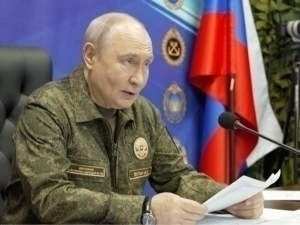
Путин Россиянинг 4 йиллик миграция сиёсати концепциясини тасдиқлади
World
−
16 October 2025 8880 2 minutes
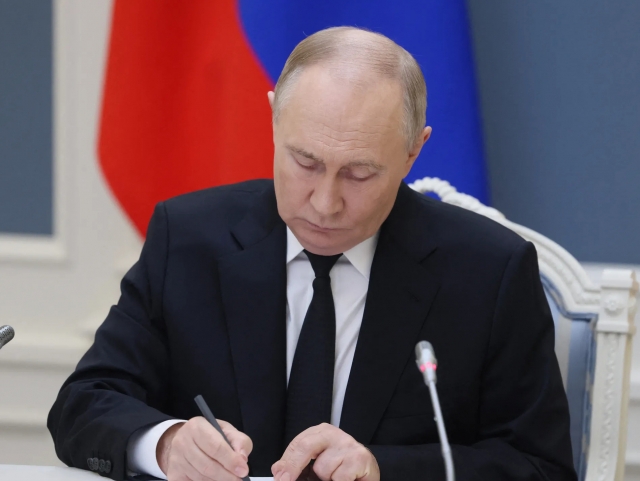
Россияда кейинги тўрт йил – 2026-2030 йилларга мўлжалланган миграция сиёсати режаси тасдиқланди. Мос равишдаги фармонга Президент Владимир Путин имзо чекди. Ҳужжат расмий ҳуқуқий актлар эълон қилинадиган сайтда жойлаштирилган.
“2026–2030 йилларга мўлжалланган Россиянинг давлат миграция сиёсатининг қўшимча концепцияси тасдиқлансин”, дейилади ҳужжатда.
Концепцияда қайд этилишича, Россияга ишлаш учун бораётган мигрантлар сони 2030 йилгача ўсишда давом этади. Бу хорижий ишчи кучига бўлган эҳтиёж билан боғлиқ. Шунингдек, ҳужжатда таъкидланишича, миллий хавфсизликка доир янги чақириқ ва таҳдидлар миграция сиёсатини такомиллаштиришни талаб қилади. Россияда миграция масалаларида иш берувчиларнинг масъулиятини оширишга қаратилган чоралар кўриш зарурлиги қайд этилган.
Сиёсатнинг асосий натижалари сифатида қуйидагилар кутилмоқда:
- Ноқонуний мигрантлар сонини камайтириш;
- хорижий фуқаролар, жумладан, вояга етмаганлар томонидан содир этиладиган жиноятларни қисқартириш;
- Россияда ноқонуний ишлаётган мигрантлар улушини пасайтириш;
- таълим муассасаларига бормайдиган мигрант болалар сонини камайтириш;
- Россия олий ўқув юртларида таълим олаётган хорижий талабалар улушини ошириш;
- мақсадли дастурлар орқали ишга қабул қилинаётган мигрантлар сонини кўпайтириш;
- анъанавий рус қадриятларини қўллаб-қувватлайдиган ва Россияга доимий яшаш учун кўчиб келаётган хорижий фуқаролар улушини ошириш.
Бундан олдин, 13 октябрь куни Давлат Думаси раиси Вячеслав Володин маълум қилишича, 2025 йил 5 февралдан бошлаб, яъни ноқонуний мигрантлар реестри ишга тушганидан буён, миграция қонунчилигини бузган тахминан 35 минг киши Россиядан чиқариб юборилган.
Шу билан бирга, 1 сентябрь ҳолатига кўра, Россия ҳудудида ноқонуний яшаб турган мигрантлар – назоратдаги шахслар реестрида 770 минг киши рўйхатда турган, уларнинг учдан бир қисмини аёллар ва болалар ташкил этади.
11 сентябрдан бошлаб ноқонуний мигрантларга никоҳ ва ажралишни рўйхатдан ўтказиш, болаларни боғча ва мактабларга жойлаштириш, ҳайдовчилик гувоҳномаси олиш, транспорт бошқариш ва "банк счётлари" очиш тақиқланди.

Live
All23 October