Park and Ride: автомобилни ташқарида қолдириб, шаҳарга кириш тажрибаси
Interesting
−
17 December 2025 5055 4 minutes
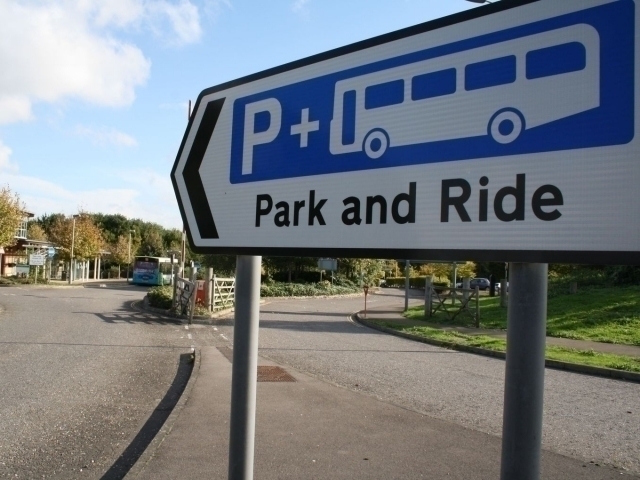
Айни пайтда Тошкентга келаётган меҳмонлар автомобилини шаҳар ташқарисидаги тураргоҳларда қолдириб, марказга кирадиган тартиб жорий этилиши жамоатчилик муҳокамасида бўлиб турибди. Мазкур тизим – Park and Ride деб номланади.
Park and ride (шунингдек, incentive parking ёки commuter lot деб ҳам аталади) – бу жамоат транспорти билан боғланган автотураргоҳ бўлиб, у шаҳар марказига йўл олган йўловчиларга автомобилларини шу ерда қолдириб, йўлнинг қолган қисмини автобус, темирйўл транспорти (метро, енгил темирйўл ёки шаҳар атрофи поездлари) ёки такси орқали давом эттириш имконини беради.
Автомобиль кун давомида автотураргоҳда қолдирилади ва эгаси қайтиб келганда олиб кетилади. Park and ride одатда йирик шаҳарлар атрофидаги шаҳарча ва туманларда ёки мегаполисларнинг ташқи чегараларида жойлашади. Агар бундай автотураргоҳ фақат карпулинг учун хизмат қилса ва жамоат транспортига уланиш бўлмаса, у park and pool деб ҳам аталиши мумкин.
Айрим мамлакатларда йўл белгиларда park and ride “P+R” қисқартмаси билан белгиланади ва маркетингда кўпинча “Park & Ride” тарзида ёзилади.
Тизим қандай пайдо бўлган?
Швецияда, агар иш берувчи ходимга бепул ёки арзон автотураргоҳ тақдим этса ва ходим бунинг учун пул тўлаши керак бўлса, бу имтиёзга солиқ жорий этилган. Бу солиқ шаҳар марказига автомобилда кириб келувчилар сонини камайтириб, айниқса Стокгольмда park and ride ҳудудларидан фойдаланишни оширган. Кейинчалик Стокгольмда жорий этилган тирбандлик солиғи ҳам P&R тизимидан фойдаланишни янада кучайтирган.
Прагада метро ва темирйўл станциялари яқинида park and ride автотураргоҳлари ташкил этилган (2011 йилда 12 та метро ва 3 та темирйўл станцияси ёнида жами 17 та). Бу автотураргоҳлар арзон нархларда таклиф этилади.
Асосий афзалликлари
Park and ride автотураргоҳлари шаҳар марказидаги тирбанд йўллардан ва қиммат, кам жойли автотураргоҳ қидириш стрессидан қутулиш имконини беради. Улар жамоат транспортидан фойдаланишни рағбатлантириш орқали тирбандликни камайтиришга хизмат қилиши мумкин.
Бу тизим темирйўл ёки автобус бекатидан пиёда юришга ноқулай масофада яшовчи йўловчилар учун айниқса қўл келади. Шунингдек, захира масофаси чекланган муқобил ёқилғида ишловчи транспорт воситалари эгалари учун ҳам қулай. Park and ride каршеринг ва карпулинг учун доимий учрашув жойи сифатида ҳам хизмат қилади. Айрим шаҳарларда автотураргоҳларда йўловчилар учун кутиш хоналари, ҳожатхоналар, ахборот материаллари мавжуд. Катта мажмуаларда эса саёҳат офислари, дўконлар, “автомойка” ёки ошхоналар ҳам бўлиши мумкин.
Автобусли Park and Ride
Автобусга мўлжалланган park and ride тизимлари илк бор 1960 йилларда Буюк Британияда пайдо бўлган. Оксфорд шаҳри бу тизимни биринчи бўлиб жорий этган. Ҳозирда Оксфорд атрофида 5 та йирик park and ride автотураргоҳи мавжуд бўлиб, уларнинг умумий сиғими 5 мингдан ортиқ автомобилни ташкил этади. Шунингдек, темирйўл бекати билан боғланган, велосипедларни сақлашга мўлжалланган тураргоҳлар дунё амалиётда мавжуд.
Йирик шаҳарларга кириш пулликми?
Дунёнинг барча йирик шаҳарларида “машинани ташқарида қолдириб, шаҳарга кириш” тартиби бор. Масалан, Лондон шаҳри марказига кириш пуллик. Мазкур тизим “Congestion Charge” деб номланади – Лондон шаҳри марказида белгиланган ҳудудга автомобиль билан кирганлик учун кунлик тўлов ундириладиган тизим ҳисобланади. У 2003 йилда жорий этилган ва шаҳар транспортини бошқаришда дунёдаги энг машҳур моделлардан бири ҳисобланади. Тизимни Лондон транспорт агентлиги – Transport for London (TfL) бошқаради.
Бу тартиб Лондоннинг марказий қисми учун амал қилади (тахминан 21 км²). Пуллик ҳудуд махсус йўл белгилари ва хариталар билан аниқ кўрсатилган. Тизим душанбадан жума кунигача эрталаб 07:00 дан – 18:00 гача ишлайди. Дам олиш кунлари ва байрамларда бу тартиб амал қилмайди. Бугунги кунда Congestion Charge орқали шаҳар марказига кириш £15. Бир кун ичида ҳудудга неча марта кирилганидан қатъи назар, тўлов бир марта амалга оширилади. Бу тартиб электромобилларни истисно қилади. Шунингдек, такси, мотоцикл, фавқулодда хизматлар учун марказга кириш бепул.
Худди шунга ўхшаш тартиб Париж (марказий ҳудудларда автомобиль ҳаракати чекланган), Мадрид (марказда экологик чеклов зоналари жорий этилган), Истанбул (шаҳарга киришда йирик транспорт тугунлари бор), Сингапур (марказга кириш электрон тўлов асосида), Стокгольм (бепул ёки арзон автотураргоҳлар учун солиқ юқори. Бу чора шаҳар марказига автомобилда киришни камайтириб, Park and Ride тизимидан фойдаланишни рағбатлантиради) сингари йирик шаҳарларда ҳам мавжуд.
Эслатиб ўтамиз, кеча, 16 декабрь куни Тошкентга келганлар автомашиналарини постда қолдириб, шаҳарга кириши учун шароит яратилиши айтилган эди.

Live
AllOhangaronda o'qituvchi o'quvchini kaltakladi
22 October
Avstraliyada kuchli yomg'ir yog'di
22 October
Gretsiyada ham talabalar namoyish boshladi
22 October