Мирзиёев рафиқаси билан Хитойга етиб борди
World
−
30 August 2025 10245 2 minutes
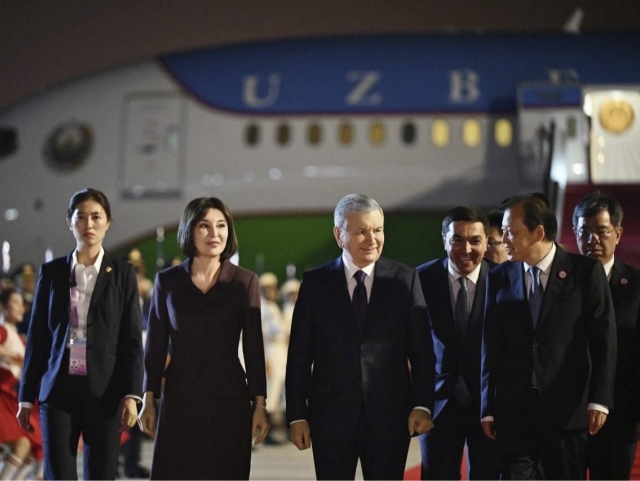
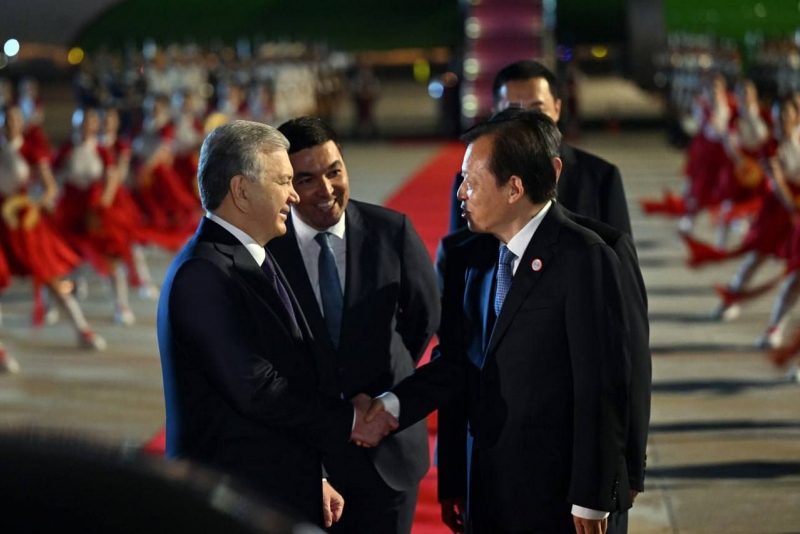
Ўзбекистон Президенти Шавкат Мирзиёев Хитой Халқ Республикаси Раиси Си Цзиньпиннинг таклифига биноан рафиқаси Зироатхон Мирзиёева билан бирга расмий ташриф билан Тяньцзинь шаҳрига борди. Бу ҳақда Ўзбекистон раҳбарининг матбуот хизмати хабар берди.
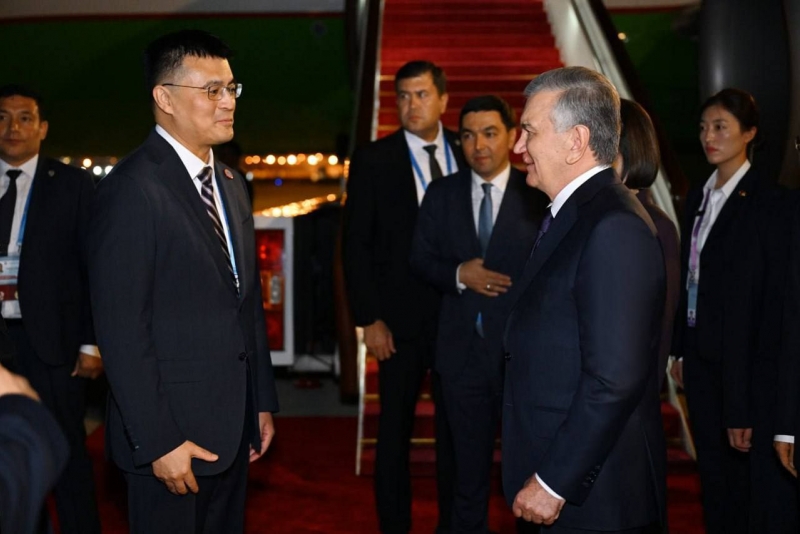
Биньхай халқаро аэропортида давлат раҳбарини Хитой Транспорт вазири Лю Вэй ва бошқа расмийлар кутиб олди.
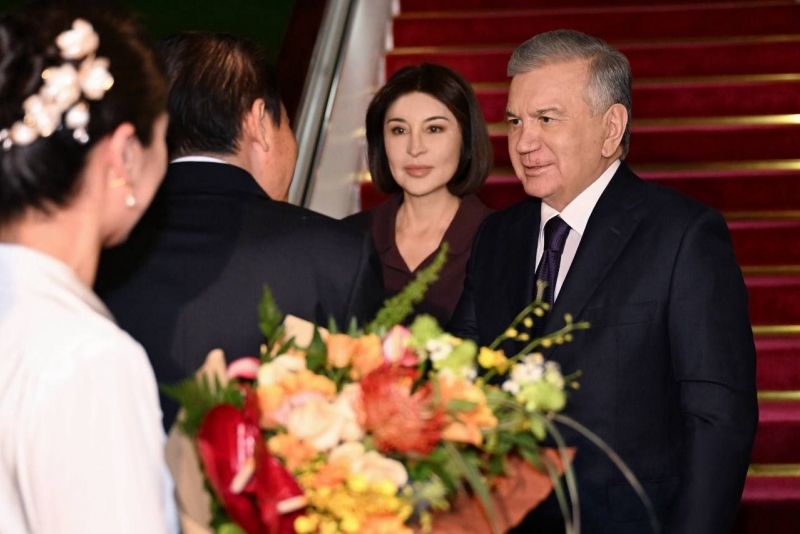
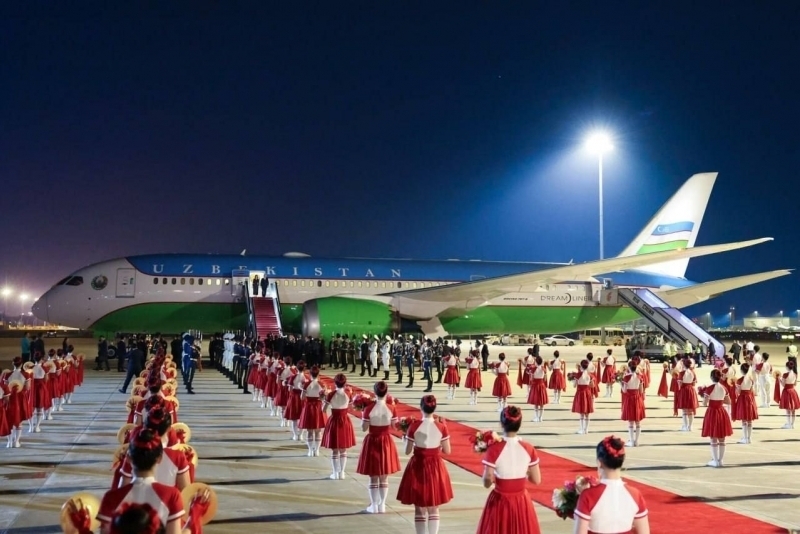
Олий мартабали меҳмонлар шарафига икки мамлакатнинг давлат байроқлари кўтарилди, фахрий қоровул саф тортди.
Ташриф дастурига мувофиқ, давлат раҳбари 31 август - 1 сентябрь кунлари Тяньцзинь шаҳрида Шанхай Ҳамкорлик Ташкилоти Давлат раҳбарлари кенгашининг навбатдаги мажлиси ва “ШҲТ плюс” форматидаги учрашувда иштирок этади.
ШҲТ доирасидаги кўп қиррали ҳамкорликни устувор йўналишларда янада ривожлантириш ва ташкилот фаолиятини такомиллаштиришнинг долзарб масалалари муҳокама қилинади. Шунингдек, Тяньцзинь декларацияси, қўшма ҳужжат ва қарорлар қабул қилиниши режалаштирилган.
2 сентябрь куни Пекин шаҳрида Мирзиёев Хитой раҳбари Си Цзиньпин билан музокаралар ўтказади, шунингдек, Хитой расмий шахслари ва етакчи компаниялари раҳбарлари билан учрашувлар ўтказади. Ўзбекистон билан Хитой ўртасидаги ҳар томонлама стратегик шериклик муносабатларини янада мустаҳкамлаш ва амалий ҳамкорликни кенгайтириш масалалари кўриб чиқилади.
Ўзбекистон Президенти 3 сентябрь куни Иккинчи жаҳон урушидаги Ғалабанинг 80 йиллигига бағишланган тантанали тадбирларда ҳам иштирок этади. Президент Мирзиёев Хитойда Россия Президенти Владимир Путин билан ҳам учрашади. Буни Россия раҳбарининг ёрдамчиси Юрий Ушаков маълум қилганди.
Хитойнинг расмий ахборот агентлиги “Синьхуа”га кўра, Пекинда ўтадиган тантаналарда 26 мамлакат етакчиси ва ҳукумат раҳбарлари иштирок этади.
Хитойга биринчилар қаторида ташриф буюриши режалаштирилган хорижий давлат раҳбарларидан бири Шимолий Корея етакчиси Ким Чен Инь саналади.
Пекиндаги байрамларда, шунингдек, Камбоджа, Вьетнам, Лаос, Индонезия, Малайзия, Мўғулистон, Покистон, Непал, Мальдив ороллари, Қозоғистон, Ўзбекистон, Тожикистон, Қирғизистон, Туркманистон, Беларусь, Озарбайжон, Арманистон, Эрон, Конго Республикаси, Зимбабве, Сербия, Словакия, Куба ва Мьянма давлат ҳамда ҳукумат раҳбарлари иштирок этади.
Маълумот учун, Хитой халқининг япон агрессиясига қарши қаршилик кўрсатиш уруши, иккинчи Хитой-япон уруши деб ҳам аталади, 1931 йилда Япониянинг Манчурияга бостириб кириши билан бошланди ва 1937 йилда кенг кўламли урушга айланиб, 1945 йилда Япониянинг таслим бўлиши ва Иккинчи жаҳон урушининг тугаши билан якунланди. Хитой фашизм устидан ғалаба қозонишда, Япония қўшинларини узоқ йиллар давомида ушлаб туришда ва халқаро антифашистик фронтни шакллантиришда муҳим роль ўйнагани айтилади.
Live
All