Мирзиёев саммитда қатор ташаббусларни илгари сурди
Local
−
16 November 2025 5246 8 minutes
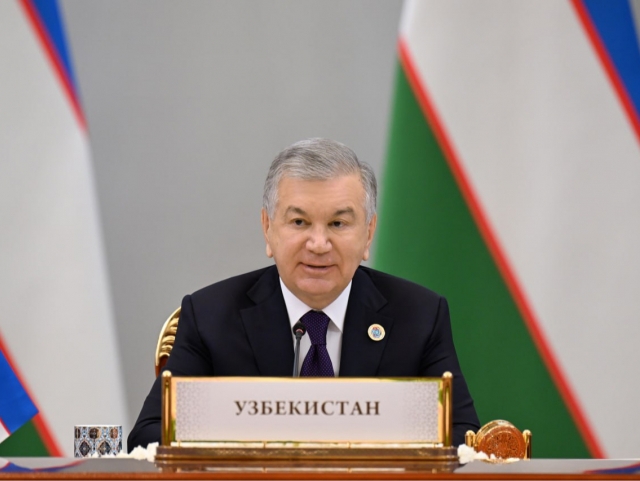
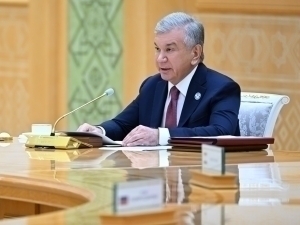
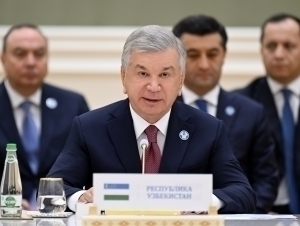
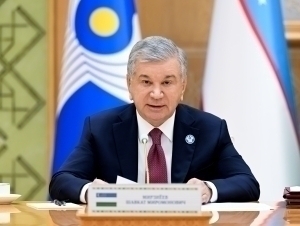
Бугун, 16 ноябрь куни Президент Шавкат Мирзиёев раислигида Марказий Осиё давлатлари раҳбарларининг еттинчи Маслаҳат учрашуви бўлиб ўтди. Бу ҳақда Ўзбекистон етакчисининг матбуот хизмати хабар берди.
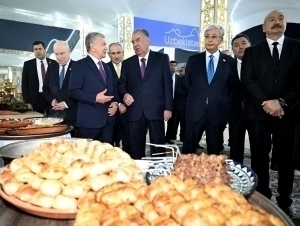
Саммитда Озарбайжон Президенти Илҳом Алиев, Тожикистон Президенти Имомали Раҳмон, Туркманистон Президенти Сердар Бердимуҳамедов, Қирғизистон Президенти Садир Жапаров, Қозоғистон Президенти Қосим-Жомарт Тўқаев, шунингдек, БМТнинг Марказий Осиё мамлакатлари учун превентив дипломатия бўйича минтақавий маркази раҳбари Каха Имнадзе иштирок этди.
Кун тартибига мувофиқ, минтақавий ҳамкорликни янада мустаҳкамлаш ҳамда устувор соҳаларда қўшма лойиҳа ва ташаббусларни амалга ошириш масалалари кўриб чиқилди.
Саммит аввалида Президент Мирзиёев Озарбайжон Маслаҳат учрашувлари форматига тўла ҳуқуқли аъзо сифатида қўшилганини билан эълон қилди. Ўзбекистон етакчисининг таъкидлашича, бу қарор муштарак тарих, қардошлик ришталари, маънавий ва маданий яқинлик билан узвий боғланган иштирокчи мамлакатлар халқларининг манфаатларига тўлиқ жавоб беради.
Шунингдек, ушбу стратегик қадам Маслаҳат учрашувларига кучли шиддат беришига, савдо-иқтисодий, инвестициявий ва маданий-гуманитар ҳамкорликни кенгайтириш, барқарор тараққиёт масалалари бўйича ҳамжиҳатликда қарорлар ишлаб чиқиш учун янги уфқлар очишига ишонч билдирилди.
“Биз Марказий Осиё ва Жанубий Кавказ ўртасида мустаҳкам кўприк барпо этмоқдамиз, ҳамкорликнинг ягона маконини шакллантиришга йўл очмоқдамиз. Бу икки минтақанинг стратегик боғлиқлиги ва барқарорлигини кучайтириши шубҳасиз”, деди Президент Шавкат Мирзиёев.
Сўнг Ўзбекистон етакчиси кейинги йилларда минтақада амалга оширилаётган интеграция жараёнларини қисқача таҳлил қилди. Очиқ мулоқот ва биргаликдаги фаол саъй-ҳаракатлар туфайли минтақа учун долзарб бўлган қатор муаммоларга самарали ечимлар топилгани таъкидланди.
Ҳудудий масалалар узил-кесил ҳал этилгани, чегара пунктлари очилгани, сув-энергетика соҳасида ўзаро манфаатли ҳамкорлик йўлга қўйилгани, транспорт алоқалари қайта тиклангани, фаол савдо-инвестициявий ва гуманитар алоқалар учун қулай шароитлар яратилгани айтиб ўтилди.
“Бугунги кунда Марказий Осиё – барқарор ўсиш ва фаровонлик учун олдимизда янги имкониятлар очаётган жадал тараққиёт ва самарали ҳамкорлик маконидир”, деди Мирзиёев.
Президент матбуот хизматининг ёзишича, минтақа жаҳон иқтисодиётига фаол интеграциялашмоқда: инвестициявий жозибадорлик ошмоқда, учинчи бозорларга экспорт қилиш имкониятлари кенгаймоқда, транзит салоҳияти ўсмоқда. Ўтган йили минтақа мамлакатлари ўртасидаги ўзаро савдо ҳажми 10,7 миллиард долларга етди, Марказий Осиёга киритилган инвестицияларнинг умумий ҳажми 17 фоизга кўпайди.
Хавфсизлик ва барқарорликни таъминлаш, терроризм ва экстремизм, трансчегаравий жиноятчилик таҳдидларига қарши курашиш масалалари бўйича тизимли чоралар кўрилмоқда.
Минтақанинг халқаро муносабатлар субъекти сифатидаги мавқейи мустаҳкамланиб, глобал масалалардаги роли ортиб бормоқда, “Марказий Осиё плюс” форматидаги муносабатлар кучаймоқда, минтақа нуфузли халқаро майдонларда ягона позиция билан майдонга чиқмоқда.
Форматга Озарбайжоннинг қўшилиши билан минтақанинг жаҳон ҳамжамиятидаги овози янада салмоқли бўлишига ишонч билдирилди.
Ўзбекистон раислиги даврида 20 дан ортиқ йирик тадбирлар ўтказилгани таъкидланди. Таъкидланишича, Бош вазир ўринбосарлари даражасида Ҳудудлараро ҳамкорлик форуми фаолияти йўлга қўйилди, илк бор мудофаа идоралари, махсус хизматлар раҳбарлари, шунингдек, геология, саноат, қишлоқ хўжалиги, экология ва маданият вазирларининг йиғилишлари ўтказилди. Куни кеча Тошкентда Марказий Осиё давлатлари етакчи аёлларининг мулоқоти муваффақиятли ўтказилди.
Ушбу тадбирларнинг барчаси минтақавий шерикликнинг институционал асослари ва механизмлари тизимли равишда мустаҳкамланиб бораётганидан яққол далолат экани таъкидланди.
Мирзиёев мураккаб ва олдиндан башорат қилиб бўлмайдиган халқаро сиёсий жараёнлар шароитида минтақа мамлакатларининг ҳамжиҳатлиги ва бир-бирини қўллаб-қувватлашини мустаҳкамлаш алоҳида аҳамият касб этишини таъкидлади.
“Ишончим комилки, бугун биз минтақамизнинг Янги Марказий Осиё сифатидаги тарихий уйғониш даври остонасида турибмиз. Биз ҳамкорлигимизнинг институционал асосларини янада мустаҳкамлаш, хавфсизлик ва барқарор тараққиётга нисбатан таҳдидларга ўзаро мувофиқлаштирилган жавобни ишлаб чиқишни ўз олдимизга вазифа қилиб қўйганмиз. Биз учун ҳозирнинг ўзида минтақамизни бундан 10-20 йилдан кейин қандай кўришни хоҳлашимиз бўйича аниқ тушунчага эга бўлиш муҳимдир”, деди Президент.
Давлат раҳбари минтақавий ҳамкорликни янада мустаҳкамлаш бўйича қатор ташаббусларни илгари сурди.
Аввало, бугунги учрашувларни минтақавий мулоқотнинг маслаҳатлашув шаклидан “Марказий Осиё ҳамжамияти” стратегик форматига айлантириш таклиф қилинди. Маслаҳат учрашувлари тўғрисидаги низомни ишлаб чиқиш, навбатма-навбат ишлайдиган Котибиятни таъсис этиш, миллий мувофиқлаштирувчилар мақомини Президентларнинг махсус вакиллари даражасига кўтариш бу борадаги дастлабки қадамлар бўлиши мумкинлиги таъкидланди.
Шунингдек, Ўзбекистон раҳбари бой ҳаётий тажрибага эга, обрў-эътиборли жамоат арбобларидан иборат Оқсоқоллар кенгашини тузиш ташаббусини илгари сурди, бу авлодлар ўртасидаги боғлиқликни, шунингдек, умумминтақавий ҳамжиҳатлик ва ўзига хосликни мустаҳкамлашга хизмат қилади.
Шавкат Мирзиёев савдо-иқтисодий ва инвестициявий ҳамкорликни сифат жиҳатидан янги даражага олиб чиқиш вазифаси устувор экани, бу ўрта муддатли истиқболда ўзаро савдо ва умумий ташқи савдо айланмаси ҳажмини 1,5-2 баробар ошириш имконини беришини кўрсатиб ўтди.
Маъмурий тўсиқларни бартараф этиш, солиқ ва божхона тартиб-таомилларини соддалаштириш, эркин иқтисодий ва саноат зоналаридан биргаликда фойдаланиш муҳимлиги таъкидланди.
“Бизнинг нуқтаи назаримизда, юқорида кўрсатиб ўтилган барча масалаларни қамраб оладиган, савдо-иқтисодий ҳамкорлик бўйича 2035 йилгача бўлган даврга мўлжалланган кенг қамровли минтақавий дастурни ишлаб чиқиш ва қабул қилиш савдо ҳажмларини сезиларли даражада ошириш учун қулай шароит яратиш имконини беради”, деди Ўзбекистон раҳбари.
Бундан ташқари, минтақада ягона инвестиция муҳитини шакллантириш учун Умумий инвестиция макони тўғрисидаги декларацияни қабул қилиш зарурлиги қайд этилди. Соҳадаги ёндашувларни уйғунлаштириш, виртуал савдо майдончалари ва ишончли рақамли тўлов тизимларини яратишга қаратилган Электрон тижоратни ривожлантириш бўйича қўшма чора-тадбирлар дастурини ишлаб чиқиш зарурлиги қайд этилди.
Минтақанинг юқори технологик инфратузилмаси ва транспорт-логистика салоҳиятини биргаликда ривожлантириш минтақа келажаги учун муҳим аҳамиятга эга экани алоҳида таъкидланди.
“Электр станциялари ва узатиш тармоқлари, автомобиль ва темир йўллар, чегара орқали ўтказиш пунктлари, “яшил йўлаклар”, оптик-толали линиялар ва бошқа объектларни қуриш ва модернизация қилиш бўйича стратегик аҳамиятга эга бўлган умумминтақавий лойиҳаларни амалга ошириш учун саъй-ҳаракатларимизни бирлаштиришни таклиф этамиз”, деди мамлакат етакчиси.
“Хитой – Қирғизистон – Ўзбекистон” темирйўли ва Трансафғон транспорт йўлаги қурилиши минтақалараро транспорт боғлиқлигининг устувор лойиҳалари сифатида қайд этилди. Ҳудудни Европа давлатлари билан боғлайдиган Транскаспий йўналишлари катта имкониятларга эга эканига эътибор қаратилди.
Ушбу йўналишлардаги ишларни мувофиқлаштириш учун Бош вазир ўринбосарлари даражасида Инфратузилмани ривожлантириш кенгашини тузиш таклиф қилинди.
Минтақавий хавфсизлик ва барқарорликни таъминлаш нуқтаи назаридан саммитда қабул қилинаётган ҳужжатлар – Минтақавий хавфсизлик ва барқарорлик концепцияси ҳамда Таҳдидлар ва хатарлар каталоги юқори баҳоланди.
Афғонистондаги вазиятнинг хавфсизликка таъсирини ҳисобга олган ҳолда ва бутун минтақанинг барқарор ривожланиши учун ушбу мамлакатни минтақавий инфратузилма, энергетика ҳамда транспорт лойиҳаларига интеграция қилиш муҳимлиги таъкидланди.
Давлат раҳбари яқинда ўтказилган “Фарғона тинчлик форуми”ни анъанавий халқаро форумга айлантириш зарурлигини билдирди.
Минтақа мамлакатлари учун экология, иқлим ва сув ресурслари тақчиллиги масалалари тобора долзарб бўлиб бораётгани шароитида Марказий Осиёнинг “яшил” тараққиёт концепциясини тез фурсатда қабул қилиш муҳимлиги қайд этилди.
Минтақада сув танқислиги ортиб бораётганини ҳисобга олиб, 2026-2036 йилларни “Марказий Осиёда сувдан оқилона фойдаланиш бўйича амалий ҳаракатлар ўн йиллиги” деб эълон қилиш таклиф этилди.
Қўшни Афғонистонни Амударё ҳавзаси сув ресурсларидан биргаликда фойдаланиш бўйича минтақавий мулоқотга фаол жалб қилиш мақсадга мувофиқлиги таъкидланди.
Сув хўжалиги соҳасида кадрларни профессионал тайёрлашга сармоя киритиш мақсадида Ўзбекистон Президенти Тошкент ирригация ва қишлоқ хўжалигини механизациялаш муҳандислари институти негизида Сув хўжалиги соҳасидаги минтақавий ваколатлар марказини ташкил этиш ташаббусини илгари сурди.
Давлат раҳбари 2026 йилда Ўзбекистонда ўтказилиши режалаштирилган сувни тежаш бўйича Бутунжаҳон форумида фаол иштирок этишга чақирди.
Маданий-гуманитар ҳамкорликни кенгайтириш масалаларига алоҳида эътибор қаратилди. Шу маънода, Ислом цивилизацияси маркази ёшлар, уларнинг илмий ва маънавий маърифати учун жозибадор масканга айланишига умид билдирилди.
Шунингдек, саммит арафасида пойтахтда илк бор ўтказилган Маънавий мерос ва маърифат масалалари бўйича халқаро конгрессни мунтазам ўтказиб бориш таклиф этилди.
Ушбу мавзуни ривожлантириш мақсадида Ўзбекистон Президенти минтақанинг атоқли олим ва мутафаккирларининг глобал маърифат ривожига қўшган ҳиссасига бағишланган БМТ Бош Ассамблеясининг махсус резолюциясини қабул қилиш ташаббусини илгари сурди.
Илмий-таълим кооперацияси доирасида давлатлараро лойиҳаларни молиялаштириш, академик ҳамжамиятни рағбатлантириш ва сунъий интеллект технологияларини жорий қилиш имкониятларини кенгайтириш учун Илмий тадқиқотлар фондини ташкил этиш таклиф қилинди.
Ўзбекистон етакчиси сўзининг якунида бугун қабул қилинаётган ҳужжатлар ва илгари сурилаётган ташаббусларда барқарор, хавфсиз ва фаровон Марказий Осиёни барпо этишдек умумий мақсад мужассам эканини таъкидлади.
“Алоҳида таъкидламоқчиман: бизнинг кучимиз – бирликда, муваффақият сари йўлимиз – дўстлик ва ҳамкорликда. Фақат ҳамжиҳат бўлиб, ўзаро ҳурмат, бирдамлик ва стратегик ёндашувларга таяниб, эзгу мақсадларимизга эришишимиз мумкин”, деди Президент Шавкат Мирзиёев.
Давлат раҳбари, шунингдек, Туркманистон Президентини 2026 йилда давлат раҳбарларининг “Марказий Осиё ва Озарбайжон” янги форматида бўлиб ўтадиган Маслаҳат учрашувига раисликни қабул қилиб олгани билан табриклади.
Сўнг Марказий Осиё давлатлари ва Озарбайжон етакчилари сўзга чиқди. БМТнинг Марказий Осиё мамлакатлари учун превентив дипломатия бўйича минтақавий маркази раҳбари Каха Имнадзе БМТ Бош котиби Антониу Гутерришнинг мурожаатини ўқиб эшиттирди.

Live
All