Мирзиёев келаси ҳафта Брюсселга боради
Local
−
17 October 2025 5024 6 minutes
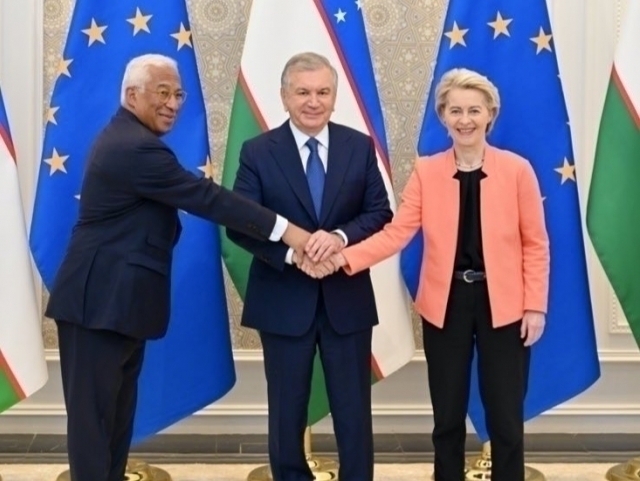
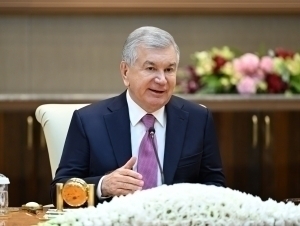
Ўзбекистон Президенти Шавкат Мирзиёев 2025 йил 24 октябрь куни расмий ташриф билан Брюсселга боради. Бу сафар Ўзбекистоннинг Европа Иттифоқи билан муносабатларида янги босқични бошлайдиган муҳим қадам сифатида баҳоланмоқда. Бу ҳақда “Euronews” хабар берди.
Ташриф доирасида Ўзбекистон ва ЕИ томонлари Кенгайтирилган шериклик ва ҳамкорлик тўғрисидаги битим (EPCA)ни имзолаши кутилмоқда. Ушбу кенг қамровли ҳужжат келгуси ҳамкорликнинг бешта стратегик йўналишини белгилаб беради, жумладан:
- сиёсий мулоқот
- савдо ва иқтисодий муносабатлар
- хавфсизлик
- барқарор ривожланиш
- глобал ҳамкорлик
Битим томонларни ислоҳотларни давом эттириш, иқтисодий модернизация ва халқаро майдондаги ҳамкорликни мустаҳкамлашга содиқ эканини тасдиқлайди. Шунингдек, у жорий йил ноябрда Тошкентда бўлиб ўтадиган ЕИ–Марказий Осиё Инвестиция форуми каби ташаббусларга йўл очади.
Европа Кенгаши президенти Антониу Кошта Ўзбекистон Мустақиллик куни муносабати билан йўллаган табригида, 24 октябрда Брюсселдаги учрашувга алоҳида урғу берганди:
“Мен 2025 йил 24 октябрда Брюсселда бўлиб ўтадиган учрашувимизни катта интизорман. У ерда биз Европа Иттифоқи ва Ўзбекистон ўртасидаги Кенгайтирилган шериклик ва ҳамкорлик битими имзоланиши муносабати билан фикр алмашишни давом эттирамиз”, деб ёзди Кошта.
Европа Комиссияси президенти Урсула фон дер Ляйен эса жорий йил апрелда Самарқандда бўлиб ўтган биринчи Марказий Осиё–Европа Иттифоқи саммитида Ўзбекистоннинг Евроиттифоқ билан алоқаларда тутган ўрнига юқори баҳо берган.
У ЕИнинг Global Gateway (Глобал дарвоза) дастури доирасида савдо алоқалари, транспорт, стратегик хомашё, рақамли боғлиқлик, сув ва энергия соҳасидаги ҳамкорлик учун 12 миллиард евролик инвестиция пакети ажратилганини таъкидлади.
“Ўзбекистон Global Gateway'нинг марказий иштирокчиларидан бири. Бу – узоқ йиллик дўстлигимизда янги саҳифа бошланиши”, деди Урсула фон дер Ляйен Самарқанд саммитида.
EPCA доирасида ҳамкорликнинг асосий йўналишлари
Кенгайтирилган шериклик ва ҳамкорлик битими (EPCA) ЕИ ва Ўзбекистон ўртасидаги муносабатларни янги, замонавий ва амбицияли даражага кўтариши кутилмоқда. Ушбу битим янги соҳаларда ҳамкорликни ўз ичига олади ҳамда савдо ва иқтисодий муносабатларни тартибга солувчи ҳуқуқий асосларни сезиларли даражада янгилайди.
EPCA доирасида асосий ҳамкорлик йўналишлари қуйидагилардан иборат бўлади:
- Сиёсий ҳамкорлик ва ислоҳотлар:
- Демократия, қонун устуворлиги, инсон ҳуқуқлари ва асосий эркинликлар
- Барқарор ривожланиш ва умумий қадриятларга содиқлик
- Ташқи сиёсат ва хавфсизлик:
- Ҳудудий барқарорлик ва халқаро ҳамкорлик
- Оммавий қирол қуролларини тарқатмаслик
- Музокара ва инқирозларни бошқариш
- Адлия, эркинлик ва хавфсизлик соҳасида ҳамкорлик:
- Маълумотларни ҳимоя қилиш
- Миграция масалалари
- Терроризм ва пул ювишга қарши кураш
- Ташкилий жиноятчилик ва коррупцияга қарши чоралар
- Ноқонуний гиёҳванд моддаларга қарши кураш
- Суд-ҳуқуқ ҳамкорлиги ва консуллик ҳимояси
- Савдо ва иқтисодий муносабатлар:
- Товар ва хизматлар савдоси учун қулай ҳуқуқий муҳит
- Давлат корхоналари ва давлат харидлари
- Интеллектуал мулк ҳуқуқлари
- Инвесторлар учун шаффоф қоидалар
Бошқа муҳим соҳаларда кенгайтирилган ҳамкорлик:
- Иқтисодиёт ва молия
- Энергетика ва транспорт
- Атроф-муҳит ва иқлим ўзгариши
- Рақамли иқтисодиёт
- Қишлоқ хўжалиги ва ҳудудий ривожланиш
- Бандлик ва ижтимоий масалалар
- Маданият, таълим ва ёшлар сиёсати
- Илмий тадқиқотлар ва инновациялар
Европа Иттифоқининг Ўзбекистондаги делегацияси билдиришича, бу битим ЕИ ва Ўзбекистоннинг сўнгги 20 йилда қандай ўзгарганини кўрсатади.
“ЕИ учун – бу Марказий Осиё бўйича кенг кўламли стратегиямизнинг қисми. Ўзбекистон учун эса 2016 йилдан буён амалга ошириб келинаётган ислоҳот ва очиқлик йўлининг эътирофи. EPCA муносабатларимизни стратегик шериклик даражасига кўтаради”, дейди ЕИ делегацияси.
Стратегик ҳамкорликнинг янги босқичи
Ўзбекистон Ташқи ишлар вазирлиги ҳам Кенгайтирилган шериклик ва ҳамкорлик тўғрисидаги Битим (EPCA) Ўзбекистон ва Европа Иттифоқи ўртасидаги муносабатларда тарихий босқич эканини таъкидлади.
“У 1996 йилдаги Шериклик ва ҳамкорлик тўғрисидаги битимни ўрнини босади ва шундан бери юртимиз сиёсий, иқтисодий ва институционал жиҳатдан қандай улкан ривожланишга эришганини акс эттиради”, дейди ТИВ.
ТИВнинг таъкидлашича, “ушбу янги битим сиёсий мулоқот, савдо ва тармоқлараро ҳамкорлик учун замонавий ва комплекс ҳуқуқий асос яратади. У Ўзбекистонда амалга оширилаётган ислоҳотлар ҳамда очиқ, шаффоф ва қоидаларга асосланган иқтисодиёт барпо этишга қаратилган саъй-ҳаракатларимизга тўла мос келади”.
Европа Иттифоқи учун EPCA нима дегани
- Марказий Осиёнинг қоқ юрагидан жой олган жадал ривожланаётган бозорга кириш
- Энергетик трансформацияда ишончли ҳамкор
- Европа ва Осиёни боғловчи барқарор транспорт йўлаклари ва муҳим хомашёлар бўйича стратегик кўприк
Ўзбекистон учун EPCA нима беради?
- Европа билан чуқур иқтисодий интеграция эшигини очади
- GSP+ мақоми доирасида ЕИ бозорларига кенгроқ имкониятлар
- Энергетика, рақамлаштириш, қишлоқ хўжалиги, яшил иқтисодиёт каби соҳаларда модернизация ва техник кўмак
Битим икки томон учун муҳим соҳаларда ҳамкорликни кенгайтиради:
- Иқлим ўзгаришига қарши кураш
- Хавфсизлик ва миграцияни бошқариш
- Атроф-муҳитни муҳофаза қилиш
Бу умумий ташвишлар бўлиб, уларни фақат қўшма ҳаракат ва шериклик орқали ҳал этиш мумкин.
“Умуман олганда, EPCA Ўзбекистоннинг халқаро майдондаги мавқеини мустаҳкамлайди ва бизнинг конструктив ва ишончли шерик сифатида ҳаракат қилишга содиқ эканимизни намоён этади. У муносабатларимизни Европа Иттифоқи билан стратегик даражага олиб чиқади ва замонавий, очиқ ва барқарор иқтисодиёт барпо этиш бўйича узоқ муддатли ғояларимизга тўла мос келади”, дейди ТИВ.
ЕИ–Марказий Осиё муносабатларида ўсиб бораётган суръат
Сўнгги йилларда Ўзбекистон, бутун Марказий Осиё ва Европа Иттифоқи ўртасидаги муносабатлар сезиларли даражада фаоллашди. Охирги етти йил ичида минтақанинг ЕИ билан умумий савдо айланмаси бир неча бараварга ўсиб, 54 миллиард еврони ташкил этди. 2024 йилда эса Ўзбекистон ва ЕИ мамлакатлари ўртасидаги савдо айланмаси 6,4 миллиард евро (+8%)га етди. Ўзбекистонда 1 000 дан ортиқ қўшма корхоналар фаолият юритмоқда, Европа инвестиция лойиҳалари портфели эса деярли 40 миллиард еврога тенг.
Бу ҳамкорлик самарали платформалар – мунтазам вазирлар учрашувлари, форумлар ва саммитлар орқали қўллаб-қувватланмоқда. Ҳамкорликнинг деярли барча йўналишларида тизимли мулоқот йўлга қўйилган.
Ушбу йил бошида Ўзбекистонга қилган ташрифини эслар экан, Кошта қуйидагича таъкидлаган:
“Бизнинг ҳамкорлигимиз шубҳасиз янги босқичга кўтарилди – сизнинг раҳбарлигингизда самарали ва кўп қиррали алоқалар барча соҳаларда ривожланмоқда. Самарқандда ўтган биринчи ЕИ – Марказий Осиё саммити доирасидаги учрашувимиз, шунингдек, ўзбек халқи кўрсатган меҳмондўстлик ҳақидаги илиқ хотираларим ҳануз сақланиб турибди”.
Самарқандда 2025 йил апрель ойида бўлиб ўтган биринчи ЕИ – Марказий Осиё саммитида томонлар икки минтақа ўртасида стратегик шериклик учун янги доирани белгилаб берган Қўшма Декларацияни қабул қилди. Шу билан бирга, критик хомашё ресурслари соҳасида ҳамкорлик бўйича яна бир декларация имзоланди. Бу эса энергия трансформацияси ва таъминот занжири хавфсизлигининг ўсиб бораётган аҳамиятини англатади.

Live
All