Мирзиёев айрим тадбиркорлардан жарима ундиришни тақиқлади
Local
−
20 August 2025 10805 2 minutes
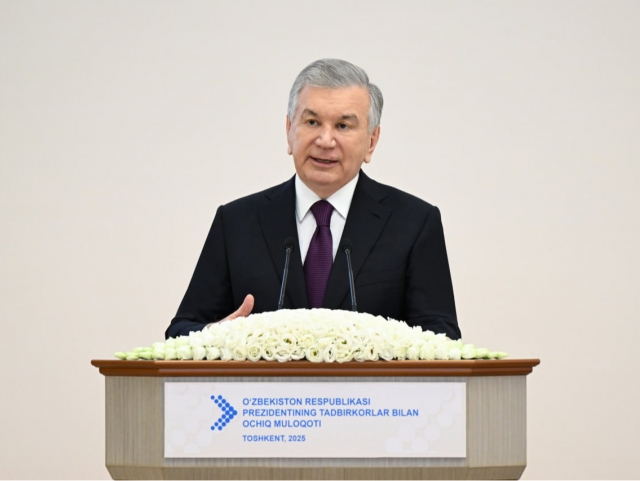
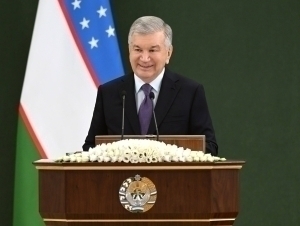
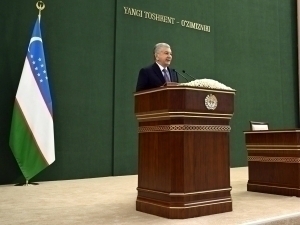
Президент Шавкат Мирзиёев давлат улуши бўлмаган корхоналарга экспортда муддати ўтган қарздорлик учун жарима ҳисоблаш ва ундиришга бир йиллик мораторий эълон қилинишини билдирди. Бу ҳақда у бугун, 20 август куни тадбиркорлар билан очиқ мулоқот чоғида маълум қилди.
Қайд этиш жоиз, айрим минтақалардаги нотинчликлар оқибатида ташқи бозорлардаги тебранишлар, логистикадаги узилишлар экспорт тушумларининг кечикишига олиб келмоқда. Бундай шароитда ўзи шундоқ ҳам пули тушмаётган тадбиркорлар муддати ўтган дебитор қарздорлик учун жарима тўлаяпти.
Билдирилишича, бу масалани жуда кўп тўқимачилик корхоналари ва мева-сабзавот экспортчилари кўтариб, енгиллик сўраган. Давлат раҳбари муаммонинг ечимини айтди – эндиликда давлат улуши бўлмаган корхоналарга экспортда муддати ўтган қарздорлик учун жарима ҳисоблаш ва ундиришга бир йиллик мораторий эълон қилинади.
Маълум қилинишича, ўтган ҳафта 200 дан ортиқ тўқимачилик корхоналари вакиллари билан учрашилиб, соҳани қўллаб-қувватлаш бўйича 7 триллион сўмлик ташаббуслар эълон қилинган. Тез кунларда тўқимачиликда “ишончли экспортчи” дастури бошланиб, экспорт олди молиялаш тизими йўлга қўйилади ва бунинг учун 200 миллион доллар йўналтирилади. Бу электротехника, қурилиш материаллари, озиқ-овқат, фармацевтика каби экспорт салоҳияти юқори, лекин имкониятлари тўлиқ ишга солинмаган соҳалар учун ҳам жорий этилади. Ушбу соҳалардаги тадбиркорларни айланма маблағи учун 500 миллион доллар берилади. Ҳар бир тармоқнинг сифати кафолатланган, рақобатдош 10 тадан маҳсулотига “Ўзбекистон рамзи” сифат белгисини берилиб, уларни дунёга танитиш учун катта тарғибот кампанияси бошланади.
Пойтахт Тошкент ва вилоят марказларидаги корхоналарини меҳнат ресурси, бўш ери кўп туманларга кўчирмоқчи бўлган текстил соҳасидаги тадбиркорларга 10 миллиард сўмгача кредит берилади. Президент ишчи кучи кўп талаб қиладиган бошқа тармоқ корхоналари ҳам бундай ташаббус билан чиқса, уларни қўллаб-қувватлашга тайёрлигини айтди.
Арзон хомашё билан таъминлаш мақсадида 2028 йил 1 январгача аралаш мато ва газламани божхона божидан озод этилмоқда. Лекин бундай муаммо саноатнинг бошқа соҳаларида ҳам бор. Жаҳон банки экспертлари ҳам тариф сиёсати ишлаб чиқаришни рағбатлантириши кераклигини айтмоқда. Очиқ мулоқотга тайёргарлик доирасида барча соҳалардаги тадбиркорлардан бу йўналишда 130 та мурожаат келиб тушган. Давлат раҳбари Бош вазирнинг иқтисодиёт ва инвестицияга масъул ўринбосарларига 1 ноябрга қадар ҳар бир тармоқ, ҳудудий корхоналар талабини ўрганиб, бошқа хомашё ва бутловчи қисмлар учун тарифларни қайта кўриб чиқишни топширди. Эндиликда импорт жараёнида мувофиқлик сертификатлари ҳар бир партияга эмас, шартномада кўрсатилган ҳажм учун берилади.

Live
All