Хитой Ўзбекистонни Тайвань масаласида огоҳлантиргани маълум бўлди
World
−
23 November 2025 59243 3 minutes
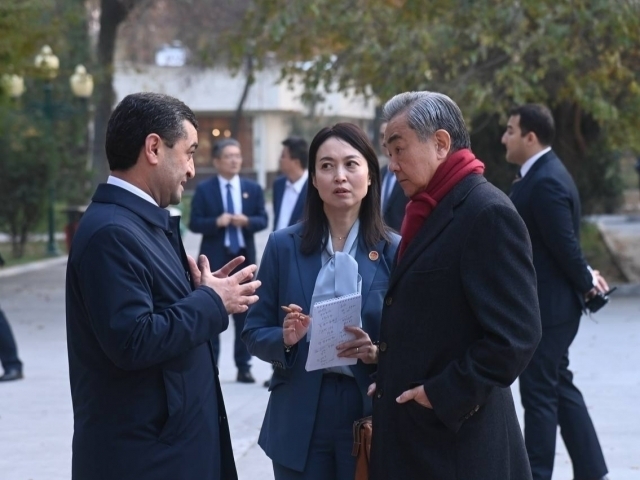
Қирғизистон, Ўзбекистон ва Тожикистонга ташрифи чоғида Хитой Ташқи ишлар вазири Ван И уч мамлакатдаги мавқедошларини Япония Бош вазири Санаэ Такаитининг Тайвань ҳақидаги сўзларига жавобан “қатъий зарба” бериш зарурлиги ҳақида хабардор қилди. Хитойлик дипломат бу ҳақда Марказий Осиёга ташрифидан сўнг маълум қилган.
“Мен уч мамлакат Ташқи ишлар вазирларини Хитойнинг Тайвань масаласидаги принципиал позицияси билан таништирдим ва Япониянинг ҳозирги раҳбариятининг мамлакатимиз асосий манфаатларига очиқчасига тажовуз қилаётган ва Иккинчи Жаҳон урушидан кейин ўрнатилган халқаро тартибни шубҳа остига қўяётган хато сўзлари ҳамда ҳаракатларини фош қилдим”, деб ёзди Хитой Ташқи ишлар вазирлиги веб-сайти Ван Ининг сўзларидан иқтибос келтириб.
У Қирғизистон, Ўзбекистон ва Тожикистон “ягона Хитой” тамойилини ва Пекиннинг охир-оқибат Хитойнинг материк қисмини Тайвань билан бирлаштириш борасидаги саъй-ҳаракатларини қўллаб-қувватлашини билдирган. Ван И уч мамлакат ташқи ишлар вазирларининг бундай очиқ қўллаб-қувватлаши “ўз вақтида” эканлигини таъкидлаган. Унинг сўзларига кўра, Хитой расмийлари ҳам бу мамлакатларнинг ички ишларига аралашишга қарши ва ҳеч қандай шахслар ёки кучларнинг у ерда низо ва беқарорлик келтириб чиқаришига йўл қўймайди.
“Бироқ ҳозирги Япония раҳбарияти Тайвань масаласига ҳарбий аралашув нияти ҳақида нотўғри сигнал юборгани, айтилмаслиги керак бўлган сўзларни айтиб, кесиб ўтилиши керак бўлмаган чегарани кесиб ўтгани ҳайратланарли. Хитой қатъий жавоб зарбасини бериши керак: бу нафақат ХХР суверенитети ва ҳудудий яхлитлигини таъминлаш, балки қон ва ҳаёт эвазига қўлга киритилган Иккинчи Жаҳон урушининг ютуқларини сақлаб қолиш, халқаро адолатни ҳимоя қилиш ва инсон виждонини ҳимоя қилиш учун ҳам зарур”, деб ёзган Ван И.
Эслатиб ўтамиз, Япония ва Хитой ўртасидаги кескинлик Санаэ Такаити жорий йилнинг 7 ноябрь куни парламент муҳокамаси пайтида Тайвань яқинидаги мумкин бўлган ҳарбий инқироз “мавжудлик таҳдиди”ни келтириб чиқариши ва Японияни “коллектив ўзини ҳимоя қилиш ҳуқуқидан” фойдаланишга мажбур қилиши мумкинлигини айтганидан кейин кучайди. Бу Пекинда кучли норозиликни келтириб чиқарди ва Токиога жиддий огоҳлантириш берди. Осакадаги Хитой бош консули Сюэ Цзянь ўзининг ижтимоий тармоқдаги Х (собиқ Twitter) аккаунтида Япония Бош вазирининг “бошини кесиб ташлаш” билан таҳдид қилди, аммо кейинчалик пост ўчирилди. Бироздан кейин Хитой Ташқи ишлар вазирлиги ватандошларини Японияга саёҳат қилишдан огоҳлантирди.
Тайвань 1949 йилдан бери ўз маъмурияти томонидан бошқарилади, ўшанда Чан Кайши (1887-1975) бошчилигидаги Гоминдан партиясининг қолдиқлари Хитой фуқаролар урушида мағлубиятга учраганидан кейин оролга қочиб кетишган. Ўшандан бери Тайбэй коммунистлар ҳокимият тепасига келишидан олдин материкда мавжуд бўлган собиқ Хитой Республикасининг байроғи ва бошқа баъзи атрибутларини сақлаб қолди. Пекиннинг расмий позициясига кўра, у Хитойнинг ҳудуди ва кўплаб мамлакатлар буни тан олади.
Маълумот учун, Хитой Ташқи ишлар вазири Ван И жорий йилнинг 19-22 ноябрь кунлари Тожикистон, Қирғизистон ва Ўзбекистонга ташриф буюриб, ушбу уч мамлакат Ташқи ишлар вазирлари билан стратегик мулоқот ўтказди. Қолаверса, Қирғизистон, Тожикистон ва Ўзбекистон Президентлари Садир Жапаров, Имомали Раҳмон ва Шавкат Мирзиёев қабулида ҳам бўлди.

Live
All