Қуюқ туманга нима сабаб бўлаётгани айтилди
Local
−
01 December 2025 13963 3 minutes

Сўнгги кунларда Ўзбекистон ҳудуди бўйлаб совуқ антициклон таъсири кучайиб бормоқда ва ушбу жараён 2025 йил 5 декабргача сақланиб туриши прогнози қилинмоқда. Бу ҳақда Махсус комиссия хабар берди.
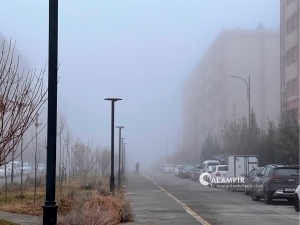
Қайд этилишича, 29 ноябрдан бошлаб совуқ антициклон янада кучайиб, атмосфера босимининг кўтарилиши ва ҳаво ҳароратининг пасайишига олиб келмоқда. Натижада кечаси совуқ, кундузи эса кучсиз илиқ об-ҳаво кузатилмоқда. Совуқ антициклонларга хос бўлган эрталабки туманлар кузатилиши эҳтимоли юқори. Узоқ муддатли инверсия ҳаводаги чанг, тутун ва майда дисперс заррачалар концентрациясининг ошишига, шунингдек, қуюқ туман ҳодисалари эҳтимолининг кучайишига олиб келади. Мазкур жараён ҳавода заррачаларнинг юқорига кўтарилмай, паст қатламларда тўпланиб қолишига сабаб бўлади.
Билдирилишича, сўнгги кунларда атмосферага таъсир кўрсатувчи омилларни камайтириш бўйича катта ҳажмда ишлар амалга оширилди ва ҳозирда ҳам давом эттирилмоқда. Махсус комиссия томонидан Тошкент шаҳри ва унинг атрофида ифлосланиш манбаларини бартараф этиш бўйича кенг кўламли рейд тадбирлари ўтказилмоқда. 24–28 ноябрь кунлари амалга оширилган тадбирлар натижасида:
Иссиқхоналар бўйича:
- Жами 1 449 та иссиқхона ўрганилган, уларнинг 67 тасининг фаолияти тўхтатилган, 403 нафар шахсга маъмурий баённома расмийлаштирилган, 19 та хўжаликка газ тармоқларига уланиш бўйича техник шартлар берилган.
Қурилиш объектлари бўйича:
- Тошкент шаҳрида жами 53 та ноқонуний қурилиш объектлари аниқланган;
- 34 та объект фаолияти вақтинча тўхтатилган, Атмосфера ифлосланиши қайд этилган 186 та ҳолат аниқланиб, 188 нафар шахс маъмурий жавобгарликка тортилган, 51 та қурилиш объектига сувпуркагич ўрнатилган.
Автотранспорт бўйича:
- Юкни очиқ ҳолда ташиган 837 нафар ҳайдовчи, атмосферага меъёридан ортиқ зарар етказган 206 нафар ҳайдовчи жаримага тортилди.
Қўшимча экологик тадбирлар:
- Шаҳар бўйлаб 77 та кўча ва 165 та жамоат жойи намлантирилган, 121 км ариқлар тозаланган, 126 та фаввора ишга туширилган, Тошкент вилоятидаги дарёлардан ноқонуний қум-шағал қазиб олиш бўйича 54 та ҳолат аниқланган.
Ушбу комплекс чоралар натижасида сўнгги кунларда ҳавонинг ифлосланиш даражаси маълум даражада камайди.
Хусусан:
- 24 ноябрь PM2.5 – 171 мкг/м³,
- 25 ноябрь – 152 мкг/м³,
- 26 ноябрь – 140 мкг/м³,
- 27 ноябрь – 111 мкг/м³,
- 28 ноябрь – 97 мкг/м³ гача пасайди.
Бироқ ҳозирги вақтда мамлакат совуқ антициклон таъсирида бўлганлиги сабабли, инверсия ҳодисаси кучайиб, ҳаводаги майда заррачаларнинг муаллақ ҳолда йиғилиб қолиши қайд этилмоқда. Мазкур ҳолат табиий метеорологик жараён бўлиб, ҳавонинг тозаланиш тезлигини пасайтиради.
Шу боис, тегишли давлат идоралари томонидан нафақат қисқа муддатли чоралар, балки узоқ муддатли ечимлар устида ҳам тизимли ишлар олиб борилмоқда. Қолаверса Махсус комиссия томонидан тузилган ишчи гуруҳ томонидан атмосферага зарарли ташламалар чиқараётган манбаларни аниқлаб, бартараф этишга қаратилган кучайтирилган рейд тадбирлари туну кун давом эттирилмоқда.
Эслатиб ўтамиз, аввалроқ Навоийда ҳавони ифлослантирган 20 та корхона ёпилганди.

Live
All