Қозоғистоннинг янги конституциясида сўз эркинлигининг моҳияти аниқ белгиланяпти
World
−
12 February 3781 3 minutes
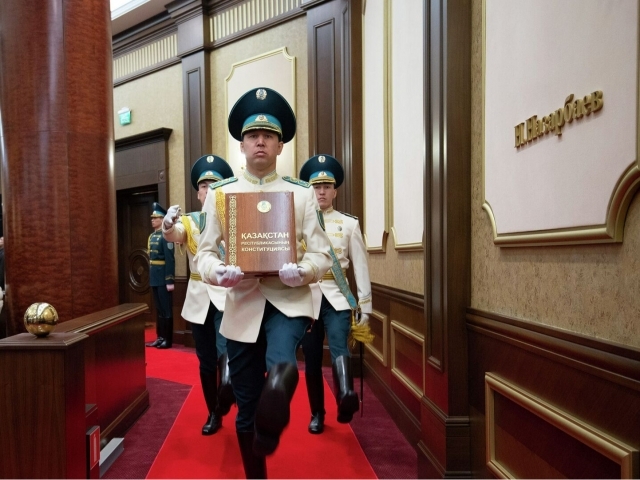
Сўз эркинлиги ва ахборот тарқатиш эркинлиги, Қозоғистоннинг янги конституцияси лойиҳасига кўра, бошқа шахсларнинг шаъни ва қадр-қимматига, шунингдек, фуқароларнинг соғлиғига дахл қилмаслиги керак. Бу ҳақда “Казахстанская правда” газетасида эълон қилинган республика конституцияси лойиҳасида айтилган.
“Сўз эркинлиги ва ахборот тарқатиш эркинлиги бошқа шахсларнинг шаъни ва қадр-қимматига, фуқароларнинг соғлиғи ва жамиятнинг ахлоқига тажовуз қилмаслиги, жамоат тартибини бузмаслиги керак. Цензура тақиқланади”, дейилади ҳужжатда.
Лойиҳада сўз, илмий, техникавий, бадиий ижод эркинлиги кафолатланиши кўрсатилган. Давлат сирларини истисно этганда, ахборотни эркин олиш ва тарқатиш ҳуқуқи қонунда тақиқланмаган ҳар қандай усуллар билан амалга оширилади.
“Конституциявий тузум асосларини зўравонлик билан ўзгартириш, Қозоғистон Республикасининг ҳудудий яхлитлиги, суверенитети ва мустақиллигига тажовуз қилиш, жамоат тартибини бузиш, миллий хавфсизликка путур етказиш, уруш, қуролли можаролар, ижтимоий, ирқий, миллий, этник, диний устунлик ёки нифоқ, шафқатсизлик ва зўравонлик маданиятини тарғиб қилишга, шунингдек, бундай ҳаракатларни содир этишга чақиришга йўл қўйилмайди”, дейилади ҳужжатда.
Қозоғистоннинг амалдаги конституциясида сўз ва ижод эркинлиги кафолатланади, цензура тақиқланади, деб кўрсатилган. Бунда ҳар ким қонунда тақиқланмаган ҳар қандай усулда ахборотни эркин олиш ва тарқатиш ҳуқуқига эга.
Қозоғистоннинг янги конституцияси лойиҳаси бўйича республика референдуми 15 март куни бўлиб ўтади. Унда битта савол берилади: 2026 йил 12 февралда оммавий ахборот воситаларида эълон қилинган Қозоғистон Республикасининг янги конституцияси лойиҳасини қабул қиласизми?
Эслатиб ўтамиз, кеча, 11 февраль куни Қозоғистон Президенти Қосим-Жомарт Тўқаев 2026 йил 15 март куни мамлакатда янги Конституция лойиҳаси бўйича умумхалқ референдумини ўтказиш тўғрисидаги фармонни имзолади. Қозоғистон Конституцияси матнининг 84 фоизи қайта ёзилади, тузатишлар эса 77 та моддани қамраб олади.
Жорий йилнинг 20 январь куни Қизилўрдада бўлиб ўтган Миллий қурултойнинг V йиғилишида Президент Тўқаев мамлакат бир палатали парламент тизимига қайтиши ва у Қурултой деб номланиши, вице-президент лавозими тикланиши, давлат маслаҳатчилари лавозими тугатилиши, шунингдек, Конституцияга қатор ўзгартиришлар киритилишини айтган эди.
Маълумот учун, Қозоғистон Республикаси Конституцияси бугунгача 6 марта ўзгарган ва сўнгги ўзгариш 2022 йилда бўлган эди.
Конституциявий ўзгаришлар:
1998 йилда – президент ва парламент депутатларининг ваколат муддатлари узайтирилди. 2007 йил – пропорционал сайлов тизимига ўтилди ва Биринчи Президентга чексиз марта сайланиш ҳуқуқи берилди. 2011 йил – муддатидан олдин президентлик сайловларини ўтказиш тартиби белгиланди. 2017 йил – айрим президентлик ваколатлари парламент ва ҳукуматга ўтказилди. 2019 йил – пойтахт номи Нур-Султон деб ўзгартирилиши муносабати билан тузатиш киритилди. 2022 йил – умумхалқ референдуми орқали Конституциянинг учдан бир қисми (33 та модда) ўзгартирилди. Президентлик муддати 7 йил – бир марталик этиб белгиланди

Live
All