Қотиллик, гиёҳвандлик, жиноят ва ноқонуний миграция. Туркиядаги ўзбеклар ҳаётидан розими?
Review
−
01 February 5654 5 minutes
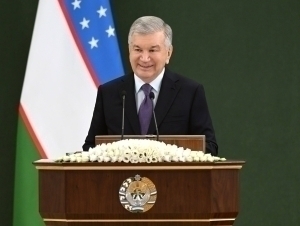
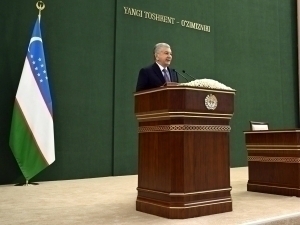
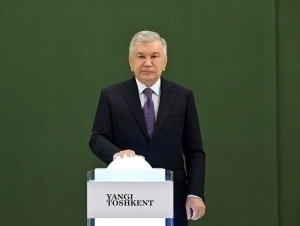
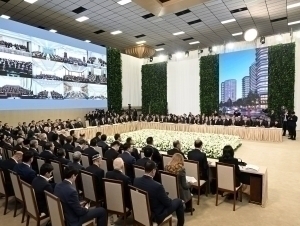
Ўзбекистон-Туркия муносабатлари сўнгги йилларда жадал ривожланиб бормоқда. Икки мамлакат ўртасида 2016 йилда очилган янги саҳифа бугун стратегик ҳамкорлик даражасига етган. Жорий йилнинг 29 январь куни Ўзбекистон Республикаси Президенти Шавкат Мирзиёев 2026 йил ҳисобидан илк хорижий ташрифни айнан Туркияга амалга оширди ва Олий даражадаги стратегик ҳамкорлик кенгашининг тўртинчи йиғилиши бўлиб ўтди. Ушбу ташриф доирасида Истанбулда, таъбир жоиз бўлса, жаҳонда биринчи ўзбек мактаби очилиши учун тамал тоши қўйилди. Бу ҳам бўлса, Туркияда ўзбекистонликларнинг кўпайиб бораётгани ва уларга етарли даражада шарт-шароит яратиш, энг аввало ўз тилида таълим олиш имконияти ва ҳуқуқини беради.
Бугунги кунда, норасмий маълумотларга кўра, Туркияда 130 мингдан ортиқ ўзбекистонликлар яшаб, меҳнат фаолияти билан шуғулланмоқда, таълим олмоқда. Улардан 17 минги расмий ишлаш ҳуқуқига эга. 60 мингдан ортиқ фуқаролар яшаш ҳуқуқини олган. Улар орасида турк фуқароси билан турмуш қурган, яшаётган ёки ўқиётганлар бор.
Туркияда истиқомат қилаётган ва ишлаётган ўзбекистонликларнинг расмий ҳужжат билан бу мамлакатда бўлиши ҳақида гап кетганда, масаланинг яна бир жиҳатини унутмаслик керак. Ўзбекистонликлар 90 кун давомида ушбу мамлакатда визасиз юриш имкониятига эга. 90 кундан ошгандан кейин улар мамлакатнинг миграция органларидан рўйхатдан ўтишлари зарур. Лекин, улар бу масалани мустақил ҳал қила олмайди. Иш берувчилар уларга иш бергани ҳақидаги расмий маълумотномани, суғурта ҳужжатларини миграция органларига тақдим этиши лозим. Жуда кўп иш берувчилар қўшимча солиқ юки ва жавобгарликдан қочиши оқибатида ўзбекистонликларга бундай ҳужжатларни тақдим этмайди. Мигрантлар эса ойлик маоши камаймаслиги ҳисобига ўзаро оғзаки келишувга рози бўлади.
Бугун ўзбекистонлик меҳнат муҳожирларини дунёнинг кўплаб давлатларида учратиш мумкин, жумладан, Туркия йиллар давомида минглаб ўзбекистонликлар учун иш, таълим ва тирикчилик манзилига айланган. Истанбул шаҳри эса бу жараённинг марказида турибди. Куни кеча Истанбулда бўлиб қайтган QALAMPIR.UZ жамоаси Туркияда ўзбекистонликлар энг кўп истиқомат қиладиган ҳудудлардан бири – Оқсарой ва Лалели мавзесида бўлиб, бу ерда яшаётган ватандошлар билан суҳбатлашди. Улар ўзларини қийнаётган масалалар – ҳужжат муаммолари, меҳнат шароити, хавфсизлик ва жамиятдаги муносабатлар ҳақида очиқ гапирди.
Сўровнома иштирокчиларининг деярли барчаси бир фикрда якдил: ҳужжат бўлмаса, ҳамма нарса қийинлашади. Иш топиш, эркин ҳаракатланиш, ижарага уй олиш, ҳатто, оддий кундалик ҳаёт ҳам мураккаблашади. Сўнгги йилларда ҳужжат расмийлаштириш харажатлари ошгани, ижара нархларининг қимматлашгани мигрантлар ҳаётини янада оғирлаштирган.
Шу боис айримлар Туркияда узоқ қололмай, Ўзбекистонга қайтишга мажбур бўлаётгани, бошқалар эса яна қайтиб келаётганидан ёзғиради. “Ҳужжат бўлса – меҳнат қиласан, меҳнат бўлса – роҳатини кўрасан”, дейди суҳбатдошларимиздан бири.
Мамлакат полицияси томонидан мунтазам ўтказиб келинадиган ноқонуний миграция бўйича рейдлар масаласида респондентлар турлича фикрда. Айримлар рейдга тушганини, бироқ ҳужжатлари жойида бўлгани сабаб муаммосиз қўйиб юборилганини айтса, бошқалар узоқдан полициянинг шарпаси кўринса, яширинишга ҳаракат қилишини очиқ гапирди. Умумий хулоса шуки, қонуний юрган, ҳужжати бор инсон учун Туркияда жиддий хавф йўқ.
Аксинча, ҳужжатсиз ёки ноқонуний фаолият билан шуғулланганлар ўзлари ва бошқалар учун муаммо туғдирмоқда.
Шунингдек, охирги пайтларда Туркияда ўзбекистонликлар иштирокида ёки уларга нисбатан содир бўлаётган жиноятлар жамоатчиликни ташвишга солмоқда. Туркияда яшаётган хорижликлар, жумладан ўзбекистонликлар хавфсизлиги масаласи ҳам бир неча йилдирки диққат-эътиборда. Хусусан, жорий йилнинг 24 январь куни Истанбулда икки нафар ватандоши томонидан ўлдирилган ўзбекистонлик Дурдона Ҳакимова иши кўплаб саволларни келтириб чиқарди. Бу ҳолат нафақат бир аёл фожиаси, балки Туркияда яшаб, ишлаётган минглаб ўзбекистонликлар учун ҳам хавфсизлик масаласини қайта кўтарди. Аёллар ўлими билан боғлиқ воқеалар нафақат ўзбекистонликлар, балки Туркия аёллар жамоатчилиги ва фаолларини ҳам ларзага солган.
Сўровнома иштирокчиларининг фикрича, айрим ўзбекистонликларнинг жиноятга аралашуви ёки ноқонуний ҳаёт тарзи бутун миллат обрўйига салбий таъсир кўрсатмоқда. “Бир кишининг хатоси учун бошқалар ҳам босимга тушяпти”, дейди ватандошлар.
Шу билан бирга, суҳбатдошлар жиноятни миллат билан боғлаш нотўғри экани, Туркияда кўплаб турк аёллари ҳам ўзбекистонлик аёллар ҳуқуқларини ҳимоя қилиб, митинглар ўтказганини эслатди. Бу эса муаммо миллат эмас, балки ижтимоий ва ахлоқий эканини кўрсатади.
Сўровнома давомида энг аччиқ тан олинган масалалардан бири – ўзбекистонликларнинг бир-бирига муносабати бўлди. Айримлар бир-бирини сотиш, ҳасад, рашк ва ишончсизликдан шикоят қилди. Иш жойларида ўзаро қўллаб-қувватлаш ўрнига, аксинча, муаммо туғдираётган ҳолатлар борлиги айтилди. Шу билан бирга, ҳамма жойда ҳам вазият бир хил эмаслиги, ўзаро ёрдам ва қўллаб-қувватлаш мавжуд жамоалар ҳам борлиги қайд этилди.
Респондентларнинг катта қисми Туркия ҳукумати ва жамиятининг ўзбекистонликларга нисбатан муносабатини ижобий деб баҳолади. “Қонуний яшасанг, ҳеч ким сени ажратмайди”, дейди узоқ йиллардан бери Туркияда истиқомат қилаётган юртдошимиз.
Турклар ўзбекистонликларни тарихий ва маданий жиҳатдан яқин деб билиши, кўплаб ҳолларда илиқ муносабат кўрсатиши ҳам алоҳида таъкидланди.
Ушбу репортажни тўлиқ шаклда юқоридаги видеоплеерда ёки QALAMPIR.UZ’нинг YouTube-каналида томоша қилишингиз мумкин.

Live
All