Қисқа видеолар мияга алкоголь каби зарарли – тадқиқот
Wellness
−
18 August 2025 7084 2 minutes
Тяньцзинь педагогика университети олимлари TikTok ва Instagram’даги қисқа видеоларга ҳаддан ортиқ берилиб кетиш нафақат ҳордиқ бағишлашини, балки миянинг ишлашини ҳам салбий томонга ўзгартиришини аниқлади. Бу ҳақдаги тадқиқот “NeuroImage” журналида эълон қилинди.
Олимларнинг аниқлашича, қисқа видеоларни фаол томоша қиладиган инсонларда миянинг “мукофот” тизими – спиртли ичимлик истеъмолида ёки қимор ўйинларида фаоллашадиган нейрон занжирлар кучаяди. Бунда импульсивлик, диққатни жамлаш ва ҳиссий регуляцияга масъул бўлган ҳужайралардаги алоқалар ўзгаради. Яъни, мия “допаминга ҳаддан ташқари тўйинтирилади” ва оддий завқ манбаларига ёмонроқ жавоб қайтара бошлайди.
Бунинг оқибатида китоб ўқиш, кечки овқат ёки одамлар билан суҳбат қисқа видеороликдан камроқ жозибадор туюлиши мумкин. Бу эса одатда қарамлик шаклланиши механизмини эслатади – қондирилиш учун тобора кучлироқ стимул керак бўлади.
Айниқса, миянинг қарор қабул қилиш ва диққат марказлашувига жавобгар префронтал қобиғи зарар кўради. Тезкор, ёрқин стимулларнинг ортиқча оқими инсоннинг бир вазифага эътибор қаратишига, маълумотни ёдда сақлашига ва импульсларини назорат қилишига халақит беради. Нейробиологларнинг айтишича, бу каби ўзгаришлар спиртли ичимликларни ҳаддан ташқари кўп истеъмол қилиш ортидан кузатиладиган когнитив бузилишларга ўхшайди.
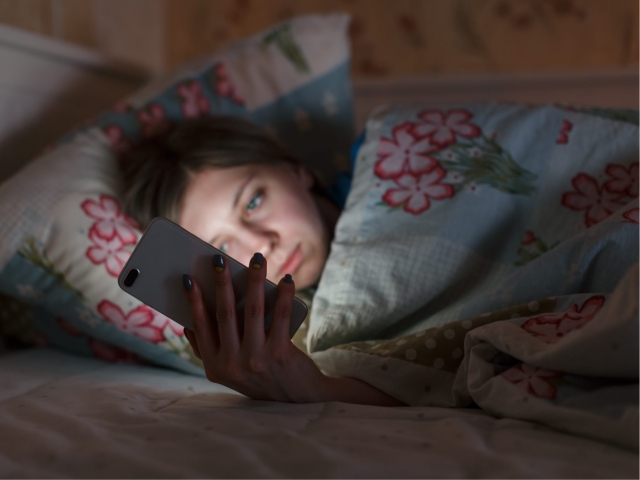
Тадқиқотчилар кечаси TikTok ёки Reels томоша қилиш хавфига алоҳида эътибор қаратмоқда. Экраннинг ёрқин нури ва ҳиссий жиҳатдан кучли контент сиркадий ритмини (инсон организмидаги 24 соатлик биологик вақт) бузади, мелатонин ишлаб чиқилишини секинлаштиради ва организмни уйқу босқичига ўтишига халақит беради. Бу эса хотира ва ўрганишга жавобгар гипокамп фаолиятида акс этади. Оқибатда, инсон янги маълумотни ёмонроқ ўзлаштиради ва ҳатто етарли соат ухласа ҳам эрталабки “хиралик”ни ҳис қилади.
Мутахассислар платформалардан онгли фойдаланишни маслаҳат бермоқда. Хусусан, экран олдида ўтказиладиган вақтни чеклаш, танаффуслар қилиш, онлайн фаолликни рангба-ранг қилиш. Бундай рақамли “гигиена” тафаккур равшанлиги ва руҳий саломатликдан воз кечмаган ҳолда кўнгилочар материаллардан баҳраманд бўлиш имконини беради.
Эслатиб ўтамиз, аввалроқ ChatGPT каби сунъий интеллектга асосланган чат-ботлар билан мулоқот баъзи фойдаланувчиларда реал ҳақиқатни қабул қилишда оғир бузилишларга олиб келгани хабар қилинганди.

Live
All