“Қаттиқ қўл” сиёсати: Ташиев феномени нималарга таъсир ўтказди?
World
−
12 February 10027 9 minutes
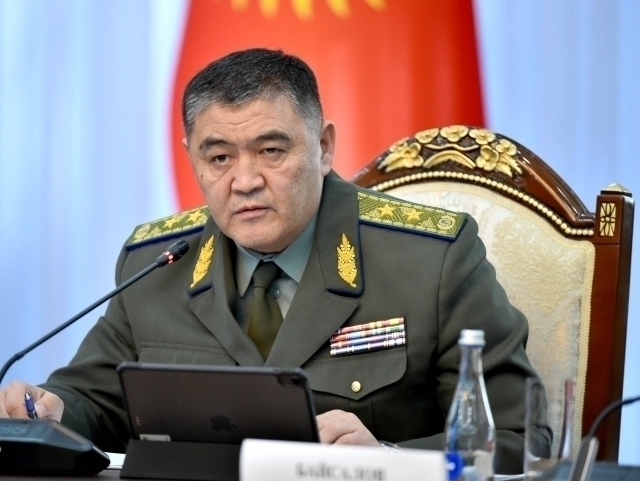
Аввалроқ, Камчибек Ташиев Қирғизистон Миллий хавфсизлик давлат қўмитаси (МХДҚ) раиси ва Вазирлар кабинети раиси ўринбосари лавозимидан олингани ҳақида хабар берилган эди. Ортидан унинг ўринбосарлари ҳам лавозимларидан маҳрум бўлди. МХДҚ бошлиғи вазифасини бажарувчи сифатида Жумгалбек Шабданбеков тайинланди.
Худди шу куни Президент Садир Жапаров фармони билан Чегара хизмати МХДҚ таркибидан чиқарилди, шунингдек, юқори лавозимли шахсларни муҳофаза қилувчи 9-махсус бўлинма алоҳида орган сифатида ташкил этилиб, тўғридан тўғри Президентга бўйсунадиган қилинди. Шу тариқа кўплаб асосий функциялар жамланган давлат қўмитаси ваколатлари кескин қисқарди. Куч ишлатар тузилмалари манбаларининг билдиришича, бу фақат бошланиши – МХДҚни жиддий ислоҳотлар кутмоқда. Келажакда махсус хизматлар асосан контрразведка, разведка, экстремизм ва терроризмга қарши кураш билан шуғулланади.
Қирғизистонлик сиёсий таҳлилчи ва эксперт Эдил Байсалов бу жараённи “маълум бир сиёсий-тарихий босқич кутилмаган тарзда якунланиши”, дея таърифлаган.
МХДҚ Ташиев даврида
Қамчибек Ташиев 2020 йил 16 октябрь куни МХДҚга раҳбарлик қила бошлади. Беш йил ичида қўмита мамлакатнинг асосий куч тузилмасига айланиши билан бирга, ўз таъсирини сезиларли даражада кенгайтирди. 2020 йил ноябрь ойида Давлат чегара хизмати МХДҚ назоратига ўтказилди. Президент маъмурияти бунинг сабабини контрабанда, жиноятчилик гуруҳларининг кириб келиши, гиёҳванд моддалар ва қуролнинг ноқонуний импортига қарши курашни кучайтириш билан изоҳлаган эди. 2021 йил март ойида Давлат иқтисодий хавфсизлик хизмати тугатилди ва унинг функциялари ҳам МХДҚга топширилди.
Ташиев даврида яна бир ташаббус – солиқ, божхона ва прокуратура тизимларида махсус унвонларни ислоҳ қилиш бўйича қонун лойиҳаси ишлаб чиқилди. Ушбу тизим ходимларига пойабзал, форма ёки ҳарбий унвон олишни тақиқлади, бу ҳуқуқ фақатгина муҳофаза қилувчи органларгагина берилди. Қизиқ томони, бу масала 10 февраль куни парламентнинг тегишли қўмитаси томонидан Ташиев мурожаати асосида фавқулодда кўриб чиқилди.
Шу билан бирга кўплаб давлат идораларида ички хавфсизлик бўлимлари кучайтирилди, МХДҚ собиқ ходимлари эса фуқаролик идораларида раҳбар лавозимларига тайинлана бошланди. Масалан, собиқ Жалолобод вилояти МХДҚ бошқармаси раҳбари Қанибек Дўсмамбетов Соғлиқни сақлаш вазири бўлди.
Ташиевнинг айтишича, 2020 йилга келиб қўмита таназзул ҳолатига тушиб қолган, ҳудудий бўлинмалардаги ходимлар эса етарли шароит йўқлиги сабаб эски кутубхоналар ва маданият уйлари биноларида тор ва ноқулай жойларда фаолият юритишга мажбур бўлган. Ходимларда деморализация (руҳий тушкунлик, лоқайдлик) бўлган, коррупциялашган, ҳатто жиноий гуруҳларга маълумот берган ходимлар ҳам бўлган. Унинг раҳбарлигида МХДҚнинг туман бошқармалари учун янги бинолар барпо этила бошланди, махсус хизмат ходимлари учун уйлар, боғчалар, оромгоҳлар қурилди.
Уюшган жиноий гуруҳларга қарши кураш
МХДҚнинг асосий йўналишларидан бири уюшган жиноятчиликка қарши кураш бўлди. Ташиев уюшган жиноий гуруҳлар (УЖГ) ҳудудларда деярли иккинчи ҳукумат сифатида фаолият юритганини қайд этган. Ушбу курашнинг қатъий бошланиши 2023 йил 3 октябрда ўтказилган махсус операция бўлди. Операция давомида жиноят оламидаги авторитет Қамчи Колбаев йўқ қилинди. Шундан сўнг мамлакат бўйлаб оммавий ҳибсга олишлар бошланди. Ташиев ўз чиқишларида бир неча бор бундан буён Қирғизистонда УЖГлар бўлмаслигини таъкидлаган. Унинг “биз уларни фош қиламиз” ва “ҳурматли бандитлар” деган иборалари эса ижтимоий тармоқларда мемларга айланган.
“Мен шахсан УЖГларга қарши курашнинг бошидаман. Ортимда миллий хавфсизлик органлари, ҳуқуқни муҳофаза қилувчи органлар, прокуратура, суд. Биргаликда УЖГларни йўқ қиламиз”, деган Ташиев.
Бу жараён бизнесни ҳам қамраб олди. Бир қатор йирик тадбиркорлар жиноий гуруҳларни молиялаштиришда гумон қилиниб, ҳибсга олинди. Ўрта бизнес ҳам махсус хизматлар эътиборидан қўрқадиган бўлиб қолди. Шунингдек, Ташиев ўз навбатида жорий йил 1 январдан ноқонуний текширувлар ўтказилишини тўхтатишга ваъда ҳам қилган эди.
Кустуризация
Садир Жапаров коррупцияга қарши кескин кураш олиб боришни ваъда қилган. Дастлаб ҳибслар, жиддий жиноят ишлар, амалдорларнинг ҳибсга олиниши бошланди. Бироқ кўп ўтмай кўпчилик ҳолатларда ҳақиқий жазолар қўлланилмагани маълум бўлди – кўплаб шахслар давлатга зарар ёки мол-мулкни қайтариш эвазига жазони енгиллатиш имкониятига эга бўлди. Бу жараён оммавий ахборот воситаларида “кустуризация” деб аталган.
Садир Жапаров ҳокимиятга келгач, коррупцияга қарши муросасиз кураш олиб боришга ваъда берган эди. Дарҳақиқат, қўлга тушириш операциялари, шов-шувли жиноят ишлари ва амалдорларнинг ҳибсга олиниши бошланди. Бироқ кўп ўтмай маълум бўлдики, амалдорлар ҳар доим ҳам ҳақиқатда қамоқ жазоси билан жазоланмаган. Кўп ҳолларда айбланувчиларга етказган зарарини қоплаш, пул ёки мол-мулкни давлатга қайтариш эвазига жазони енгиллаштириш таклиф этилган. Халқ орасида бу механизм “кустуризация” деб аталган.
Ташиевнинг айтишича, 5 йил ичида давлатга 300 млрд сомдан ортиқ (салкам 3,5 миллион АҚШ доллари) мол-мулк ва активлар қайтарилган, мингдан ортиқ корхона ва бошқа объектлар ҳамда 30 минг гектардан ортиқ ер ҳам қайтариб олинган.
2024 йилда МҲДҚ ташаббуси билан коррупцияга оид қонун қабул қилинди: жазо муддатини белгилаш, коррупцияда айбланган шахслар ва уларнинг яқинларига умрбод давлат хизматида ишлаш тақиқланди.
МҲДҚ – ҳар жойда, ҳар ишда
Расмий ваколатлар қонуний жиҳатдан деярли кенгайтирилмаган бўлса-да, амалда МХДҚ полиция, маҳаллий органлар ва ҳатто санитария хизматларига оид функцияларни амалга ошира бошлади ва бу ишлар кўпинча Ташиевнинг шахсий топшириғи билан бажарилган.
Фоҳишаликка қарши кураш
2023 йил ноябрида, МХДҚнинг навбатдаги биносининг очилиш маросимидаги нутқида Ташиев мамлакатдаги фоҳишалик масаласига тўхталиб ўтган:
“Агар биз бу ҳақда гапирмасак, ким гапиради? Кўриниб турибдики, биз каби одамлар бундай мавзуларни кўтарадиган бўлсак, халқ ва жамият эътибор беради. Чунки сўнгги пайтларда қизларнинг, айниқса, талабалар хулқи жуда бузилган. Қишлоқлардан Бишкекка ўқишга келишади, ота-оналарининг пулини олиб келишади, ўқишади, сўнгра эса фоҳишалик билан шуғулланадиган бўлишади”, дея ходимларга шаҳар ва масканлардаги борделлар (ноқонуний жинсий хизматлар кўрсатиладиган маскан)ни йўқ қилишни топширган.
Шундан сўнг дарҳол мамлакат бўйлаб массаж салонлари, сауна, караоке-барлар ва меҳмонхона хоналари номи остида яшириниб, интим хизматлар кўрсатган борделлар тармоғини аниқлаш бўйича операциялар бошланди. Бироқ МХДҚ ходимларининг иш услуби инсон ҳуқуқлари фаоллари орасида норозилик уйғотди, чунки аёлларнинг шахсий маълумотлари бутун мамлакатга тарқатилган эди.
Энг шов-шувли ҳолатлардан бири 2023 йил 27 ноябрда содир бўлди. МХДҚ137 нафар жинсий хизмат кўрсатувчи аёл ҳибсга олингани ҳақида хабар тарқатди. Хабарда барча аёлларнинг фотосуратлари ва баъзиларнинг шахсий маълумотлари берилган эди. МХДҚ бу ҳаракатларни “профилактик чора-тадбирлар” деб изоҳлаган.
Тиббиёт
2023 йилда давлат қўмитаси стоматологик клиникалар фаолиятини текширишга киришди. Солиқ мажбуриятлари бажарилишида, лицензиялар берилишида ва санитария-эпидемиологик меъёрларга риоя қилинишида бузилишлар аниқланган. Масалан, Жалолобод вилоятидаги 122 та клиникадан 78 тасида жиддий қонунбузарликлар топилган. Шунингдек, ноқонуний санитария-эпидемиологик гувоҳномалар бериш билан боғлиқ коррупция схемасини ташкил этишда гумон қилинган Давлат гигиена ва эпидемиологик назорат хизмати ходимлари ҳибсга олинган.
Текширувлар гўзаллик салонлари ва beauty-клиникаларда ҳам ўтказилиб, у ерда сифатли бўлмаган ва контрабанда дорилар ишлатилгани аниқланган.
Миллий хавфсизлик органи салонларни текшириш сабабини шундай тушунтирди: “Яқин келажакда бу миллатнинг генофонди хавф остида қолиши мумкин, чунки кўпчилик ёш қизлар косметолог хизматларидан фойдаланади”.
Таълим
Миллий хавфсизлик давлат қўмитаси таълим соҳасида коррупцияни аниқлашни бошлади. Масалан, биринчи синфларга болаларни қабул қилиш учун пора олаётган пайтда бир қатор пойтахт мактаблари директорлари қўлга олинди. Ўтган йили МХДҚ мактаблардаги электрон қабул қилишни текширгач, сохта қайд ҳолатларини ҳам аниқлаган. Таълим вазирлиги ота-оналар ва мактаб раҳбарларини огоҳлантириб, биринчи синфларга қайд эттириш МХДҚ назорати остида эканлигини маълум қилган.
Шунингдек, МХДҚ таъсири остида 12 йиллик таълимга ўтиш режаси ўзгартирилди. Дастлаб, 2025-26 ўқув йилида биринчи ва иккинчи синфларга бир вақтда қабул қилиниши билан бирга, ўқувчиларни синфлар бўйлаб ўтказиш ҳам режалаштирилган эди. Масалан, учинчи синфни тугатган ўқувчилар тўғридан тўғри бешинчи синфга, олтинчи синфни тугатганлар саккизинчи синфга ўтиши керак эди. Аммо ота-оналарнинг норозилиги ортидан Қамчибек Ташиев мактаб ислоҳотларига ҳам қизиқиш билдирди. Унинг аралашувидан сўнг Таълим вазирлиги режани ўзгартирди.
Университетлар ҳам МХДҚ эътиборидан четда қолмади. Давлат қўмитаси текширувларидан сўнг бир қатор олий таълим муассасалари раҳбарлари лавозимидан озод қилинди, минглаб талабалар эса ҳайдалди. Шунингдек, Ташиев шахсан талабаларни дарсларга қатнашмаслик ва сессияларни ўз вақтида ёки тўлиқ топширмаганларни жазолаш билан огоҳлантирди.
Озиқ-овқат хавфсизлиги
Гарчи озиқ-овқат хавфсизлиги расмий равишда тегишли хизматлар ваколатига кирса-да, МХДҚ ҳам бу масалаларга аралашган. Масалан, 2025 йил июль ойида давлат қўмитаси “Корзинка” дўконида муддати ўтган маҳсулотларни аниқлади. Махсус хизматлар компания 5-6 йил давомида муддати ўтган соуслар, пишлоқлар, денгиз маҳсулотлари ва деликатесларни импорт қилиб, уларни Бишкекдаги йирик бозорлар, кафелар ва ресторанларга янги маҳсулотлар сифатида сотганини аниқлади. Ишни якунлаш учун МХДҚ ходимлари маҳсулотларни йўқ қилиш ишларини ҳам амалга оширган. Ун, гўшт ва бошқа маҳсулотлар нархининг ошиши масалалари ҳам Ташиев назоратида бўлган.
Оилавий зўравонликка қарши кураш
Оилавий зўравонлик билан кураш – бу асосан милиция ва ижтимоий хизматлар ваколатига киради, аммо Ташиевнинг топшириғига биноан МХДҚ ҳам фаол шуғулланди. У зўравонлик қурбонига айланган аёлларга МҲДҚга мурожаат қилишни тавсия қилган ва айрим жиддий ҳолатларни шахсан назорат қилган.
Энергетика
2025 йил ноябрида энергетика инқирози фонида Ташиев шаҳар ва ҳуқуқни муҳофаза қилувчи органларга кафелар ва ресторанларга 22:00 дан кейин ишлашни тақиқлаш, қоидабузарлик юз берса электр таъминотини узиш бўйича топшириқ берди. Расмий равишда МХДҚ бу билан шуғулланмаган бўлса-да, Ташиевнинг шахсий талаби самара берди. Бишкек, Ўш ва бошқа йирик шаҳар ҳокимиятлари навбатма-навбат чекловлар жорий қилганини хабар берди. Шунингдек, унинг сўзларига кўра, Қирғизистонда 2026 йил баҳоригача криптоферма фаолиятига тақиқ қўйилди.
Фуқаролик жамиятига босим
МХДҚнинг таъсири ортиб бориши билан фуқаролик секторга босим ҳам кучайган. Журналистлар, ҳуқуқ фаоллари ва активистлар тез-тез чақиртиришлар, ҳибслар ва тинтувлар ҳақида гапиришган. Оддий фуқаролар, айниқса ижтимоий тармоқларда фаол бўлганлар ҳам бу босимни сезишган. Масалан, Instagram’даги машҳур “Бабский блог” администратори 22:00 дан кейин кафе ва ресторанларнинг ишлашига қўйилган чекловлар сабабли бизнесга зарар етиши ҳақида жойлаган ҳикояси учун МХДҚга чақиртирилган. МХДҚнинг эътиборига тушмаслик учун тадбиркорлар, сиёсатчилар ва жамият фаоллари яъни оммавий ва сиёсий ҳаётда фаол бўлганлар ўзларини камроқ намоён қилишга мажбур бўлган.
Шу мисоллардан кўриниб турибдики, МХДҚ 5 йил ичида у жиноятчилик ва коррупцияга қарши курашдан тортиб бозор нархлари ва биринчи синфларга ўқувчи қабул қилишни амалга оширувчи оддий махсус хизматдан универсал органига айланган.
Эъзоза Олимова

Live
All