Глобал сув инқирози кенгаймоқда – БМТ
World
−
15 December 2025 4581 3 minutes
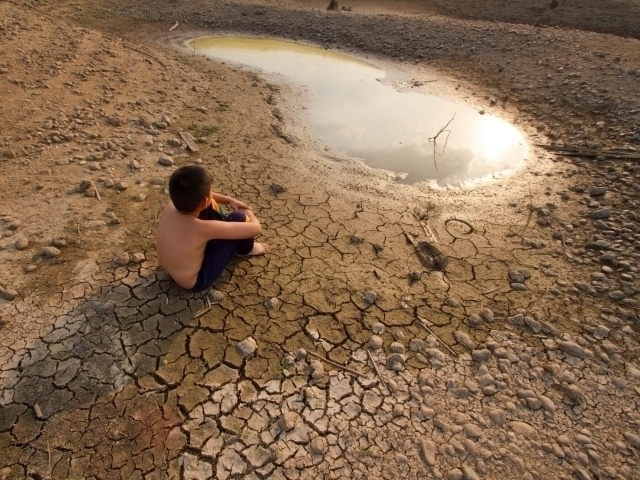
Аҳоли жон бошига тўғри келадиган қайта тикланадиган сув ресурслари ҳажми пасайишда давом этмоқда ва сўнгги ўн йил ичида яна 7 фоизга камайди. Бу ҳақда БМТнинг Озиқ-овқат ва қишлоқ хўжалиги ташкилоти (FAO) томонидан эълон қилинган AQUASTAT маълумотлар базасининг янги шарҳида қайд этилган.
Қайд этилишича, гап табиий гидрологик айланиш натижасида ҳар йили янгиланиб турадиган чучук сув ресурслари ҳақида бормоқда. FAO маълумотларига кўра, Марказий Осиёда 2015 йилдан буён аҳоли жон бошига тўғри келадиган қайта тикланадиган сув ресурслари 12 фоизга қисқарган. Бу кўрсаткич дунёдаги энг юқори даражалардан бири ҳисобланади.
FAO мутахассислари сув танқислиги даражасини баҳолаш учун “сув стресси”, яъни сув ресурсларига тушаётган юк кўрсаткичидан фойдаланади. Бу кўрсаткич сув олиш ҳажмининг мавжуд сув захираларига нисбатан фоизини акс эттиради. Марказий Осиё сувдан фойдаланиш тузилмаси сабабли юқори “сув стресси”га дуч келмоқда: минтақада олинадиган сувнинг 82 фоизи қишлоқ хўжалиги ҳиссасига тўғри келади.
Шунга қарамай, FAO Марказий Осиёда сув ресурсларини бошқаришда ижобий ўзгаришлар борлигини қайд этади. Жумладан, чучук сувни умумий олиш ҳажми 9 фоизга қисқарган (2015 йилдаги 123 миллион куб метрдан 2022 йилда 112 миллион куб метргача), “сув стресси” даражаси эса 76,8 фоиздан 70,2 фоизгача тушган, яъни 8,6 фоизлик камайиш кузатилган.
Маълумотларга кўра, чучук сув ресурсларига босим дунёнинг барча минтақаларида ортиб бормоқда. 2022 йилда дунё бўйича ўртача “сув стресси” даражаси 18 фоизни ташкил этган, бироқ айрим ҳудудларда бу кўрсаткич анча юқори:
- Шимолий Африка – 121 фоиз;
- Жанубий Осиё – 76,7 фоиз;
- Марказий Осиё – 70,2 фоиз;
- Ғарбий Осиё – 65,1 фоиз.
“Стресс”нинг юқори даражаси йил давомида олинаётган сув ҳажми табиий йўл билан тўлдириладиган сув миқдорига яқинлашаётганини ёки ундан ошиб кетаётганини англатади. Бу эса сув экотизимлари ва иқтисодиётнинг барқарорлигига жиддий хавф туғдиради.
Қайд этилишича, қишлоқ хўжалиги ҳанузгача дунёда сувдан фойдаланадиган энг йирик соҳа бўлиб қолмоқда. Шу билан бирга, Европа ва Шимолий Америкада сувнинг нисбатан кичик қисми – 34 фоизи қишлоқ хўжалигида ишлатилади, бироқ бу ҳудудлар глобал саноат сув истеъмолининг қарийб ярмига (47 фоиз) тўғри келади.
FAO баҳосига кўра, сувдан фойдаланиш самарадорлигини ошириш борасида айрим минтақаларда, жумладан, Марказий Осиёда ижобий силжишлар мавжуд. Бироқ қурғоқчил ҳудудларнинг аксариятида “сув стресси” даражасининг юқорилиги узоқ муддатли мослашув чораларини ва барқарор сув бошқаруви зарурлигини кўрсатмоқда.
Эслатиб ўтамиз, аввалроқ Марказий Осиё сув танқислиги чегарасига кескин яқинлашаётгани, минтақанинг йирик шаҳарларини бу чегара ортида бугун Эрон пойтахти Теҳронда кузатилаётганга ўхшаш инқироз кутиши мумкинлиги ҳақида хабар берилган эди.

Live
All