Япониянинг илк аёл Бош вазири ҳақида нималар маълум?
Review
−
21 October 2025 7335 8 minutes
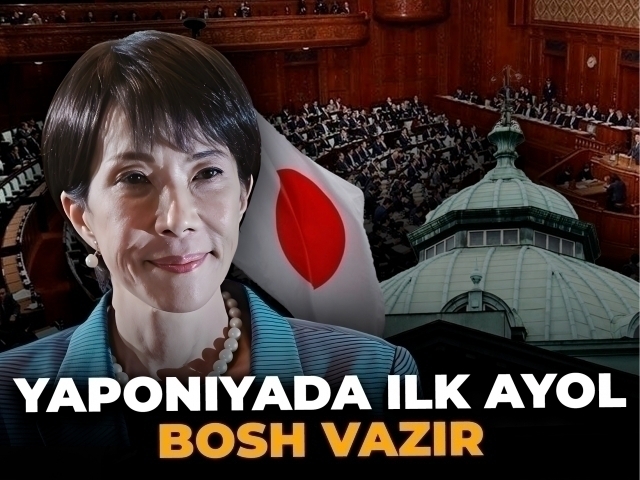
Яна бир аёл киши қудратли давлатлардан бирини бошқарадиган бўлди. Япониянинг янги Бош вазири бутун мамлакат тарихида ҳукуматни идора қиладиган илк аёл экани ҳам эътиборга молик. 21 октябрь куни Япония парламенти Санаэ Такаитини мамлакатнинг янги Бош вазири сифатида тасдиқлади.
Санаэ Такаити бутун ҳаёти давомида зарбли чолғу асбобларини яхши кўрган. Коллеждаги гуруҳда барабанчи бўлганидан бери, 64 ёшли сиёсатчи Black Sabbath ва Iron Maiden каби гуруҳларнинг мухлиси бўлиб қолган. Япония ОАВларининг хабар беришича, у шунчалик қаттиқ чалар эдики, барабан таёқчалари синиб қолмаслиги учун ҳар доим тўрт жуфт захира таёқчани ҳам олиб юрар эди. Япониянинг яқинда сайланган Бош вазири ҳали ҳам бу мусиқага ўзгача меҳр билан қарайди. Унинг уйида электрон барабан бор ва у, айниқса, турмуш ўртоғи билан боғлиқ стрессни енгиш учун барабанини чалади.
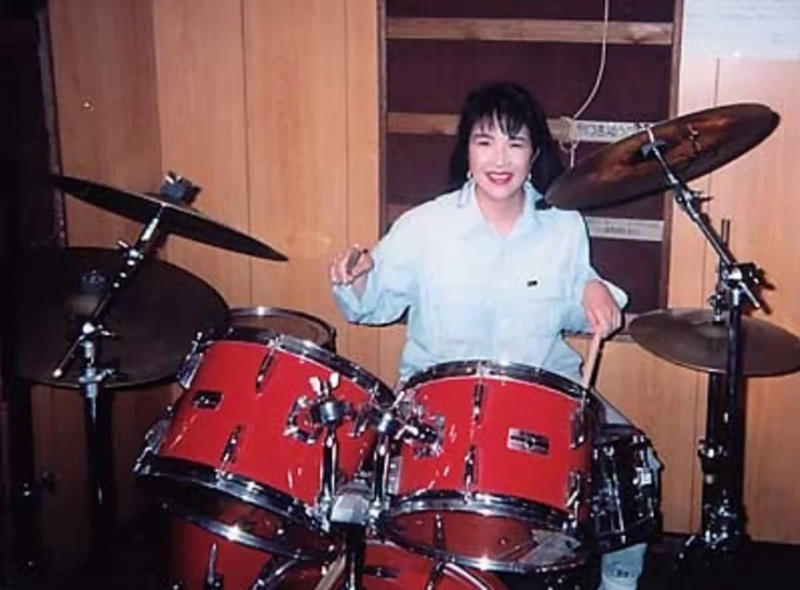
“Мен у ухлаб қолганидан кейин чаламан”, деди у япониялик ютубер билан сўнгги суҳбат чоғида ҳазил билан.
Мана шу “хеви-метал руҳи” унинг барқарор, бироқ ноодатий сиёсий ўсиш йўлини ҳам белгилаб берган. Қатъий консерватор ва кўп йиллик парламент аъзоси бўлган Такаити 21 октябрь куни Япония парламенти томонидан мамлакатнинг янги Бош вазири сифатида тасдиқланди. Япониянинг илк аёл бош вазири сифатида у энди улкан муаммолар рўйхатига дуч келади.
“Япониянинг Тэтчери” бўлиш орзуси
Такаити узоқ йиллар давомида миллий ва анъанавий қадриятларга асосланган консерватив сиёсатни қўллаб-қувватлаб келган. Унинг ғалабаси – эркаклар ҳукмронлиги кучли бўлган Япония сиёсий тизимида кутилмаган ютуқ бўлиб, анъанавий консерватизм ҳануз тирик эканини кўрсатди ва ҳукмрон ЛДП (Либерал-демократик партия) сайловчиларига умид бағишлади.
У миллатпарвар лобби гуруҳи Nippon Kaigi (“Япония конференцияси”)нинг фаол аъзоси бўлиб, ватанпарвар таълим тизимини илгари суради. Шунингдек, у Япониянинг тинчликни эълон қилувчи конституциясига, айниқса, урушдан воз кечиш ва ҳарбий кучларни тақиқловчи 9-моддасига ўзгартириш киритиш тарафдори.
Эркак сиёсатчиларнинг кўпчилигидан фарқли равишда, Такаити сиёсий оиладан эмас. У Нара префектурасида автомобиль компаниясида ишлаган отаси ва полициячи онасининг қизи сифатида туғилган.

Сиёсатга киришишдан олдин у АҚШдаги Демократик партия вакили қўл остида амалиёт ўтаган ҳамда телевидениеда сиёсий шарҳловчи бўлиб ишлаган.
“У мини-юбка кийиб, мотоцикл ҳайдар, фаол ва ноодатий услубда ўзини намоён этарди, бу унинг катта ёшли, расмий эркак ҳамкасбларидан кескин фарқ қиларди”, деди Мэйдзи университети сиёсий фанлар профессори Ҳадзимэ Кидэра CNNга.
Бироқ Такаити 1993 йилда 32 ёшида депутат бўлганидан кейин севимли Kawasaki Z400GP мотоциклини ташлаб, иш фаолиятига тўсқинлик қиладиган бахтсиз ҳодисалардан қочиш учун масофа сақлаган. Сиёсатдаги илк қадами мустақил депутат сифатида парламентга кириши билан бошланган. Шу даврда у кейинги ўттиз йил давомида сочини турмаклаб келадиган сартароши Юкитоси Араи билан танишган. Араининг CNNга айтишича, Такаити ўшанданоқ “Маргарет Тэтчер каби бўлишни орзу қиларди”.
“Такаитининг ЛДП раҳбарлигини қўлга киритганини эшитгач, “жуда ҳаяжонландим, танамда қултироқ пайдо бўлди”, деган Араи.
У илиқ хотира билан қўшиб қўйган ҳолда, шундай деди:
“Сиёсий фаолиятидаги илк қийинчиликлардан сўнг у 1996 йилда ЛДПга қўшилди. Биз унинг янги руҳини соч турмаги орқали ифода этишга қарор қилдик ва уни қисқартирдик” .
Шундай қилиб, машҳур “Sanae cut”, яъни “Санаэ соч турмаги” туғилди: қиличдек ўткир, тартибли ва банд сиёсатчи учун қулай.
"Консерватив севги"
ЛДПга қўшилганидан бери Такаити тўққиз марта қайта сайланган. У бир нечта вазирлик лавозимларида, жумладан, гендер тенглиги ва демографик масалалар бўйича ишлаган, шунингдек, партиянинг сиёсий тадқиқот кенгашига раҳбарлик қилган. Яқинда у Фумио Кисида ҳукуматида иқтисодий хавфсизлик вазири лавозимини эгаллаган.
Такаити 2004 йилда турмуш қурган. Яқиндаги суҳбатда у эри билан ҳеч қачон учрашувга чиқмаган ҳолда турмуш қуришга рози бўлганини айтди. Эри телефон орқали сўраган, у “сени анчадан бери кузатиб келяпман”, деган.
“Бу жасорат ва шошма-шошарлиги баъзиларни ҳайратга солиши мумкин. Бироқ у “мен учун яхши танлов бўлган”, дейди Такаити.
“У менга сен бир кун ҳам ёмон овқат емайсан, деди. Шунда мен шунчаки рози бўлдим”, деди Такаити ўзи яхши ошпаз эмаслигини қўшиб қўйган ҳолда.
Янги раҳбар олдида турган синовлар
Япониянинг иқтисодий ва демографик муаммолари Такаити учун дарҳол ҳал этишни талаб қилувчи вазифалардир. Мамлакатда туғилиш даражаси пасайиб бораётгани натижасида ишчи кучи қисқармоқда. Бир вақтнинг ўзида кексалар сони ортиб, ижтимоий юк ошмоқда. Рекорд даражадаги инфляция ва заиф иена аҳоли турмуш даражасига босим ўтказиб, яшаш харажатларини кўтаряпти.
.png)
У ЛДП раҳбари этиб сайлангандан кўп ўтмай, катта молиявий рағбат чоралари кутилгани туфайли иена янада заифлашди. Такаити “Санаэномика” деб аталган ўз иқтисодий дастурини илгари сурмоқда – бу унинг устози Синдзо Абэнинг “Абэномика”сига ўхшаш йўл бўлиб, катта давлат харажатлари ва паст инфляцияни назарда тутади.
“Бундай гаплар иенани яна ҳам заифлаштириши ва Япониянинг қарз даражаси борасида хавотир уйғотиши мумкин. Нарҳлардан қийналаётган оддий аҳоли учун бу ҳам жиддий хавф,” деди Мэйдзи университети профессори Ҳадзимэ Кидэра.
Вашингтон билан савдо алоқалари ҳам мураккаб бўлиши мумкин. Боз устига сентябрда эълон қилинган 550 миллиард долларлик Япония–АҚШ инвестиция келишуви бўйича. Такаити бу битимни қайта кўриб чиқиши мумкинлигини айтган. Ҳозирги ҳолатда, Япониянинг АҚШдаги инвестициялари асосан яримўтказгичлар, энергетика, фармацевтика ва кема ясаш соҳаларига йўналтирилган. Шунингдек, мамлакат ҳар йили 8 миллиард долларлик Америка қишлоқ хўжалиги маҳсулотларини сотиб олади. Эвазига АҚШ япон товарларига, жумладан, автомобилларга, 15% миқдоридаги базавий бож ставкасини қўллайди.
Келишув ҳақида ҳозирча кўп маълумот йўқ. “Asia Group” таҳлилчиси Ринтаро Нисимуранинг фикрича, Такаити президент Дональд Трампнинг ўзгарувчан табиати туфайли вазиятни кузатиб туришни маъқул кўрмоқда. Унинг Вашингтон билан биринчи синови жуда тез келиши мумкин – янги бош вазир лавозимига киришганидан бир неча кун ўтгач Трамп билан учрашиш эҳтимоли бор.
Шунга қарамасдан, икки консерватив раҳбар ўртасидаги ўхшашликлар аллақачон тилга олинмоқда. Абэнинг шогирди сифатида, у устозининг дипломатик услубини давом эттириши кутилмоқда. Абэ каби Такаити ҳам Япония мудофаа бюджети кескин оширилишини талаб қилган. Бу Вашингтон учун қўл келадиган позиция бўлиб, Трамп маъмурияти Токио НАТОдек 5% мудофаа сарф меъёрига яқинлашишини хоҳлаган.
Геосиёсий жиҳатдан ҳам уни жиддий синовлар кутмоқда. Такаити Хитой масаласида қаттиқ позицияси билан танилган – у илгари Япониядаги хитойлик фуқаролар “Хитой разведкасига ёрдам бериш бурчига эга”, деган фикрни билдирган. Шунингдек, у Японияда уруш жиноятлари “катта қилиб кўрсатилган”, деб ҳисоблайди ва доимий равишда уруш қурбонлари, жумладан, жиноятларда айбдор деб топилган шахслар ҳам дафн этилган Ясукуни маъбадига ташриф буюриб туради. Унинг айрим вазирлари Тайвань билан яқин алоқада бўлиб, бу Япониянинг асосий савдо ҳамкори Пекин билан муносабатларда тортишув келтириб чиқариши мумкин.
Шу билан бирга, таҳлилчилар фикрича, у Бош вазир бўлганидан сўнг Ясукунига ташрифларни чеклаш эҳтимоли бор.
“Амалда Такаити амалий дипломатия мантиғига риоя қилади. У илгари билдирган Хитойга қарши қаттиқ баёнотларини юмшатишига тўғри келади,” деди сиёсий таҳлилчи Нисимура CNNга.
Бундан ташқари, унда аллақачон эҳтиёткорлик белгиларини кўриш мумкин. Хусусан, Такаити Ясукунига кузги байрам вақтида бормаслигини айтди, бу эса коалициядаги шериклар учун тинчлик белгиси сифатида қабул қилинди. Унинг сайланиши, шунингдек, июль ойида анти-иммиграция шиорлари билан кучайган ўнг қанот популист партия “Sanseitoнинг” ўсишини ҳам секинлатиши мумкин. ЛДП раҳбарлиги учун курашда барча беш номзод чет элликлар бўйича қатъийроқ чораларни ваъда қилган, аммо Такаити ўз чиқишларида қоидаларни бузган сайёҳлар ва муҳожирлар устидан қаттиқ назорат ўрнатишни ваъда қилиб, алоҳида ажралиб турган.
У ҳатто Нарадаги муқаддас кийикларга зарба берган сайёҳлар ҳақида тасдиқланмаган хабарларга таянилган сўзлар айтгани учун танқидга учради. Кейинроқ у бу орқали японияликлар орасида чет элликларнинг “беодоб хатти-ҳаракатлари” туфайли ғазаб кучайгани ва қаттиқ ташвишдалигини кўрсатмоқчи бўлганини билдириб, ҳолатга аниқлик киритди.
Ичкаридаги аҳвол
Ички сиёсатда эса Такаити партиядаги йиллар давом этган можаролардан сўнг жамоатчилик ишончини тиклаши керак бўлади. 2022 йилда айрим ЛДП депутатларининг Бирлашган черков билан алоқалари фош бўлиб, партия обрўсига путур етган эди. Кейинги йили бир неча депутат даромадни яшириш ва пора олишда айбланди. Бу эса аҳоли норозилигини кучайтирди.
Танқидчилар унинг аёллар ҳуқуқлари борасидаги сиёсатини иккиламчи, номутаносиб, деб баҳоламоқда. У турмушга чиққан аёлларга эридан алоҳида фамилияни сақлаб қолиш ҳуқуқи берилишига қарши. Шунингдек, у император оиласидаги аёл ворисликка ҳам қарши. Бироқ 2025 йилги сайлов кампаниясида у бола парвариши учун солиқ имтиёзлари ва иш жойларида болалар боғини очишга рағбатлантирувчи ташаббусларни таклиф қилган. Бу унинг аёллар манфаатини инобатга олган эҳтиёткор бурилиш белгиси бўлиши мумкин.
Такаитининг сиёсий саҳнадаги кўтарилиши Япония сиёсий манзарасига янги туртки берди. Энди савол туғилади – Такаитининг сайланиши ва ЛДПнинг унга бўлган ишончи партиянинг тикланишига олиб келадими ёки унинг таназзулини тезлаштирадими?

Live
AllJizzaxda 10 yoshli qiz zo'rlandi
06 October