Эртага йилнинг энг узун куни бўлади
Interesting
−
20 June 19877 2 minutes
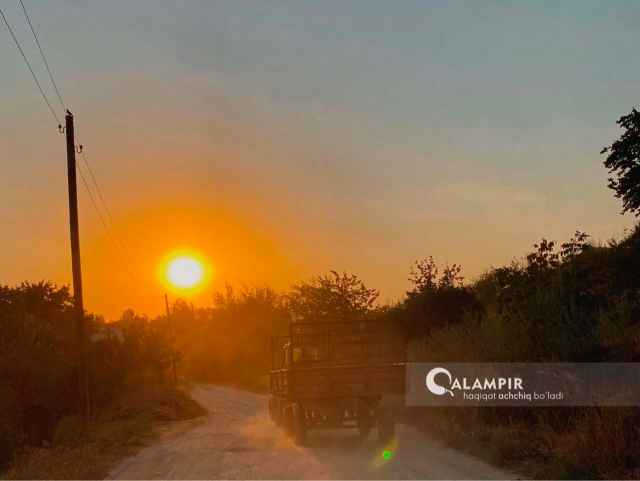
Эртага, 21 июнь куни Шимолий яримшарда йилнинг энг узун куни кузатилади. Бу ҳақда “Associated Press” хабар берди.
Бу ҳодиса ёзги “қуёш туриши” деб аталади ва у табиатдаги энг муҳим астрономик ўзгаришлардан бири ҳисобланади. Қуёш осмонда энг узоқ вақт туриб, одамлар энг кўп ёруғликдан баҳраманд бўладиган дамлар бошланади.
Жанубий яримшарда эса бунга тескари ҳолат кузатилади. У ерда бу йилнинг энг қисқа куни бўлиб, қиш бошланади.
“Solstice” сўзи лотинча “sol” (қуёш) ва “stitium” (тўхташ, пауза) сўзларидан келиб чиққан. Ёзги қуёш туриши қуёшнинг йил давомида осмонда юқорига кўтарилишининг охири бўлиб, у энг узун ва энг баланд ёйни ҳосил қилади. Шу кундан кейин у “орқага чекина” бошлайди ва декабр охиригача ҳар куни кунлар аста-секин қисқариб боради.
“Қуёш туриши” нима?
Ер Қуёш атрофида ҳаракатланар экан, у бироз қияшган ўқда ҳаракат қилади. Шу сабабли Қуёш нури ва иссиқлиги йил давомида Шимолий ва Жанубий яримшарларга тенг тақсимланмайди.
“Қуёш туриш”лари – Ер Қуёшга энг кучли даражада эгилган ёки ундан энг узоқ эгилган пайтлар бўлиб, бу ҳолатларда икки яримшар турли миқдорда қуёш нури олади ва кун билан тун энг катта фарққа эга бўлади.
Шимолий яримшарда ёзги “қуёш туриши” пайтида Ернинг юқори қисми Қуёшга энг кўп эгилган бўлади. Натижада йилнинг энг узун куни ва энг қисқа туни юзага келади. Бу ҳолат одатда 20–22 июнь оралиғида содир бўлади. Бу йил эса бу кун 21 июнга тўғри келади.
Бунга қарама-қарши ҳолат қишки “қуёш туриши”да юзага келади: Шимолий яримшар Қуёшдан энг узоқ томонга эгилади ва йилнинг энг қисқа куни ҳамда энг узун туни кузатилади. Қишки қуёш туриши 20–23 декабрь оралиғида содир бўлади.
Эслатиб ўтамиз, жорий йилнинг 12 август куни осмонда ноёб астрономик ҳодиса – тўлиқ қуёш тутилиши содир бўлади. Ушбу ҳодиса давомида Ой Қуёш ва Ер ўртасидан ўтиб, Қуёш нурини тўлиқ тўсади. Натижада айрим ҳудудларда кундузги вақт қисқа муддатга қоронғиликка айланади.

Live
All