Магистрал электр тармоқларини куз-қиш мавсумига тайёрлаш учун нималар қилинди?
Business
−
07 October 2025 20496 7 minutes

Энергетика тизими ташкилотлари 2025 йил 1 октябрь санасидан расман куз-қиш мавсумига кириб келди. Шу муносабат билан магистрал электр тармоқларида 2025/2026 йил куз-қиш мавсумигача амалга оширилган ишларни сарҳисоб қилиб, мавсум давомида бажариладиган ишлар юзасидан ҳисобот берди.

Сўнгги йилларда ер юзида ҳароратнинг қиш фаслида кескин тушиб кетиши ва ёз ойларида кескин кўтарилиб кетиши кузатилмоқда. Натижада, энергетика тизимидаги электр қурилмаларининг зўриқиб ишлашига ва уларнинг авариявий режимда ишлашига олиб келади ва бу, ўз навбатида, электр қурилмаларнинг ишлаш муддатини кескин камайтириб, тез ишдан чиқишига олиб келади.
Жорий йил ёз мавсумида республиканинг электр энергия истеъмоли соатига 13 гигаватт, яъни кунига 280-290 млн кВт•соат бўлган бўлса, қиш мавсумида соатига 14 гигаватт, кунига эса 310-320 млн кВт•соатгача кўтарилиши кутилмоқда. Ушбу ҳажмдаги электр энергиясини магистрал тармоқлар орқали тақсимловчи тармоқларга етказиб бериш учун вилоятлар кесимида кенг қамровли ишлар амалга оширилди.
.jpg)
Йил бошидан бугунги кунга қадар бир қатор лойиҳалар амалга оширилиши натижасида, подстанцияларнинг қуввати 492 мегавольт•ампер га (Навоий вилоятида “А” подстанцияси 125 мегавольт•ампер, Андижон вилоятида “Юлдуз” подстанцияси 100 мегавольт•ампер, Тошкент шаҳрида “Қўйлиқ” подстанцияси 17 мегавольт•ампер, “Оҳангарон” подстанцияси 250 мегавольт•ампер) оширилди.
2025-2026-йил куз-қиш мавсумида электр қурилмаларини барқарор ишлашини таъминлашга қаратилган чора-тадбирлар режаси ишлаб чиқилиб, 1566 километр узунликдаги электр тармоқлари (режага нисбатан 140 фоиз), 39 та трансформатор (130 фоиз), 122 та комутацион аппаратларда (102 фоиз) мукаммал таъмир ишлари бажарилди ва 12 324 километр узунликдаги электр тармоқлари (режага нисбатан 103 фоиз), 1 472 та трансформатор (129 фоиз), 2561 та комутацион аппаратда (106 фоиз) жорий таъмир ишлари бажарилди.

Трансформаторларнинг совитиш тизимлари текширилиб, 139 та двигатель ва 3 та мой насоси таъмирланиб жойига ўрнатилди. Шунингдек, барча электр узатиш ҳаво тармоқлари навбатдан ташқари ва даврий кўрикдан ўтказилди ҳамда таъмирлаш ишлари давомида 15 000 тадан ортиқ изолятор ва 3850 та қушлар қўнишидан ҳимоя қилиш мосламалари ўрнатилди. Шу кунларда ҳам электр узатиш тармоқлари ва подстанция электр қурилмаларининг контакт бирикмалари тепловизор қурилмаси ёрдамида доимий равишда текширувдан ўтказилиб борилмоқда.
Йил бошидан бери 117 та подстанция электр қурилмаларнинг контакт бирикмалари ҳамда 13730 км электр тармоқларида тўлиқ тепловизор кўриги ўтказилиб, аниқланган қизишлар ўз вақтида бартараф қилинди. Шунингдек, тақсимлаш тармоқларининг 272 та подстанциясида ва 17150 км тармоғида тепловизор кўриги ўтказилди. Ушбу амалиёт мавсум давомида ҳам амалга оширилади.
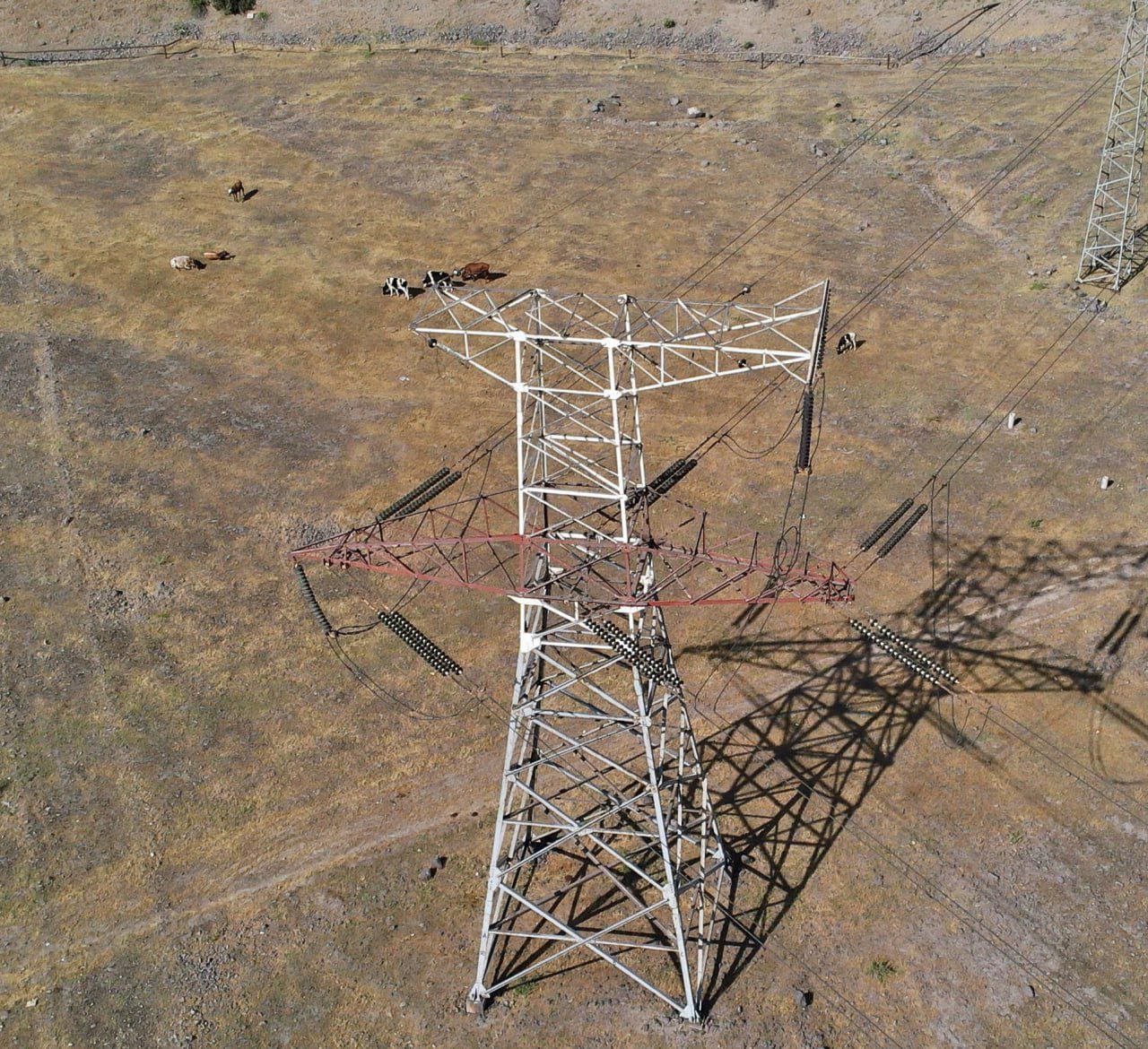
Бундан ташқари, юқори кучланишли магистрал электр узатиш тармоқларида олиб бориладиган кўрик ишларининг самарадорлигини ошириш, яъни бориш қийин бўлган ҳудудлар, муҳофаза зонасидаги янги қурилишлар, дарахтзорларни аниқлаш ҳамда авариявий ҳолатлар содир бўлганда электр тармоғининг шикастланган жойини қисқа муддатларда топиш мақсадида учувчисиз учиш аппаратидан (дрон) фойдаланиш жорий этилиб, 800 км тармоқ назорат кўригидан ўтказилди. Кўрикдан ўтказиш ишлари давомида аниқланган нуқсонлар ўз вақтида бартараф этилиб, содир бўлиши мумкин бўлган авариявий ўчишларнинг олди олинди.
Электр тармоғи хўжалиги объектлари ишончли ишлашини таъминлаш мақсадида 200 тонна трансформатор мойи, 1 000 килограмм техник пластина, 35 тонна турли русумли симлар, 10 км кабел маҳсулотлари, 60 дона металл ва темир-бетон таянч, 10 000 та изолятор, 21 та магистрал тармоқ подстанциялари учун ҳамда 37 та 110 киловольт кучланишли ва 39 та 35 киловольт кучланишли тақсимлаш тармоқлари подстанциялари учун турли қувватдаги трансформатор захираси яратилди.

Шунингдек, авариявий ҳолатларни тезкор бартараф этиш мақсадида 222 та навбатчи гуруҳлар бригадаси ташкил этилган бўлиб, улар махсус автотранспорт, зарурий эҳтиёт қисмлар, алоқа ҳамда ҳимоя воситалари билан тўлиқ таъминланган.
Мавсум учун жами 230 та автотранспорт воситаси шундан, 38 та юк кўтариш автокрани, 13 та экскаватор, 80 та бригада автотранспорти, 39 та АГП (автогидро кўтариш техникаси), 22 та кўчма электротехника лабораторияси шай ҳолатга келтирилган.

Шу билан бирга, электр қурилмаларда авариявий ҳолатлар содир бўлганида ахборот алмашинувини йўлга қўйиш, маълумотларни таҳлил қилиш ҳамда зудлик билан бартараф этиш чораларини кўриш мақсадида Акциядорлик жамиятининг Ситуацион таҳлил бошқармасида раҳбар ходимлар томонидан 24 соатлик иш режимида фаолият юритилмоқда.
Вазирлар Маҳкамасининг 2024-йил 17-декабрдаги тегишли қарори ижросини таъминлаш мақсадида, “Ҳудудий электр тармоқлари” АЖ тизимидан 35 кВ ва ундан юқори кучланишли 23 927 километр электр тармоқлари ва 1492 та подстанция жорий йил 1-июндан балансга қабул қилиниб, 2025-йил 22-сентябрдаги Вазирлар Маҳкамасининг 599-сон қарор асосида бугунги кунда “Ўзбекистон миллий электр тармоқлари” АЖ магистрал электр тармоқлари филиаллари томонидан Республика бўйлаб кенг қамровли ишлар амалга оширилмоқда.
Мисол учун, ҳозирда ўта юклама билан ишлаётган подстанциялардаги трансформаторларни биринчи навбатда катта қувватлисига алмаштириш ишлари олиб борилмоқда.
41 та подстанцияда жами 221,5 мегавольт•ампер қўшимча қувват захираси яратилди.
Жумладан, 9 та янги (4 х 25 MVA, 4 х 16 MVA, 1 х 6,3) трансформатор харид қилиниб, подстанциялар қуввати 84 MVA, жумладан Қорақалпоғистон Республикасида — 6 MVA (10 MVA ўрнига 16 MVA), Хоразм вилоятида — 9 MVA (16 MVA ўрнига 25 MVA), Андижон вилоятида — 12 MVA (1 х 4 MVA ўрнига - 16 MVA), Жиззах вилоятида — 9 MVA (16 MVA ўрнига - 25 MVA), Самарқанд вилоятида — 9,7 MVA (6,3 MVA ўрнига - 16 MVA), Сурхондарё вилоятида — 15 MVA (10 MVA ўрнига - 25 MVA), Тошкент вилоятида – 8,3 MVA (4 MVA ўрнига 6,3 MVA ва 10 MVA ўрнига 16 MVA ўрнатилган), Қашқадарё вилоятида — 15 MVA (10 MVA ўрнига 25 MVA) оширилди.
Демонтаж қилинган ва таъмирлашдан олиб келиниши натижасида 32 та подстанцияда 137,5 мегавольт•ампер қўшимча қувват яратилди. Шунингдек, ўта юклама билан ишлаётган электр узатиш ҳаво тармоқларининг симини алмаштириш мақсадида 99 тонна сим харид қилинди.
- Тошкент вилоятидаги 33 км (35 киловольт кучланишли Л-Навоий тармоғида 21 км, 35 киловольт кучланишли Л-Кўктерак тармоғида 12 км) тармоқ симлари алмаштирилиб, қувват ўтказувчанлиги оширилди;
- 35 киловольт кучланишли Л-Боғзор-1 ва Л-Боғзор-2 электр узатиш ҳаво тармоғи 110 киловольт кучланишли габаритга ўзгартирилиб, янги 110/35/10 киловольт кучланишли “Қизғалдоқ” подстанцияси ишга туширилди;
- Андижон вилоятидаги 18 км узунликдаги 110 кВ кучланишли Л-Чинобод тармоғи симлари алмаштирилди;
- Қорақалпоғистон Республикасидаги 40 км 110 кВ кучланишли тармоқлардаги симларни алмаштириш ишлари давом эттирилмоқда;
- Жиззах вилоятидаги 110 киловольт кучланишли Л-Арнасой – 2 тармоғида изоляторларни алмаштириш ишлари олиб борилмоқда;
- 110 киловольт кучланишли Л-Саноат-1 ва Л-Саноат-2 электр тармоғининг 4 км қисми янгидан қурилди;
- Навоий вилоятидаги 110 киловольт кучланишли Л-Ўзбекистон (52 км), Л-Боймурод (35 км) Л-Оқбайтал (42 км) ва 35 киловольт кучланишли Л-Учтепа (19 км) тамоқларида изоляторлар алмаштирилиб, таянч устунлари ҳолати яхшиланди.
Бундан ташқари, жорий йил якунига қадар, “Ўзбекистон миллий электр тармоқлари” АЖ томонидан қуйидаги ишлар амалга оширилади:
Подстанциялар қувватини ошириш бўйича:
- Андижон вилоятида жами - 300 мегавольт•ампер (“Лочин” 500 кВ подстанциясида);
- Самарқанд вилоятида - 125 мегавольт•ампер (“Каттақўрғон” подстанциясида АТ-3);
- Тошкент шаҳрида - 100 мегавольт•ампер (“Юксак” подстанциясида);
- Тошкент вилоятида - 250 мегавольт•ампер (“Охангарон” подстанциясида).
Тармоқлар бўйича:
- Тошкент вилоятида 220 киловольт кучланишли 31 км тармоқ қуриш ишларини якунлаш (Л-Оҳангарон-Янги Ангрен);
- Хоразм вилоятида 110 киловольт кучланишли 47 км тармоғини қуриш (Л-Шовот);
- Қорақалпоғистон Республикасида 110 киловольт кучланишли 14 км тармоқни ишга тушириш (Л-Орайлиқ);
- Қашқадарё вилоятида 82,5 км тармоқда модернизация ишларини якунлаш (Л-К-К - 35,4 км, Л-32-М - 9,6 км, Л-32-К - 37,5 км).
Янги қурилган подстанцияларни тақсимлаш тармоқларига улаш бўйича:
- Жиззах вилоятида “Зафаробод” подстанциясидан чиқувчи 110 киловольт кучланишли (2х10 км)
- 20 км тармоқ;
- Тошкент вилоятида “Оҳангарон” подстанциясидан чиқувчи 110 киловольт кучланишли (2х4 км) 8 км тармоқ;
- Сурхондарё вилоятида “Шеробод-2” подстанциясидан чиқувчи 110 киловольт кучланишли 6,5 км тармоқларни тақсимлаш тармоқлари тизимига улаш ишларини якунлаш ишлари амалга оширилади.
Бугунги кунда энергетика тизим ташкилотлари томонидан электр таъминоти барқарорлиги учун барча куч ва ресурслар сафарбар этилган. Хусусан “Ўзбекистон миллий электр тармоқлари” акциядорлик жамияти балансидаги энергетика объектлари генерация жараёнида ҳосил бўлган электр энергиясини тақсимловчи тармоқларга етказиб бериш бўйича 24/7 режимида иш ташкил қилинган.
МВА — мегавольт•ампер
МВт — мегаватт
ГВт — гигаватт
кВ — киловольт
кВт — киловатт

Live
All