Дўстликдан рақобатгача
Review
−
13 February 9649 8 minutes
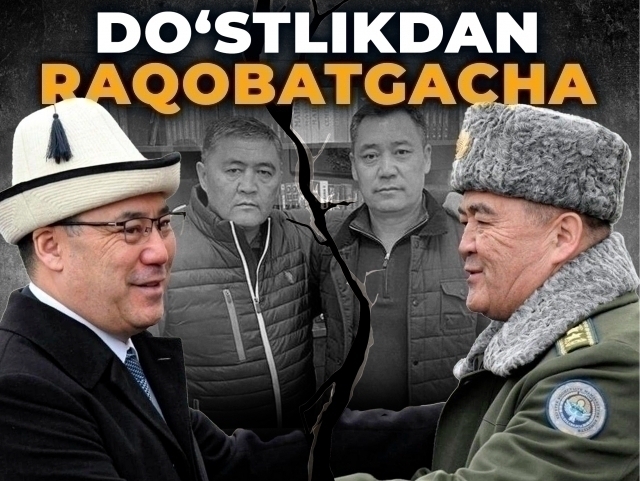
Қирғизистоннинг мустақилликдан кейинги тарихи кўплаб тўс-тўполонлар, намойишлару сиёсий ўйинларга бой. Шу вақтгача ҳокимият курсисига ўтирган раҳбарлар орасида чинакам демократик сайловлар билан келиб, ўз муддати тугагач тинч йўл билан лавозимни топширганлари саноқли.
Сўнгги кунларда бошланган маш-машалар, мамлакатнинг “иккинчи одами” деб кўрилган Ташиевнинг лавозимдан бўшатилиши ва унинг ортидан бошланган оммавий реакцияларни кўриб, “қора курси” анъанаси яна бошланмоқдами деган савол кўпчиликнинг хаёлига келгани аниқ.
Тан олиш лозим, сиёсат ҳалол ўйналадиган ўйин эмас. Унинг ўзгармас қонуни: дўстлик эмас манфаат устувор. Йиллар давомида “ажралмас дўстлар тандеми” сифатида кўрилган, қамоқ ва қувғиннинг аччиқ нонини бирга баҳам кўрган Садир Жапаров ва Қамчибек Ташиев ўртасидаги пўлатдек мустаҳкам ришталар бугун тарихнинг совуқ саҳифаларига ғарқ бўлмоқда.
Аммо, дўстлик ва садоқат қасамёдлари ҳокимиятнинг совуқ таҳлиллари олдида ожиз қолди. Ушбу истеъфо – Қирғизистон сиёсий саҳнасидаги энг йирик “монолит”нинг парчаланишидир.
Дўстликнинг яралиши
“Лола инқилоби” Асқар Акаевни ҳокимият курсисидан тушурган ва Қурманбек Бакиевни сиёсий майдонга олиб чиққан тарихнинг муҳим нуқтаси. Жапаров ҳамда Ташиевнинг дўстлик ришталари илдизи ҳам айнан шу воқеага бориб тақалади. Уларнинг дўстлиги 2005 йилда иккиси ҳам парламент депутати сифатида фаолият юрита бошлаган кезлари бошланган бўлиб, кейинчалик ҳокимиятнинг турли лавозимларида ишлаган ушбу икки инсоннинг кейинги тақдири ўзаро чамбарчас боғлиқ эканлигини катта эҳтимол билан ўзлари ҳам тасаввур қилмаган.
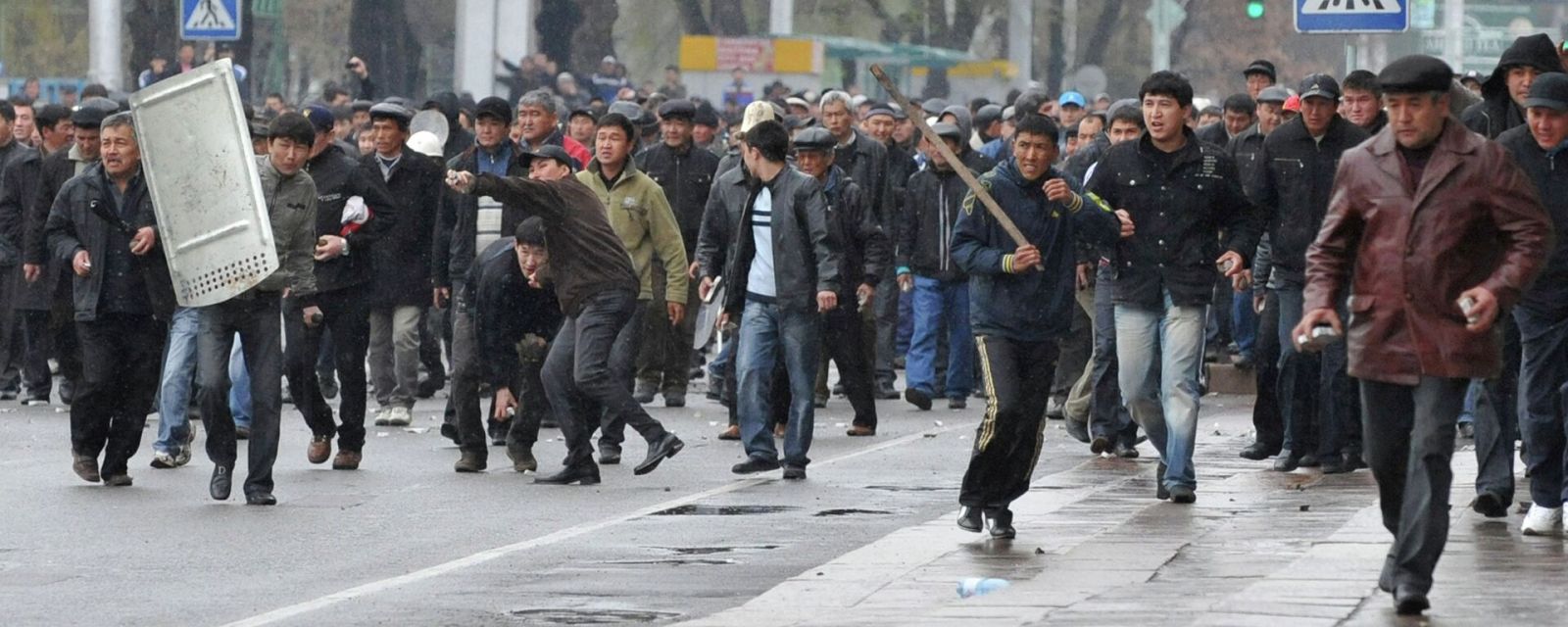
2010 йил “Апрель инқилоби” – Қирғизистонда яна ҳокимият ағдарилади. Инқилоб орқали ҳокимиятга келган Қурманбек Бакиев, бошқа бир инқилоб ортидан лавозимдан воз кечишга мажбур бўлади. Аммо, Жапаров ва Ташиев сиёсат майдонида ёлғизланиб қолишмади, аксинча, кучларни бирлаштириб “Мекенчил” партиясига асос солишди. Бакиевнинг сиёсий майдондан кетиши улар ўртасидаги алоқаларни янада мустаҳкамлади.
2010 йилги октябрги парламент сайловларида янги партиянинг кутилмаганда ғалаба қозониши уларнинг сиёсий майдонга жиддий ўйинчи сифатида қайтишига ёрдам берди. Аммо, бу муваффақият узоққа чўзилмади. 2012 йил октябрида Бишкекдаги марказий майдонда иссиқкўл вилоятида жойлашган “Қумтор” олтин конини миллийлаштириш талаби билан ўтказилган икки дўст бошчилигидаги митинг уларнинг ҳаётини бутунлай ўзгартириб юборди. Намойишчилар Бишкекдаги Оқ уйни эгаллаб олишга уринишган. Аммо, норозиликлар куч билан бостирилган ва митинг раҳбарлари ҳибсга олинган.
Ташиев ва Жапаров иккаласига Қирғизистон Республикаси Жиноят кодексининг 295-моддаси “Ҳокимиятни зўрлик билан тортиб олиш ёки ҳокимиятни мажбуран ушлаб қолиш” моддаси бўйича айблов эълон қилинди. 2013 йил март ойида Бишкек шаҳрининг Первомайский туман суди уларни айбдор деб топди ва бир йил олти ойлик қамоқ жазосига ҳукм қилди. Айнан мана шу қамоқ муддати уларни бир-бирига узилмас ришталар билан боғлади. Аммо 2013 йил июнь ойида Бишкек шаҳар суди сиёсатчиларни оқлади ва суд залидан озод қилди.
2013 йил 27 июнда Қоракўлда яна норозилик намойишлари бўлиб ўтади. Норозилик пайтида қўзғолончилар вилоят ҳокими Эмилбек Каптагаевни ўғирлаб, гаровга олишга ҳаракат қилишди. Қирғизистон расмийлари Жапаров ва Кубаничбек Қодировни режани ташкил қилишда айблашди. Норозилик намойиши етакчилари ҳибсга олинди, аммо ўз алоқадорлигини рад этган Жапаров Қирғизистондан қочиб кетишга мажбур бўлди. Ташиев эса мамлакат ичида қолиб, дўстининг номини сақлаб қолиш ва унинг ҳуқуқларини ҳимоя қилиш учун курашди. Бироқ, 2017 йил 25 мартда Жапаров Қирғизистонга қайтиши биланоқ яна қамоққа олинди ва 11 йилу 6 ойга озодликдан маҳрум этилди.
Жапаров қамоқда ота-онаси ва ўғлидан айрилган энг оғир дамларда, айнан Ташиев унинг ёнида тоғдек турди. Сиёсий таҳлилчиларнинг таъкидлашича, Ташиев ўзининг молиявий ва сиёсий ресурсларини айнан Жапаровнинг халқ орасидаги обрўсини сақлаб қолишга сарфлаган. У ҳатто чиқишларининг бирида “Садир менинг дўстим эмас, балки қондошимдир”, дея таъкидлаганди. Бу вақт ичида Ташиев нафақат дўст, балки Жапаровнинг оиласи учун васийга ҳам айланди.
2020 йилги октябрь воқеалари бу дўстликнинг энг олий мукофоти бўлди. Парламент сайловлари натижаларидан норози бўлган халқ 5 октябрда ғалаён бошлади. Вазиятдан унумли фойдаланган Ташиев биринчилардан бўлиб майдонга чиқди ва Жапаровни қамоқхонадан озод қилиб, Бишкекдаги Ала-Тоо майдонида бош вазир деб эълон қилди.
2020 йил 13 октябрь куни ўша пайтдаги президент Сооронбай Жеэнбеков ишончли вакиллар орқали овоз бериш ҳолатлари кузатилгани ва сайловлар адолатли бўлмагани рўкач қилиб, Жапаровнинг бош вазир этиб тайинланишини рад этди. Жеэнбеков парламентдан қайта йиғилишни ва номзод учун яна бир бор овоз беришни сўради. Эртаси куни бу амалга оширилди ва Жапаров яна парламент номинациясида ғолиб чиқди.
.jpg)
Халқ ва Жапаров ортида турган кучларнинг босимлари туфайли 15 октябрда, Жеэнбеков ўз ихтиёри билан президентликдан истеъфога чиқди. Натижада Жапаров ўзини президент вазифасини бажарувчи деб эълон қилди. Қирғизистон Конституциясида Олий Кенгаш (Жогорку Кенеш) спикери бу лавозимни эгаллаши кераклиги белгиланган бўлса-да, Канатбек Исаев лавозимни қабул қилишдан бош тортди. Бунинг натижасида Жапаров президент вазифасини бажарувчига айланди. 2020 йил 16 октябрь куни парламент уни Қирғизистон президенти сифатида расман тасдиқлади.
Елкадошликда ўтган йиллар
Қирғизистоннинг янги тарихида 2020 йилги октябрь воқеалари нафақат ҳокимият алмашинуви, балки мамлакат бошқарувига “сиёсий тандем” тушунчасининг кириб келиши билан муҳрланди. Садир Жапаров ва Қамчибек Ташиев иттифоқи ўтган беш йил давомида мамлакатнинг ички ва ташқи қиёфасини тубдан ўзгартирган асосий куч бўлиб хизмат қилди. 2020 йил октябрида Президент томонидан Миллий хавфсизлик қўмитаси раиси этиб тайинланган Ташиев тез орада мамлакатдаги энг нуфузли давлат арбобларидан бирига айланди. Бу шунчаки янги тайинлови эмас, балки давлатни бошқаришнинг янги моделини яратиш эди. Жапаров “юмшоқ куч” (софт повер) ва стратегик йўналишларини ўз зиммасига олди. Ташиев эса тизимнинг “темир қўли”га айланиб, коррупцияга қарши кураш, чегара масалалари ва ички тартибни сақлаш вазифасини бажарди.
Жапаров ҳокимият курсисига ўтириши билан мамлакатни парламент тизимидан президентлик тизимига ўтказишга интилди. 2021 йил апрель ойида референдум орқали янги конституция қабул қилинди, унда ижро ҳокимияти кучайтирилиб, президентнинг роли сезиларли даражада оштирилди.
.jpg)
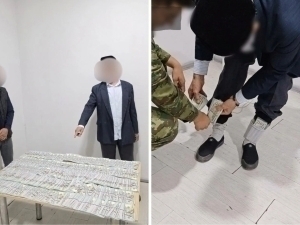
Ташиев бошчилигидаги Миллий хавфсизлик қўмитаси эса коррупция ва молиявий жиноятларга қарши курашни эълон қилди ҳамда катта миқдорда давлат активларини қайтариш ҳақида ҳисоботлар чиқарилди.
Уларнинг ҳамкорлигидаги энг йирик иқтисодий ғалаба – “Қумтор”олтин конининг давлат тасарруфига қайтарилиши бўлди. Жапаров ўзининг кўп йиллик орзусини сиёсий ирода билан амалга оширган бўлса, Ташиев бу жараённинг ҳуқуқий ва хавфсизлик томонларини таъминлади. Бу воқеа халқ орасида тандемнинг нуфузини мисли кўрилмаган даражага кўтарди.
Шунингдек, Тожикистон билан чегара можароларида Ташиевнинг шахсан иштироки ва Жапаровнинг дипломатик саъй-ҳаракатлари уйғунлашиб кетди. Бу воқеалар ортидан 2022 йилда Ташиевга “Қирғизистон Қаҳрамон”" унвони берилди.
Бир томондан Ташиев қўлидаги имкониятлар ҳам кенгайиб борди. Коррупцияга қарши кураш хизматидан тортиб Бош прокуратурагача ўз таъсирини ўтказа олган Ташиевни халқ мамлакат раҳбаридан кўра кўпроқ таниган. Унинг қўл остида жамланган ўнлаб давлат тузилмалари ҳукуматдан деярли мустақил бўлиб қолган эди. Ҳатто, баъзи халқаро экспертлар уни кейинги президент бўлиши мумкин деган прогнозлар қилишган. Бундай ортиқча шов-шув, ваниҳоят Ташиевнинг “бошини еди”.
Тандемнинг дарз кетиши
Бироқ, ҳар қандай икки раҳбарли тизимда бўлгани каби, вақт ўтиши билан манфаатлар тўқнашуви юзага келди. 2025 йил охирига келиб, Ташиевнинг ҳаддан ташқари кучайиши ва унинг “халқ амалдори” сифатидаги нуфузи президент маъмуриятида хавотир уйғота бошлади. 2026 йил бошида Ташиевнинг кутилмаган истеъфоси ушбу беш йиллик “олтин давр”нинг якуни бўлди.
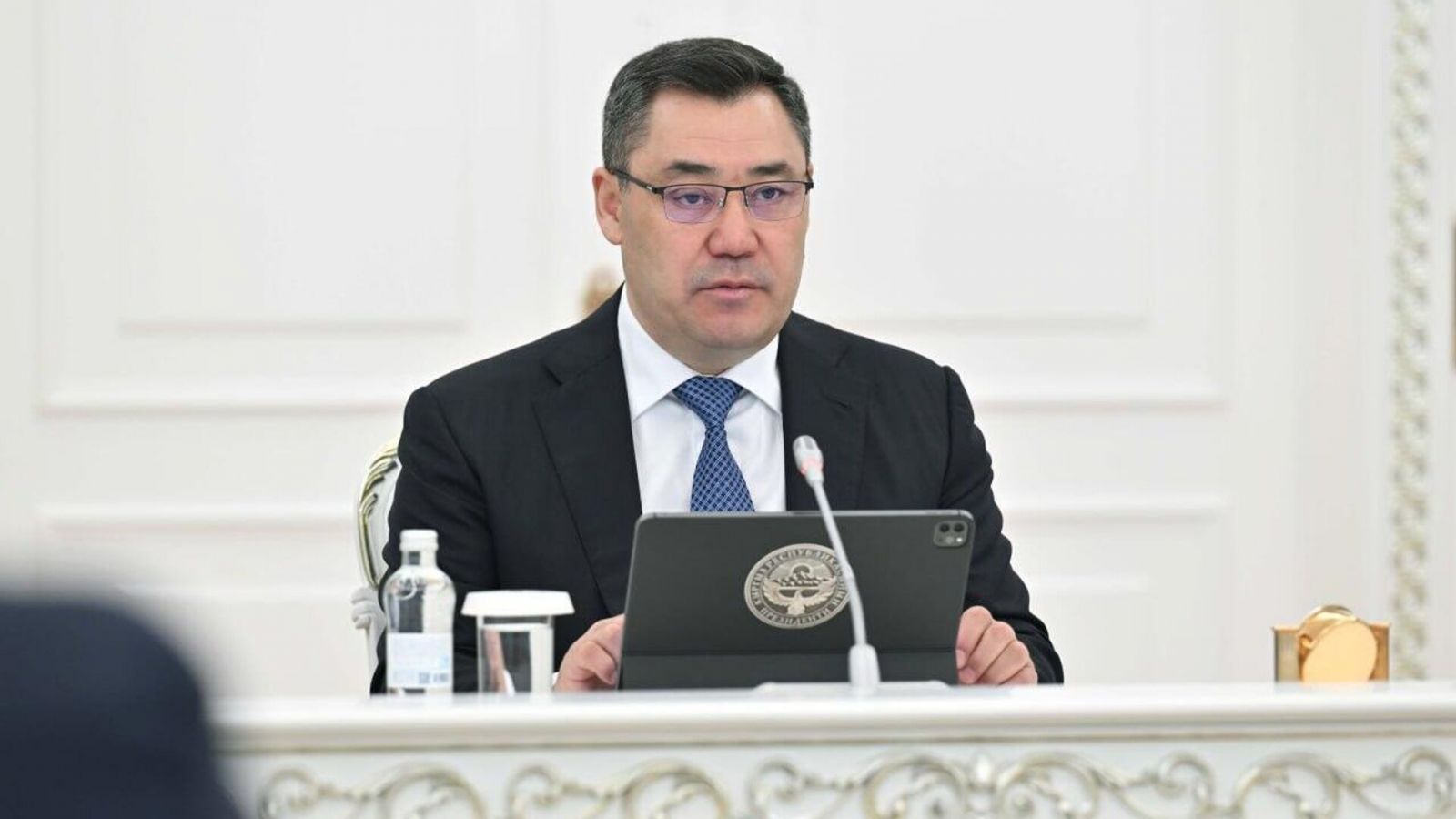
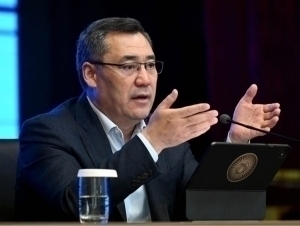
10 февраль куни Қирғизистон Миллий хавфсизлик давлат қўмитаси (МХҚ) раиси Қамчибек Ташиев лавозимидан озод қилинди. Садир Жапаровнинг ушбу қарори давлат манфаатлари йўлида, жамиятда, жумладан, давлат тузилмалари ўртасида бўлинишнинг олдини олиш ва аксинча, бирликни мустаҳкамлаш мақсадида қабул қилинган. Бу вақтда Ташиев соғлиғидаги муаммо сабабли Президент рухсати билан Германияга даволаниш учун борган.
Афтидан Ташиев ўз амбициялари қурбони бўлган. Охирги кунларда Қирғизистонда Президентнинг ваколат муддати ҳақида саволлар пайдо бўлганди. Яъни, Жапаров 2021 йил январда эски Конституция бўйича 6 йиллик муддатга Президентликка сайланган. 2021 йил охирида қабул қилинган янги Конституцияда эса Президентлик муддати 5 йилга туширилган. Юристлар янги Конституция бўйича 2026 йил январда муддатидан олдинги Президент сайловлари ўтказиш кераклигини айтган.
Энг қизиғи, 75 киши бу ҳақида Президент ва парламент раисига расмий хат юборган. Улар орасида академиклар, собиқ депутат ва амалдорлар борлигига қараганда ушбу 75 талик кимгадир ишониб, Президентга чақирув ташлаган. Айримлар бунда Ташиевнинг қўли борлиги ҳақида гапирган. Жапаров ва унинг атрофидагилар янги ҳуқуқий вакуум фонида Ташиевда хавф кўрган эҳтимол.
Ташиевнинг ўша фурсатда Германияда бўлгани ҳам балки ёпиқ эшиклар ортида келишилган бўлиши мумкин. Халқ ўз қаҳрамонини лавозимидан бўшатилганига қандай реакция бериши номаълум бўлиб турган бир вақтда унинг мамлакат ташқарисида бўлиши, кескин намойишлар эҳтимолини камайтиради.
Хулоса қилиб айтганда, 2020-2026 йиллар Қирғизистон тарихида “Жапаров-Ташиев даври” бўлиб қолади. Улар давлатни парчаланиш ёқасидан олиб чиқиб, вертикал бошқарувни ўрнатишга эришдилар. Аммо садоқатга қурилган сиёсат охир-оқибат ягона ҳокимият қонуниятларига таслим бўлди. Бугун Жапаров мутлақ етакчи сифатида қолган бўлса-да, Ташиевсиз у бу йўлни қанчалик барқарор давом эттириши катта савол остида қолмоқда.

Live
All