Ҳормуздаги очди-ёпдилар, ваъдага хиёнат ва янги уруш эҳтимоллари
Review
−
19 April 14178 19 minutes
Ҳормуз бўғози ҳаммага очилди. Трамп Эронга миннатдорлик билдирди. Лекин у 18 апрелда яна ёпилди. Мантиқ қаерда? Машҳур блогер Путинга кескин мурожаат йўллаб, халқ ундан қўрқишини айтди. Уннг тақдири энди нима бўлади? Қирғизистонда Ташиевнинг икки шотири ҳам ҳибсланди. Исроил ва Ливан 10 кунлик сулҳ эълон қилди, аммо орадан бир соат ўтиб яна бомбалаш бошланди. Туркияда ўқувчилар қуролли ҳужумлар уюштириб, ўнлаб одамларни ўлдирди. Бу Исроилнинг янги уруши бошланаётганини англатади. Ўзбекистонлик аёлнинг ўлимида гумонланаётган шахс ўзини ногирон қилиб кўрсатяпти. Суд буни қанчалик ҳисобга олади? Бу ҳафтада дунё сиёсати яна бир бор ўзининг иккиюзламачиликка бой табиатини намоён қилди. Бир томонда “тинчлик” деб жар солаётган қудратли давлатлар, иккинчи томонда эса ўз ҳуқуқлари ва ҳатто яшаш учун курашаётган халқлар. Ортда қолаётган 7 кунликдаги жаҳонда содир бўлган энг муҳим воқеаларни таҳлил қиламиз.
Россиялик блогерлар Путиндан норози
Сўнгги кунларда Россия ижтимоий тармоқларида кутилмаган ва кескин норозилик юзага келди. Машҳур блогер ва телебошловчи Виктория Боня Россия Президенти Владимир Путинга 18 дақиқалик видеомурожаат йўллади. Унда ҳамма Путиндан қўрқишини айтган.
“Мурожаатни халқ номидан қиляпман. Улар мендан буни сўрашмади, лекин ич-ичимдан бу видеони ёзиш кераклигини ҳис қиляпман. Нима учун? Чунки, Владимир Владимирович, сиздан қўрқишади. Халқ сиздан қўрқади. Блогерлар қўрқади. Артистлар қўрқади. Губернаторлар қўрқади. Сиз эса мамлакатимиз президентисиз. Назаримда, биз қўрқмаслигимиз керак. Мен қўрқмайман. Менимча, сиз билан биз — оддий халқ ўртасида улкан, қалин девор бор ва мен шу деворни тешиб ўтишни хоҳлайман. Бугун мен жуда муҳим бўлган, аммо бирорта ҳам губернатор гапира олмайдиган бешта мавзу ҳақида гапираман”, деган у.
“Халқ номидан” деб гапирган блогер Доғистондаги сув тошқинлари ва унга муносабатни танқид қилган. Бу мамлакатда 5 апрелга ўтар кечаси бошланган кучли ёмғирлар оқибатида 6 мингдан ортиқ одам жабр кўрди, уйлар сув остида қолди ва камида 6 киши ҳалок бўлгани расман айтилди. Блогернинг иддао қилишича, ёрдам жуда кеч берилган.
“Нима учун дастлабки 24-48 соат, ҳатто 72 соат ичида ҳеч қандай ёрдам берилмади? Нима учун фақат 10 кундан кейин бу ҳақда гапира бошлашди? Нима учун даҳшатли фалокат юз бермоқда?” дейди у.
Блогер экологик ва иқтисодий муаммоларни ҳам санаб ўтган. Анапа қирғоқларидаги улкан мазут доғлари ва Новосибирск вилоятида чорва молларининг ноқонуний мусодара қилиниши, "Қизил китоб"га киритилган ҳайвонларни овлашга рухсат берилиши бўйича режалаштирилаётган қонун лойиҳасини ҳам танқид қилди.
“Онам Анапада яшайди, у ерда яна мазут доғи пайдо бўлган, бунинг ҳеч қандай яхши томони йўқ. Улкан мазут доғи коинотдан ҳам кўриниб турибди... Одамлар ҳозир сувни қушларнинг ўлигидан ўз қўллари билан тозалашмоқда, мазутни яна ўз қўллари билан йиғишмоқда”, дейди блогер.
Россиянинг Краснодар ўлкасида жойлашган Анапа шаҳри Қора денгиз бўйидаги энг машҳур курорт зоналардан бири ҳисобланади. У ерда соҳиллар балчиқлашган, сувлар эса ифлосланган. Мазутнинг қаердан пайдо бўлганига келсак, бу борада бир нечта асосий сабаблар тахмин қилинади. Биринчиси: кемалар томонидан нефть чиқиндиларини ноқонуний ташланиши. Иккинчиси, ҳудуд портидаги авариялар: Анапага яқин масофада нефть юклаш портлари бор. У ердаги юклаш вақтида техник носозликлар туфайли тез-тез сизиб чиқишлар кузатилади. Хуллас, бу мазут доғлари денгиз ҳайвонлари ва қушлар учун ўлим хавфини туғдирмоқда. Ҳозирда кўнгиллилар ўз қўллари билан мазутга ботган қушларни тозалаб, қирғоқни балчиқдан қутқаришга ҳаракат қилишмоқда.
10 апрель куни Россия ҳукумати Телеграм мессенжерини деярли 100 фоиз даражада блоклаб қўйганди. Блогер бу ҳолат одамларни бир-биридан узиб қўйганини ва маълумот олиш имкониятини йўққа чиқарганини ҳам таъкидлади.
“Агар ёпилган нарсаларнинг ўрнини босадиган бирорта ижтимоий тармоқ яратишганида, биз “О, зўр! Instagram'нинг нима кераги бор? Telegram'нинг нима керакги бор?” деган бўлардик. Улар яратган нарса ишламайди, сизга ёлғон гапиришяпти. Ишламайди. Шу сабаб сиз жуда кўп одамларни қариндошлари билан боғланиш имконидан маҳрум қилдингиз. Ва яна тақиқлашда давом этяпсиз. Тақиқлаймиз, тақиқлаймиз, тақиқлаймиз... Худдики биз энди эркин мамлакатда эмас, қандайдир дунёдан узилган давлатда яшаётганга ўхшаймиз”, деган блогер.
У Россия аҳолиси ҳозир нималар содир бўлаётгани ҳақида Президентга тўғридан-тўғри ёза оладиган платформа яратишни таклиф қилган. Виктория Бонянинг мурожаатини блогер ва бошловчи Айза ҳам қўллаб-қувватлаган. У Telegram’нинг блокланишини танқид қилиб, маълумот олиш имконияти тўлиқ ёпилганини айтган.
“Мен, албатта, Президентимиз ҳақиқатан ҳам бехабар эканлигига чин дилдан умид қиламан... Аҳолининг 1 фоизида бор нарса нима учун 99 фоизида йўқлигини тушунмаяпман... Базавий эҳтиёжлар қондирилмаган”, дейди блогер.
Виктория Бонянинг чиқиши нафақат Россияда, балки бутун дунёда алоҳида эътиборга тушди. Томоша қилишлар сони қарийб 28 млн бўлган, 1.5 млн одам лайк босган. Қарийб 120 минг одам репост қилган. Бу ўз таъсирини кўрсатди. Кремль Бонянинг мурожаатига жавоб берди. 16 апрель, пайшанба куни Россия президентининг матбуот котиби Дмитрий Песков Виктория Боня кўтарган масалаларга тўхталди.
У блогер томонидан тилга олинган муаммолар “жуда катта резонансга эга” эканини тан олди. Песковнинг сўзларига кўра, бу йўналишларда аллақачон кенг кўламли ишлар олиб борилмоқда, кўплаб мутахассислар жалб этилган ва ҳеч бир мурожаат эътиборсиз қолдирилмайди.
Расмий жавобдан сўнг, Виктория Боня ижтимоий тармоқларда янги видео жойлаштирди. Унда блогер кўзида ёш билан Кремлга мурожаати беэътибор қолмагани учун миннатдорлик билдирди. Шу видеодан кейин ҳаммаси саҳналаштирилган “спектакль”, “халқни чалғитиш учун томоша қўйишди” деганлар ҳам пайдо бўлди. Бу қанчалик ҳақиқат билмаймиз-ку, аммо энди Путин исталган мамлакатга ҳужум қилиш ваколатига эга бўлгани аниқ факт.
Россия Давлат Думаси Президент Владимир Путин ваколатларини кенгайтирувчи қонун лойиҳасини биринчи ўқишда маъқуллади. Унга кўра, Президент хорижий давлатларда россиялик фуқароларни “ҳимоя қилиш” мақсадида армияни юбориши мумкин.
Ҳужжатга кўра, агар Россия фуқаролари бошқа давлатларда ҳибсга олинса, ушлаб турилса ёки таъқиб қилинса, Россия Президенти ҳарбий куч ишлатиш тўғрисида қарор қабул қилиши мумкин. Бу, айниқса, Москва тан олмайдиган халқаро суд органлари ёки Россия иштирокисиз қарор чиқарадиган судларга нисбатан қўлланилади.
“Давлат Думасининг Мудофаа қўмитаси қонун лойиҳасининг концепциясини қўллаб-қувватлайди, чунки таклиф этилаётган меъёр Россия фуқароларининг ҳуқуқлари, эркинликлари ва қонуний манфаатларини ҳимоя қилишга, Россия ташкилотларини хорижий ноқонуний тажовузлардан ҳимоя қилишга, шунингдек, ташқи йўналишда давом этаётган ашаддий русофобия кампаниясига қарши курашишга ёрдам беради”, деган Давлат Думасининг Мудофаа қўмитаси раиси Андрей Картаполов.
Ҳеч кимга сир эмас, халқнинг дарди гоҳида катта сиёсий ўйинлар учун замин, гоҳида эса ҳарбий амбицияларни оқлаш учун “ҳимоя” ниқобига айланмоқда. Аслида, бу каби геосиёсий шахмат тахтасида оддий халқ ҳамиша қурбонликка келтириладиган пиёдадир. Дунёнинг бир нуқтасида “халқни ҳимоя қилиш” баҳонаси билан армия юборилса, бошқа бир нуқтасида ўн минглаб инсонлар “демократия” ўйинларининг қурбонига айланмоқда. Сиёсатшунослар бир ҳақиқатни бот-бот такрорлайдилар: урушда ҳеч қачон ғолиблар бўлмайди. Тепада ўтирган 3-4 нафар сиёсатчининг шахсий амбициялари сабаб, майдонларда бегуноҳ минглаб инсонлар ҳалок бўлади. Бир вақтнинг ўзида “тинчлик” деб жар солиб, ортидан ўзга давлатлар тупроғига бомба ёғдириш бугунги дунё тартибининг энг аччиқ ҳақиқатидир.
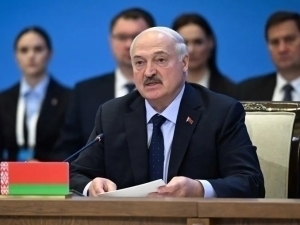
Мана шу иккиюзламачилик, айниқса, Ғарб ва Шарқ ўртасидаги риторикада яққол кўринмоқда. Хусусан, Беларусь президенти Александр Лукашенко АҚШнинг дунё миқёсидаги ҳаракатларини инсон ҳуқуқлари ва демократия нуқтаи назаридан кескин танқид қилди.
Лукашенкодан Ғарбга "сабоқ"
Александр Лукашенко RT телеканали бошловчиси Рик Санчесга берган интервьюсида Вашингтоннинг ташқи сиёсатини аёвсиз танқид қилди. Унинг фикрича, АҚШ томонидан тез-тез такрорланадиган “инсон ҳуқуқлари” тушунчаси шунчаки сиёсий қурол бўлиб, амалда бунинг акси бажарилмоқда.
“Сизлар фақат қандайдир демократия ва инсон ҳуқуқлари ҳақида гапирасиз – буларнинг ҳаммаси шунчаки сафсата. Сизнинг Венесуэладаги сиёсатингиз, Кубага бўлаётган таҳдидлар, Яқин Шарқдаги уруш ва бошқа ҳаракатларингиз сизларнинг ҳақиқий диктатор эканингиздан далолат беради. Сизлар ҳеч қандай демократ эмассиз”, дейди Лукашенко.
Беларусь раҳбари ўз сўзларини исботлаш учун Эроннинг Миноб шаҳридаги мактабда содир бўлган, 175 кишининг ҳаётига зомин бўлган фожиани мисол қилиб келтирди.
“Қайси инсон ҳуқуқлари ҳақида гапиряпсиз? Агар сиз инсон ҳуқуқлари тарафдори бўлсангиз, унда инсонга энг асосий ҳуқуқни – яшаш ҳуқуқини амалга оширишга имкон беринг. Ҳали демократия нима эканини ўрганишингиз керак. Бизда бу демократия сизникидан юз марта кўпроқ. Ҳақиқий демократия – ҳақиқий инсон ҳуқуқлари бизда”, дея қўшимча қилган у.
Путиннинг шотири сифатида кўриладиган шахс томонидан иккиюзламачиликда айбланган АҚШ Президенти Дональд Трамп 16 апрель куни шов-шувли баёнот билан чиқди. У Truth social тармоғида Исроил ва Ливан етакчилари ўртасида 10 кунлик ўт очишни тўхтатиш бўйича келишувга эришилганини маълум қилди. Трампнинг сўзларига кўра, Ливан Президенти Жозеф Аун ва Исроил Бош вазири Биньямин Нетаньяху 17 апрель кунидан бошлаб сулҳни расман бошлашга рози бўлишган.
“Ҳизбуллоҳ” ҳам сулҳни тан олган бўлса-да, ўз ҳаракатлари Исроилнинг қадамларига боғлиқ бўлишини билдирган. Муҳаммад Бағир Ғолибaф бу сулҳни “қаршилик кучлари барқарорлиги натижаси” деб атаб, эҳтиёткорлик билан кузатишини айтди.
Бу келишув шунчаки тасодиф эмасдек кўринди аввалига. Чунки, 14 апрель куни икки давлат вакиллари сўнгги 34 йил ичида илк бор Вашингтонда, АҚШ Давлат котиби Марко Рубио иштирокида юзма-юз учрашган эди. Исроилнинг АҚШдаги элчиси Йехиэль Лейтер музокараларни “самарали” деб атади. Аммо, “бу самара қоғозда қолиб кетмасмикин” деган саволлар янгради дунё медиасида. Жавоб узоқ куттирмади!
10 кунлик сулҳ 17 апрель куни тун ярмидан кучга кирган бўлса-да, Ливан миллий ахборот агентлиги орадан бир соат ўтмай Исроил армияси жанубий Ливандаги Ал-Хиям ва Дбейбин шаҳарларига зарба берганини маълум қилди. Бекаа ҳудудида дрон ҳужумлари қайд этилган.
Кўриниб турибдики, Нетаньяху учун ҳар қандай сулҳ — бу янги нишонлар сари интилишдан олдинги кичик бир танаффусдир. Халқаро экспертлар “Нетаньяхунинг кейинги нишони Туркия бўладими?”, деб очиқчасига савол беришяпти. “Катта Исроил” режаси ҳақидаги хавотирлар ортида бу каби сулҳ бузилишлари оддий ҳолга айланиб бормоқда. Бу ҳақида кейинроқ батафсил гаплашамиз.
Ҳормуз бўғози ҳаммага очилди
Яқин Шарқдаги бу ҳарбий кескинликлар ўртасида кутилмаган иқтисодий бурилиш юз берди. Эрон Исроил ва Ливан ўртасидаги сулҳ муддати давомида Ҳормуз бўғози барча тижорий кемалар учун тўлиқ очиқ бўлишини эълон қилди. Ташқи ишлар вазири Аббос Ароқчи бу қарорни айнан тинчлик келишуви муддати билан боғлади.
Ушбу хабар эълон қилиниши билан жаҳон бозорида Brent нефти нархи қарийб 9 фоизга арзонлашиб, 90 доллар атрофида қайд этилди. Дональд Трамп Эроннинг бу қарорини олқишлаб, миннатдорлик билдирди. Бироқ, Трамп бу ерда ҳам ўзининг “ўзига хос” услубини намоён этди — у ўз постида бўғоз номини Ҳормуз эмас “Эрон бўғози” деб атади. Бугунги сиёсатда давлатлар ўртасидаги “пахта қўйишлар” ва кутилмаган миннатдорчиликлар ортида аслида қанча вақт давом этадиган манфаатлар яширинганини фақат вақт кўрсатади. Айтганча, уруш авжига чиққан пайтда АҚШ президенти худди шу бўғозни “Трамп бўғози” деб ҳам атаганди.
Исроилнинг кейинги нишони Туркия
Сиёсий майдондаги бу кутилмаган “шахмат юришлари” ва вақтинчалик сулҳлар ортида аслида анча чуқурроқ ва хатарлироқ стратегиялар яширингандек. Хоҳлаймизми-йўқми, Исроил ва Ливан ўртасидаги 10 кунлик ўт очишни тўхтатиш келишувининг ҳали сиёҳи қуримай туриб бузилгани, минтақадаги хавотирларни янги босқичга олиб чиқади. Халқаро ҳамжамиятни ўйлантираётган энг асосий савол эса битта: Исроилнинг кейинги нишони ким?
Айнан шу нуқтада минтақанинг асосий ўйинчиларидан бири бўлган Туркиянинг позицияси ва хавотирлари вазиятга ойдинлик киритади. Туркия Ташқи ишлар вазири Ҳоқон Фидан бу борада кескин ва огоҳлантирувчи баёнот билан чиқиб, Нетаньяху ҳукуматининг узоқни кўзлаган режаларини очиқлади.
Ҳоқон Фиданнинг сўзларига кўра, Исроилнинг ҳозирги ҳарбий-сиёсий доктринаси доимий “ташқи душман” мавжудлигига асосланган. Эрон билан боғлиқ кескинликлар маълум бир нуқтага етгач, Исроил ўз эътиборини бошқа томонга қаратиши тайин.
“Эрондан кейин Исроил душмансиз яшай олмайди. Биз унинг Туркияни янги душман сифатида эълон қилиш йўлини излаётганини кўряпмиз”, — дейди Фидан.
Бу шунчаки сиёсий тахмин эмас, балки минтақадаги хавфсизлик архитектурасининг ўзгариши ҳақидаги жиддий огоҳлантиришдир. Фиданнинг фикрича, Исроилнинг Суриядаги ҳаракатлари ҳам Туркия учун бевосита хавф туғдиради. Ҳозирча Эрон билан банд бўлган Нетаньяху маъмурияти, вақти келиши билан “геосиётик ўйин доскаси”даги нишонни ўзгартиришга ҳаракат қилиши мумкин.
“Сурияда катта муаммоли ҳудудни кўряпмиз, бу биз учун жиддий хавф. Ҳозир Исроил Эрондаги вазият сабаб айрим ҳаракатларни қилмаяпти, аммо бу келажакда ҳам шундай бўлади дегани эмас. Вақти келганда буни амалга оширишни исташи мумкин”, дейди у.
АҚШ ва Эрон ўртасидаги мулоқотларга тўхталар экан, Туркия ТИВ раҳбари жараённинг мураккаблигини яширмади. Унинг таъкидлашича, Вашингтон ва Теҳрон ўт очишни тўхтатиш масаласида самимий бўлса-да, томонларнинг дастлабки талаблари ўта юқори даражада.
“АҚШ ва Эрон ўт очишни тўхтатиш масаласида самимий. Дастлабки позициялар одатда бироз максималист бўлади. Кейинчалик томонлар воситачилар кўмагида умумий нуқтага келишга ҳаракат қилади. Энг муҳими, ўт очишни тўхтатишга эришиш ва уни давом эттириш учун барқарор ният бўлиши керак. Менимча, ҳозир ҳар икки томон ҳам бу борада самимий ва заруратни англаяпти. Исроилнинг бу жараёндаги бузувчи ролини доимо ҳисобга олиш керак. Биз бу ҳақда америкаликларга ҳам, бошқа томонларга ҳам мунтазам айтиб келяпмиз. Ҳозирча америкаликлар ҳам, эронликлар ҳам ўз мамлакатларига қайтишди. Айниқса, эронликлар АҚШ томонидан тақдим этилган таклифни кўриб чиқади ва унга жавоб беради, деб ўйлайман”, деган вазир.
Ҳормуз бўғозининг очилиши ва нефть нархининг тушиши иқтисодий жиҳатдан нафас олишга имкон бергандек кўринса-да, Ҳоқон Фиданнинг баёнотлари сиёсий осмонда қора булутлар ҳали тарқалмаганидан далолат беради. “Буюк Исроил” режаси ҳақидаги хавотирлар ва Туркиянинг янги душман сифатида кўрилиши эҳтимоли, Яқин Шарқдаги тинчлик нақадар мўрт эканлигини яна бир бор исботламоқда. Ҳозирча дипломатлар музокара столи атрофида, ҳарбийлар эса бармоқларини тепки устида ушлаб туришибди. Вазиятнинг кейинги ривожи томонларнинг 15 кун ичида қанчалик ён беришига боғлиқ бўлади.
Кўзи қонга тўлган ёшлар
Яқин Шарқдаги геосиёсий ўйинлар Туркия чегараларига қадар яқинлашиб келаётган бир пайтда, мамлакат ичкарисида ҳам кутилмаган ва хавфли аломатлар кўрина бошлади. Ҳоқон Фиданнинг “Исроил Туркияни янги душман сифатида эълон қилиш йўлини излаяпти” деган огоҳлантириши фонида, Туркия таълим муассасаларида кетма-кет юз берган қуролли ҳужумлар ва таҳдидлар вазиятни янада мураккаблаштирди.
14 апрель куни Туркиянинг Шонлиурфа вилояти Сиверек туманида жойлашган касб-ҳунар ва техник лицейида қуролли ҳужум содир бўлди. Бунинг оқибатида 16 киши жароҳатланган. Уларнинг орасида 12 нафар ўқувчи, 2 нафар ўқитувчи ва 2 нафар фуқаро бўлган. Тўғри келган одамга ўқ узган ўсмир охири ўзини ҳам отиб ташлаганди.
Орадан бир кун ўтиб, яъни 15 апрель куни Туркиянинг Измир шаҳридаги Эге университетида талаба кампусдаги бошқа талабаларга узун тиғли ханжар билан ҳужум қилгани акс этган видеолар тарқалди. Оқибатда икки киши жароҳат олиб, шифохонага ётқизилгани очиқланди.
15 апрель куни Туркиянинг Қаҳрамонмараш шаҳридаги Айсер Чалик ўрта мактабида ҳам отишма юз берди. Оқибатда 10 киши ҳалок бўлган, уларнинг саккиз нафари ўқувчи бўлган. Маълумотларга кўра, 13 нафар жабрланувчи шифохонага олиб борилган. Улардан олти нафари жонлантириш бўлимида, уч нафари эса оғир аҳволда қолмоқда. Олинган дастлабки маълумотларга кўра, ўқ узган шахс 8-синф ўқувчиси бўлган ва ёнида бешта тўппонча борлиги аниқланган. Ҳужумдан сўнг у ҳам ўз жонига қасд қилган.
“Туркияда нега бирдан бундай ғалати ишлар бошланди?”, деган савол сизни ўйлантирган бўлса, QALAMPIR.UZ жамоаси тайёрлаган мана бу таҳлил сизга жавоб топишда ёрдам беради. Уни “Кўзи қонга тўлган авлод” сарлавҳаси билан топишингиз мумкин.
Бир неча кун ичида содир бўлган ўхшаш ҳужумлар ва танланган манзиллар ўқув даргоҳи экани шубҳаларни келтириб чиқарди. Натижада жиддий текширувлар бошланди. Туркия ҳуқуқ-тартибот идоралари ушбу ҳодисалар ортида шунчаки ўспиринларнинг бузилган руҳий ҳолати эмас, балки тизимли провокация турганини аниқлади. Исроил байроғи остида фаолият юритувчи, 100 минг аъзога эга “S31K” номли гуруҳ аниқланди. Гуруҳда оммавий отишмалар, янги ҳужум нуқталари ва саналари муҳокама қилинган. Бу эса ташқи кучларнинг “гибрид уруш” усуллари орқали Туркия ичида тартибсизлик чиқаришга уринаётгани ҳақидаги хавотирларни кучайтирмоқда. Тезкор чоралар натижасида 940 та аккаунт чекланди, 93 та гуруҳ ёпилди ва 83 нафар гумонланувчи ҳибсга олинди.
Вазиятнинг жиддийлигини инобатга олиб, Ички ишлар вазири Мустафо Чифтчи ва Халқ таълими вазири Юсуф Текин янги хавфсизлик протоколини эълон қилди. Эндиликда ҳар бир мактабнинг кириш қисмида икки нафардан полиция ходими доимий навбатчилик қилади. Газиантеп каби йирик вилоятларда мактаблар атрофи дронлар ёрдамида осмондан назорат қилинмоқда. Ёшларни радикал гуруҳлар таъсиридан ҳимоя қилиш учун ижтимоий тармоқлар устидан назорат кучайтирилди.
Ҳоқон Фидан томонидан айтилган “Исроилнинг душмансиз яшай олмаслиги” ҳақидаги фикрлар фонида, Туркия ичидаги бу каби ғалаёнлар тасодифга ўхшамайди. Ташқи томондан Исроилнинг Суриядаги ҳаракатлари ва “Буюк Исроил” режаси Туркия чегараларига босим ўтказаётган бўлса, ичкаридан рақамли платформалар орқали ёшлар онгини заҳарлаш ҳаракатлари амалга ошириляптими деган хулосага келиш мумкин.
Дунё етакчилари Туркияда тўпланди
Туркия Президенти Ражаб Тоййиб Эрдоған ҳомийлигида ва мамлакат Ташқи ишлар вазирлиги мезбонлигида 17–19 апрель кунлари Анталия дипломатик форуми бўлиб ўтди. Анталия дипломатик форуми бугунги кунда шунчаки навбатдаги халқаро тадбир эмас, балки “Эски дунё тартиби” инқирозга учраган ва янгиси ҳали шаклланмаган бир даврда “Глобал мулоқот маркази”га айланиб улгурди.
Форумнинг бу йилги мавзуси ҳам кўп нарсани англатади: “Эртани лойиҳалашда ноаниқликлар билан курашиш”. Тушуниш мумкинки, диққат марказида бугунги халқаро тизимда кучайиб бораётган ноаниқликлар шароитида давлатларнинг қандай йўл тутиши, глобал тартибдаги ўзгаришларга мослашиш ва барқарорликни таъминлаш масалалари туради.
Анталия Дипломатик форуми 2021 йилдан буён ўтказиб келинади. Тадбирга бу йил ҳам турли давлатлардан 20 дан ортиқ президент ва бош вазирлар, 50 дан зиёд ташқи ишлар вазирлари ҳамда юзлаб расмий делегациялар ҳамда халқаро ташкилот вакиллари ташриф буюрган.
Туркия ҳақида гап кетар экан, мамлакатдаги Ўзбекистон фуқаросига алоқадор жиноят ҳақида ҳам эслаб ўтиш мумкин. Ёдингизда бўлса, Туркиянинг Ойдин вилояти Кўшк туманида 2025 йил 5 июль куни ўзбекистонлик Муаттар Алиеванинг мурдаси ўзи ишлаган казинодан топилганди. 35 ёшли аёл бошидан ўқ еган.
Прокуратура унинг ўлими юзасидан казино эгаси – ҳибсда сақланаётган Рашид Ясанга нисбатан “қасддан одам ўлдириш” моддаси билан оғирлаштирилган умрбод қамоқ жазосини сўраганди. Жорий йилнинг 13 апрель куни Муаттар Алиева ўлими бўйича илк суд жараёни ўтказилди.
Гумонланувчи Рашид Ясан берган кўрсатмасида 90 фоиз ногирон эканини, ўнг қўлидан фойдалана олмаслигини айтиб, қотилликни содир этмаганини таъкидлаган. Шу билан бирга, суд унинг ўнг қўли бўйича тиббий хулоса олиниши кераклигини билдирган. Шунингдек, у ўзига қўйилган айбловларни рад этган ҳамда суддан оқлов сўраган. Рашид Ясан муқаддам марҳума билан ишқий муносабатда бўлган. Судда унга рашк сабабли жиноят содир этгани ҳақида қўйилган даъволарни инкор қилиб, Муаттар Алиева билан муносабатлари “бир марталик” бўлганини маълум қилган.
“Одам севган аёлини ўз қўли билан бошқа эркакнинг олдига юборадими? У менинг севгилим эмасди. Аҳмад билан муносабатини эшитгач, “менга бошқа телефон қилма, ажрашамиз”, дедим. У стол устидаги қуролни олди. “Сени ҳам отаман, ўзимни ҳам отаман”, деди ва ўртага қарата ўқ узди. Мен тўхтатишга ҳаракат қилдим, лекин ўша пайтда яна бир марта ўқ узилди. Тўсқинлик қила олмадим. Олдимга йиқилди. Ўша заҳотиёқ қонни тўхтатишга уриндим. Полицияга қўнғироқ қилганим учун бошимга келмаган кулфат қолмади. Ўша пайтда ўнг қўлим гипсда эди, бу ҳақда ҳужжатим ҳам бор. Ўнг қўлимни умуман ишлата олмайман. Мен ўқ узмаганман”, деган Рашид Ясан.
Тахминан 7 соат давом этган суд мажлисида 4 нафар айбланувчи ва 14 нафар гувоҳнинг кўрсатмаси тингланган. Гувоҳларнинг аксарияти Ясаннинг қариндошлари экани ҳамда уларнинг терговдаги кўрсатмалари билан суддаги баёнотлари ўртасида жиддий тафовутлар борлиги шубҳа уйғотган. Айниқса, Аҳмад воқеа пайтида қурол Алиеванинг қўлида бўлганини, тортишув чоғида бир марта ўқ узилгани, қуролни тортиб олиш жараёнида эса иккинчи марта ўқ отилганини айтгани эътиборни тортган. Суд ҳайъати ишни ҳар томонлама ўрганиш мақсадида муҳим оралиқ қарорлар чиқарган. Ясаннинг ўнг қўли бўйича тиббий хулоса олиниши белгиланган. Шунингдек, Алиеванинг ўлими юзасидан Суд экспертиза институтидан ўқ узилган масофа ҳамда қурол қайси қўл билан ишлатилганини аниқловчи батафсил хулоса талаб қилинган.
Бундан ташқари, суд воқеа содир бўлган казинода текширув ўтказишга ва ҳали сўроқ қилинмаган гувоҳларни ҳам тинглашга қарор қилган. Асосий гумонланувчи Ясанни қамоқда сақлаш эҳтиёт чораси ўз кучида қолдирилган. Кейинги суд мажлиси эса жорий йилнинг 3 июль куни ўтказилади.
Ташиев яна бир лавозимидан ўзи воз кечди
Қирғизистон Миллий хавфсизлик давлат қўмитасининг собиқ раиси Қамчибек Ташиев лавозимидан озод этилганидан буён илк бор расмий тадбирда кўриниш берди. У 15 апрель куни Қирғизистон футбол иттифоқининг навбатдаги конгрессида иштирок этиб, Қирғизистон футбол иттифоқи президенти лавозимидан ўз хоҳиши билан кетишини маълум қилди. “Сизлар билан кўришмаганимизга анча бўлди. Мени кўриб, ‘Бу қаердан пайдо бўлиб қолди?”, деб бироз ҳайрон бўлгандирсиз”, дея сўз бошлаган у.
“Футболга муваффақиятлар тилайман. Қирғизистонда футбол бизнес сифатида қаралиши мумкин бўлган нарса эмас. Мен ўз вазифамни бажардим. Ўйлайманки, сизларнинг олдингизда раис сифатида охирги марта сўзга чиқяпман. Энди бу ерга ҳақиқатан ҳам футболни яхши кўрадиган одам келиши керак”, дейди у.
Қамчибек Ташиев бу лавозимда икки йилдан ортиқ ишлаган. Конгрессда у қилинган ишлар ҳақида ҳисобот берди ва унинг раҳбарлиги даврида давлат кўмагида қирғиз футболи ўз тарихида илгари кузатилмаган натижаларга эришган.
“Икки йил ичида 17 та янги стадион қурдик, яна 14 таси қурилмоқда. Бунга қарийб 7 миллиард сом йўналтирилди ва худди шунча миқдордаги ишлар давом этмоқда. Бу маблағлар ўз-ўзидан пайдо бўлиб қолгани йўқ – давлат ва ҳамкорларимиз катта ёрдам кўрсатди”, дея баёнот берган у.
Ташиев айрим лавозимлардан ўз хоҳишига кўра кетаётганини таъкидласа, унинг атрофидаги шахсларнинг бугунги ҳолатини кўриб вазият аслида қандай эканини тахмин қилиш мумкин. Масалан унинг икки шотири ҳам ҳибсланди. Унга ўринбосар сифатида ишлаган Тимур Шабданбеков ва Даниэль Рисалиев қўлга олинди.
Маълумотларга кўра, Тимур Шабданбеков мансаб ваколатини суиистеъмол қилишда гумон қилинмоқда. У Ҳарбий прокуратура ходимлари томонидан қўлга олинган. Даниэль Рисалиев эса жиноят иши тергови доирасида сўроқ қилиш учун ИИВ Тергов бошқармасига олиб келинган. Кейинроқ суд унга нисбатан уй қамоғи эҳтиёт чорасини қўллади.
Даниэль Рисалиев 2025 йил декабридан буён Миллий хавфсизлик давлат қўмитаси раҳбари ўринбосари лавозимида ишлаб келган ва киберхавфсизлик масалаларини назорат қилган. Бунгача у махсус хизматлар тизимида ишлаган, жумладан, ҳудудлардаги бўлинмаларга раҳбарлик қилган. 2026 йил февраль ойи бошида Миллий хавфсизлик давлат қўмитасидаги кадрлар ўзгариши туфайли лавозимидан озод этилган.
Шабданбеков эса 1999 йилдан буён миллий хавфсизлик органларида хизмат қилади. Турли лавозимларда, жумладан, Миллий хавфсизлик давлат қўмитасининг Коррупцияга қарши курашиш хизматида ишлаган. 2019 йил март ойида у Миллий хавфсизлик давлат қўмитаси раисининг ўринбосари – давлатнинг биринчи шахслари хавфсизлиги учун масъул бўлган Тўққизинчи хизмат (Давлат қўриқлаш хизмати) бошлиғи этиб тайинланган. 2022 йил 13 июлда Миллий хавфсизлик давлат қўмитаси раисининг ўринбосари лавозимини эгаллаган ва жорий йилнинг 10 февраль куни лавозимидан озод этилган.
Манбаларга кўра, улар орасида Миллий хавфсизлик давлат қўмитасининг Норин вилояти бўйича бошқармаси бошлиғининг собиқ ўринбосари ва бир неча бўлим бошлиқлари, жумладан, киберфирибгарликка қарши курашиш бўлим бошлиғи ҳам бор. Жиноят иши тафсилотлари, шунингдек, айбланувчиларнинг ҳар бирининг роли ҳозирча ошкор этилмаган. Хабар эълон қилинган пайтда айблов тафсилотлари бўйича расмий изоҳ берилмаган.
Live
All