Заҳарланган минг бола, Трампнинг ҳурматини қозонган Мирзиёев, “пробка”да айбланган вилоятликлар, 15 яшар қизга тўй машмашаси – Ҳафта таҳлили
Review
−
27 September 2025 11427 20 minutes
Ҳафта давомида содир бўлган муҳим воқеа-ҳодисалар тафсилоти QALAMPIR.UZ’нинг Ҳафта таҳлили дастурида танишинг.
Мирзиёевнинг АҚШга ташрифи қандай ўтди?
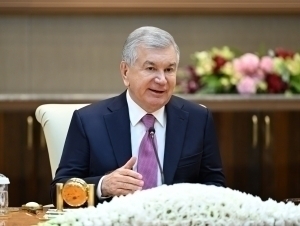
Бирлашган Миллатлар Ташкилоти Бош Ассамблеясининг 80-юбилей сессиясида иштирок этиш учун Нью-Йоркка борган Ўзбекистон Президенти Шавкат Мирзиёев АҚШ Президенти Дональд Трамп билан учрашди. Икки давлат раҳбарлари ўртасидаги илк учрашув Трамп президентлигининг биринчи муддатида, 2018 йилнинг 16 май куни Оқ уйда ўтганди.
Мулоқотда Президент Трамп Мирзиёевни қаттиқ ҳурмат қилишини билдирган ва унинг 15-16 йилдан бери Ўзбекистонни бошқариб келаётганини урғулаган. Ҳолбуки, Шавкат Мирзиёев президентлигига эндигина 9 йил тўлди. Шунингдек, Трамп Ўзбекистон АҚШдан жуда кўп нарса харид қилаётгани, Ўзбекистоннинг пули ҳам, нефти ҳам кўплигини айтган.
Ўзбекистон раҳбари эса мулоқотни Трампга учрашиш бўйича ваъдасини бажаргани учун миннатдорлик билдиришдан бошлади ва уни “Нобель” мукофотига лойиқ, деб атади.
Ўзбекистон Президентининг Трампга тақдимотида айтилишича, Америка билан 2018 йилда 19,4 миллиард долларлик шартнома имзоланган бўлса, 2025 йилда бу кўрсаткич 105 миллиард долларга етган.
Ўзбекистон Президенти Трампни яна бир бор Ўзбекистонга таклиф қилди ва бир вақтлар Самарқандга боришни ваъда қилганини эслатди.
Жорий йилнинг 7 август куни Дональд Трамп Оқ уйда ўтган матбуот анжуманида Қозоғистонга ташриф буюриш эҳтимоли борлигини маълум қилган эди. Аммо Ўзбекистонга келиш-келмаслигига аниқлик киритмади.
Ўзбекистон раҳбарининг БМТ юбилей сессияси баҳонасида АҚШга ташрифига тўхталадиган бўлсак, Трамп билан учрашувдан аввал АҚШ Президентининг Жанубий ва Марказий Осиё бўйича махсус вакили Сержио Гор билан учрашувлар ўтказди. Унда 10 та ҳужжат имзоланди. Улар орасида тилга тушгани эса Транспорт вазирлиги ва Boeing компанияси ўртасида транспорт соҳасида узоқ муддатли ҳамкорлик тўғрисида битим. Ўзбекистон томони битим мақсадлари ва у ўз ичига нималарни олишини очиқламади, бироқ Трамп сирларниTruth Social тармоғида фош қилди. Трампнинг сўзларига кўра, Мирзиёев “Boeing” самолётлари бўйича улкан битим имзолаган.
“Шу ой бошида мен Ўзбекистон Президенти ҳурматли Шавкат Мирзиёев билан суҳбатлашган эдим. Бугун мен Президент Мирзиёевни “Boeing” билан улкан битим имзолангани билан табриклайман! “Uzbekistan Airways” 8 миллиард доллардан ортиқ маблағ эвазига 22 та "787 Dreamliner" самолётини харид қилади. Бу Қўшма Штатларда 35 000 дан ортиқ иш ўринларини яратади”, деб ёзган Трамп.
Америка Президенти, шунингдек, Мирзиёев билан кўплаб масалаларда ишламоқчи эканини билдирган. У Президент Мирзиёевни бир сўзли инсон деб атаган.
Трамп билан учрашувдан чиқибоқ, Шавкат Мирзиёев Бирлашган Миллатлар Ташкилоти минбарида нутқ қилди.
Ўзбекистон раҳбари фикрича, дунёда халқаро институтларнинг ўрни ва роли заифлашмоқда, қарама-қаршилик, низо ва урушлар кучаймоқда, технологик ва ижтимоий тенгсизлик кескин ошмоқда, иқтисодий ва гуманитар инқирозлар ортиб бормоқда. Шу маънода, Президент БМТ Хавфсизлик Кенгашини трансформация қилиш ва унинг таркибини кенгайтиришга чақирди.
Ўзбекистондаги ислоҳотларга тўхталаркан, Мирзиёев сўнгги йилларда камбағаллик даражасини 35 фоиздан 6,6 фоизгача қисқартиришга эришилгани билдирди.
Давлат раҳбари бундан 8 йил аввалги нутқини, унда Марказий Осиёда тинклик муҳитини шакллантириш ҳақидаги гапирганини эслади.
Президентнинг фикрича, афғон халқининг тинч ва осуда ҳаётга бўлган интилишини қўллаб-қувватлаш учун халқаро ҳамжамиятнинг саъй-ҳаракатларини бирлаштириш, бу давлатнинг яккаланиб қолишига йўл қўймаслик керак. Ўзбекистон Афғонистонда катта иқтисодий ва инфратузилма лойиҳаларини амалга оширмоқчи.
Мирзиёев Ғазо секторида ҳарбий ҳаракатларни тўхтатиш ва сиёсий музокараларни давом эттиришга чақирди. Яна бир бор икки халқ учун – икки давлат тамойилини амалга ошириш борасида собитлигини билдирди.
Украина атрофидаги вазиятдан ташвиш билдириб, бу муаммони дипломатик йўллар билан ҳал этиш бўйича юқори даражадаги мулоқотлар бошланганини олқишлади.
Сурхондарёда 15 ёшли қиз турмушга берилди
Сурхондарё вилоятининг Денов туманида 15 ёшли қиз турмушга берилди. Тўй баъзи манбаларга кўра июлда, баъзи манбаларга ишонилса, 10 август куни бўлиб ўтган бўлса-да, унинг иси тугаётган ҳафтада чиқди. Тўй ва у билан боғлиқ бошча чалкашликлар, давлат идораларининг бир-бирини рад этувчи баёнлотлари фақат тўй санаси билан боғлиқ эмас. Охиригача эшитсангиз, гап нима ҳақида кетаётганини дарров тушунасиз.
Болалар омбудсмани берган маълумотлардан англашилишича, жорий йилнинг 8 июль куни Денов туманида яшовчи, 1958 йилда туғилган аёл, яъни қизнинг бувиси 2009 йилда туғилган набирасини шу туманда яшовчи 1997 йилда туғилган йигитга турмушга бериш маросимини ташкил қилган. Лекин ижтимоий ҳимоя миллий агентлиги берган маълумотда тўй маросими 10 август куни бўлиб ўтгани айтилган.
Қиз вояга етмагани сабабли никоҳ қонунда кўрсатилган тартибда қайд этилмаган бўлса-да, 1950 йилда туғилган фуқаро моддий манфаат эвазига уларга шаръий никоҳ ўқиган ва унга Жиноят кодексининг 125-1-моддаси (никоҳ ёши тўғрисидаги қонунчиликни ёки никоҳ тузиш тартибини бузиш) билан жиноят иши қўзғатилган.
Куёв ҳам бу тўйдан ўз насибасини олди. Айтайми, нима? Йигит бечора Жиноят кодексининг 128-моддаси (ўн олти ёшга тўлмаган шахс билан жинсий алоқа қилиш) билан айбланмоқда.
Энди буёғини сўрасангиз, одатда бундай масалаларда четда турадиган Оила ва хотин-қизлар қўмитаси ушбу ҳолатни манзилли ўрганганини айтиб, қиз 15 эмас, 17 ёшда бўлганини айтиб чиқди. Ҳолбуки, қўмитанинг бу баёнотидан кейин ҳам қиз 15 ёшда эканини тасдиқловчи фактлар бошқа давлат идоралари томонидан илгари сурилишда давом этди. Зулайҳо Маҳкамова бошчилигидаги қўмита қизнинг ёшини 17 ёшда деб беришга, ҳолатни хастпўшлашга уринган бўлса-да, Болалар омбудсмани қизнинг ёши 15 да бўлгани учун ҳам йигитга нисбатан ўн олти ёшга тўлмаган шахс билан жинсий алоқа қилиш моддаси билан жиноят иши қўзғатилганини билдирди.
QALAMPIR.UZ’га маълум бўлишича, қиз 2009 йилнинг 3 октябрь санасида туғилган ва ҳали 16 ёшга тўлмаган. Хўш, Маҳкамованинг қўмитаси қиз 17 ёшда деган гапни қайердан олди?
Ўзбекистонда турмуш қуриш ё ажрашиш нафақат дода-бувилар, амма-хола, қариндош-уруғ, маҳалла-кўйнинг, балки давлатнинг иши. Мамлакат Оила кодексининг 15-моддасига мувофиқ, никоҳ ёши эркаклар ва аёллар учун 18 ёш этиб белгиланган. Ушбу ёшга етмаган шахслар ўртасида тузилган никоҳ ҳақиқий эмас, деб ҳисобланади. Бундай ҳолатга йўл қўйган ота-она ёки воситачиларга нисбатан катта миқдорда жарима қўлланилиши мумкин, такрорланса ёки оғир оқибатларга олиб келса, жиноий жавобгарликка тортилади.
Тўйларни тартибга солиш бўйича ҳукумат қарори қабул қилинди
Шу ҳафта 15 яшар қизнинг турмушга берилгани шов-шув бўлган бир пайтда Ўзбекистонда тўйлар, оилавий тантаналар, маросимларни тартибга солувчи навбатдаги ҳужжат қабул қилинди ва катта эҳтимол билан унинг ҳам ишлаши даргумон.
Вазирлар Маҳкамаси томонидан жорий йилнинг 16 сентябрь куни қабул қилинган қарор “Умумий овқатланиш корхоналарида ҳосил бўладиган озиқ-овқат чиқиндиларидан самарали фойдаланиш ва уларнинг атроф-муҳитга салбий таъсирини камайтириш ҳамда ортиқча исрофгарчиликларнинг олдини олиш чора-тадбирлари тўғрисида” номини олган.
Унга кўра, 2026 – 2030 йиллар “Долзарб озиқ-овқат хавфсизлиги даври” деб эълон қилинади, тўйлар, оилавий тантаналар, маърака ва маросимлар белгиланган тартибда ўтказилиши қатъий назоратга олинади. Яъни, бунда Ҳукумат белгиланган тартиб, деб Олий Мажлиси Қонунчилик палатаси ва Сенати Кенгашларининг 2019 йил 14 сентябрдаги қўшма қарори билан тасдиқланган Тўйлар, оилавий тантаналар, маърака ва маросимларни ўтказишни тартибга солиш тўғрисидаги низом талабларини назарда тутмоқда. Ўзи бу Низом қачондир ишлаганмики, энди ишлаши назоратга олинса. Шахсан мен ушбу қарорнинг муҳокама ва қабул қилиш жараёнларида иштирок этганман, лекин олти йилдирки, бирор тўйда бу қарорнинг ишлаганини кўрганим йўқ. Ҳукумат ҳатто пандемия даврида назорат қилолмаган тўйларини энди қайси йўл билан назоратга олмоқчи. Боз устига ўша талабларни Ҳукумат вакиллари, ижро органи мансабдорлари, амалдорларнинг ўзи бузиб, данғиллама тўйлар қилиб турган бўлса...
Ё холвани бой ейди, калтакни камбағалми?
Ўша Низомга кўра, оилавий тадбирларда 200 нафаргача, шу муносабат билан бериладиган ош маросимида эса 250 нафаргача иштирокчи қатнашиши мумкинлиги белгиланган. Қўшалоқ тўй ва ҳашарларда 250 нафаргача, унга боғлиқ ош маросимида эса 300 нафаргача меҳмон бўлиши мумкин.
Низомда, шунингдек, миллий анъаналарга ёт, одоб-ахлоқ қоидаларига зид бўлган, ортиқча вақт ва харажат талаб қиладиган қўшимча расм-русум ва шоуларни ўтказишга рухсат берилмаган. Хусусан, “Куёв навкари”, “чорлар”, “ота кўрди”, “сеп ёйди”, “қуда чақирди”, “куёв чақирди”, “келин чақирди”, “тоғора юбориш” каби урф-одатлар.
Хўш, энди қайси амалдор юқоридаги тадбирларни ўтказганини номма-ном айтайми? Мен кимнинг қандай тўй қилишига аралашмоқчи эмасман, гап бунда эмас. Фақат стандартлар иккиёқлама эмас, бирёқлама бўлсин. Ҳукумат қарор чиқаряпти, Сенат ҳужжат қабул қилиб, тартибни белгилаб беряптими, демак амалиётда ҳам биринчи навбатда ўзлари ўрнак бўлишсин.
Истанбулда ўзбекистонлик аёл ўлдириб кетилди
Истанбулнинг Фотиҳ туманида Ўзбекистон фуқароси бўлган 36 яшар аёл Оқсарой маҳалласидаги ижара бошпанасида бўғзидан пичоқланиб, ўлдириб кетилди.
Унинг дўстлари аёл билан бир неча кун давомида боғлана олмагач, бу ҳақда уй эгасига хабар беришган. Уй эгаси ва аёлнинг дугонаси ундан хабар олиш мақсадида хонадонга келган ва эшикни чилангар ёрдамида очишган. Уй ичида эса аёлнинг бўғзидан пичоқланган ҳолда жонсиз ётганини кўришган. Шундан сўнг зудлик билан полицияга хабар берилган. Воқеа жойига тергов гуруҳи ва тез тиббий ёрдам етиб келган. Шифокорлар аёл аллақачон вафот этганини аниқлаган. Жасад Суд тиббиёт институти ўликхонасига юборилган.
Ўзбекистоннинг Истанбулдаги Бош консулхонасида маълумотларига кўра, аёл бир неча йил аввал Туркияда бўлиш қоидаларини бузгани учун депортация қилинган ва мамлакатга кириши тақиқланган. Кейинчалик Туркияга исм-фамилиясини ўзгартирган ҳолда кириб борган.
Жиноят бўйича маҳаллий ҳуқуқни муҳофаза қилувчи идоралар томонидан тергов ҳаракатлари олиб борилмоқда. Бош консулхона томонидан марҳумнинг оила аъзоларига жасадни Ўзбекистонга қайтариш учун зарур консуллик-ҳуқуқий ёрдам кўрсатилган.
Туркиядаги ўзбекистонликлар мавзусидан узоқлашмаймиз. Шу ҳафта одам савдоси жинояти гумонланган уч ўзбекистонлик аёл Истанбулда қўлга олиниб, Ўзбекистонга депортация қилинди.
Улардан бири 1974 йилда туғилган “Соня” лақабли аёл бўлиб, у 2013-2015 йилларда Бангкок шаҳрида фоҳишахона ташкил этиб, ўзбекистонлик аёлларни юқори даромадли иш ваъдаси билан алдаб, Қозоғистон орқали Таиландга олиб борган ва фоҳишалик қилишга мажбурлаган жиноий гуруҳ таркибида фаол иштирок этганликда айбланган.
У ва шу ҳақта қўлга олинган икки аёлнинг ноқонуний хатти-ҳаракатларидан жабрланган фуқаролардан Ўзбекистон ҳуқуқ-тартибот идоралари, шунингдек, Истанбулдаги Бош консулхонага мурожаат қилиш сўралган.
Давлат боғчаларида болалар овқатдан заҳарланди
Бошқа мамлакатларда бундай ҳодиса рўй берса, бутун таълим ва соғлиқни сақлаш тизимлари, маҳаллий ҳокимият тугул, бутун Ҳукумат оёққа турарди. Йўқ, бизда Док-1 Максдан 70 га яқин боланинг ўлимини осон унутдик-ку,бунга нима ҳам дейиларди. Нимага ваҳима қилаётганимни айтайми? Тошкент вилоятидаги давлат боғчаларида болалар овқатдан оммавий заҳарланди. Ҳолат Бўка, Пискент, Қуйи Чирчиқ ва Оққўрғон туманларидаги боғчаларда содир бўлган.
Мактабгача ва мактаб таълими вазирлигига кўра, дастлабки тиббий кўриклар хулосаси асосида бемор болаларга “Ошқозон ичак фаолиятининг ўткир функционал бузилиши, овқат токсикинфекцияси” ташхиси қўйилиб, зарурий муолажалар амалга оширилган ҳамда шу куннинг ўзида аксарият болаларнинг соғлиғи яхшилангани туфайли уйларига жавоб бериб юборилган. Оғир аҳволдаги беморлар аниқланмаган.
Вазирликка кўра, Қуйи Чирчиқ туманида 12, Оққўрғон туманида 97 – жами 109 нафар бола шифохоналарга ётқизилган. Бу умумий қамров дегани эмас, менимча. Чунки заҳарланиш ҳолатлари Бўка ва Пискентда ҳам аниқланган ва вазирлик берган маълумотда шифохонада бу туманлардан неча нафар бола даволанаётгани очиқланмаган.
Дастлабки тахминларга кўра, болалар соғлиғидаги ўзгаришларга сифатсиз сут маҳсулотлари сабаб бўлган. Мактабгача таълим ташкилотларига шу куни олиб келинган 3,2 фоизли кефир маҳсулоти Оққўрғон туманидаги цехларнинг бирида ишлаб чиқарилгани аниқланган.
Ҳолат ортидан Жиноят кодексининг 257-1-моддаси (Санитарияга оид қонунчиликни ёки эпидемияга қарши кураш қоидаларини бузиш) 1-қисми билан жиноят иши қўзғатилди. Болалар омбудсмани бола манфаатлари нуқтаи назаридан ҳолат бўйича ўз кузатувини давом эттиришини билдирди.
Бу Тошкент вилоятида болаларнинг оммавий заҳарланиши билан боғлиқ содир бўлаётган биринчи ҳолат эмас. 2021 йилнинг 2 – 11 август кунлари Тошкент вилоятининг Оққўрғон туманидаги 5-сонли мактабгача таълим ташкилотининг 30 дан ортиқ тарбияланувчиси заҳарланиш белгилари билан шифохоналарга ётқизилган эди. Ўшанда воқеа жойида Бош прокурор Ниғматилла Йўлдошев етиб борган, жиноят иши қўзғатилган, текширувлар бошланган. Бироқ очилган жиноят иши қандай якун топгани, болалар нимадан заҳарлангани ва бунга сабаб бўлганларга қандай чоралар кўрилгани бўйича маълумотлар очиқланмаган.
ОМОН Жалолиддин Аҳмадалиевнинг концертига бостириб кирди
Россия ҳуқуқ-тартибот органлари томонидан мигрантларга, айниқса, Марказий Осиёдан келган меҳнат муҳожирларига нисбатан ғариинсоний ҳаракатлар давом этмоқда. Красноярск ўлкасида ОМОН “Корона” ресторанига ўзбекистонлик хонанда Жалолиддин Аҳмадалиевнинг концертига бостириб кирди.
Ички ишлар вазирлигининг вилоят бош бошқармаси, Федерал хавфсизлик хизмати ва Россия Миллий гвардияси махсус бўлинмалари ходимлари рейд ўтказиб, 620 нафар меҳмонни, жумладан, 210 нафар хорижликни тинтув қилган. Бу тинтув Россияга хориждан борган чет эл фуқаролари ва гиёҳванд моддалар савдоси билан шуғулланиши мумкин бўлган шахсларни аниқлаш мақсадида ўтказилгани билан хаспўштланмоқда. Концертга йиғилганларда тақиқланган буюмлар ёки моддалар топилмаган.
Шундай бўлса-да, 26 нафар хорижлик полиция бўлимига олиб кетилган. Улардан саккиз нафари Россияда ноқонуний яшаётгани аниқланган ва улар ўзбекистонлик.
Рейддан сўнг полиция ходимлари томонидан чет эл фуқаролари ёки фуқаролиги бўлмаган шахслар томонидан Россияга кириш ёки у ерда бўлиш, шунингдек, иммиграция қоидаларини бузганлик учун жами 19 та маъмурий баённома тузилган. Бундан ташқари, Россия Жиноят кодексининг 322.3-моддаси (чет эл фуқароси ёки фуқаролиги бўлмаган шахсни ноқонуний рўйхатга олиш) бўйича учта иш тўпланган.
Ўзбекистонликларнинг 4 нафарига нисбатан маъмурий жарима ва маъмурий чиқариб юбориш чоралари қўлланилган, қолган 4 нафари эса Красноярск ўлкасидаги чет эл фуқароларини вақтинча сақлаш марказига жойлаштирилган.
Ўзбекистон Ташқи миграция агентлиги фуқароларнинг ҳуқуқ ва манфаатларини ҳимоя қилиш мақсадида воқеа жойига адвокат юборганини эълон қилди. Айни пайтда мазкур ҳолат Россия Федерациясининг амалдаги қонунчилиги доирасида ўрганилмоқда.
Ўзбекистоннинг Новосибирскдаги Бош консулхонаси Красноярск ўлкасида ҳуқуқни муҳофаза қилувчи органлар томонидан ўтказилаётган бундай рейдлар ҳуқуқий асосга эга бўлиши ва маданий ҳордиқ чиқаришга тўсқинлик қилмаслиги лозим, деган фикрда. Консулхона Красноярск куч тузилмалари ҳаракатларига ҳуқуқий баҳо бериш мақсадида барча зарур ҳужжатлар ҳуқуқни муҳофаза қилувчи органларга тақдим этилганини маълум қилди.
Шунингдек, тугаётган ҳафтада Санкт-Петербург шаҳрида беш нафар Ўзбекистон фуқароси гумондор ўлароқ ҳибсга олинди. Уларнинг ёши 22 дан 40 гача бўлиб, оммавий муштлашувда иштирок этган.
Муштлашув 20 сентябрь куни тунги вақтда дўконда бошланган. Низо сабаби – ҳибсга олинганларнинг ватандоши бўлган сотувчи аёл билан боғлиқ бўлиб, у миграция қонунчилигини бузганлиги аниқланган.
Қозоғистонда ўзбекистонлик эркак қотиллик қилди
Қозоғистоннинг Сариоғоч шаҳрида 39 ёшли ўзбекистонлик эркак нафақахўр аёлни болта билан чопиб ташлади. Қотиллик жорий йилнинг май ойида Жибек Жоли қишлоғида содир бўлган эса-да, жиноятга оид маълумотлар энди кун юзини кўрди.
Суд ҳужжатига кўра, Ўзбекистон фуқароси бўлган 39 ёшли эркак нафақахўр аёлни болта билан уриб, боғлаб қўйган.
Жабрланувчи ҳушини йўқотгач дастлаб унинг томоғидан кесган. Кейин эса қўллари ва жинсий аъзосини кесиб олган. Эркак “қотиллик” моддаси бўйича суд қилинган.
Суд-тиббий экспертизаси хулосасига кўра, жабрланувчининг ўлимига бўйин қисмидаги чопилиш ва кесилиш жароҳатлар оқибатида юзага келган травматик ҳамда геморрагик шок сабаб бўлган. Трухея, қизилўнгач, биринчи бўйин умуртқаси, орқа мия ва йирик қон томирлари зарарланган. Шунингдек, бошнинг кесиб олингани аниқланган.
Судда эркакнинг айби тўлиқ исботланган. Бироқ психиатрия экспертизаси у сурункали руҳий касаллик – параноид шизофрениядан азият чекишини ва олти йилдан ортиқ вақт мобайнида диспансер ҳисобида турганини кўрсатган.
Туркистон вилояти жиноят ишлари бўйича ихтисослаштирилган туманлараро суд қарори билан эркак жамоат учун хавфли қилмишни ақли норасо ҳолатда содир этгани учун жиноий жавобгарликдан озод қилинган, унга нисбатан махсус психиатрия шифохонасида интенсив кузатув билан мажбурий даволаш чоралари қўлланилиши белгиланган.
Айбланувчи Олмаота вилоятининг Талғар тумани, Оқтош қишлоғидаги психиатрия шифохонасига мажбурий даволанишга юборилган. Марҳумнинг қариндошлари эса суд қароридан норози бўлиб, апелляция шикояти киритган.
Сирдарёдаги ЙТҲда 2 бола ҳалок бўлди
Бу ҳафта Ўзбекистонда ўта оғир, даҳшатли йўл-транспорт ҳодисалари содир бўлди. Сирдарё вилоятининг Сирдарё туманида қайд этилган аварияда икки нафар вояга етмаган шахс вафот этди.
Унда 15 ёшли бола отасига тегишли бўлган Lacetti автомашинасини бошқариб кетаётиб, юқори тезлик оқибатида бошқарувни йўқотган ва йўл четидаги зовурга тушиб кетган. Оқибатда рулдаги болакай омон қолган, у тиббиёт бирлашмасининг Жонлантириш бўлимига ётқизилган, автомобилдаги яна икки вояга етмаган бола эса воқеа жойида вафот этган.
Ҳолат ортидан Жиноят кодексининг 266-моддаси (транспорт воситалари ҳаракати ёки улардан фойдаланиш хавфсизлиги қоидаларини бузиш) 3-қисми “а” банди билан жиноят иши қўзғатилиб, ҳозирда тергов ҳаракатлари олиб борилмоқда.
Тошкентнинг Янгиҳаёт туманида эса электробус 2007 йилда туғилган қизни босиб кетди. Камерага муҳрланган тасвирда қизнинг бекат ҳудудида кетаётганини ва автобус ҳайдовчисининг уни кўрмай аввал уриб, сўнг босиб кетганини кўриш мумкин.
Ҳолат 19 сентябрь куни соат 06:53 да 4-автобус саройи филиали тасарруфидаги 57-сонли йўналиш бўйлаб ҳаракатланадиган Yutong русумли электробуснинг 2000 йилда туғилган ҳайдовчиси билан содир бўлган. Утранспортни Янгиҳаёт тумани Чоштепа кўчаси бўйлаб бошқариб келиб, Эркин қўрғони охирги бекатига кираётганида шу ҳудуддан ўтаётган 2007 йилда туғилган пиёдани автобуснинг ўнг ён томони билан уриб юборган ва йўл-транспорт ҳодисаси содир этган.
Ҳайдовчи зудлик билан автобус ҳаракатини тўхтатиб, қизни шифохонага олиб борган ва унга биринчи тез тиббий ёрдам кўрсатилган. “Тошшаҳартрансхизмат” АЖ ҳозирда пиёданинг аҳволи яхши экани билдирган, бироқ бошқа расмий идоралар аниқ маълумот берганича йўқ.
Хоразмда ҳам одам ўлимига сабаб бўлган ЙТҲ содир бўлди. Унда 20 яшар ҳайдовчи бошқарувида бўлган Cobalt ўзига нисбатан ўнг томондан чап томонга йўлни кесиб ўтаётган скутер ҳайдовчисини уриб юборган. Оқибатда скутер ҳайдовчиси олган тан жароҳатлари оқибатида воқеа жойида вафот этган.
Тошкент шаҳрининг Яккасарой тумани, Муқимий кўчасида Gentra ва BYD автомашиналарининг ҳайдовчилари ўртасида келиб чиққан можарода ҳомиладор аёл тан жароҳати олиб, ҳомиласидан айрилди.
Жанжал ҳайдовчилардан бири йўлнинг ўнг бўлагига ўтишга уринаётган вақтда бошланган. BYD ҳайдовчиси ва унинг отаси Gentra ҳайдовчисига ҳужум қилиб, автомобиль ойналарини синдирган ҳамда унинг ҳомиладор турмуш ўртоғига жисмоний тажовуз қилган.
Ҳолат ортидан Жиноят кодексининг 277-моддаси (безорилик) 2-қисми “б” банди билан жиноят иши қўзғатган. Қолаверса, ҳомила нобуд бўлишининг аниқ сабабларини аниқлаш учун суд-тиббий экспертизаси тайинланган.
Сенатор пойтахтдаги тирбандликда вилоятликларни айблади
Сенатнинг Бюджет ва иқтисодий масалалар қўмитаси раиси Эркин Гадоев Тошкент шаҳрида юзага келаётган тирбандликларда вилоятликларни айблади.
У ушбу масалада Транспорт вазирлигига сенаторлик сўрови юборган. Унда пойтахт йўлларида юзага келаётган тирбандликлар аҳолининг кундалик ҳаётига жиддий таъсир кўрсатаётгани айтилган.
Сенат ахборотида ўқув йили бошланиши билан Тошкент шаҳрида ҳаракат кескин кучайиб, айрим вақтларда тирбандлик даражаси энг юқори – 10 баллгача кўтарилаётгани, бу эса ишга, ўқишга ҳамда турли мақсадларда пойтахтга йўл олган минглаб фуқароларнинг вақти зое кетишига олиб келаётгани билдирилган.
Сенаторнинг фикрича, ҳар куни 1 миллионга яқин киши пойтахтга келади, уларнинг 275 минг нафари Тошкент вилоятидан. Вилоятнинг туташ ҳудудларидан минглаб автомобилларнинг эрталаб пойтахтга кириб, кечқурун ортга қайтиши эса тирбандликларни янада кучайтирмоқда.
Сенатор сўровида Тошкент шаҳрида тирбандликни камайтириш бўйича амалга оширилаётган чоралар, “Интеллектуал транспорт” тизимининг амалдаги ҳолати, жамоат транспортини ягона агломерация тизимига ўтказиш жараёни бўйича атрофлича маълумот тақдим этиш сўралган.
Мен сизга айтсам, Тошкентдаги тирбандлик ўзининг энг юқори даражасига етди, десам янглишмайман. Айниқса, пойтахтнинг турли ҳудудларида амалга оширилаётган қурилиш, реконструкция ишлари сабаб йўлларнинг ёпилиши одамларнинг норозилигига, тарбандликнинг янада ортишига сабаб бўлмоқда. Шу кунларда Якксарой ва Миробод туманларида ҳаракатланаётган ойлар давомида ёпиқ турган йўллар оқибатида умрининг қанча қисмини пробкада ўтказаётганини яхши билади. Бу туманлардан қатнайдиганлар ишдан уйга, уйдан ишга, ўқишга кечикиб бориши, камида бир соат йўлда қолиб кетиши одатга айланиб қолди.
Бу Тошкентда одамларни қийнаётган, агрессиясига сабаб бўлаётган ягона муаммо эмас. Одамлар тоза ҳаводан мосуво бўлиб бораётганидан ҳам ташвишда ва бу ташвиш норозилик кайфиятини кучайтирмоқда. 22 сентябрь куни Тошкент ҳаво ифлосланиши даражаси бўйича дунёда биринчи бўлди ва бу биринчи марта қайд этилаётган натижа эмас.
Тошкент ҳавосида майда PM 2,5 дисперс зарраларининг концентрацияси 99 микрограмм метр кубни ташкил этган – бу ЖССТ томонидан тавсия этилган ўртача ҳаво сифати кўрсаткичидан 19,8 бараварга кўп.
“Ўзбекистон пойтахти ҳавоси энг бузуқ шаҳарлар орасида биринчи. На яшашга яроқли, на кўчмас мулк сотиб олишга, чунки муҳит заҳарли. Мамлакатнинг бошқа жойларига кетишга арзийди. Яқин келажакда вазият яхшиланади дея умид қилишга асос йўқ. Тошкент орзулар амалга ошадиган шаҳар эмас. Соғлиқни ўйланг”, дейди “Америка овози” телерадиоси журналисти Навбаҳор Имомова.
Экология, атроф-муҳитни муҳофаза қилиш ва иқлим ўзгариши вазирлиги пойтахтда ҳаво ифлосланишини Навоий вилояти шарқи, Айдаркўл кўллар тизими атрофида эсган кучли ва давомли ғарбий шамоллар ўз йўналишини Чордара сув омбори ҳудудларидан бошлаб бироз шимол томонга ўзгартиргани билан боғлади. 22 сентябрь куннинг иккинчи ярмидан Қизилқум шарқи ва Айдаркўл ҳудудлари ҳамда Қозоғистоннинг жанубий вилоятларида кўтарилган чанг ҳаво массалари тўғри Тошкент шаҳрига кириб келган.
Ўша куни тушдан кейин Ўзгидрометнинг Учтепа ҳокимияти биноси олдига ўрнатилган Ҳориба автомат станцияси айни ўша муддатда ҳаво таркибида 142 мкг/метр куб оғирликда майда PM2.5 заррачасини қайд этган. Бу миллий рухсат этилган стандарт қийматдан 4 баробар кўп дегани. PM2.5 майда заррачаси бўйича миллий рухсат этилган меъёрий қиймат 35 мкг/метр куб ҳисобланади.
Кечга бориб, Ўзгидрометнинг Тошкентга ўрнатилган кўплаб автомат станция қийматларида ҳавода майда PM2.5 дисперс заррачалари тахминан 150 мкг/метр куб атрофида шиддат билан кўпайиб бораётгани қайд этилган. Бу каби қиймат Тошкентнинг катта қисмида майда PM2.5 заррачалар билан ифлосланиш миллий рухсат этилган меъёрдан 5 баробаргача кўпайиб кетишига олиб келган. Айни мана шу муддатда Тошкент халқаро аэропортида кўриш масофаси янада ёмонлашиб, 4000 метргача масофани ташкил этган.
Гулнора Каримовадан мусодара қилинган пуллар нимага ишлатилиши айтилди
Тугаётган ҳафтада ҳақда Бирлашган Миллатлар Ташкилотининг Ўзбекистондаги ваколатхонаси Ўзбекистоннинг Биринчи Президенти Ислом Каримовнинг тўнғич қизи Гулнора Каримованинг Швейцарияда мусодара қилинган пулларидан 20 млн доллари таълим олиш имкониятларини яхшилаш учун ажратилиши ҳақидаги баёнот билан чиқди.
Қайд этилишича, “Ишонч” жамғармасининг Бошқарув қўмитаси жорий йилнинг 17 сентябрида Наманган шаҳрида бўлиб ўтган “Камбағалликдан фаровонлик сари” III ҳалқаро форумида маблағларни қайтариш ва тақсимлашнинг шаффоф ҳамда қатъий тамойилларга асосланган жараёнига содиқлигини тасдиқлаши баробарида “Мактабларда иқлим ўзгаришига чидамлилик ҳамда сув таъминоти, санитария ва гигиенани (SSG) моделлаштириш” лойиҳасига 20 миллион АҚШ доллари миқдорида маблағ ажратишини эълон қилган. Лойиҳа расман жорий йилнинг 1 октябрида ўз ишини бошлайди.
Лойиҳада Ўзбекистон бўйича камида 45 та қишлоқ мактабини таъмирлаш, мактабларда энергия сарфини 30 фоизга ва димланган газлар чиқиндиларини 50 фоизга камайтириш учун хавфсиз сув, замонавий санитария, ишончли иситиш тизимлари ва экологик тоза энергия билан таъминлаш кўзда тутилган. Лойиҳа 31 500 нафар бола, айниқса, ўсмир қизлар учун кундалик таълим шароитларини бевосита яхшилайди.
Мактаб ёшидаги болалар сони тез ўсиб бораётган мамлакатлар ичида Ўзбекистон дунёдаги юқори ўринларда туради. Бу ерда 1,4 миллиондан ортиқ ўқувчи сув таъминоти бўлмаган ёки сув таъминоти чекланган мактабларга қатнайди. Кўпгина мактаблар, айниқса қишлоқ жойлардаги мактабларда ҳамон эскирган ҳожатхоналар ва самарасиз иситиш тизимларидан фойдаланилмоқда. Мазкур лойиҳа иқлим ўзгаришига чидамли, инклюзив ва гендер жиҳатлар ҳисобга олинган инфратузилмани жорий этиш орқали бу долзарб муаммоларга ечим топишидан умид қилинмоқда.
Жорий йил февраль ойида Тошкент шаҳрида Ўзбекистон томонидан Адлия вазири Акбар Тошқулов ҳамда Швейцария томонидан Швейцариянинг Ўзбекистондаги Фавқулодда ва мухтор элчиси Константин Оболенский ўртасида “Мусодара қилинган активларни тақсимлаш тўғрисидаги битим” имзоланганди. Битим доирасида тахминан 182 млн доллар миқдоридаги маблағлар Ўзбекистонга қайтарилиши белгиланган.
Мазкур маблағлар Ўзбекистон Республикаси айрим фуқаролари томонидан ноқонуний орттирилган бўлиб, 2012 йилда Швейцария Бош прокуратураси томонидан Гулнора Каримовага нисбатан қўзғатилган жиноят иш юритуви доирасида тўлақонли мусодара қилинган эди. Маблағлар Бирлашган Миллатлар Ташкилотининг “Uzbekistan Vision 2030 Fund” Кўп шериклик траст жамғармаси орқали қайтарилади.
Кейинроқ, Бельгиянинг Брюссель прокуратураси Мусодара қилинган мол-мулкни бошқариш марказига (COIV) Гулнора Каримовага тегишли бўлиши мумкин жами 108 миллион долларни мамлакат давлат ғазнаси ҳисоб рақамига ўтказиш бўйича илтимоснома юборганди. Брюссель прокуратурасининг талабига биноан, суд жиноят йўли билан олинган маблағларни иккала давлат ўртасида тақсимлаш керак, деган хулосага келган. Бу қарор Европа Иттифоқининг икки аъзо давлати ўртасида мусодара қилинган маблағларни тақсимлаш бўйича мавжуд қонуний механизмга ўхшаш принцип асосида қабул қилинган. Ушбу суд қарорига мувофиқ, 108 миллион доллар Ўзбекистонга ўтказилиши белгиланган. Бироқ баёнотда мазкур маблағларнинг қайси жиноят ва ким билан боғлиқ экани ошкор қилинмаган.

Live
All23 October