10 000 $ билан ушланган Холбўтаев, “пробка”да қолиб кетган Президент, бекор бўлаётган “прописка” чеклови – Ҳафта таҳлили
Review
−
12 July 2025 13789 17 minutes
Ўзбекистонда ҳоким пора билан ушланди. Энг қизиғи, у муқаддам худди шу айблов билан қўлга олинганди. Президент йўллардаги “пробка”ларни танқид қилди, аммо Тошкентда одам сони кун сайин кўпайиб бормоқда. Тошкент пропискасини олишни тақиқловчи қонуннинг бекор бўлиши эса пойтахтда қатновнинг янада ортишига олиб келади. Чет элда жиноят қурбони бўлаётган ўзбекистонликларни мамлакатга қайтариш ва ҳуқуқларини ҳимоя қилиш масаласи ҳамон сансалор. Шу ва бошқа масалалар муҳокамаси билан QALAMPIR.UZ’да Ҳафта воқеалари таҳлилининг навбатдаги сони.
Тошкентга “прописка”га қўйиш бўйича тақиқ бекор қилиняпти
10 йиллар давомида Ўзбекистонда маҳаллийчиликни расман тасдиқлаб келаётган ҳужжат – “Тошкент шаҳри ва Тошкент вилоятида доимий прописка бўйича прописка қилиниши лозим бўлган Ўзбекистон Республикаси фуқаролари тоифалари рўйхати тўғрисида”ги қонун ўз кучини йўқотмоқда. Бундан англашиладики, эндиликда Ўзбекистоннинг исталган вилоятидан келган фуқаролар пойтахт Тошкент ва Тошкент вилоятида доимий рўйхатда туриши мумкин.
Маълумки, бундан 14 йил аввал юқоридаги қонун қабул қилинган бўлиб, унга кўра 12 тоифадаги фуқароларга Тошкент шаҳри ва вилоятида доимий “прописка” олиш ҳуқуқи берилган эди. Бу эса халқаро экспертлар томонидан инсон ҳуқуқларининг чекланиши сифатида баҳолаб келинарди. Йиллар давомида Тошкентда ўқиб, ишлаб, ушбу катта шаҳарда рўзғор тебратаман, деб келганлар кўч-кўронини кўтариб кўчаларда, ички ишлар идораларида сарсон бўлгани, уларга худди бегонадек муомала қилингани, ҳайдалгани, четлаштирилгани ҳам бор гап.
Охирги йилларда Тошкентдан уй харид қилиш ва пропискага туриш анча енгиллашди. Энди биринчи маъмурият давридагидек, Тошкент мамлакат ичида алоҳида мамлакат эмас. Ва ниҳоят Президент Шавкат Мирзиёев жорий йилнинг 11 июль куни “Ўзбекистон Республикаси фуқароларини, чет эл фуқароларини ва фуқаролиги бўлмаган шахсларни яшаш жойи ва турган жойи бўйича ҳисобга олиш тўғрисида”ги янги қонунни имзолади. Қонун 2024 йилнинг 15 октябрида Олий Мажлис Қонунчилик палатасида, жорий йилнинг 24 январида Сенатда тасдиқланган. Ҳужжат 2025 йилнинг 12 октябридан кучга киради.
Унга мувофиқ ҳар қандай фуқаро доимий пропискадан ўтиши мумкин. 2011 йилда қабул қилинган ва ҳозиргача амалда бўлган қонунга кўра, фақат 12 тоифадаги фуқаролар (уй-жой мулкдорлари, қариндошлар, васийликдаги ва тарбиялаш учун оилага қабул қилинган болалар, ота-онаси бўлмаган вояга етмаган қондош ака-ука ва опа-сингиллар, парламент, президент, Вазирлар маҳкамаси томонидан ёки улар билан келишилган ҳолда сайланган, тайинланган, тасдиқланадиган фуқаролар, шунингдек, уларнинг оила аъзолари ва бошқа шахслар) доимий “прописка” қилиниши мумкин эди. Бироқ, бу тартиб янгиланган Конституциянинг 32-моддасида қайд этилган “Ўзбекистон Республикаси ҳудудида бўлиб турган ҳар ким мамлакат бўйлаб эркин ҳаракатланиш, турар ва яшаш жойини танлаш ҳуқуқига эга”, деган тушунчага зидлигича қолаётган эди.
Янги қонун билан фуқароларнинг яшаш жойида “прописка”сиз бўлиш муддати 15 иш кунидан 10 иш кунигача қисқартирилмоқда. Фуқароларга, шунингдек, доимий яшовчи чет эл фуқаролари ва фуқаролиги бўлмаган шахсларга Ягона интерактив давлат хизматлари портали орқали ички ишлар органларининг миграция ва фуқароликни расмийлаштириш бўлимлари, давлат хизматлари марказлари орқали шахсан бўлиб турган жойи бўйича рўйхатдан ўтиш учун онлайн ариза бериш имконияти яратилмоқда.
Президент Тошкентдаги “пробка”лардан норози
Охирги йилларда пойтахт Тошкент ва Тошкент вилоятида доимий рўйхатда турган аҳоли сони кундан кунга бортиб бораётгани ҳам бор гап. Расмий статистик маълумотларга ишонилса, 1 июль ҳолатига кўра, Ўзбекистон аҳолиси 37,9 миллионни ташкил этмоқда ва шундан 3 миллион 145 минг 200 дан зиёди пойтахт Тошкент ҳиссасига тўғри келмоқда. Тошкент вилоятининг доимий аҳолиси сони эса 3 миллион 134 минг 100 киши. 2022 йилнинг 1 январь ҳолатига таққосланса, Тошкент аҳолиси 284 700 нафарга, Тошкент вилояти аҳолиси эса 192 500 нафарга ошган. Бу статистиканинг расмий қисми, холос. Ҳали Тошкентга келиб ўқиётган, ишлаётган, кундалик ва мавсумий меҳнат фаолияти билан шуғулланаётган, киракашлик қилаётганларни ҳисобга олмагандаги рақамлар бу. Лекин ҳақиқий ҳолат кўрсатилганидан анча юқори. Оқибатда эса йўлларда тирбандлик, жамоат транспортида юкламалар ортмоқда. Ҳатто, Президент Шавкат Мирзиёевнинг ўзи ҳам Тошкентдаги “пробка”лардан шикоят қилди.
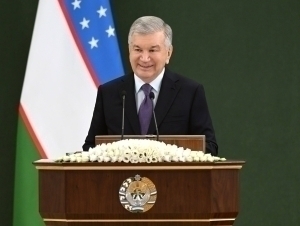
Бу ҳақда давлат раҳбари 9 июль куни йўл ҳаракати хавфсизлигини таъминлаш бўйича ўтказган йиғилишида гапирди.
Президентнинг айтганича бор, бироқ йўллардаги “пробка”ларга ҳар доим ҳам енгил автомобиллар қатнови ортгани сабаб бўлаётгани йўқ. Айлана билан ечим қилиш мумкин бўлган жойларга ҳам светофорлар ўрнатилгани, светофорларнинг тўхташ чироқлари ва яшил чироғи ёниши давомийлиги ўзаро номутаносиблиги, баъзи йўлларда 30-50 метр масофада ҳам светофорлар жойлашлагани, тезликни ошириш чегараси кўплаб жойларда 50 ва 60 этиб белгилангани, камига ҳар бир чорраҳада жойлашган қоидабузарликларни қайд этиб борувчи камералардан қўрқув, яшил ва сариқ чироқ оралиғида ўтгани учун тузилаётган жарима баённомалари – ҳайдовчиларни йўлларда қўрқоқ ва эҳтиёткор қилиб қўйяпти. Ҳали светофорнинг сариқ чироғи ёнмай туриб, охирги 7-5 секундларда камерага тушмай, деб светофорларда тўхтаб оладиган ҳайдовчилар ҳисобига содир бўлаётган ЙТҲлар ҳам йўқ эмас. Йиртиқ-ямоқ йўлларни, ўйдим-чуқурларни-ку айтмаса ҳам бўлади. Устига-устак айрим кўчаларда, айниқса, маъмурий бинолар ёки имконини қилганларнинг маҳаллаларида, яшаш жойларида тўхташни ёки ҳаркатланишни тақиқловчи белгиларнинг ўрнатилгани, йўллар ва автомобиллар тўхташи мумкин бўлган жойлар асоссиз ўраб олинганининг ҳисобига ҳайдовчилар сарсон бўлмоқда. Президент буларни билади ва бу сафар бу масаланинг ҳам ечимига тўхталди.
Йиғилишда айтилишича, 2024 йилда мамлакатда 9 минг 364 та йўл-транспорт ҳодисаси содир бўлган. Уларда 2 минг 203 нафар одам ҳалок бўлган. Президентнинг айтишича, ҳар куни аварияларда ўртача 6 киши ҳалок бўлмоқда ва ташвишли рақам.
Бироқ, масаланинг бошқа жиҳати ҳам бор. Ўзбекистонда автомобиллар ва пиёдаларнинг контактга киришиш имконияти жуда юқори. Беҳосдан уриб юбориш ёки автомобиль йўлига чиқиб кетиш ҳолатлари тез-тез учраб туради. Мамлакатда, жуда бўлмаганда, пойтахт Тошкентда пиёдалар ўтиш йўлакларини катта йўлларда тўлиқ ерости ва ер усти ўтиш йўлакларига ўтказилса, ушбу йўлаклар ҳам қулай, бир-биридан узоқ бўлмаган масофадаларда, аҳолининг ҳар қандай ёш ва жисмоний имконияти инобатга олиниб, барпо этилса, автомобиллар йўлига пиёдаларнинг чиқиши ва шу орқали ЙТҲ қурбони бўлиши эҳтимоли анчага камаяди. Германияга борганимда автобусимиз жуда катта тезликда ҳаракатланаётганидан қўрқиб, ҳайдовчига “бирор одам йўлга чиқиб қолса, уриб юборасиз, секинроқ ҳайданг”, дедим. У менга қарама қарши йўлларни ажратиб турган зич тўсиқларни кўрсатди ва “бу йўлда йўловчининг ҳеч қандай иши йўқ, мабодо автомобиль йўлига чиқиб, жароҳатланса ёки вафот этса, айб тўлалигича пиёдада бўлади”, деган эди. Ўзбекистонда эса кўпинча пиёдаларнинг манфаатларини юқори қўйиб, ҳайдовчиларга душмандек қараш ҳолатлари одамлар орасида анчайин урчиган. Албатта, бу билан ҳайдовчиларни оқламоқчи эмасмиз, аммо айтганимдек, уларнинг пиёдалар билан контактини максимумдан минимумга тушириш керак.
Хуллас, Президент ҳам йиғилишда ерости ва ерусти ўтиш йўллари масаласига тўхталди. Қайд этилишича, мамлакатда 10 мингдан зиёд пиёда ўтиш жойларининг атиги 154 таси ер ости ва усти орқали ташкил этилган. Шу боис 1 октябрга қадар Тошкент – Самарқанд – Термиз, Тошкент – водий, Самарқанд – Бухоро йўналишидаги халқаро йўлларнинг хавфсизлик талабларига мослиги ўрганилади. Йил якунигача қанча ер ости ва ер усти қайрилиш ҳамда пиёдалар ўтиш жойлари, замонавий нур қайтарувчи йўл белгилари ва чизиқлари кераклиги бўйича техник-иқтисодий асос ишлаб чиқилади.
Шунингдек, пойтахтдаги тирбандликларни камайтириш мақсадида “Интеллектуал транспорт” ахборот тизими ишга тушади. Ушбу тизимга Тошкент шаҳридаги 700 дан зиёд чорраҳа ва улардаги барча светофор, фото ва видеокузатув мосламалари уланади. Транспорт оқимига қараб светофорларни масофадан бошқариш ҳисобига тирбандликлар 25-30 фоизга камайиши мумкин.
Ўтган йилда ҳайдовчилар 24 миллионта ҳуқуқбузарлик содир этган. Буларнинг 81 фоизи қўпол қоидабузарликка киради. Самарқанд, Қашқадарё, Тошкент вилояти ва Тошкент шаҳрида бу сурункали тус олган. Энди “Сурункали қоидабузарлар” дастури ишга туширилади.
Шунингдек, йиғилишда Ўзбекистон ҳудудида эскирган автомашиналарни босқичма-босқич фойдаланишдан чиқариш масаласи ҳам муҳокама қилинди. Бунга “Миллий тикланиш” демократик партияси раиси Алишер Қодиров муносабат билдираркан, 40-50 йиллик автомашиналарни босқичма-босқич истеъмолдан чиқариш – жуда тўғри таклиф эканини айтиб, ҳатто бу чекловни 25-30 йилга тушириш ҳам нотўғри бўлмаслигини билдирган. Фақат машинани алмаштириш, яъни янгисини сотиб олиш учун қулай таклифлар бўлиши керак.
У ички ишлар тизими ходимларини тайёрлаш бўйича ташаббусни ўринли ва оғриқли муаммо, дея баҳолади.
“Бу соҳада ишини яхши биладиган, ўқиган, ҳар томонлама жамиятга намуна бўладиган қоракўзлар ишлаши керак, вазирликдаги мансабдорнинг жиян ёки ҳамқишлоқлари эмас. Жамият формадаги ходимлар билан фахрланиши керак. Тартиб ҳаётий зарурат, у ҳаммага керак. Лекин чекловлар ва жазоларсиз тартибни таъминлаш мумкин эмас”, дейди “Миллий тикланиш” ДП раиси Алишер Қодиров.
Фарғона ЙҲХБ бошлиғи ишдан олинди
Соҳалардаги қариндош-уруғчилик, маҳаллийчилик, ошначилик, бир сўз билан айтганда, непотизм ҳақида гап очилганда, у Ўзбекистонни узоқ йиллардан бери қийнаб келаётган муаммо эканини унутмаслик керак. Бунинг оқибатини эса кўза кунда эмас, кунида синганида кўриб турибмиз.
Хусусан, ўтган ҳафта охирларида ижтимоий тармоқларда тарқалган хабар – Фарғона вилояти Йўл ҳаракати хавфсизлиги бошқармасида қонунсизлик ва коррупция авж олаётгани ҳамда унда Malibu-2 русумли автотранспорт воситаси томонидан содир этилган қоидабузарликлар асоссиз бекор қилингани, мамлакатда йирик амалдор томонидан йўл қўйилган непотизмни кун тартибига чиқарди.
Гап айланиб келиб Фарғона вилояти ИИБ ЖХХ Йўл ҳаракати хавфсизлиги бошқармаси бошлиғи подполковник Акмал Аҳмедовга тақалди. Чунки, айнан 100 дан ортиқ қоидабузарликлари бўйича баённомалари бекор қилинган ҳайдовчи Аҳмедовнинг яқин қариндоши экани даъво қилинди ва ўртоқ бошлиқ эгаллаб турган лавозимидан озод этилди.
Унинг ишдан олиниши Ички ишлар вазирининг тегишли буйруғи билан амалга оширилган. Ички ишлар вазирлиги ЙҲХББнинг маълум қилишича, Аҳмедов давлат рақами 40 081 SBA бўлган Malibu-2 машинасида содир этилган қоидабузарликларни қонунга зид равишда яширишга урингани фош этилган. Автомашинага белгиланган жарималар давлат фойдасига тўлиқ ундирилган.
Ҳозирда мазкур қонунбузарликка тўлиқ ҳуқуқий баҳо бериш учун қўшимча суриштирув ишлари олиб борилмоқда. Майли, Аҳмедовнинг қилган хатоси энди жамоатчиликка маълум бўлгач, у лавозимидан озод этилгандир. Лекин у барча қоидабузарликларни бир кунда бекор қилмагандир? Нега ўз вақтида бунинг йўли тўсилмаган? Кўринадики, инсон омилисиз қоидабузарликларни қайд этаётган камералар баённомаларини яна инсон омили аралашуви билан бекор қилиш мумкин ва у назоратсиз қолдирилган. Хўш, тизимда Аҳмедов бундай ишга қўл урган ягона одамлигига ким кафолат беради?
Ҳоким ва прокурор ўринбосари пора олаётганда қўлга тушди
Мансабдорларнинг, халқ ишонган вакилларнинг хурмача қилиқларидан узоқлашмаймиз. Тугаётган ҳафтада Жиззах вилояти Шароф Рашидов тумани ҳокими ва Гулистон шаҳар прокурори ўринбосари пора билан қўлга олинди.
Гап шундаки, Шароф Рашидов тумани ҳокимлигининг бош мутахассиси қурилиш соҳасида фаолият юритувчи МЧЖ раҳбарига туман ҳокими Маҳмуд Холбўтаевнинг тегишли қарори билан мактаб қуриш учун ажратилган 1,7 гектар ер майдонида 8 та кўп қаватли уй қурилишига рухсат олиб беришни ваъда қилган ва бу хизматини 30 минг АҚШ долларига баҳолаган.
У 5 июль куни сўралган пулдан 10 минг АҚШ долларини олиб, туман ҳокими Маҳмуд Холбўтаевга берган. 8 июль куни эса тадбиркордан қолган 20 минг АҚШ долларини ҳам олган ва унга ваъда қилганидек, кўп қаватли уй қуриш учун ҳоким томонидан рухсат берилган ҳужжатларни тақдим этган.
Сўнгра бош мутахассис ҳокимият биноси олдида ҳоким Маҳмуд Холбўтаев билан учрашиб, 10 минг АҚШ долларини берган вақтида Давлат хавфсизлик хизмати ходимлари томонидан ушланган.
Ҳозирда ҳоким депутатлик дахлсизлиги ҳуқуқидан маҳрум қилиниб, унга нисбатан Жиноят кодексининг 210-моддаси (Пора олиш), бош мутахассисга эса 168-моддаси (Фирибгарлик) ва 211-моддаси (Пора бериш) билан жиноят иши қўзғатилган.
Айтиш ўринлики, Маҳмуд Холбўтаев бундан аввал – биринчи маъмурият даврида ҳам – 2012 йилда айнан порахўрлик айблови билан жиноий жавобгарликка тортилган. У 2004 йилда Жиззах вилоятининг Дўстлик тумани ҳокими бўлган. Ўша йилда у Ўзбекистон Олий Мажлисининг сенатори этиб президент томонидан тайинланган.
2019 йил октябрдан Шароф Рашидов тумани ҳокими лавозимига тайинланган Холбўтаев, мамлакат мустақиллигининг 33 йиллиги муносабати билан “Дўстлик” ордени билан ҳам тақдирланган эди.
Сирдарё вилоятида кузатилган ҳолатда эса Гулистон шаҳар прокурори ўринбосари ўз хизмат мавқеидан фойдаланиб, Боёвут туманида қишлоқ хўжалиги соҳасида фаолият юритувчи МЧЖ раҳбарига нисбатан Боёвут тумани ИИБ Тергов гуруҳи иш юритувидаги Жиноят Кодексининг 168-моддаси (Фирибгарлик) ва 167-моддаси (Ўзлаштириш ёки растрата йўли билан талон-торож қилиш) билан қўзғатилган жиноят иши доирасида “қамоқ” эҳтиёт чораси қўлламаслик ҳамда кейинчалик ишни гумонланувчи фойдасига ҳал қилиб бериш эвазига 10 минг АҚШ доллари миқдорида пора сўраган.
Давлат ҳавфсизлик хизмати ходимлари томонидан ўтказилган тезкор тадбирда қонун ҳимоячиси талаб қилинган пул маблағини ўз хизмат хонасида олган вақтида ашёвий далиллар билан ушланган.
Ҳозирда прокурор ўринбосарига нисбатан Жиноят Кодексининг 168 (фирибгарлик) ва 28-моддаси орқали 211-модда (Пора бериш) билан жиноят иши қўзғатилди.
Ҳар икки ҳолат бўйича мансабдор шахсларга нисбатан “қамоқ” эҳтиёт чораси қўлланилиб, тергов ҳаракатлари олиб борилмоқда.
Шунингдек, Қорақалпоғистон Республикаси Беруний тумани ҳокимининг ўринбосари ҳам пора билан қўлга тушди. У Тахиатош туманида фаолият олиб бораётган қизилмия илдизларини қайта ишлашга ихтисослашган МЧЖ раҳбарига қизилмия илдизини етиштириши учун Беруний тумани ҳудудидан 150 гектар ер майдони ажратиб бериш эвазига 12 минг доллар олган вақтида ашёвий далиллар билан ушланган.
Гап келганда айтиб ўтиш ўринли. Ўзбекистонда “Давлат хизматчиларининг даромадлари ва мол-мулкини декларация қилиш тўғрисида”ги қонунни қабул қилиш ҳамон пайсалга солинмоқда. Қонун лойиҳаси Коррупцияга қарши курашиш агентлиги томонидан ишлаб чиқилиб, Вазирлар Маҳкамасига киритилиши керак эди. Коррупцияга қарши курашиш агентлигининг QALAMPIR.UZ'га берган маълумотига кўра, 2021 йилнинг август-сентябрь ойларида қонун лойиҳаси Ўзбекистон Республикаси Бош прокуратураси, ДХХ, ИИВ, ДСҚ, Олий суд, Давлат хизматини ривожлантириш агентлиги, Бандлик ва камбағалликни қисқартириш вазирлиги, Иқтисодиёт ва молия вазирлиги ҳамда Марказий банк билан дастлабки ва идоравий келишувлардан ўтказилиб, уларнинг таклифлари асосида такомиллаштирилган. Қонун лойиҳаси 2021 йилнинг 1 ноябрида Президент Администрациясига, 13 ноябрь куни Вазирлар Маҳкамасига киритилган. Шу-шу, бу қонундан дарак йўқ. Ушбу қонуннинг қабул қилинмаслиги эса мамлакатда амалдорлар, давлат хизматчиларининг порахўрлигига янада кенг имкониятлар очиб бермоқда.
“Фарҳод” бозоридаги жиноий гуруҳ қўлга тушди
Ҳар бир ҳудуддаги маълум бир бозорлар борки, масалан Тошкентдаги “Малика” маиший техникалар бозори, Фарҳод автомобиль эҳтиёт қисмлари бозори – уларда русчасига айтганда, ўзича “шустрый” – қув сотувчилар, даллоллар кам эмас. Масалан “Фарҳод” бозорига оддийгина автомобиль рули ғилофини алмаштириш учун бориб қолсангиз, бирйўла рулингизни бузуққа чиқариб, бутун бошли қусурсиз ишлаб турган рулингизни таги билан ўзгартириб беришни таклиф қиладиганлар, рози бўлмаганингиз тақдирда, ҳижолатга қўйиб, бунга мажбур қиладиганлар ҳам топилади. Тугаётган ҳафтада “Фарҳод” бозорида ана шундай 12 нафар “бозор кўрган йигитлар” қўлга олинди.
ДХХ Учтепа туманининг Фарҳод кўчасида жойлашган “Автомобиль эҳтиёт қисмлари” бозорида 12 нафар шахсдан ташкил топган жиноий гуруҳ фаолиятига чек қўйди. Гап шундаки, жиноий гуруҳ аъзолари мижознинг автотранспорт воситасига унинг рухсатисиз ва олдиндан келишмаган ҳолда турли жиҳозлар ўрнатиб, техник хизмат кўрсатган. Шундан сўнг, ушбу хизмат бозор нархида 600 доллар бўлишига қарамай, фуқародан 13 минг 300 долларни товламачилик йўли билан ундирган. Ўз ҳаққини талаб қилган мижозга улар қўрқитиш йўли билан таҳдид қилган.
Яна шунга ўхшаш ҳолатда эса жиноий гуруҳ аъзолари бошқа бир фуқаронинг автомашинасига унинг розилигисиз турли эҳтиёт қисмларни ўрнатиб, ундан уч баробар қиммат нархда пул талаб қилган. Аниқланишича, улар автомашина калитини фуқародан олиб қўйиб, тазйиқ ўтказиш орқали ундан 15 миллион сўм ундирган.
Камига, қонунбузарлар яна 2 фуқаронинг автомашинасини қўшимча эҳтиёт қисмлар билан жиҳозлаш учун улардан жами 70 миллион сўм миқдорида пул олиб, ваъда қилинган ишни бажармаган.
ДХХ томонидан 12 нафар шахс қўлга олиниб, ҳозирда унинг барчасига нисбатан Жиноят кодексининг 165-моддаси (товламачилик) ва 168-моддаси (фирибгарлик) билан жиноят иши қўзғатилиб, қамоқ эҳтиёт чораси қўлланган. Тергов доирасида гуруҳ аъзоларининг бошқа жиноий ҳаракатларига ва улардан жабр кўрган фуқароларнинг шахсига аниқлик киритиш бўйича зарур чора-тадбирлар амалга оширилмоқда.
Жиноий гуруҳ аъзоларининг кўпчилиги 1988-2002 йиллар оралиғида Тошкент шаҳри, Қашқадарё ва Сурхондарё вилоятларида туғилган бўлиб, уларнинг аксарияти муқаддам судланган шахслар ҳисобланади.
Хоразмда вояга етмаган қизлар ўзини уй томидан ташлади
Хоразм вилоятининг Урганч шаҳрида икки нафар вояга етмаган қиз кўп қаватли уй томидан ўзини пастга ташлаб, жонига қасд қилди.
Бош прокуратуранинг QALAMPIR.UZ’га маълум қилиши, Урганч шаҳри бўйича ИИО ФМБ навбатчилик қисмига 7 июль куни соат 08:15 да шаҳарнинг Нурли ҳаёт кўчасида жойлашган етти қаватли уйнинг томидан икки фуқаро ўзини-ўзи пастга ташлаб, вафот этгани ҳақида хабар келиб тушган.
Ўтказилган текширувда ўз жонига қасд қилган икки нафар қизнинг бири 2009 йилда, иккинчиси эса 2010 йилда туғилгани маълум бўлди. Ҳозирда ҳолат юзасидан Урганч шаҳар прокуратураси томонидан терговга қадар текширув ҳаракатлари олиб борилмоқда.
16 яшар қиз ринопластика операциядан омон чиқмади
Самарқанд шаҳрида бурун операциясига кирган 16 ёшли қиз шифохонада вафот этди. Бу ҳақда QALAMPIR.UZ’га марҳуманинг онаси маълум қилди.
Унинг билдиришича, жорий йилнинг 1 июль куни 2009 йилда туғилган қиз нафас олишга қийналаётгани учун бувиси билан вилоят Марказий шифохонасига борган. Шифокорлар эса уни операция қилиш зарурлигини айтган. 3 июль куни соат 11:30 ларда қиз жарроҳлик амалиётига олиб кирилган. Марҳуманинг бувиси ўша куни амалиёт давомида қиздан хабар олиш учун бир неча бор ҳаракат қилган, бироқ неварасининг ҳали “ўзига келмагани” айтилган. Марҳуманинг онаси шифокорлар қизининг юраги операцияни кўтара олмагини айтганини, лекин фарзандининг соғлом бўлганини билдириб, айбдорларга тегишли чора кўрилишини сўрамоқда.
Маълум бўлишича, қиз чет элдаги хорижий университетда тиббиёт йўналишида таҳсил олаётган бўлган. Таътил вақтида бувисиникига келган. Воқеа содир бўлган пайт унинг ота-онаси ҳам хорижда бўлган.
Самарқанд вилояти прокуратурасига кўра, судга оид тиббиёт экспертизаси тайинланган. Ҳозирда терговга қадар текширув ҳаракатларини тўла ва холисона олиб боришни таъминлаш мақсадида вилоят кўп тармоқли тиббиёт маркази ходимларининг хатти-ҳаракатлари юзасидан вилоят Соғлиқни сақлаш бошқармасига нисбатан хизмат текшируви тайинланган. Ҳолат бўйича Самарқанд шаҳар прокуратураси томонидан терговга қадар текширув ҳаракатлари олиб борилмоқда.
Ўзбекистонлик аёл Туркияда ўлдириб кетилди
Туркиянинг Айдин вилоятида жойлашган ресторанда официантлик қилиб келган 35 ёшли Ўзбекистон фуқароси отишма оқибатида бош қисмидан оғир жароҳат олиб, воқеа жойида вафот этди. Ҳолат жорий йилнинг 5 июль куни содир бўлган. Ўзбекистоннинг Истанбулдаги Бош консулхонаси ўзбекистонлик аёл ўлимини тасдиқлади.
Мазкур жиноятни содир этганликда гумон қилинаётган 5 нафар шахс ҳуқуқни муҳофаза қилувчи органлар томонидан қўлга олинган бўлиб, айни пайтда тергов ҳаракатлари олиб борилмоқда.
Қайд этилишича, вафот этган аёлнинг жасадини Ўзбекистонга юбориш, шунингдек унинг яқинларига зарур ёрдам кўрсатиш бўйича Бош консулхона ҳамда Вазирлар Маҳкамаси ҳузуридаги Миграция агентлигининг Туркиядаги вакиллиги томонидан тегишли чора-тадбирлар амалга оширилмоқда.
Ўзбекистонлик мигрантларнинг хорижий мамлакатларда жиноят қурбони бўлиши ёки турли бахтсиз ҳодисалар сабаб вафот этиши ҳолатлари бўйича QALAMPIR.UZ’га келиб тушадиган айрим мурожаатларда, қурбонлар ва жароҳатланганларнинг оилалари расмий идоралар ўз баёнотларида эълон қилганларидек қурбонларни Ўзбекистонга жўнатиш бўйича ёрдам кўрсатмаётгани, жасадларни юбориш учун пул топиш марҳумларнинг яқинлари, уни-таниган билганлар зиммасида қолиб кетаётгани, консуллик ва элчихона нари борса ҳужжатларни расмийлаштириш жараёнларида иштирок этиш билан чекланаётганини даъво қилади.
Бошқа мурожаатларда эса хорижий мамлакатлар, жумладан Россия, Туркия, Қозоғистон, Қирғизистон ва Кореяда жиноят қурбони бўлаётган фуқароларнинг ҳуқуқларини ҳимоя қилиш, жиноий жазонинг муқаррарлиги ва одил судловни таъминлаш даражаси суст. Хорижий мамлакатлар, хусусан Туркияда қурбон бўлган ўзбекистонлик мигрантларнинг Ўзбекистонда қолаётган оилалари марҳум қариндошларининг ҳуқуқларини тиклашда Ташқи ишлар вазирлиги, Ўзбекистон ҳуқуқ-тартибот органлари ва чет мамлакатлардаги Ўзбекистоннинг дипломатик ваколатхоналаридан ёрдам ололмаётганидан ёзғиради.
Шу ўринда ўзимиз билган ва QALAMPIR.UZ’да кўплаб суриштирувларга сабаб бўлган мисолга тўхталайлик. 2019 йилнинг 23 сентябрь куни ўзбекистонлик Нодира Қодирова Туркиянинг Анқара шаҳрида “Адолат ва тараққиёт” партиясидан депутат Ширин Уналнинг уйида ўлик ҳолатда топилди. Унинг уйдаги тўппонча билан ўз жонига қасд қилгани иддао қилинди. Аммо Қодированинг яқин қариндошлари, хусусан Туркияда бўлиб турган акаси, дугонаси Нодира Нодира Қодирова депутат томонидан шилқимлик қурбони бўлганини даъво қилди. Туркияда қатор фаоллар, жамоатчилик орасида, ҳатто, парламентда кун тартибига чиққан ушбу масала бўйича Ўзбекистон расмийлари миқ этгани йўқ. Марҳуманинг ҳуқуқларини тиклаш, айбдорларни топиш ва жазолаш масаласи фақат Туркия ҳуқуқ-тартибот органлари томонидан амалга оширилди. Бунда икки мамлакат ҳуқуқ-тартибот органлари ўртасидаги ўзаро ҳамкорликдан келиб чиққан ҳолда қўшма ҳаракатлар олиб борилгани ё йўқлиги, QALAMPIR.UZ’га маълум эмас. Туркия суд-тиббиёт экспертизаси маълумотларига кўра, Қодирова тўппончадан ўқ узилиши сабаб вафот этган. Унинг оила аъзолари эса Нодира ўзини ўлдирмагани, аксинча, қотиллик қурбони бўлганига ишонади.

Live
All