Ракеталар, дронлар, танклар ва самолётлар: Хитой ҳарбий парадда қандай қуролларни намойиш қилди?
Review
−
03 September 2025 12086 8 minutes
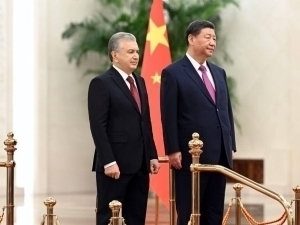
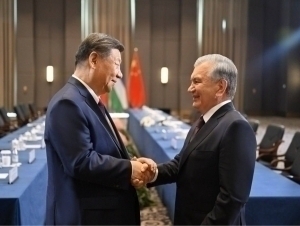
Бугун, 3 сентябрь куни Хитойда йирик ҳарбий парад бўлиб ўтди. Хитой халқининг япон босқинчиларига қарши уруши ва Иккинчи жаҳон урушидаги ғалабанинг 80 йиллигини нишонлаш мақсадида ўтказилган ушбу маросимда 26 нафар хорижий етакчи иштирок этди. Пекиндаги Тяньаньмэнь майдонида бўлиб ўтган парад иштирокчилари орасида Ўзбекистон Президенти Шавкат Мирзиёев ҳам бор.
Хитой анъанага кўра, ҳар 10 йилда бир марта парад ўтказади. Охирги парад 2019 йилнинг 1 октябрида бўлиб ўтганди. Бу йил эса Си Цзиньпин анъанадан чекиниб, фавқулодда парад ўтказди. Майдонда 45 минг аскар, 600 та зирҳли техника ва 100 та самолёт намойиш қилинди. Бироқ бу фақат ҳарбий техникалар намойиши ёки ғилдираклар шовқини эмас, балки, катта сиёсий воқеадир. Дунёдаги нотинч ҳарбий-сиёсий ҳолат фонида Хитой мазкур парад орқали ўз дахлсизлигини таъминлай олишини исботлашдан ташқари, энг илғор қурол етказиб берувчи бўла олишга ҳам даъвогарлик қилаётган бўлиши мумкинлигини инкор этиб бўлмайди.
Ушбу мақолада сиз Си Цзиньпин дунёга мақтанаётган ҳарбий қуролларга оид муҳим маълумотлар билан танишишингиз мумкин.
Хитойнинг янги қуроллари
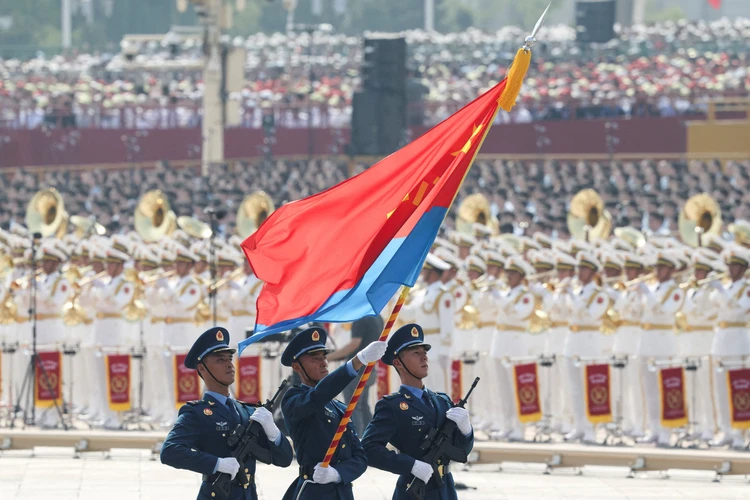
Навбатдан ташқари ўтказилган ҳарбий парад артиллерия зарблари остида, Хитой Давлат кенгаши бош вазири Ли Цян ишораси билан бошланди. Маросимда Хитой Халқ Озодлик Армиясининг барча қўшин турлари ва бўлинмалари таркибидаги 45 та ҳарбий ҳисоб бўлинмалари иштирок этди.
Ўзининг кириш нутқида Си Цзиньпин хитой халқи бутун дунёда тинчликка эришишга улкан ҳисса қўшганини таъкидлади. Шу билан бирга, у Хитой армияси доимо партия ва халқ учун ишончли таянч бўлиб келганини урғулади. Кириш қисми тугагач, ХХР раҳбари Тяньаньмэнь майдонида машинада ҳарбий техника ва қўшинларни кўздан кечирди. У саф тортган ҳарбий хизматчилар ва уларнинг ортида турган техника ёнидан ўтди.
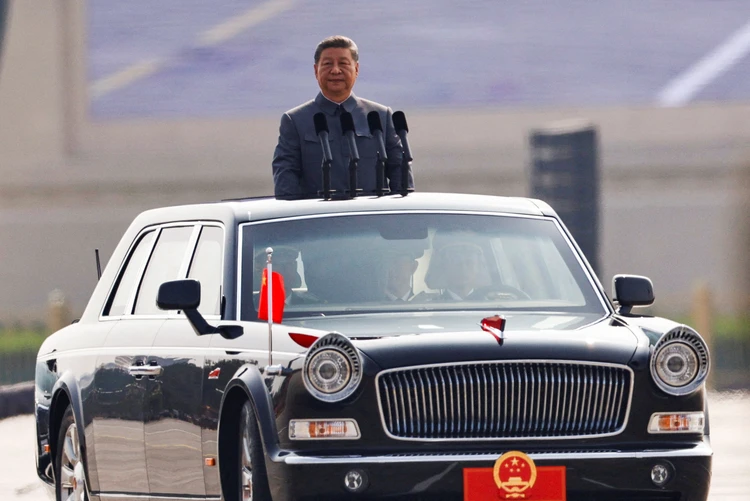
Маросим давомида парадда илк бор қатнашаётган Киберхавфсизликни таъминлаш ҳамда Виртуал маконда суверенитетни ҳимоя қилиш учун масъул киберқўшинлар ва ахборот ҳужумларига қарши туриш ҳамда жамоатчилик онгини манипуляция қилишга уринишни аниқлашга масъул ахборот қўллаб-қувватлаш бўлинмалари ҳам намойиш этилди.
Маросим давомида ХХР армияси вертолётлари осмонда рамзий 80 сонини ҳосил қилди. Мана шундай дабдаба билан ўтказилган парадда Хитойнинг мудофаа саноатидаги ютуқлари ҳам намойиш этилди. Тяньаньмэнь майдонида илк бор дунё илгари кўрмаган янги техникаларнинг 40%и намойиш қилинди.
1. DF-41 – қитъалараро баллистик ракета. Энг хавфли намойишлардан бири DF-41 ракетаси бўлди. У 14-15 минг км масофага зарба бера олади, тезлиги 25 мач (30 000 км/соат). Маълумот учун, мач – товуш тезлиги бирлигидир. Ракета 10 та алоҳида йўналтириладиган ядро каллакларини олиб юриши мумкин.
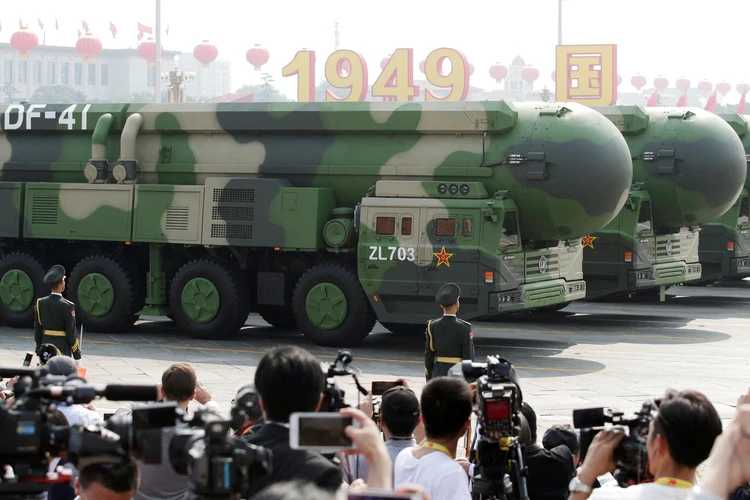
2. DF-100 – гипертовушли қанотли ракета. У 4 000 км масофага, 4 мач тезлик (4 900 км/соат)да учади. H-6Н бомбардимончисидан учирилса, масофа 6 000 км дан ҳам ошади.

3. AJX-002 – ядроли сувости аппарати. Параднинг энг катта сенсацияси – ядроли дрон-торпеда AJX-002 бўлди. Узунлиги 20 метр, диаметри 1,5 метр. Унинг қуввати 100 мегатонна деб баҳоланмоқда. Маълумот учун, бу Хиросимага ташланган бомбадан 5 000 марта кучлироқ. У 100 узел тезлик (200 км/соат)да 1 км чуқурликда ҳаракатланиб, душман қирғоғида портлаши мумкин. Оқибатда, 50 метр баландликдаги цунами 500 км масофани вайрон қилиши мумкин.

4. ZTZ-201 – “ақлли танк”. Янги асосий жанговар танк – Россияда ишлаб чиқилган, янги авлод оғир зирҳли платформа “Армата”га ўхшаш. Экипаж алоҳида капсулада жойлашган. Танкда душман дронларини кузатувчи 13 та оптик сенсор ҳам мавжуд. Вазни 40 тоннадан озроқ, двигатели 1 500 от кучига тенг. Максимал тезлиги 60 км/соат. Қурол – 105 мм, лекин ўқ-дорилари юқори зирҳ тешувчи ҳисобланади.
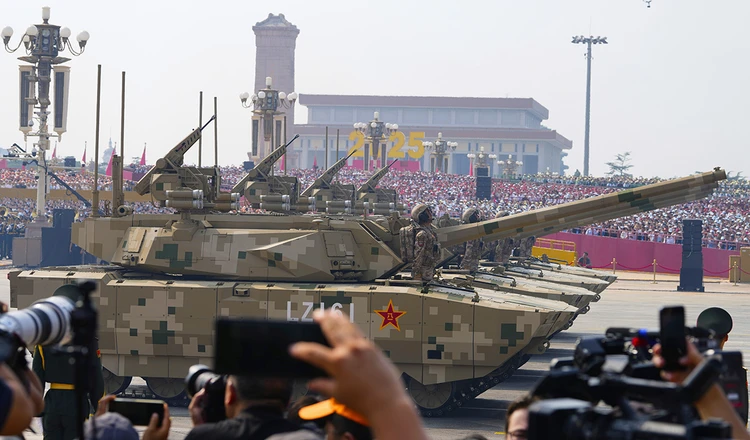
Хуллас, Пекиндаги парад Хитойнинг ҳарбий салоҳиятини дунёга кўрсатиб, АҚШ ва унинг иттифоқчиларига кучли сиёсий ва ҳарбий сигнал бўлди.
“Қанотли қилич” – учувчисиз учувчилар
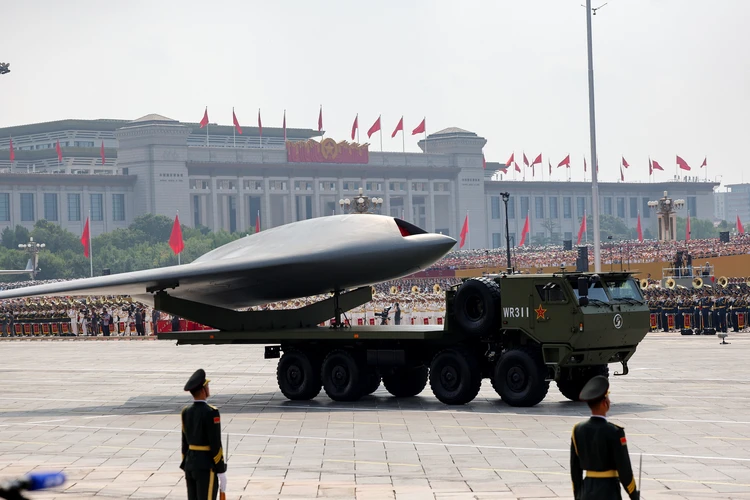
Хитойнинг энг ашаддий душманлари ҳам у илғор учувчисиз учиш аппаратлари ишлаб чиқишда сезиларли ютуқларга эришганини тан олишга мажбур. Ҳаттоки, уни бу борада “дунё етакчиси” деб ҳам аташмоқда. Пекиндаги ҳарбий парадда Хитой буни амалда исботлаб, илк бор замонавий ҳарбий дронларнинг бутун бир “сурувини” кўрсатди. Улардан энг машҳури – кўзга кўринмас учувчисиз GJ-11. Мутахассислар уни бу соҳадаги Хитой ишланмаларининг “марказий элементи” деб атайди.
GJ-11 жуда жиддий техник кўрсаткичларга эга: жанговар радиуси – 1 600 км, максимал парвоз масофаси – 4 000 км, 12 000 метргача баландликдаги ҳавода 6 соатгача бўла олади. У қирувчи самолёт ва стратегик бомбардимончининг энг омадли “аралашмаси” ҳисобланади.
Қаноти остида бутун бошли арсенал бор: 4 дона “ҳаво-ҳаво” синфига оид ракета, 4 дона 500 кг оғирликдаги лазер бошқарувли авиабомба ёки 12 дона 100 кг қанотли бомбалар. Энг муҳим афзаллиги – радар учун деярли сезилмаслиги. Яратувчиларга кўра, бугунги кунда дунёда GJ-11 ни ўз вақтида пайқай оладиган ҳаво мудофаа тизими мавжуд эмас.
Ҳимоя машинаси – FK-3 000
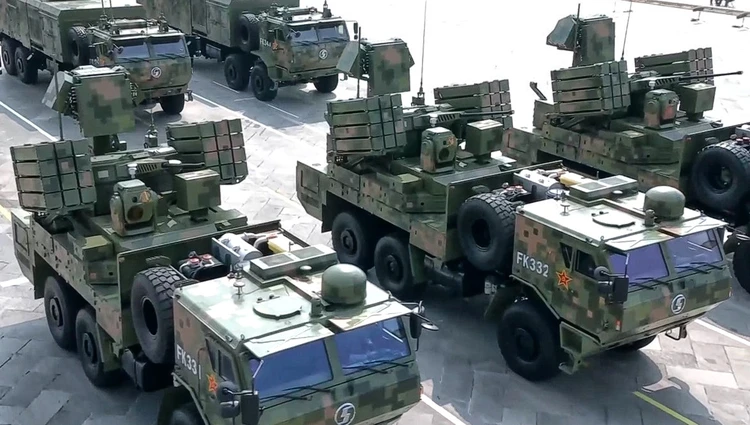
Парадда янги FK-3 000 зенит ракетали-артиллерия мажмуаси ҳам илк бор намойиш қилинди. У ташқи кўриниши жиҳатидан Россиянинг машҳур “Панцирь-С1/СМ” комплексига жуда ўхшайди. Аммо хитойча версия кўпроқ дронлардан ҳимояга йўналтирилган. Уч ўқли зирҳли автомобиль шассисига ўрнатилган бу тизимда 12 та яқин масофали ракета ва 30 мм.ли автомат тўп бор. Бир вақтнинг ўзида бир нечта нишонни уриши мумкин. Асосий вазифаси – фронт чизиғидаги бўлинмалар, муҳим объектлар ва инфратузилмани ҳимоя қилиш.
Дронларни ишдан чиқарувчилар

Парадда илк бор юқори қувватли микротўлқинли қуроллар HPM (High Power Microwave) намойиш этилди. Уларда эшитувчи улкан антенналар бўлиб, кучли микротўлқинли импулслар билан дронларнинг электроникасини ишдан чиқаради: дронлар осмондан пашшадек қулайди. Уларнинг самарали масофаси – бир неча юз метр. HPMлар дала позициялари, база ва бошқа муҳим объектларни душман дронлари ҳужумларидан ҳимоя қилиш учун мўлжалланган.
“Осмон қанотлари” – ташувчилар
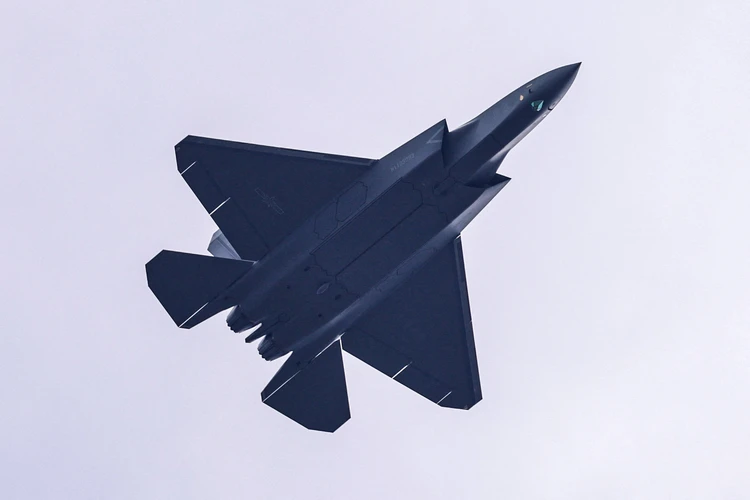
Ҳаво ҳарбий техникалари намойишида энг катта фахр – кўп функцияли J-35 қирувчиси бўлди. У бевосита АҚШнинг F-35 самолётига рақиб сифатида яратилган. Маълумотларга кўра, у узоқ масофали юқори аниқликдаги ракеталар билан қуролланган ва зарурат бўлса, ядро каллакларини ҳам таший олади. Техник жиҳатдан J-35 F-35дан кам эмас, айрим томонларда эса устунроқ.
Аммо парад осмонидаги энг ёрқин юлдуз – Chengdu J-36. Бу Хитойнинг 6-авлод самолёти сифатида тақдим этилмоқда. Унда осмонда ва ерда содир бўлаётган ҳамма нарсани учувчига кўрсатиб берувчи сунъий интеллект тизимлари мавжуд. У қирувчи ҳам, узоқ масофали бомбардимончи ҳам бўлиши мумкин.
Энг муҳим янгилик – J-36 учувчисиз режимда ҳам учишга тайёрланмоқда. Бу дунёдаги биринчи пилотли-бомбардимончи ўрнини босувчи, лекин инсон даражасида ҳатто ундан ҳам юқори “ақлга эга” бўлиши мумкин.
Космос учун қуроллар

Парадда Хитойнинг гипертовуш қуроллари ҳам намойиш қилинди: YJ-15; YJ-17; YJ-19; YJ-20 ракеталари ва учувчисиз учувчи Cuantianhou ҳамда MD-19 гипертовуш дронлари. ОАВ хабарларига кўра, улар АҚШ ва Европа ҳарбий объектлари, шунингдек, Ҳинд-Тинч океани ҳудудидаги базаларни нишонга олиш учун мўлжалланган. Баъзилари эса ҳаттоки, сунъий йўлдошларни уриб тушириш учун ишлаб чиқилган.
АҚШ бундан жуда хавотирда, чунки ўз гипертовуш технологиялари ҳали 8-10 мач тезликдан ошмаган бўлса, Хитой аллақачон 20 мач тезликни босиб ўтган. Масалан, DF-27 ракетаси 20 мач тезликда 5 000 км масофани учиб ўтиб, АҚШнинг барча мавжуд ракетага қарши мудофаа тизимларини четлаб ўтиши мумкинлиги айтилади.
Ҳарбий параддан мақсад АҚШга огоҳлантирувчи сигналми?
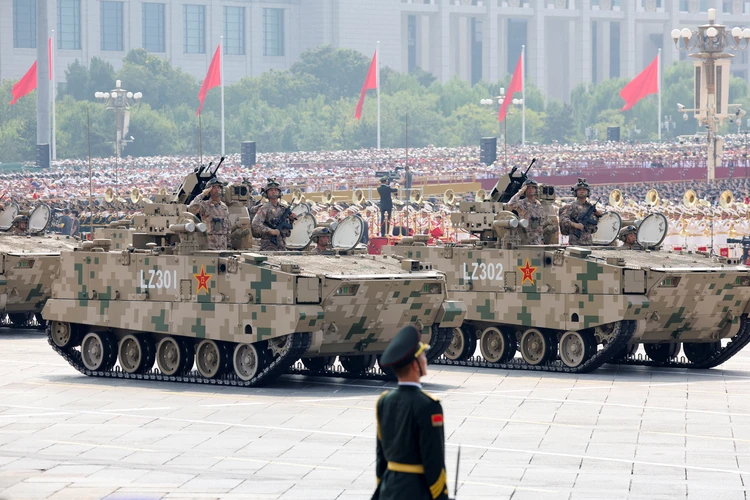
Пекинда намойиш этилган қурол-яроғларнинг мисли кўрилмаган хилма-хиллиги Хитой раҳбариятининг ўзининг улкан ҳарбий-техник салоҳиятини бутун дунёга кўрсатишидир. Албатта, бу таҳликали намойиш, энг аввало, Хитойнинг геосиёсий рақиблари – АҚШга қаратилган бўлиши мумкин. Американинг сиёсий раҳбарияти аллақачон Хитой билан глобал уруш ҳақида очиқчасига гапирмоқда, уни муқаррар деб ҳисобламоқда.
АҚШ учун Пекиндаги парад нафақат “асабга тегадиган”, балки қайсидир маънода хавотирли ҳам бўлди. Хориж ОАВ ёзишича, Хитой пойтахтининг марказидаги машқларни бутун бошли АҚШ разведка сунъий йўлдошлари кузатиб борган. Усти ёпиб қўйилган баъзи техник намуналар чет элликлар, айниқса, америкаликларни янада қизиқтирди. АҚШ ва унинг иттифоқчилари ўз норозилигини кўрсатиш учун элчиларини таътилга чиқарди. Бироқ, бу Пекинни қайғуга солмади. Чунки, 26 давлатнинг президент ва бош вазирлари, жумладан, Россия президенти Владимир Путин ҳам фахрий меҳмонлар трибунасида ўтирди. Путиннинг ўнгда, Ким Чен Иннинг эса чапда ўтиргани ҳам сиёсий рамзий маънога эга эди.
Яқиндагина ўлим билан боғлиқ шов-шувларга дуч келган Америка президенти Дональд Трамп Хитой парадига жим қараб тура олмади. 2 сентябрь куни кечқурун Truth Social’даги постида Трамп Иккинчи жаҳон урушида АҚШ ва Хитой Японияга қарши иттифоқчи бўлганини эслатди:
“Катта савол шуки, Хитой президенти Си Америка Қўшма Штатлари душман босқинидан озод бўлиши учун Хитойга берган улкан ёрдам ва “қон” ҳақида гапирадими, йўқми? Хитой Раиси Си Цзиньпин ва буюк Хитой халқининг байрами улуғвор ва унутилмас бўлсин! Илтимос, Қўшма Штатларга қарши фитна тайёрлаётганингизда Владимир Путин ва Ким Чен Инга менинг энг самимий саломимни етказинг”, деб ёзган у.

Трампнинг хавотирини ўринли дейиш мумкин, чунки Си Путин ва Ким каби дунёнинг энг қалтис ва Американи жини суймайдиган етакчилари бир қаторда ёнма-ён ўтирди. Япония эса нафақат иттифоқчиларини тадбирга бормасликка ундади, балки, “парадда японларга қарши маъно бор” деган баёнотни берди. Хитойнинг “Синьхуа” агентлиги эса шундай дея интрига уйғотди:
“Пекиндаги парад вақтида намойиш этиладиган қурол ва техникалар қўмондонлик, назорат, разведка, эрта огоҳлантириш, ҳаво ва ракетага қарши мудофаа, ўт очиш ва комплекс қўллаб-қувватлаш имкониятларини тўлиқ қамраб олади”.
Хулоса қилиш мумкинки, дунёдаги геосиёсий ва давлатлараро манфаатлар қарама-қаршилиги тобора сув юзасига чиқмоқда. Баъзи сиёсатчилар 75 миллиондан ортиқ инсон ўлимига сабаб бўлган Иккинчи жаҳон урушидан хулоса чиқариш ўрнига, уни ёд этиш баҳонасида урушдан қўрқмаслигини намойиш этишга уринмоқда.

Live
All