Панамага депортация қилинган ўзбеклар, келишувни тиклаган ҲАМАС, Путинсиз ўтган Мюнхен конференцияси. Ҳафта таҳлили
Review
−
15 February 2025 5378 13 minutes
ҲАМАС ва Исроил ўртасида 1 йилдан ортиқ кутилган келишув бекор қилинишига ва Ғазодаги вазият яна қайта издан чиқишига бир бахя қолди.
АҚШ эса осиёлик ноқонуний муҳожирларни Панамага депортация қилди. Улар ичида ўзбекистонликлар ҳам борлиги айтилмоқда. Эрон эса бу ҳолат юзасидан АҚШга аллақачон ўз эътирозини билдирди.
Германиянинг Мюнхен шаҳрида Россиянинг Украинага босқинини тўхтатиш бўйича амалий қадамлар ташланмоқда. Томонларнинг барчаси шу ерда жам бўлган. Россиядан ташқари, албатта.
Чорасиз ҲАМАС
ҲАМАС ва Исроил ўртасидаги сулҳдан кейин икки ўртада 5 раундли маҳбуслар алмашинуви бўлиб ўтди. Аммо ҲАМАС Исроил томони келишув мажбуриятларини бажармаганини айтиб, жорий ҳафта маҳбус ва асирлар алмашинуви номаълум муддатга тўхтатилганини эълон қилганди. Навбатдаги алмашинув 15 февралга белгиланганди. ҲАМАСнинг бу қарори АҚШ Президенти Дональд Трампнинг кескин ва таҳдидли реакциясига сабаб бўлди. Исроил Мудофаа вазири Кац ҳам ҲАМАСнинг қарорини ўт очишни тўхтатиш бўйича келишувнинг “тўлиқ бузилиши” деб атади ва Ғазо секторидаги ЦАХАЛ кучларини тўлиқ жанговар шай ҳолатга келтиргани маълум қилинди. Лекин ҲАМАС ҳаракати дастлаб Трампнинг таҳдидли талабини рад этди. Ҳаракат матбуот котиби Сами Абу Зуҳрий, январь ойида Исроил билан тузилган ўт очишни тўхтатиш келишувига амал қилиш гаровга олинганларнинг озод этилишини кафолатлашнинг ягона йўли эканини билдирди. У, шунингдек, таҳдидли риторикалар мавжуд вазиятда ўринсизлиги ва бундай ҳаракатлар ҳолатни янада мураккаблаштиришини қўшимча қилди. Бу орада Нетаньяху идораси ҳам ҲАМАСга Трампнинг таҳдидини такрорлади. “The Times of Israel” Исроил Бош вазири идорасига таяниб, навбатдаги алмашинув ўз вақтида бажарилмаса, яҳудий давлати Ғазо секторида жанговар ҳаракатларни қайта тиклаши ҳақида хабар берди. Шунингдек, Нетаньяхуга кўра, агар ҲАМАС гаровга олинган исроилликларни 15 февраль куни тушгача қайтармаса, ўт очишни тўхтатиш бекор қилиниши ва Исроил ҲАМАС тўлиқ тор-мор этилгунга қадар шиддатли жанговар ҳаракатларни қайта бошлашини маълум қилди. Унинг маслаҳатчиси Дмитрий Гендельман бу пайтда Исроил армияси ўз кучларини Ғазо секторининг ичкарисида ва унинг чегаралари бўйлаб тўплаётгани билдирилган.
Шундан сўнг, орадан кўп ўтмай ҲАМАС гаровга олинганларни белгиланган тартибда озод этишда давом этиши ҳақида хабар тарқади. Маълум қилинишича, Қоҳирадаги музокаралардан сўнг Фаластин гуруҳи тўсиқлар бартараф этилганини билдирган. Воситачи саналган Миср ва Қатар ҳисоботларида ҳам бўшлиқлар бартараф этилгани айтилади. Исроил ҳукумати эса бу хабарларга изоҳ бермаган. Қолаверса, Исроил ҲАМАС ҳаракати 15 февраль куни озод этилиши керак бўлган учта гаровга олинганлар рўйхатини тақдим этишини кутаётганини қўшимча қилган. Россиянинг “РосБизнесКонсалтинг” нашри эса ҲАМАС томонидан 15 февраль куни озод қилиниши керак бўлган асирлар орасида Россия фуқароси Александр Труфанов ҳам борлиги ҳақида хабар берди.
Шу тариқа мазкур видео тасвирга олинаётган реал вақтда ҲАМАС ва Исроил ўртасида амалга оширилиши белгиланган асир ва маҳбуслар алмашинуви давом этиш эҳтимоли юқорилигича қолмоқда. Кун охирига келиб тарафлар буни амалга ошириш эҳтимоли юқори. 16 январь куни келишилган ва 19 январда кучга кирган бу келишув бўйича шу пайтгача 5 раундли алмашинувлар бўлиб ўтди. 8 февраль куни гаровга олинганларни маҳбусларга алмаштиришнинг бешинчи босқичи якунланганди. Унда уч нафар исроиллик гаровга олинган шахс озод қилиниб, бунинг эвазига 183 нафар фаластинлик маҳбус қўйиб юборилганди. Умуман олганда, ҲАМАС шу чоққача 16 нафар исроилликни озод қилди. Айни дамда эса ҳаракат қўлида яна 17 нафар исроиллик асирлар сақланаётган бўлиши мумкин. Аммо Исроил бундай деб ўйламайди. Яҳудий давлатида айни дамда ҲАМАС қўл остида қолаётгани айтилган 17 кишидан саккиз нафари аллақачон ҳалок бўлган деган гумон бор. Яъни бундан кўриниб турибдики, Исроил ҳозирда фақатгина тўққиз кишининг озод қилинишини кутмоқда, холос.
Панамага депортация қилинган ўзбекистонликлар
“New York Times” хабарига кўра, Америка Қўшма Штатлари мамлакатда ноқонуний мақомда бўлиб турган ўзбекистонлик муҳожирларни Панамага депортация қилмоқда. Қайд этилишича, Америка ҳарбий рейси АҚШ иммиграция ҳибсхонасида бўлган осиёлик муҳожирларни Панамага депортация қилган ва улар орасида Ўзбекистон фуқаролари ҳам мавжуд. Маълум қилинишича, ушбу ноқонуний муҳожирлар орасида Ўзбекистон фуқароларидан ташқари, Афғонистон, Хитой, Ҳиндистон, Непал, Шри-Ланка, Покистон, Туркия, Вьетнам ва Эрондан келган 119 нафарни ташкил қилган катталар ва болали оилалар бўлган. Панама Ташқи ишлар вазирлиги Трамп маъмурияти билан келишувга биноан панамалик бўлмаганларни мамлакатга депортация қилишга рухсат берувчи биринчи рейсни қабул қилганини тасдиқлади. Вазирликнинг қўшимча қилишича, келишув бўйича депортация харажатлари АҚШ томонидан қопланади. Трамп маъмурияти депортация бўйича кўпроқ келишувларни илгари сурган, аммо яна қанча келишувлар бўлиши номаълум.
Мазкур ҳолат юзасидан Эрон ўз фуқароларига нисбатан қилинган камситувчи ҳолатга муносабат бериб улгурди. Эрон Ташқи ишлар вазирлиги матбуот котиби Исмоил Багай АҚШ ҳукуматининг муҳожирларга, жумладан Эрон фуқароларига нисбатан “ноўрин ва камситувчи” муносабатини қоралаб, буни асоссиз ва инсон ҳуқуқлари меъёрларининг бузилиши деб атади. Унинг таъкидлашича, Эрон Ташқи ишлар вазирлиги ўз ҳуқуқий мажбуриятларига мувофиқ, хориждаги Эрон фуқароларининг ҳуқуқларини ҳимоя қилиш учун барча зарур чораларни кўради.
Маълумот ўрнида, шуни ҳам таъкидлаб ўтиш жоизки, 2023 йил октябрь ойидан то 2024 йил майига қадар АҚШнинг жанубий чегарасида жами 57 200 нафар ноқонуний муҳожир қўлга олинган. Улар ичида 2900 дан ортиқ ўзбекистонлик бўлган. Одатда уларнинг АҚШга йўл олиши Туркия, Испания, Боливия, Колумбия ва энг сўнгида Мексика каби давлатлар кетма-кетлигидаги ўзгармас алгоритмдан иборат бўлган. АҚШдаги ноқонуний муҳожирлар масаласига тўхталар эканмиз, сўнгги йилларда ўзбекистонликлар бу кўрсаткичда анча юқори ўринларда турганини кўриш мумкин. Хусусан, 2023 йил октябрь ойида Ўзбекистон фуқаролари АҚШ жанубий чегарасига ноқонуний киришга уринганлар рўйхатида учинчи ўринни эгаллаганди. Бундан ташқари, ўтган йили март ойида сенатор Стив Дэйнс Марказий Осиё давлатларидан 40 минг нафар шахс АҚШда бошпана сўраш жараёнини кутаётганини маълум қилганди. Ўша 40 минг муҳожирнинг салкам ярми, аниқроғи 17 минг нафарини Ўзбекистон фуқаролари ташкил қилиши айтилган.
Тинчлик учун Мюнхенда ташланган дастлабки қадамлар
Россиянинг Украинага босқинини тўхтатиш учун дастлабки йирик қадамлардан бири ташланди. Бу 14-16 февраль кунларига белгиланган ва айни дамда давом этаётган Мюнхен Хавфсизлик конференциясидир. 1963 йилдан бери ҳар йили февраль ойида ўтказиладиган ва асосан хавфсизлик масалаларига бағишланадиган Мюнхен конференциясининг бу галги асосий муҳокама мавзуси Россиянинг Украинага босқинини тўхтатиш экани олдиндан маълум эди. Давлат раҳбарлари, қуйи мартабали сиёсатчилар ва дипломатлар, ҳарбий хизматчилар, бизнес ва нодавлат ташкилотлар, экспертлар оммавий йиғилишларда ва саҳна ортида глобал хавфсизлик масалаларини муҳокама қилиш учун йиғиладиган бу учрашув форматида Россия 2022 йилдан бери унинг ишида иштирок этмайди. Бу сафарги йиғинда ҳам Россия вакиллари иштирок этмаслиги айтилди, чунки улар мазкур конференцияга ҳеч қандай расмий таклиф олмаган. Бу Россия бошлаган босқинни тўхтатиш кўзланган, аммо усиз ўтаётган иккинчи йирик сиёсий тадбирдир. Ўтган йили ёзда Швейцариядаги тинчлик саммити ҳам худди шундай кўринишга эга эди. Ғарблик сиёсатчилар босқинни бошлаган давлатсиз шу босқинни тўхтатиш мақсадида яна қанча саммит ва конференциялар уюштириши номаълум. Бироқ, эсингизда бўлса, 13 февраль куни АҚШ Президенти Дональд Трамп Мюнхен конференцияси доирасида АҚШ, Украина ва Россия вакиллари ўртасида учрашув режалаштирилганини маълум қилганди. Аммо Мюнхен Хавфсизлик конференцияси раҳбари Кристоф Хойсген журналистларга Россия вакиллари конференция ташкилотчиларидан аккредитация олмаганини ўз оғзи билан маълум қилди, аммо у бундай учрашувни ўтказиш имкониятини инкор қила олмаслигини ҳам қўшимча қилган. Демак, конференция тугашига ҳали вақт бор экан, Мюнхенда кутилмаган учрашувлар бўлиш эҳтимолини рад қилиб бўлмайди. Унгача эса айни дақиқаларга қадар мазкур хавфсизлик конференциясида бўлиб ўтган бир қанча эътиборга лойиқ воқеликларга тўхталсак.
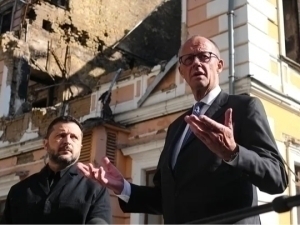
Конференциянинг асосий фигураларидан бири бўлган Зеленский ва у бошқарувидаги Украина Европа Иттифоқи ва НАТОнинг икки хил муносабатига дуч келди. Еврокомиссия Президенти Урсула фон дер Ляйен Мюнхен конференцияси доирасида Владимир Зеленский билан учрашиб, Украинанинг Иттифоққа қўшилиши бўйича ишларни тезлаштиришга ваъда берди. Аммо НАТО Бош котиби Марк Рютте Украинага альянсга қўшилиш борасида ҳеч қандай ваъда берилмаганини таъкидлади. У аъзолик эҳтимолий тинчлик келишувининг бир қисми бўлмаслигини айтиб, альянс бор эътиборини фақатгина музокаралар олдидан Украинанинг яхши позицияда бўлишини таъминлашга қаратганини қўшимча қилди.
“Биз Украина иштирок этадиган музокаралар олдидан яхши ҳолатда бўлишини таъминлашимиз керак. Бу тинчлик келишувининг бир қисми бўлади. Биз бу ерда барқарор ва мустаҳкам тинчликни кафолатлашнинг энг яхши йўлини муҳокама қилмоқдамиз. Бироқ Украинага НАТОга аъзолик келишувнинг бир қисми бўлиши ҳақида ҳеч қачон ваъда қилинмаган”, деди у Мюнхен Хавфсизлик конференциясида.
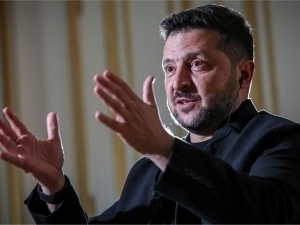
Украина Президенти Владимир Зеленский эса Мюнхен конференцияси доирасида журналистлар билан суҳбат чоғида агар Украина НАТОга қўшилмаса, уни бир ярим миллионлик армия ва НАТО қуроллари билан таъминлаш кераклигини айтди.
Шунингдек, Зеленский ҳар қандай вақтда музокараларга тайёр экани, Россия ҳарбий агрессиясини тўхтатишнинг турли йўллари, хусусан, тинчликпарвар қўшинлар контингентидан тортиб, хавфсизлик кафолатларигача бўлган масалаларни муҳокама қилишга тайёрлигини билдирди. Бундан ташқари, у Мюнхенда Россия вакиллари иштирокида бўлиши мумкин бўлган музокаралардан бехабар бўлган ва бундай эҳтимолий музокаралар содир бўлган тақдирда даставвал АҚШ ва Европа раҳбарлари, ундан сўнггина россиялик вакиллар билан ўтказилишини айтди. Аммо Зеленский Россия томонидан ҳозиргача босиб олинган ерлардан воз кечиш масаласи ҳеч қачон муҳокама қилинмаслиги, чегараларни ўзгартириш тўғрисида фақат ва фақат Украина халқи қарор қабул қилиши мумкинлигини ҳам қўшимча қилди. У шунингдек, Украина ҳудудида тинчликни таъминлаш учун хорижий қўшинларни жойлаштириш режаси аллақачон тайёр ва “ҳарбийлар бунинг устида ишламоқда”, бироқ қўшинларнинг эҳтимолий жойлаштирилиши харитаси ҳозирча эълон қилинмаслигини ҳам маълум қилди. Тинчлик музокаралари ҳақида гап кетар экан, Зеленский ўзининг икки асосий шартини ҳам қўшимча қилиб ўтди. Унга кўра, музокаралар Украина позицияси АҚШ Президенти ва Европа етакчилари билан умумий кўринишга эга бўлгандан сўнггина бўлиб ўтади ва бундай музокараларда Россия томонидан Путин қатнашиши зарур.
Украина бойликлари АҚШга ўтади
Украина Президенти конференциянинг дастлабки кунидаёқ АҚШ вакилларининг барчаси билан учрашди. АҚШ вице-президенти Жеймс Дэвид Вэнс, Давлат котиби Марко Рубио ва АҚШнинг Украина ва Россия бўйича махсус вакили Кит Келлогг Владимир Зеленский билан мулоқот қилди. Трамп томонидан Россиянинг Украинага босқинини 100 кун ичида тўхтатиш топшириғини олган Кит Келлогг ниҳоят томонлардан бири билан юзма-юз келди. У, шунингдек, Украина Президенти девони раҳбари Андрей Ермак билан ҳам учрашди. Ушбу учрашув Ермакнинг чақириқлари ва баъзи огоҳлантиришлари анча эътиборни тортди. У суҳбат чоғида Келлогга “Путин ҳеч қачон қоида бўйича ўйнамас”лигини айтган ва Келлогни Путинга алданиб қолишдан огоҳлантирган.
“Руслар ҳар доим Ғарбни масхара қилишган, лекин ҳар доим ундан нусха кўчиришган. Уларнинг ҳозирги “Шарққа бурилиш”лари чуқур маданий ўзгариш эмас, балки ўз мақсадларига эришиш учун тактик ҳаракатдир. Руслар фақат кучни ҳурмат қилади ва ундан фойдаланмайдиганларни менсимайди. Россия ваъда берганида эмас, мажбур бўлганда тўхтайди”, деган Ермак.
Ермак ва Келлогг олий даражадаги учрашувларга тайёргарлик кўриш ва унинг Украинага ташрифини муҳокама қилган. Мюнхен конференциясидан олдин тарқалган хабарлар бўйича Келлогг Германияга Трампнинг Украинадаги урушни тугатиш режаси билан келиши керак эди. Чунки февраль ойи бошида “Bloomberg” ўз манбаларига таяниб, шундай хабар тарқатганди. Бироқ Келлогг кейинчалик Кит Келлогг бу миш-мишларни рад этди.
Аммо конференцияда тинчлик режаси тақдим қилинмаган бўлса-да, ҳозирча бошқа лойиҳа муҳокама қилингани айтилмоқда. Хусусан, “Америка овози” хабарига кўра, Украина кеча, АҚШга минерал ресурсларни етказиб бериш бўйича икки томонлама келишув бўйича таклифларни тақдим этган. Мюнхенда АҚШ сенаторларидан иборат икки партиявий гуруҳ ва Владимир Зеленский ўртасида бўлиб ўтган учрашувда АҚШ ва Украина ўртасида фойдали қазилмаларни қазиб олиш бўйича келишув масаласи муҳокама қилинган. Зеленскийнинг таъкидлашича, АҚШга тақдим этилган таклифлар “Украина Конституциясига мувофиқ” тузилган. Қайд этилишича, Киев АҚШнинг хавфсизлик кафолатлари доирасида ўз табиий ресурсларини Америка сармояси учун очиш бўйича келишув тузишга тайёрлигини маълум қилган. Гап олдин ҳам бир неча бор ўртага ташланган ва шахсан Трамп томонидан талаб қилинган ўша ноёб ер минераллари: титан, уран ва литий конлари ҳақида кетяпти. 500 миллиард доллар эквивалентига тенг бўлган табиий бойликлар!
АҚШ ва Германия “муштлашуви”
АҚШ вице-президенти Жеймс Дэвид Вэнс Мюнхен хавфсизлик конференциясида Европа давлатларининг миграция, сўз эркинлиги ва хавфсизлик соҳасидаги сиёсатини танқид қилди. ЖД Венснинг бу гаплари айнан Германияга аталганди. Чунки хабарингиз бор, аввалроқ Бундестагдаги миллатчи партиялар АҚШдагига ўхшаш миграцион сиёсатни амалга ошириши кўзланган қонун лойиҳасини овоз беришга қўйган, аммо бунга бошқа партиялар коалицияси қаршилик қилганди.
“Европа учун мени энг кўп ташвишлантираётган таҳдид бу Россия ёки Хитой ёки бошқа ташқи актор эмас. Мен ичкаридан келаётган таҳдид, Европанинг АҚШ билан баҳам кўрган энг муҳим қадриятларидан чекинишидан хавотирдаман”, деди у.
АҚШ вице-президенти, шунингдек, “хавфсизлик девори қурмаслик” ва “келажакдан қўрқмаслик”га чақирди. Аввалроқ эса у Американинг “The Wall Street Journal” нашрига берган интервьюсида Мюнхенда немис сиёсатчиларини барча партиялар, жумладан, “Германия учун альтернатив” партияси билан ҳам ҳамкорлик қилишга чақиришни режалаштираётганини айтганди. Вэнс Германиядаги қайси партияни назарда тутмоқда деган савол туғилади. Маълумот ўрнида эса шуни таъкидлаб ўтиш жоизки, “Германия учун альтернатив” партияси Бундестагдаги ултра ўнг, яъни ўта миллатчи руҳдаги партия ҳисобланади. Вэнснинг бу чақириғи бугунги Трамп жамоасида Маскдан ташқари ўнглар етарлича топилишидан далолатдир.
АҚШ вице-президентининг сўзларига жавобан эса Германия ҳукуматининг расмий вакили Штеффен Хебештрайт Вэнсни “дўст давлатнинг ичидаги сиёсий баҳс-мунозараларни тўлиқ англаб етмасдан унинг ички ишларига аралашмаслик”га чақирди. Ўз навбатида, “Германия учун альтернатив” партиясидан Германия канцлери лавозимига номзод Алис Вайдель Х ижтимоий тармоғидаги аккаунтида Вэнснинг MSC’даги нутқини “аъло” деб атаган. Германия Мудофаа вазири Борис Писториус эса Мюнхен хавфсизлик конференциясида АҚШ вице-президентининг Европадаги сўз эркинлиги ҳақидаги сўзларини танқид қилди.
“Агар мен уни тўғри тушунган бўлсам, у Европанинг баъзи қисмларидаги шароитни авторитар режимлар шароитига қиёслаяпти. Бу қабул қилиб бўлмайдиган нарса ва бу мен яшаётган ва мен ҳозир бўлган Европа ва демократия эмас”, деди Писториус.
Федерал вазирнинг сўзларига кўра, Германия демократиясида “ҳар қандай фикр билдирилиши мумкин”, бу “Германия учун альтернатив” каби қисман экстремистик партияларга бошқа партиялар каби мутлақо нормал кампания ўтказиш имконини беради. Писториус, шунингдек, “Германия учун альтернатив”дан Германия канцлери лавозимига номзод Элис Вайдель 13 февраль куни бу лавозимга бошқа даъвогарлар қаторида немис телевидениесида бемалол нутқ сўзлаганини эслатди. Ўз навбатида, Германия Президенти Франк-Вальтер Штайнмаер АҚШ Президенти Дональд Трамп маъмуриятини қўполликда, белгиланган қоидалар, ҳамкорлик ва ишончни бузганликда айблади. Франк-Вальтер Штайнмаер Трамп маъмуриятининг дунёқараши “ягона доминант парадигма”га айланиб қолмаслигини таъминлаш халқаро ҳамжамият манфаатларига мос келишини қўшимча қилди.
“Қоидаларнинг йўқлиги дунёни қайта ташкил этиш тамойилига айланмаслиги керак. Бу бизнес модели эмас ва бу ҳалокат учун ўйин майдончаси эмас”, деди у.
Live
All