Энди ҳеч нарса аввалгидек бўлмайди. 2025 йил қандай ўтди?
Review
−
28 December 2025 11097 19 minutes
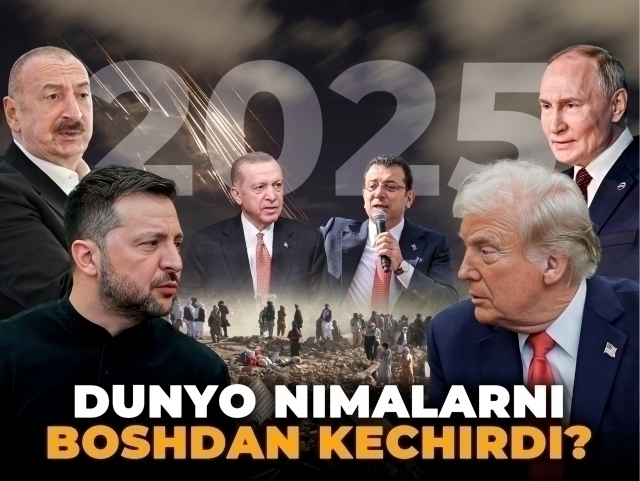
2025 йил – дунё можароларга бой бўлган яна бир йил билан хайрлашмоқда. Бу йил ҳам уруш нафаси Ер сайёрасини тарк этгани йўқ. Тугаётган йилда Украина, Ғазо каби жойларда одамлар қўрқинч ва ваҳима билан уйқуга кетди, баъзилар эса ушбу уйқудан уйғонмади ҳам. Зилзилалар, самолётларнинг қулаши, тўфон-у тошқинлар ортидан 100 минглаб одамлар яна Янги йил остонасига қадам қўя олмайди. QALAMPIR.UZ ушбу йўқотишлар фонида ўтаётган йилда дунёда содир бўлган энг муҳим ва энг долзарб воқеаларни сизга ҳавола этади. Бир йил ичида дунё қай даражада ўзгарди?
Зеленскийнинг омадсиз юриши
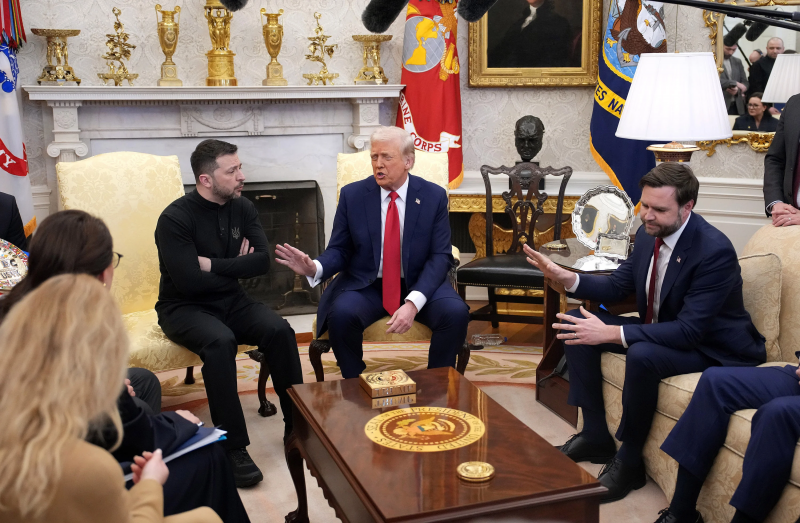
Йилнинг бошидан иккинчи муддатига сайланган Дональд Трамп Украинадаги урушни тез тугатиш учун босқинчи Россияга эмас, балки Киевга босим ўтказиш йўлини танлади. Шу фонда Оқ уйда бўлган жанжал йилнинг, балки асрнинг энг шов-шувли воқеаси эди, десак хато бўлмайди. Украина Президенти Владимир Зеленский 28 февраль куни АҚШ Президенти Дональд Трамп билан музокаралар ўтказиш учун Оқ уйга борди. Томонлар ўртасида муҳокама марказида бўлиши кутилган асосий масала фойдали қазилмалар бўйича келишув эди. Икки давлат раҳбарларининг журналистлар билан ўтказган суҳбати дастлаб яхши бошланди ва нормал суръатда давом этди. Бироқ энг сўнггида икки ўртада “ўт чиқди”. Зеленский Трамп ва вице-президент Жеймс Дэвид Вэнснинг ҳужумига учради.
Путин билан дипломатия зарур деган қарашга жавобан Зеленский у билан бир неча йиллар олдин Ангела Меркель ва Эммануэль Макрон воситачилигида сулҳ имзолагани, Франция ва Германия раҳбарлари ўшанда унга Путин бошқа қайтиб келмайди, дея ишонч билан айтгани, аммо у барибир келишувни бузганини эслатди ва Вэнсга Путин билан яна қандай дипломатия ҳақида гапириш мумкин дея юзлади. Вэнс эса бунга жавобан “Украинани йўқ қилишни тўхтатадиган” келишувни назарда тутаётганини айтди. Оқ уйдаги “отишма” шу тарзда бошланди.
Шундан сўнг, Вэнс Зеленскийга бир қанча тавсиялар бера бошлади. Аммо Президент унга Украинага ташриф буюрсагина у ерда қандай муаммолар борлигини кўра олиши мумкинлигини айтди.
Тортишув қизғин паллага чиқиб борар экан, Зеленский АҚШни каттагина океан ҳимоя қилиши ва бу Қўшма Штатларга Украинада бўлаётган жараённи ҳис қилдирмаслигини айтди ва шунга қарамай, “барибир кейинчалик, албатта, АҚШга ҳам бу уруш таъсир қилиши”ни қўшимча қилди. Трамп эса унинг шу сўзларидан кейин “биз нимани ҳис қилишимиз кераклигини айтишга ҳаққингиз йўқ. Биз Учинчи жаҳон уруши ёқасида турибмиз, лекин сиз АҚШ ва мени ҳурмат қилмайсиз”, дея Украина Президентига жавоб қайтарди.
Шундан сўнг, Трамп ва Зеленский бир-бирини тинглашни тўхтатди ва ўртадаги суҳбатда шовқин кўтарилди. Трамп Украина раҳбарида кучли “карталар” йўқлиги, у яхши позицияда эмаслиги ва Учинчи жаҳон уруши билан ўйнашаётганини айтди.
Зеленский Вэнсга баланд овозда гаплашмасликни маслаҳат берди. Аммо Трамп дарҳол Вэнс овозини кўтармаганини айтиб, Украина Президентининг гапини бўлди ва у “жуда кўп гапириб юборганини” айтди.
Икки ўртада жанжал давом этди. Трамп Байденни “аҳмоқ” деб атади ва у Украинага 350 миллиард доллар бергани, агар Америка ёрдами бўлмаганда бу уруш икки ҳафтада тугарди, дея Зеленскийни туртди. Зеленский эса бунга жавобан “3 кун, мен буни олдин Путиндан ҳам эшитганман” дея киноя қилди. Трамп эса ўз ўрнида “балки ундан ҳам кам вақтда” дея мавзуга нуқта қўйди.
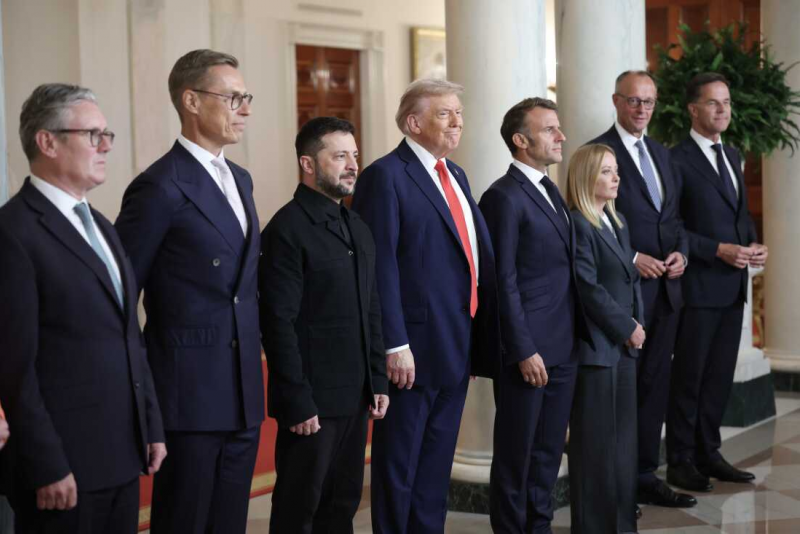
Шундан сўнг, Трамп Зеленскийни оташкесимни хоҳламаётганликда айблади. У буни Зеленскийни ёш болаларча ҳаракатлар орқали троллинг қилган ҳолда айтгани эса ижтимоий тармоқлар учун ажойиб кадрга айланди.
Шундай қилиб, бу жанжал охир-оқибат кўп масалаларни ортга сурди ва босқин тақдирини катта сўроқ остига қўйди. Зеленский Оқ уйни муддатидан олдин тарк этди. Умуман олганда, у Оқ уйдан “дарбадарларча ҳайдалди”. Фойдали қазилмалар бўйича имзоланиши кутилган битим барбод бўлди. Президентлар иштирокидаги матбуот анжумани бекор қилинди. Журналистлар ўз лаш-лушларини йиғиштириб, анжуман ўтказилиши керак бўлган зални тарк этди.
Бу воқеалар ортидан эса Украинадаги уруш янада қизғин тус олди, қонлар тўкилди. Трамп ҳокимиятга қайтганидан сўнг, 24 соат ичида тугатилиши керак бўлган уруш мана, қарийб 340 кундан бери давом этиб келмоқда. Трамп ва Зеленский йил давомида яна бир неча маротаба учрашди. ОАВ ҳар бир учрашув қизғин кузатди ва ёритди, худди шу билан уруш тугайдигандек. Жорий йилда Трамп урушни тугатиш учун Путин билан ҳам учрашди. Бироқ буларнинг бирортаси ҳалигача айтарли натижа бермади. Уруш ҳамон давом этмоқда. Зеленский бугун, 28 декабрда яна Оқ уйга боради. Лекин юқоридаги ҳолатлардан сўнг бу учрашувдан ҳам кўп нарса кутилмаяпти.
Россия ва Озарбайжон ўртасидан ола мушук ўтди
2025 йилда Озарбайжон ўзининг мустақил, Россияга қарам бўлмаган ва кези келса, Путиннинг давлати билан ёқалаша оладиган Республика эканини дунёга кўрсатиб қўйди. Ҳеч кимга бўйин эггиси келмайдиган Путин ҳам Бакудан узр сўрашга мажбур бўлди.
Ҳаммаси 2024 йилнинг охиридан бошланди. 25 декабрь куни Баку–Грозний йўналишида учаётган Embraer-190 самолёти Қозоғистоннинг Ақтау шаҳри яқинида ҳалокатга учради. Бортда 5 нафар экипаж аъзоси ва 62 йўловчи бўлган, улардан 38 киши ҳалок бўлган. Қозоғистон Транспорт вазирлигининг дастлабки ҳисоботида самолёт иккита зарбадан кейин баландликни йўқота бошлагани қайд этилган. Алиев эса бу воқеада ташқи таъсир бўлганини билдириб, бу “россияликларнинг иши” эканини ва Путин бу учун узр сўраши кераклигини айтди. Ушбу фалокат ортидан йилнинг биринчи ярми давомида Алиев Путиндан гина сақлаб юрди. Аммо кейинги воқеалар Баку учун энди ортиқча эди. Алиев ёрилди ва халқаро нашрларда Россияни қаттиқ тергай бошлади. Жорий йилнинг июнь ойи охирида Россиянинг 24 йил олдинги воқеаларни ковлаши, икки мамлакат ўртасини боғлаб турган сўнгги ипни ҳам узиб юборди. Ўша текшир-текширлар доирасида икки озрабайжонлик “юрак хуружи”дан вафот этганди. Озарбайжон эса жасадларда зўравонлик излари борлигини билдирган ва “қасддан одам ўлдириш”, “қийнаш” ва “мансаб ваколатини суиистеъмол қилиш” моддалари билан жиноят иши қўзғатган.
Шунча воқеалардан кейин анчагина довюрак бўлиб улгурган Озарбайжон Баку шаҳрида “Спутник Озарбайжон” ахборот агентлиги ходимларини ҳам ҳибсга олди. Шунингдек, яна бир гуруҳ Россия фуқаролари гиёҳванд моддалар савдоси ва кибержиноятларга алоқадорликда гумонланиб ҳибсга олинди.
“Al Arabiya”га берган интервьюсида эса, Алиев бу воқеаларни яна бир эсга олди. У мамлакати Россия билан муносабатларнинг ёмонлашуви учун масъул эмаслиги ва ҳеч қачон тажовуз ёки ҳурматсизлик белгиларига чидамаслигини таъкидлади. Интервью давомида Алиев бугун билан чекланмади ва ҳатто 1920 йилда рус армияси Озарбайжонга бостириб кириб, мамлакатни босиб олганини ҳам таъкидлади. Озарбайжон етакчиси энди Россияни четлаб ўтиб, Украианага ён боса бошлади. У интервьюлари давомида Украина билан азалий дўст экани, уруш бошидан бери Киевни қўллаб-қувватлашини билдирди, Украианага Россиянинг кўз ўнгида ёрдам ҳам жўнатди. Ҳа, Россия мана шу тарзда яна бир иттифоқчисини қўлдан бой бераётган эди, аммо Путин ҳаммасини яна изига солди. 9 октябрь куни бир йиллик танаффусдан кейин Владимир Путин Илҳом Алиев билан Тожикистонда учрашди. Путин учрашувни самолёт фожиасига оид вазиятни муҳокама қилишдан бошлашни таклиф этди. У Россия товон тўлаш масаласида зарур ишларни амалга оширишга тайёр эканини билдирди. Шундан сўнг, орадаги низолар тугагандек туюлди.

Бироқ Илҳом Алиев 22 декабрь куни Россиянинг Санкт-Петербургида бўлиб ўтган МДҲ норасмий саммитида қатнашмади. Алиевнинг саммитга келмаслиги тиғиз кун тартиби билан боғлиқ экани айтилди. Бироқ “Minval” нашрига кўра, ушбу ҳолат илк қарашда иш жадвали билан боғлиқ протокол қарорига ўхшаб кўринса-да, аслида бу масала постсовет ҳудудида давлатлараро муносабатлар, ишонч ва масъулиятнинг фундаментал тамойилларига тааллуқли анча чуқур жараённи акс эттиради.
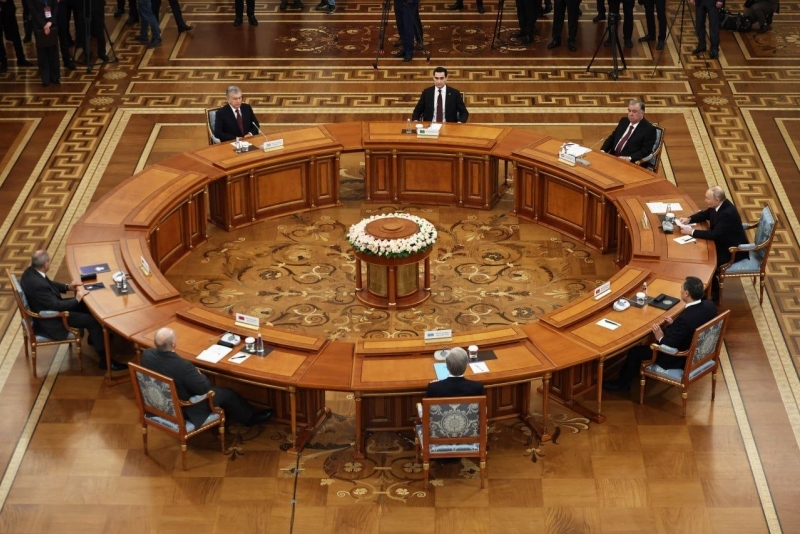
“Сиёсат дипломатик маросимлардан фарқли ўлароқ, якунига етказилмаган инқирозларни камдан-кам ҳолларда кечиради. AZAL’га тегишли фуқаролик самолётининг ҳалокати шунчаки фожиа эмас, балки институционал синов бўлди – давлатларнинг тан олинган меъёрлар доирасида ҳаракат қилиш қобилиятини текширувчи ҳолат: айбни тан олиш, узр сўраш, компенсация тўлаш ва айбдорларни жавобгарликка тортиш. Айнан шундай ҳаракатлар алгоритмини Россия Президенти Владимир Путин Душанбеда омма олдида эълон қилган эди. Бироқ вақт ўтиши билан бу баёнот амалиётдан узилиб қолганини кўрсатди”, дейилади мақолада.
Нашрнинг ёзишича, фожиага Россия ҳаво мудофааси тизимининг алоқадорлиги тан олинганига қарийб икки ярим ой бўлди. Аммо замонавий халқаро тизимда масъулиятнинг минимал стандарти ҳисобланган мажбурий чораларидан бирортаси ҳам амалга оширилмаган. Тергов жараёни чўзилмоқда, компенсация тўланмаган, айбдорлар топилмаган ва жазоланмаган. Шу нуқтаи назардан Алиевнинг саммитда иштирок этмаслиги ҳиссий дипломатия ёки намойишкорона босим эмас. Бу мантиқий сигнал: икки томонлама муносабатлардаги асосий инқироз ҳал этилмаган шароитда кўп томонлама форматларда иштирок этиш мумкин эмас. Сиёсий институтлар ёпилмаган фожиалар устида фаолият юрита олмайди.
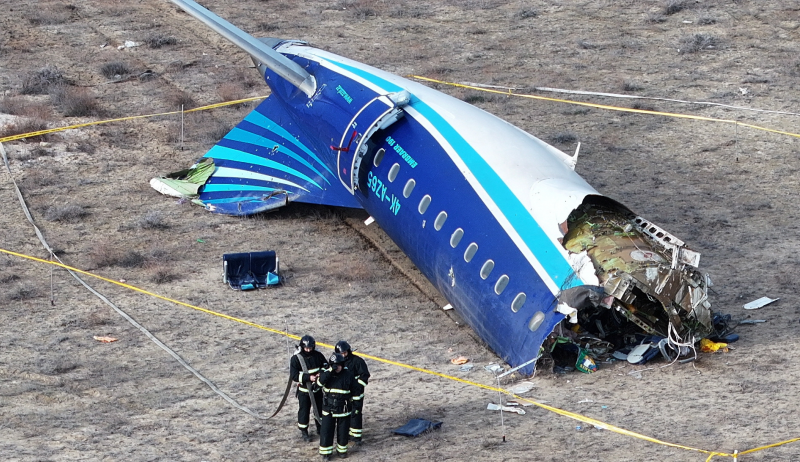
Бу орада Қозоғистон Транспорт вазирлиги Ақтау шаҳри яқинида бир йил аввал қулаган Azerbaijan Airlines (AZAL) самолёти бўйича навбатдаги ҳисоботни эълон қилди. Унда ҳаво кемасидаги шикастланишларнинг эҳтимолий сабаби кўрсатиб ўтилди. Вазирлик маълумотига кўра, авиация ҳодисасини тергов қилиш доирасида аниқланган бегона металл буюмлар юзасидан трасологик, баллистик, портлаш-техник ва ёнғин бўйича экспертизалар ўтказилган, яъни гап ташқи объектлар ҳақида бормоқда.
Россия Тергов қўмитаси эса самолёт ҳалокати бўйича олиб борилган терговни тўхтатди. Озарбайжон Ташқи ишлар вазири Жайҳун Байрамовнинг айтишича, мазкур қарор Баку томонида “жуда жиддий саволлар” уйғотмоқда.
Эрдўған қулаши мумкин эди
2025 йил Туркия сиёсати тарихида чўққи нуқталардан бирига айланди. Истанбул шаҳри мэри Экрем Имомўғли ҳибсга олиниши билан мамлакатнинг сиёсий осмонида қоронғу булутлар йиғила бошлади. 19 март куни унинг қўллари боғланганди: унга порахўрлик ва молиявий жиноятлар айблари қўйилди. Экремнинг ҳибсга олиниши шаҳарларни оловга тўлдириб юборди, ёшлар масжидларни бузиб, Эрдўған истеъфосини талаб қила бошлади. 19–23 март кунлари Истанбул, Анқара ва бошқа йирик шаҳарларда минглаб одамлар “Адолат, эркинлик, демократия!” шиорлари билан кўчаларни тўлдириб, Имомўғлига елкадош бўлмоқчи бўлди. Намойишлар бутун мамлакат бўйлаб тарқалиб кетди. 23 март куни суд расмий равишда Экрем Имомўғлини қамоққа олди, Истанбул шаҳар кенгаши эса вақтинчалик мэр сифатида Нури Асланни тайинлади.
24–27 март кунлари ҳукумат кўчаларда оловга сув сепди: митинглар тақиқланди, кўплаб намойишчилар ва журналистлар ҳибсга олинди. Аммо 6 апрель куни минглаб юраклар бир темпда уриб, Имомўғлини қўллаб-қувватлаш намойишларига чиқди, бу норозилик тўлқини мамлакат бўйлаб шамол каби тарқалди. Бироқ бу ҳам узоққа чўзилмади ва вақт ўтиб намойишчилар тинчиди.
27 октябрь ва 11 ноябрь кунлари эса суд Имомўғлига янги айбловлар ва юзлаб жиноят моддаларини қўйди. Ноябрь ойида Истанбул Бош прокуратураси шаҳарнинг собиқ мэрига қарши айблов хулосасини эълон қилди ва сиёсатчига коррупция айбловлари бўйича 2352 йилгача озодликдан маҳрум этиш жазоси сўради.
Имомўғли 2027 йилда ўтказилиши режалаштирилган президентлик сайловларида амалдаги давлат раҳбари Ражаб Тойиб Эрдўғаннинг асосий рақиби сифатида кўрилган эди. Human Rights Watch ташкилоти унинг ишини “сиёсий сабабларга кўра очилган тергов” деб атаган.
Қамалишидан бироз аввал, Истанбул университети Бош прокуратура сўрови асосида Имомўғли дипломини бекор қилган, бу эса уни қонун бўйича президентлик сайловида қатнашиш ҳуқуқидан маҳрум этган – чунки Туркия қонунларига кўра, президентликка фақат олий маълумотли шахслар номзодини қўя олади. Шундай қилиб, 2025 йилда Туркия кўчаларини янги тўлқин қоплади. Афсуски, Экремни қўллаб, намойишга шошилган ёшлар тарихий қадамжоларни бузди, қабрларни топтаб ташлади. Йил охирига яқинлашар экан, Туркия бу воқеаларни қисман унутгандек бўлди, чунки энди кўчалар тинч, ҳеч ким Эрдўғаннинг тахтига очиқчасига кўз тикмаяпти.
Исроил-Эрон уруши
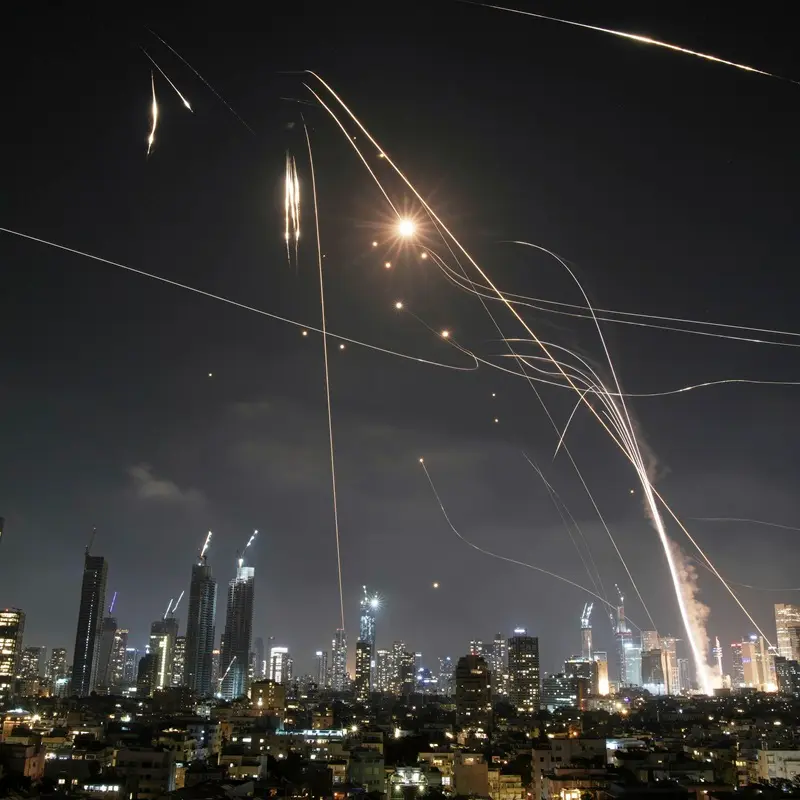
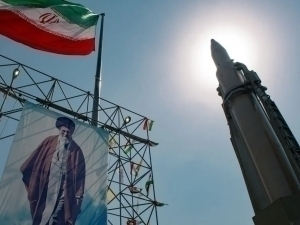
Бу йил Яқин Шарқдаги яна бир тарихий воқеа шубҳасиз Эрон ва Исроил ўртасидаги тортишувлар, бир-бирига ҳаводан тинимсиз “салом йўллашлари” бўлди. Ҳаво мудофалари бузилди, ҳамма ишонган “темир гумбаз” ҳам зарбаларга дош беролмади. Минтақадаги вазият ёз ўрталарида кескинлашди. 13 июнь куни Исроил Мудофаа кучлари Эроннинг ядровий ва ҳарбий объектларига қарши кенг миқёсли ҳаво ҳужумини бошлади. Бу ҳужумларда асосан Эрон ядровий иншоотлари, ҳарбий бошқарув марказлари ва рамзий объектлар нишонга олинди. Исроил расмийлари бу операцияни Эроннинг ядровий салоҳиятини йўқотиш ва мамлакат хавфсизлигини мустаҳкамлаш мақсадида бошлаганини айтди.
Бу тўғридан тўғри тўқнашув бир неча кун давом этди. Исроил томони 200 дан ортиқ нишонларга ҳужум қилди, жумладан Натанз ядровий маркази ва бошқа муҳим объектлар ҳам нишонга айланиб кетди. Кўплаб юқори мартабали Эрон ҳарбий раҳбарлари, шу жумладан Эрон инқилобий гвардияси раҳбарлари, Эрон Қуролли кучлари бошқарувчилари ва ядровий мутахассислар ҳалок бўлган деб хабар қилинди.

Албатта, Эрон томони ҳам осмондан тушаётган ракеталарни икки қўлини оғзига тиқиб кузатиб ўтирмади, жавоб чораларини кўрди, бир кечада Исроил ҳудудларида “катта мушакбозлик уюштирди”. Эрон биринчи ҳужумга жавобан 150 дан ортиқ балистик ракета ва 100 дан ортиқ дронлар орқали Исроил ҳудудига қарши ҳужумларини йўллади. Ракета зарбалари Тель-Авив, Ҳайфа, Петаҳ-Тиква ва бошқа шаҳарларни нишонга олди.
Икки мамлакат бир-бирининг осмонига тинимсиз ракеталар ёғдирди. Шу орада Эрондан Исроил томон учаётган ракеталарнинг илк тўлқинини кўрган Ғазо аҳлининг шодлиги ҳам медиа оламида алоҳида эътиборга тушган мавзу бўлди. Шаҳар аҳолиси ракеталарнинг Исроилга бориб тушишини байрам сифатида қабул қилиб, кўчаларда бу воқеани алоҳида нишонлади. Ўртада эса Исроил ёлғиз қолгандек бўлди, аммо бу кўпга чўзилмади.
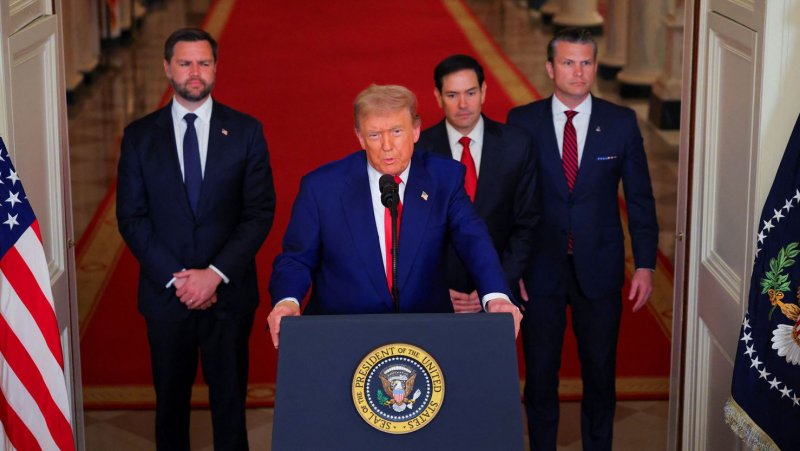
АҚШ ҳали ҳам Исроил тарафида эканини кўрсатиб, урушга ўз ҳиссасини қўшиб қўйди. 22 июнь куни Трамп Америка халқига мурожаат қилиб, мамлакат Эроннинг учта ядровий объектига – Фордо, Натанз ва Исфаҳонга зарба берганини эълон қилди. Исроил Бош вазири Биньямин Нетаньяху эса халққа қилган мурожаатида Трампга бу ҳужумлар учун миннатдорлик билдирди. Эрон Ташқи ишлар вазирлиги АҚШнинг зарбалари узоқ муддатли оқибатларга олиб келишини айтди. Шунингдек, Эрон ҳукумати зарбаларга қарамай, ядровий энергияни ривожлантиришдан воз кечмаслигини маълум қилди. БМТ Бош котиби Антониу Гутерриш эса АҚШ томонидан Эроннинг ядровий объектларига уюштирилган ҳужумни “халқаро тинчлик ва хавфсизликка бевосита таҳдид” деб атади.
Шундан сўнг, аллақачон ғазаб отига миниб улгурган Эрон АҚШнинг Қатар ва Ироқдаги базаларига қарши ҳарбий амалиёт бошлади. Бу Ўзбекистон вақти билан 23 июнь кунига тўғри келди. ОАВнинг ёзишича, АҚШ базаларига қарши амалиётга “Ғалаба хабари” номи берилган. Қатар Мудофаа вазирлигининг маълум қилишича, Эрон зарбалари оқибатида инсоний талафотлар қайд этилмаган.
“Ynet” нашрининг ёзишича, Эрон Қатардаги АҚШ базаларига 10 та ракета, Ироқдаги АҚШ базасига эса 1 та ракета йўллаган. Эрон Қуролли кучлари Қатарда жойлашган АҚШнинг Ал-Удейд ҳарбий базасига зарба берганини ҳам тасдиқлаган. Шу тариқа Эрон ўз аламини Қатардан олди.
Расмий ва мустақил манбаларга кўра, 12 кун давом этган уруш давомида Эрон тарафида таҳминан 1 190 киши ҳалок бўлди, 4 000 дан ортиқ киши жароҳатланди.
Исроил тарафида эса бу сонлар албатта кичик. Расмий маълумотларга кўра, уруш кунлари 28 аҳоли ҳалок бўлган, жумладан 27 оддий фуқаро ва 1 аскар, шу билан бирга, 100 га яқин одам уруш давомида яраланди, ногирон бўлди.
Йил ўғрилиги
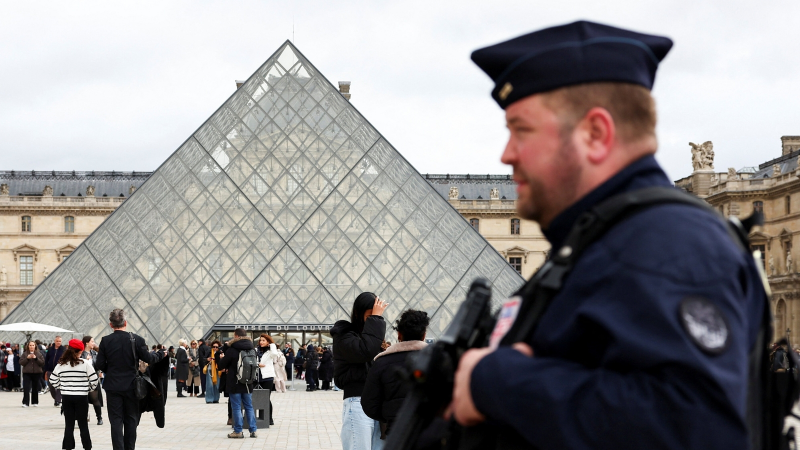
2025 йилда Париждаги Лувр музейида содир бўлган ўғрилик – бу йилнинг энг катта маданий мерос ва хавфсизлик бўйича шок воқеаларидан бири бўлиб, оддий ўғриликдан кўра кенг жамоатчилик эътиборини тортди. 2025 йил 19 октябрь куни эрталаб соат 09:30 да дунёдаги энг машҳур музейлардан бири – Лувр музейида ўғрилик содир бўлди. Тўрт нафар ниқобли шахс ҳеч кимни жароҳатланмай туриб, Денкон қанотидаги (Аполло галереяси) томошага қўйилган қироллик заргарлик буюмларини ўғирлаб кетди. Бу худди кинолардагидек содда, оддий ва ҳеч ким кутмаган паллада содир бўлди. Кучли Франция эса бунга қарши ҳеч нарса қила олмади. Расмийларда баёнот беришдан бошқа ҳеч нарса йўқ.
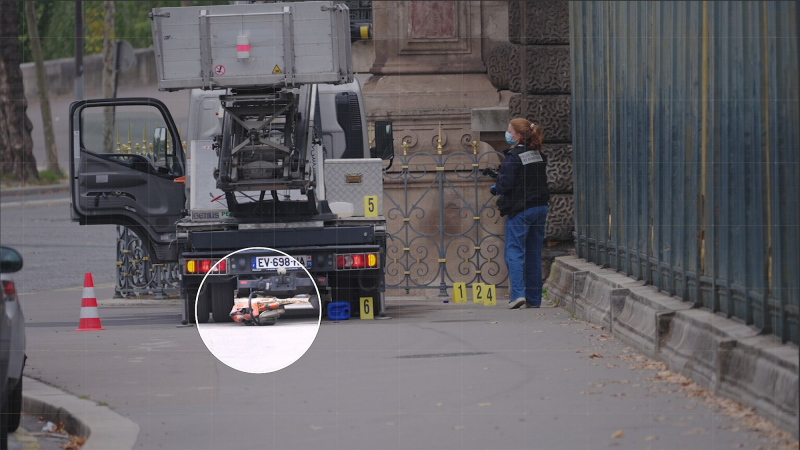
Ўғрилар ўзларини қурилиш ишчилари кўринишида кўрсатди – сариқ жилет кийганлар кранли юк машинаси ёрдамида фасаддаги биринчи қават деразасига кўтарилди ва полиция билмай туриб, деразани синдириб ичкарига кирди.
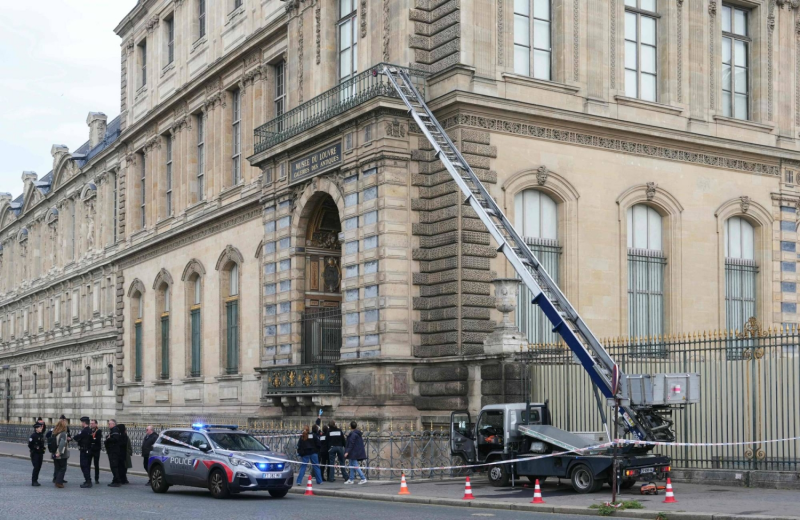
Заргарлик витринлари жуда қисқа вақт, атиги тўрт дақиқа ичида электр асбоблар, дискли кесувчи ва бошқа воситалар ёрдамида синдирилди. Одамларни жароҳатламай, буюмлар олиб чиқилди ва уларнинг барчаси мотороллерлар орқали қочиб кетди. Ҳодиса ҳаттоки камераларга ҳам муҳрланган, лекин шундай катта давлатнинг маданий меросини топишнинг имкони бўлмаяпти.
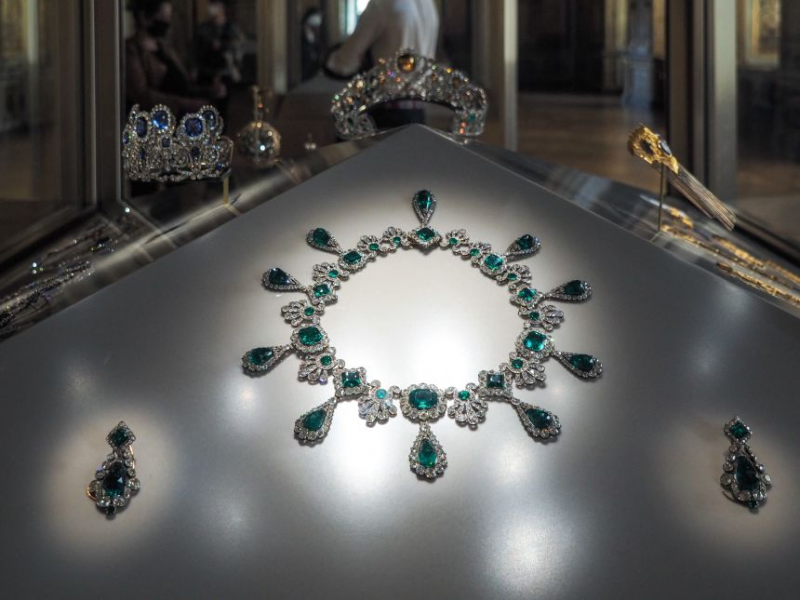
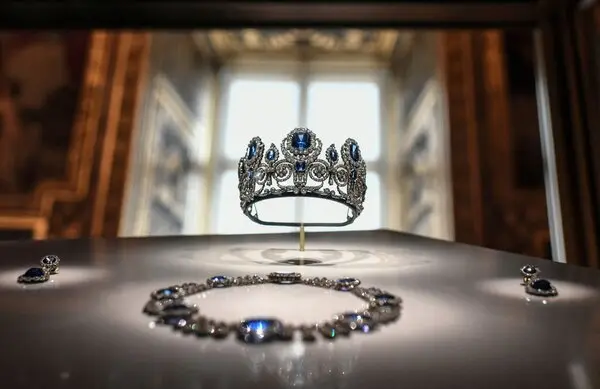
Асосий ўғирланган предметлар XIX асрга оид заргарлик буюмлари эди, шу жумладан қиролликка тегишли тиара (маржонли бош безак), маржонлар, сирғалар, бронза брош ва бошқа жуда қимматбаҳо буюмлар. Шоввозлар Луврга кириб, императорлик коллекциясига мансуб тўққизта экспонатни, жумладан, Наполеон ва унинг рафиқаси Жозефинага тегишли заргарлик буюмларини ўғирлаган эди. Уларнинг умумий қиймати расмий тергов бўйича тахминан 88 миллион евро деб баҳоланган. Ўғрилик дарҳол тасдиқланиши билан музейдаги сайёҳлар хавфсизлик учун эвакуация қилинди, дарвоза ёпилди ва музей кун бўйи ёпиқ қолди. Интерпол (Халқаро полиция ташкилоти) бу ўғирланган буюмларни Stolen works of art (ўғирланган санъат асарлари) базасига киритди.
Бир ҳафта ўтиб, Луврдан заргарлик буюмларини ўғирлашда гумон қилинаётган тўрт кишидан икки нафари қўлга олинган. Улардан бири Париждаги Руасси – Шарль-де-Голл аэропортида, Жазоирга учадиган самолётга чиқиш пайтида ҳибсга олинган. Иккинчиси эса Сена-Сен-Дени департаментида қўлга олинган. Бу воқеа Луврда хавфсизлик чоралари етарли эмаслиги борасида танқидларни кучайтирди. Лувр президенти Лоранс Де Кар ўз нутқларида бу “жиддий хавфсизлик нуқсони” бўлганини тан олди ва ўзининг истеъфосини таклиф қилди, аммо вазирлар уни тўхтатди. Франция Президенти Эммануэль Макрон Луврнинг талон-торож қилинишини “меросга ҳужум” деб атаган. Экспертлар бу ҳодисани “сўнгги йилларда Европадаги энг катта санъат ўғрилиги”, “Санъатдаги аср ўғрилиги” дея баҳолаган.
Ўғриликдан кейин музей ходимлари норозилик билдириб, иш ташлашга ҳам чиқди, чунки улар шароитлар ва хавфсизликни етарли деб топмасликларини айтди. Бу бир неча кун давомида музей ишини қисман ёки тўлиқ тўхтатиб қўйди ва кенг жамоатчиликни хавотирга солди. Шу билан Европа юракларидан бири саналадиган Париж шаҳридаги бу шармандали воқеанинг саҳифалари очиқлигича қолди. Биз келаётган йилда балки бу саҳифаларнинг ёпилишини кўрармиз.
“Ер ютган” одамлар
2025 йилда можаролар билан бир қаторда ҳеч ким кутмаган табиат ҳодисалари ҳам кўпларнинг ўлимига сабаб бўлди. Камчатка, Афғонистон, Мьянма, Хитой, Бангладеш ва Туркия каби мамлакатларда 8 мингга яқин одамнинг эрта ёстиғи қуриди. Баъзиларнинг жасадлари ҳали ҳанузгача вайроналар орасида қолмоқда. Келинг, яна бир ортга қайтиб, ушбу воқеаларнинг энг даҳшатлиларини кўриб чиқамиз.
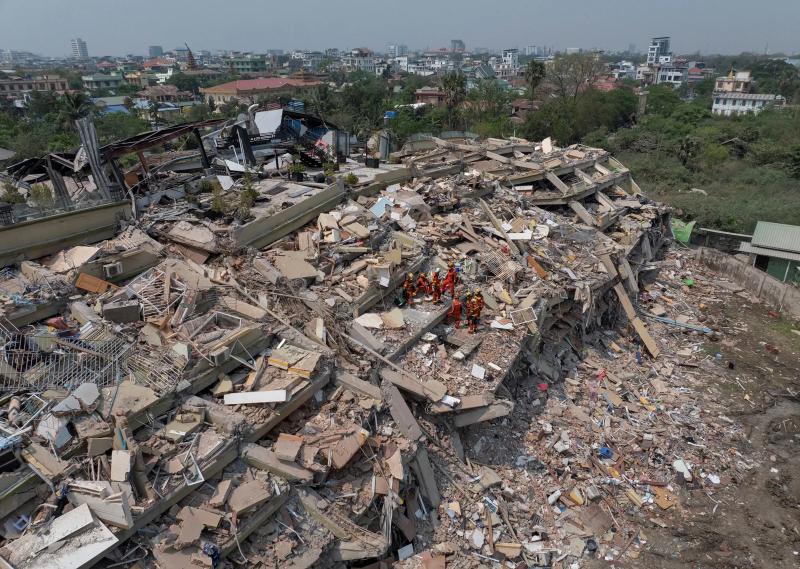
28 март куни Мьянма марказида содир бўлган зилзила бир кечада Ер юзига 3 мингдан ортиқ ўликни “совға қилди”. Кундузи соат 12:50 да ер 7.7 магнитудада қимирлади. Унинг кучи Сагаинг ва Мандалай шаҳарларининг атрофида жойлашган марказий зонада ҳам сезилди. Бу зарбадан атиги 12 дақиқа ўтиб, 6.4 магнитудали кучли афтершок ҳам юз берди, бу эса вайронагарчиликни яна кучайтирди.
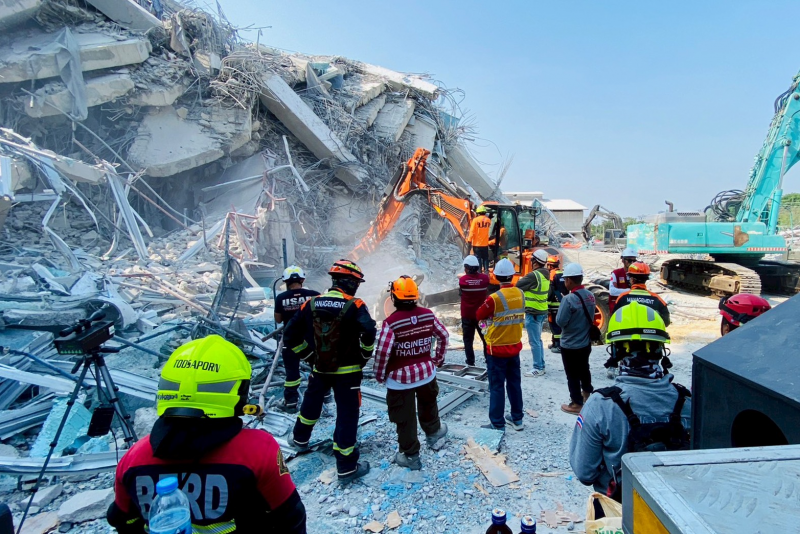
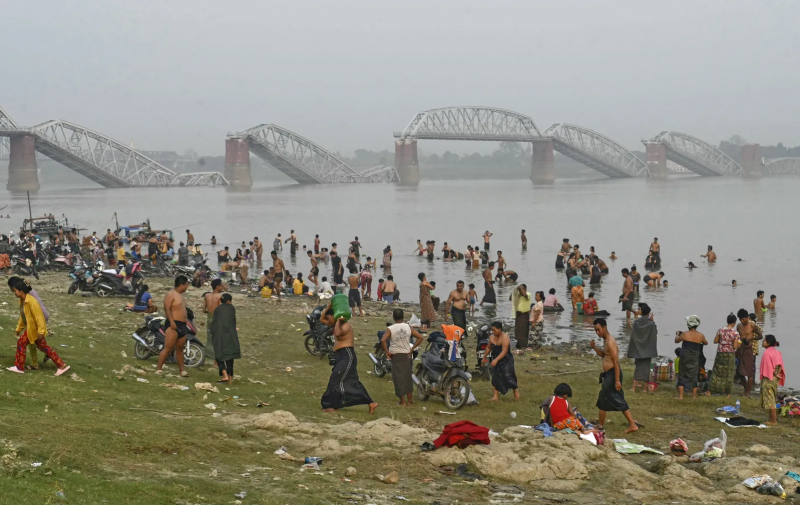
Кучли силкиниш бир зумда уйлар, мактаблар, шифохоналар, кўприклар ва тарихий обидаларни ер билан битта қилиб ташлади. Бошида расмийлар 1000 дан ошиқ одам ҳалок бўлди, деб хабар берган бўлса-да, тез орада ўлим сони яна ошди. Бир қанча халқаро ва миллий ҳисоботларга кўра, рақамлар доимий янгиланиб борди: бошланғичда юзлаб, кейин 1 600, охир-оқибат эса тахминан 3 300 дан 3 700 га яқин одам ҳалок бўлган, яна минглаб одамлар жароҳатланган, юзлаб одам йўқолган деб ҳисобланди, чунки излар вайронагарчик остида қолган эди.
Бу фожиа ортидан тезкор хизматлар ишламай қолди. Тез ёрдам етиб бормади, йўллар ва алоқалар узилиб қолди, одамлар юзлаб танишларини ҳароба уйлар остидан қутқаришга уринарди. Болалар, ота-оналар, қариялар – ҳамма бир лаҳзада ўзининг энг яқинларини йўқотди ёки оғир жароҳат олди.
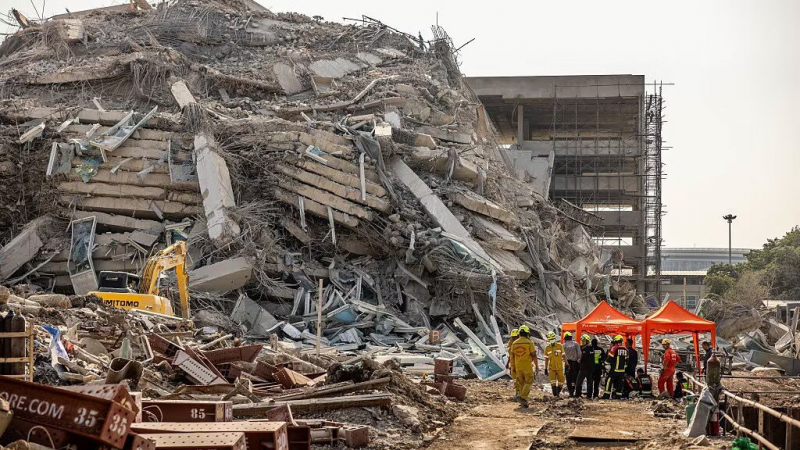
Тирик яшаётганлар эса кўчаларга чиқиб, қоронғу тунларни очиқ ҳавода ўтказишга мажбур бўлди, кўплаб оилалар уйларига қайтмади, чунки энди уларнинг бошпанаси ҳам йўқ эди. Бу зилзила нафақат Мьянма ҳудудида, балки чет элда ҳам сезилди – қўшни Таиланд ва Хитойда ҳам кичик силкинишлар содир бўлди.
Жорий йил қўшни Афғонистон учун ҳам омадли бўлди, дея олмаймиз. Афғонистонда ҳам кутилмаган зилзилалар минглаб одамларнинг умрига сўнгги нуқтани қўйди. Силкинишдан сўнг, мамлакатдаги муаммолар ҳам сизиб чиқа бошлади, дунё Афғонистонда вазият яхши эмаслигини яна бир марта ҳис қилди.
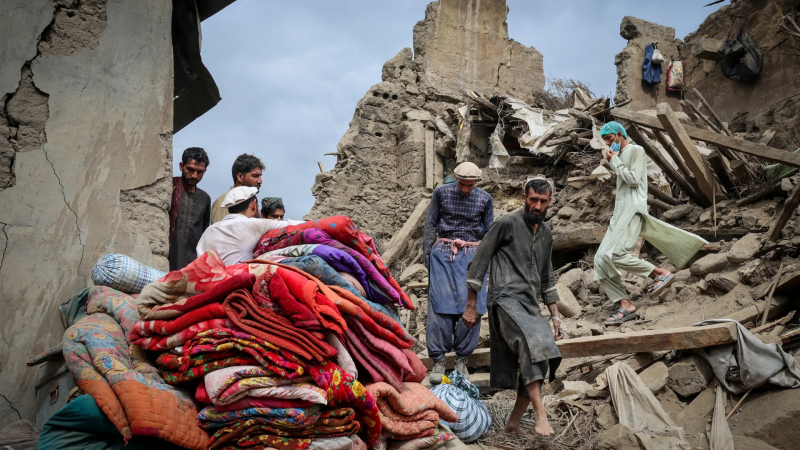
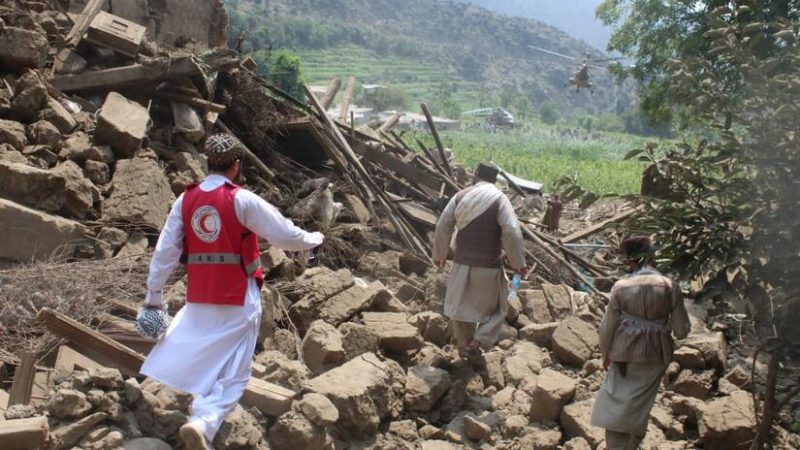
31 август кечаси Афғонистоннинг шарқида, Покистан билан чегара яқинида жойлашган Кунар ва атрофидаги вилоятларда кучли 6 магнитудали зилзила содир бўлди. Бу зилзилада уйлар қулаб тушди, қишлоқлар вайрон бўлди. Расмий маълумотларга кўра, 2 200 дан ортиқ одам ҳалок бўлган ва 4 000 дан кўпроқ одам жароҳатланган. Аммо бу чет эл ОАВлар томонидан эълон қилинган маълумотлар, аслида ҳолат бундан ҳам ёмонроқ бўлиши мумкин.
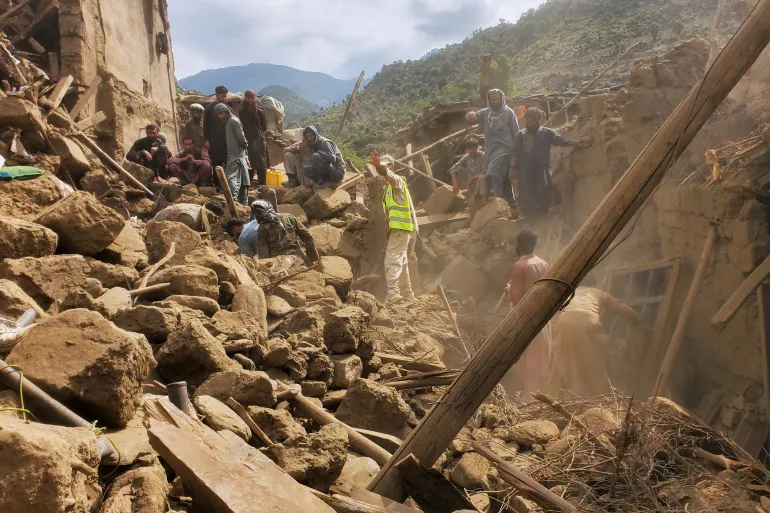
Ғарб ОАВларида зилзиладан сўнг, вайроналар остида жон талашиб ётган аёлларга ёрдам берилмагани, бу ҳукумат қонун-қоидаларига тўғри келмаслиги ҳақида хабарлар сизиб чиқа бошлади. Нашрларга кўра, мамлакатда вайроналар остида қолган аёлларга эркаклар ёрдам қўлини чўзмаган, чунки бу иш учун афғон эркакларини кучли жазо кутади. Баъзи бир қишлоқларда аёлларнинг кўпи вайроналар остида қолиб кетгани сабаб бошқа қишлоқдан аёллар келиши кутилди. Бундай сиёсатнинг ортидан эса тирик қолиши мумкин бўлганлар ҳам ҳалок бўлди!
Кейинроқ, 3 ноябрда шимолда, хусусан Балх ва Саманган атрофида 6.3 магнитудали яна бир зилзила содир бўлди. Бу зилзилада 1-зилзиладан омон чиққан уйлар вайронага айланди. Дастлабки расмий маълумотларда бу фалокатда тахминан 20 дан ортиқ одам ҳалок бўлгани ва юзлаб одам жароҳатлангани айтилди, аммо бу рақамлар кейинча ошган бўлиши мумкин. Афғонистонга қўшни бўлгани учун ушбу силкиниш Ўзбекистон ҳудудларида ҳам яққол сезилди. Хусусан, Сурхондарё вилоятида унинг сезилиш кучи 5 баллни ташкил этди. Тармоқларда Сурхондарё аҳолиси зилзила содир бўлгандан кейин қўрқув остида ўз уйларини ташлаб, кўчаларда тўпланиб тургани акс этган видеолар тарқалди. Зилзила оқибатида вилоятдаги биноларга зарар етгани ёки етмагани ҳақида расмий маълумот тақдим этилмади.
Хуллас, 2025 йил – урушлар тугамаган, келишувлар мўрт, инсон ҳаёти эса ҳануз сиёсий савдоларнинг фонида қолаётган бир йил сифатида тарих саҳифаларида қолди. Дунё бу йилдан ҳам сабоқ чиқаргандек кўринди, аммо хатоларини тузатишга шошилмади. Қон тўкилган манзиллар харитада кўпайди, тинчлик эса яна ва яна баёнотлар даражасида қолиб кетди. Энди инсоният янги тонг – 2026 йил эшигида турибди. Бу эшик ортида ярашув ёки навбатдаги можаро, келишув борми буни вақт кўрсатади. Аммо бир ҳақиқат ўзгармаяпти: агар дунё қурол овозидан баландроқ тил топа олмаса, календарлар алмашади, лекин фожиалар эмас. 2026 йил – бу инсоният учун навбатдаги имкониятми ёки яна бир бой берилган йилми, савол очиқ. Жавобини эса янги кунлар давомида QALAMPIR.UZ’ни кузатиш орқали топишингиз мумкин.
Live
All