O‘zbekistonning Pokistondagi manfaatlari yoxud O‘zbekistonning yadroli do‘sti
Tahlil
−
08 Fevral 14172 9 daqiqa
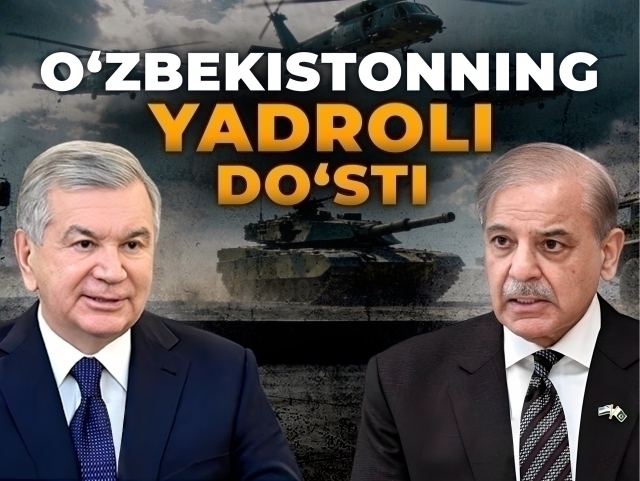
So‘nggi yillarda xalqaro maydonda O‘zbekistonning do‘sti yoki boshqacha qilib aytganda, unga do‘st bo‘lish niyatidagi davlatlar soni ortib bormoqda. Iqtisodiy jihatdan dunyoga tobora ochilib borayotgan O‘zbekiston bozorlari ko‘plab xalqaro investorlarni qiziqtiryapti. Shu o‘rinda o‘zbekistonlik ishlab chiqaruvchilarning ham jahon bozorlaridagi o‘rni tobora ortib borayotgani, Toshkentni Markaziy Osiyodagi eng muhim iqtisodiy zonaga aytlanishiga sabab bo‘lmoqda.
Joriy yilning 5-6 fevral sanalarida O‘zbekiston Prezidenti Shavkat Mirziyoyevning Pokistonga qilgan amaliy tashrifi, tomonlar o‘rtasida imzolangan yangi shartnomalar va memorandumlar ham O‘zbekistonning jahon sahnasida naqadar ahamiyatli aktorga aylanib borayotganiga dalildir. Markaziy va Janubiy Osiyoning o‘zaro bog‘liqligini birgalikda mustahkamlashga intilish nihoyatda muhim.
Yangi zafarlar
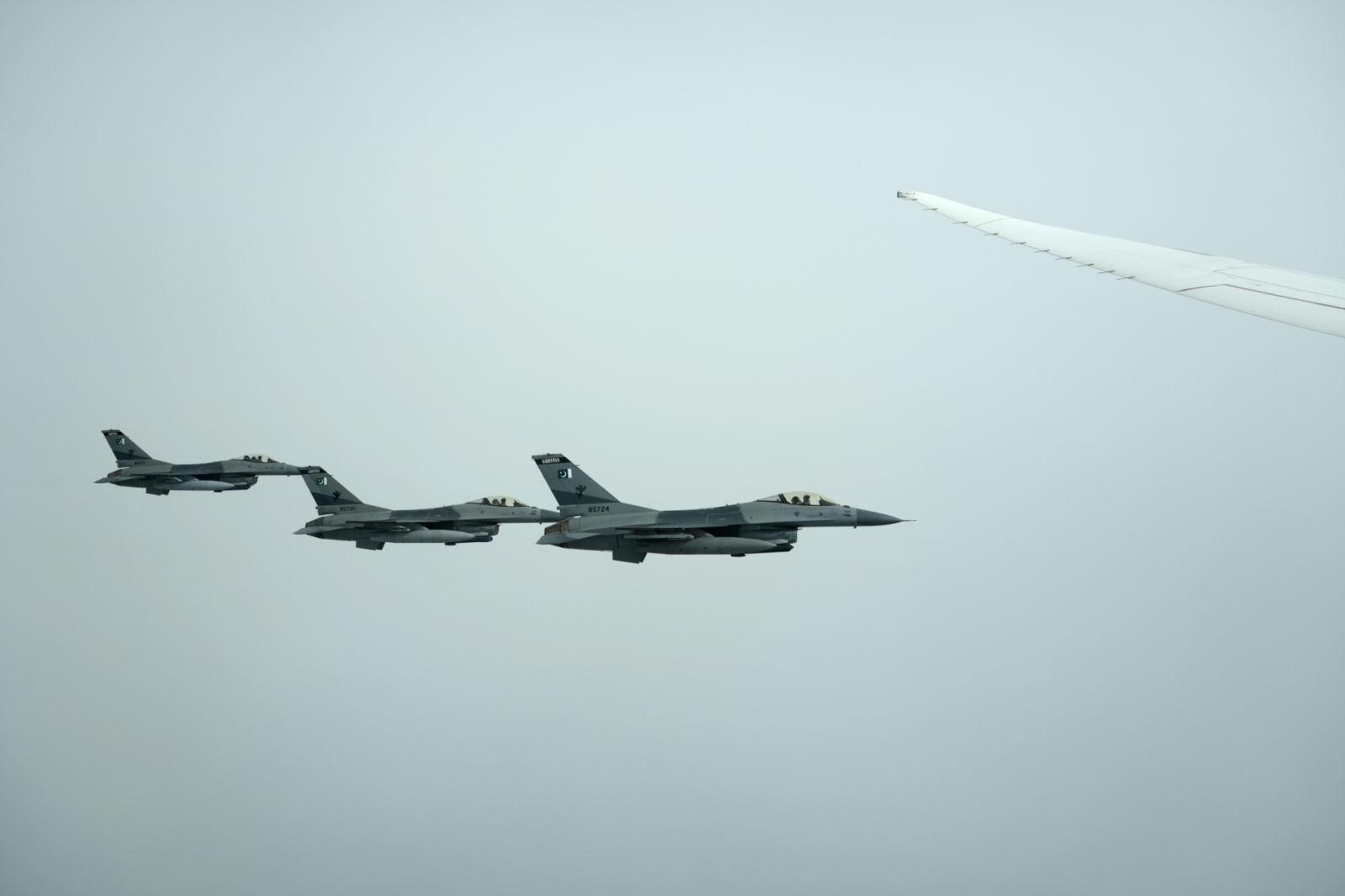
Shu yilning 5 fevral sanasida Shavkat Mirziyoyev Pokiston Bosh vaziri Shahboz Sharif taklifiga binoan Islomobodga tashrif buyurdi. Pokiston havo hududiga O‘zbekiston bayrog‘i tasviri tushirilgan samolyotning kirib kelishi bilan uni ushbu mamlakat Harbiy havo kuchlarining qiruvchi samolyotlari "Nurxon" aeroportigacha kuzatib qo‘ygan. Aeroportda O‘zbekiston Prezidenti tantanali kutib olindi. Shavkat Mirziyoyevni shaxsan Pokiston Islom Respublikasi Prezidenti Asif Ali Zardoriy, Bosh vazir Shahboz Sharif va boshqa rasmiy shaxslar kutib oldi. Ko‘rsatilayotgan bunday yuksak ehtirom shubhasiz Pokistonning O‘zbekiston bilan yaqinlashish niyati kuchli ekanligidan dalolat beradi.
Dasturga muvofiq, 5 fevral kuni Shavkat Mirziyoyev Pokiston Mudofaa kuchlari Oliy Bosh qo‘mondoni – Qurolli kuchlarning quruqlikdagi qo‘shinlar qo‘mondoni, feldmarshal Asim Munir, Pokiston Bosh vaziri o‘rinbosari, Tashqi ishlar vaziri Ishoq Dor bilan uchrashdi. Uchrashuvlar doirasida tomonolar mudofaa sanoati korxonalari o‘rtasidagi kooperatsiya aloqalarini faollashtirish, harbiy mutaxassislarni tayyorlash dasturlarini kengaytirish, transport va logistika sohasida istiqbolli infratuzilmaviy loyihalarni amalga oshirish, harbiy va harbiy-texnik hamkorlikni rivojlantirish bo‘yicha alohida “yo‘l xaritasi”ni tayyorlash kabi qator masalalar yuzasidan kelishuvga erishildi.
Shu kunning o‘zida, Islomobod shahrida O‘zbekiston Respublikasi Prezidenti va Pokiston Bosh vaziri ishtirokida oliy darajadagi Strategik hamkorlik kengashining birinchi yig‘ilishi o‘tkazildi. Oliy darajada erishilgan kelishuvlarni amalga oshirish doirasida O‘zbekiston – Pokiston strategik sheriklik va ko‘p qirrali hamkorlik munosabatlarini yanada kengaytirish va mustahkamlashning amaliy jihatlari atroflicha muhokama qilingan. Tomonlar o‘rtasida O‘zbekiston – Pokiston Ishbilarmonlar kengashini tashkil etish yuzasidan kelishuvga erishilgan. Bundan ko‘zlangan maqsad, ishbilarmon doiralar o‘rtasida uzoq muddatli hamkorlik o‘rnatish va ikki davlat bozorlari o‘rtasidagi aloqani rivojlantirish ekanligi aytilgan. Bundan tashqari amaldagi imtiyozli savdo bitimi doirasidagi mahsulotlar turini, shuningdek, O‘zbekiston qishloq xo‘jaligi mahsulotlari uchun fitosanitariya ruxsatnomalari ro‘yxatini yanada kengaytirish hamda O‘zbekistonning Lahor va Karachidagi savdo uylaridan faol foydalanish to‘g‘risida qarorlar qabul qilingan.
Yaqin kelajakda o‘zaro tovar ayirboshlashni 2 milliard dollarga yetkazish vazifasi qo‘yilgan. Vaholangki, bu o‘tgan yilda qayd etilgan savdo aylanmasi hajmidan qariyb 5 barobar ko‘p deganidir. Bundan tashqari qishloq xo‘jaligi, elektrotexnika, geologiya, farmatsevtika, yengil sanoat, oziq-ovqat mahsulotlarini qayta ishlash va boshqa sohalarda qariyb 3,5 milliard dollarlik loyihalar portfeli shakllantirilgan.
Yig‘ilish davomida transport va logistika aloqalarini rivojlantirishga alohida e’tibor qaratilgan. Transafg‘on temiryo‘li loyihasini amalga oshirishni jadallashtirish va “Pokiston – Xitoy – Qirg‘iziston – O‘zbekiston” transport yo‘lagini rivojlantirish muhimligi ta’kidlangan.
Tomonlar o‘rtasida madaniy-gumanitar sohada ham qator kelishuvlarga erishildi. Jumladan, O‘zbekiston–Pokiston hududlararo forumini tashkil etishga kelishilib, uning birinchi uchrashuvini shu yil Xorazm viloyatida o‘tkazish taklifi bildirilgan. Ziyorat turizmi sohasida ham tizimli hamkorlikni yo‘lga qo‘yish masalalari alohida muhokama qilingan. Ikki mamlakat xalqlari o‘rtasidagi do‘stlikni mustahkamlash maqsadida joriy yilda Pokistonda O‘zbekiston madaniyati haftaliklari va O‘zbekiston kinosi kunlarini o‘tkazishga kelishib olingan. Shuningdek, O‘zbekiston rahbari Boburiylar merosini targ‘ib qilish uchun Lahorda qo‘shma madaniyat markazi tashkil etishni taklif qilgan.
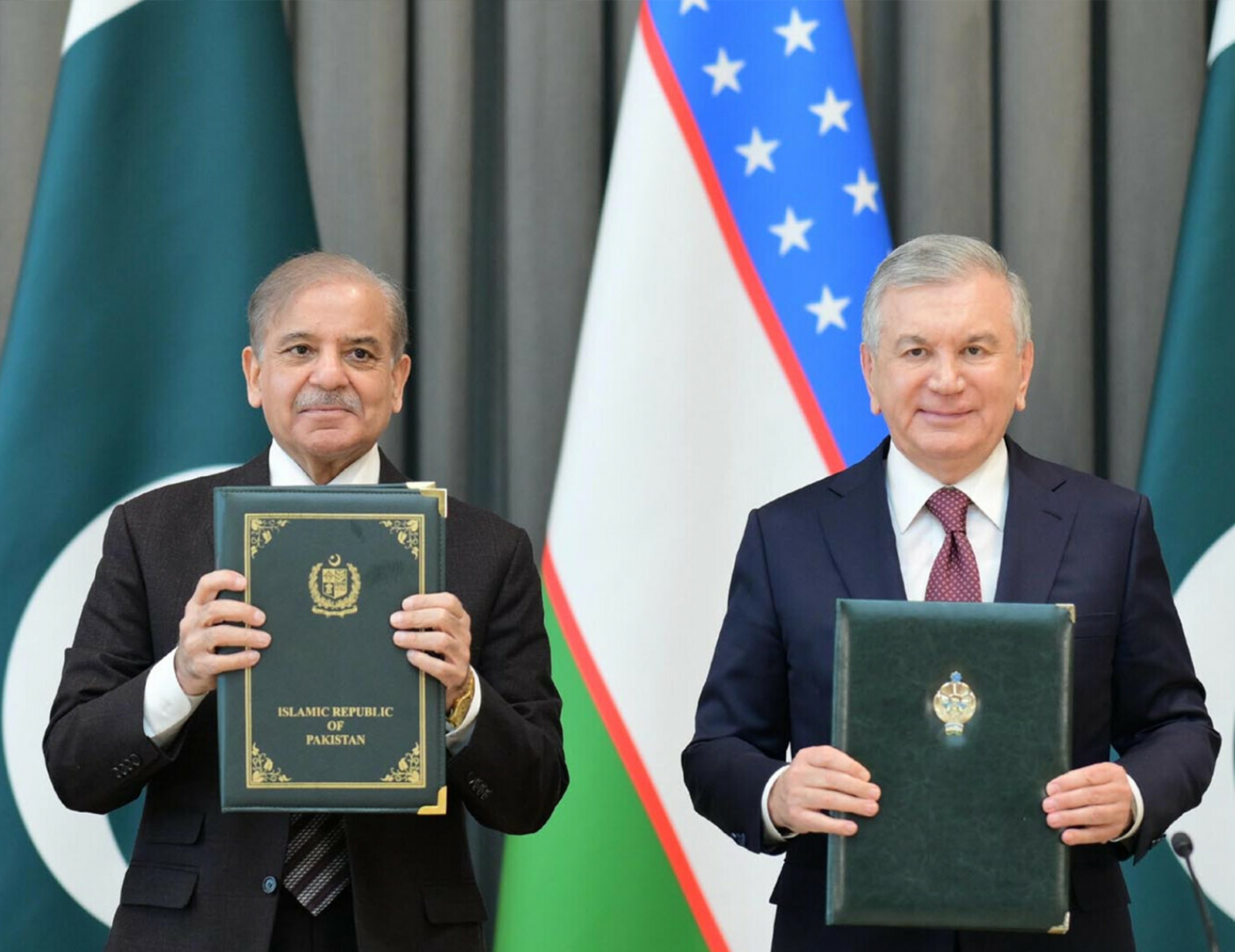
Iqtisodiy, madaniy va harbiy kelishuvlardan tashqari yana qator bitimlar imzolangan:
- Port xizmatlari va chegirmalar taqdim etish sohasidagi hamkorlik to‘g‘risida bitim;
- Konchilik va geologiya sohasidagi hamkorlik to‘g‘risida bitim;
- Raqamli va axborot texnologiyalari sohasidagi hamkorlik to‘g‘risida bitim;
- Sport sohasidagi hamkorlik to‘g‘risida bitim;
- Radiatsiya va yadro xavfsizligi sohasidagi hamkorlik to‘g‘risida bitim;
- Ekologiya va tabiiy ofatlar sohasidagi hamkorlik to‘g‘risida bitim;
- Favqulodda vaziyatlarni boshqarish sohasidagi hamkorlik to‘g‘risida shartnoma;
- Korrupsiyaga qarshi kurashish sohasidagi hamkorlik to‘g‘risida bitim;
- Giyohvandlik vositalari, psixotrop va yangi psixoaktiv moddalar va ularning prekursorlarining noqonuniy aylanishiga qarshi kurashish sohasidagi hamkorlik to‘g‘risida bitim;
- Ozodlikdan mahrum etilgan shaxslarni jazoni o‘tashni davom ettirish uchun topshirish to‘g‘risidagi kelishuv;
- Ikki mamlakat mudofaa vazirliklari o‘rtasida “yo‘l xaritasi”.
Strategik hamkorlik kengashining birinchi yig‘ilishi doirasida O‘zbekiston Respublikasi Prezidenti Shavkat Mirziyoyevga Pokiston Milliy fan va texnologiyalar universitetining faxriy doktori va professori unvonlarini berish marosimi bo‘lib o‘tdi. Ushbu unvonlar O‘zbekiston yetakchisining ijtimoiy-iqtisodiy va ta’lim sohalaridagi islohotlar, mamlakatni izchil modernizatsiya qilish, fan va texnologiyalarni rivojlantirish, xalqaro hamkorlik hamda akademik aloqalarni mustahkamlashga qo‘shgan ulkan hissasi uchun berilgan.
Yakunda, Shavkat Mirziyoyev Shahboz Sharifni javob tashrifi bilan O‘zbekistonga kelishga taklif etgan. Islomobod ko‘chalaridan biriga Toshkent nomi berilgani uchun yana bir bor minnatdorlik bildirilgan.
6 fevral kuni esa Shavkat Mirziyoyev Islomobod shahrida Shahboz Sharif bilan birgalikda O‘zbekiston-Pokiston qo‘shma biznes forumida ishtirok etdi. Forumda ikki mamlakatning 300 dan ortiq yetakchi sanoat korxonalari va savdo kompaniyalari, tarmoq tashkilotlari hamda ishbilarmonlik tuzilmalari rahbarlari va vakillari ishtirok etgan. Tadbirda farmatsevtika va tibbiyot, yengil sanoat, kon-metallurgiya tarmog‘i va geologiya, oziq-ovqat xavfsizligi sohasidagi hamkorlikni kengaytirish masalalari kun tartibiga ko‘tarilgan. Go‘sht, kartoshka va guruchni birgalikda yetishtirish, shuningdek, urug‘chilik va seleksiya sohasida Pokiston Milliy genomika instituti bilan sheriklik istiqbollariga alohida e’tibor qaratilgan.
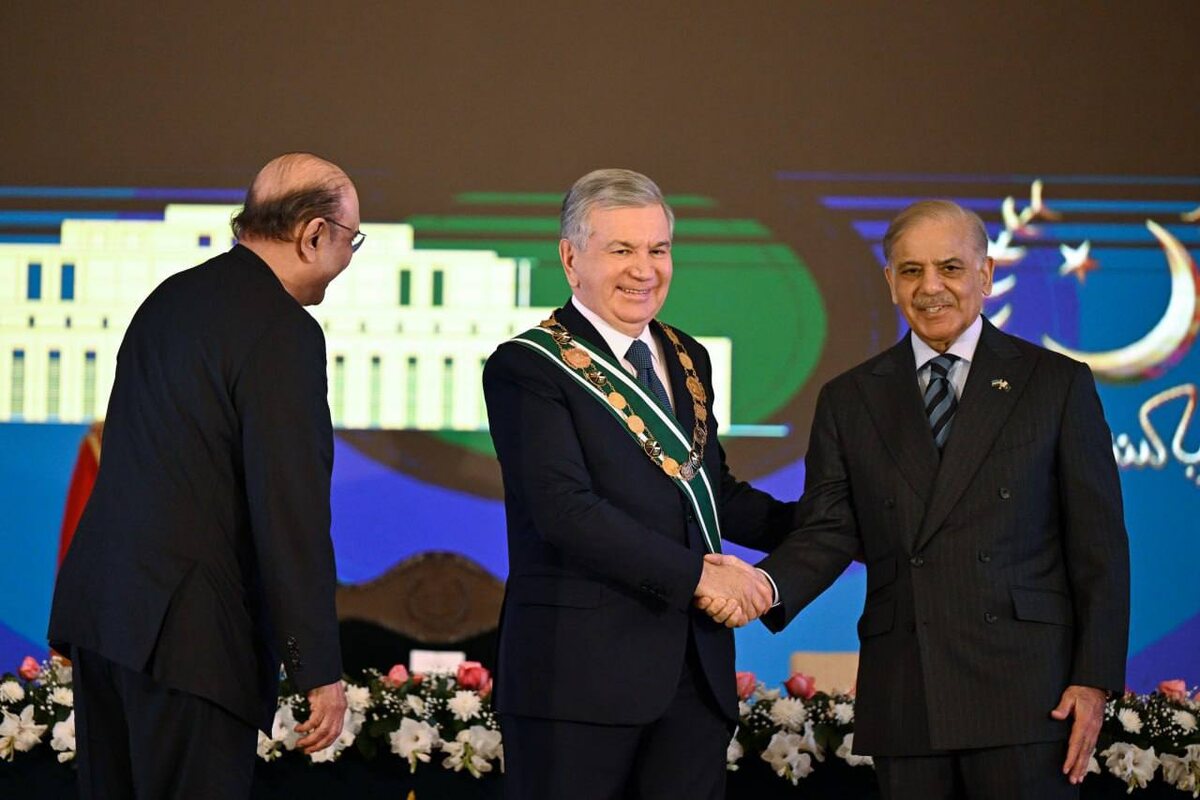
Shuningdek, shu kuni “Ayvoni Sadr” qarorgohida O‘zbekiston Prezidenti Shavkat Mirziyoyevga “Nishoni Pokiston” ordenini topshirish marosimi bo‘lib o‘tdi. Prezident Asif Ali Zardoriy Pokistonning oliy mukofotini O‘zbekiston rahbariga tantanali ravishda topshirgan. Ushbu nufuzli mukofot ko‘p qirrali hamkorlikni kengaytirish borasidagi umumiy sa’y-harakatlarning munosib e’tirofi hamda O‘zbekiston xalqiga do‘stona munosabat va chuqur hurmat ifodasi ekani qayd etilgan.
Tarixiy birodarlik
O‘zbekiston va Pokiston o‘rtasidagi diplomatik munosabatlar anchayin chuqur siyosiy tarixga ega. Pokiston O‘zbekistonning mustaqilligini 1991 yilning 20 dekabrida birinchilardan bo‘lib tan olgan va 1992 yilning 10 mayida rasmiy diplomatik aloqalar o‘rnatilgan — bu ikki davlat o‘rtasidagi elchixonalar ochilishi va muloqot yo‘lga qo‘yilgani boshlangan davr edi.
1990 yillar va 2000 yillar boshida savdo-iqtisodiy aloqalar sust bo‘lib, birinchi hukumat davridagi yopiq tashqi siyosat, mintaqaviy noaniqliklar, Afg‘oniston orqali tranzit yo‘llarining murakkabligi, Pokistonning o‘zidagi etnik va diniy ziddiyatlar hamda global geosiyosiy muammolar tufayli munosabatlar deyarli rivojlanmadi. Uzoq vaqt davomida yuqori darajadagi tashriflar va keng ko‘lamli hamkorlik yo‘lga qo‘yilmaganligi aloqalarning jadal rivojlanishiga to‘sqinlik qildi.
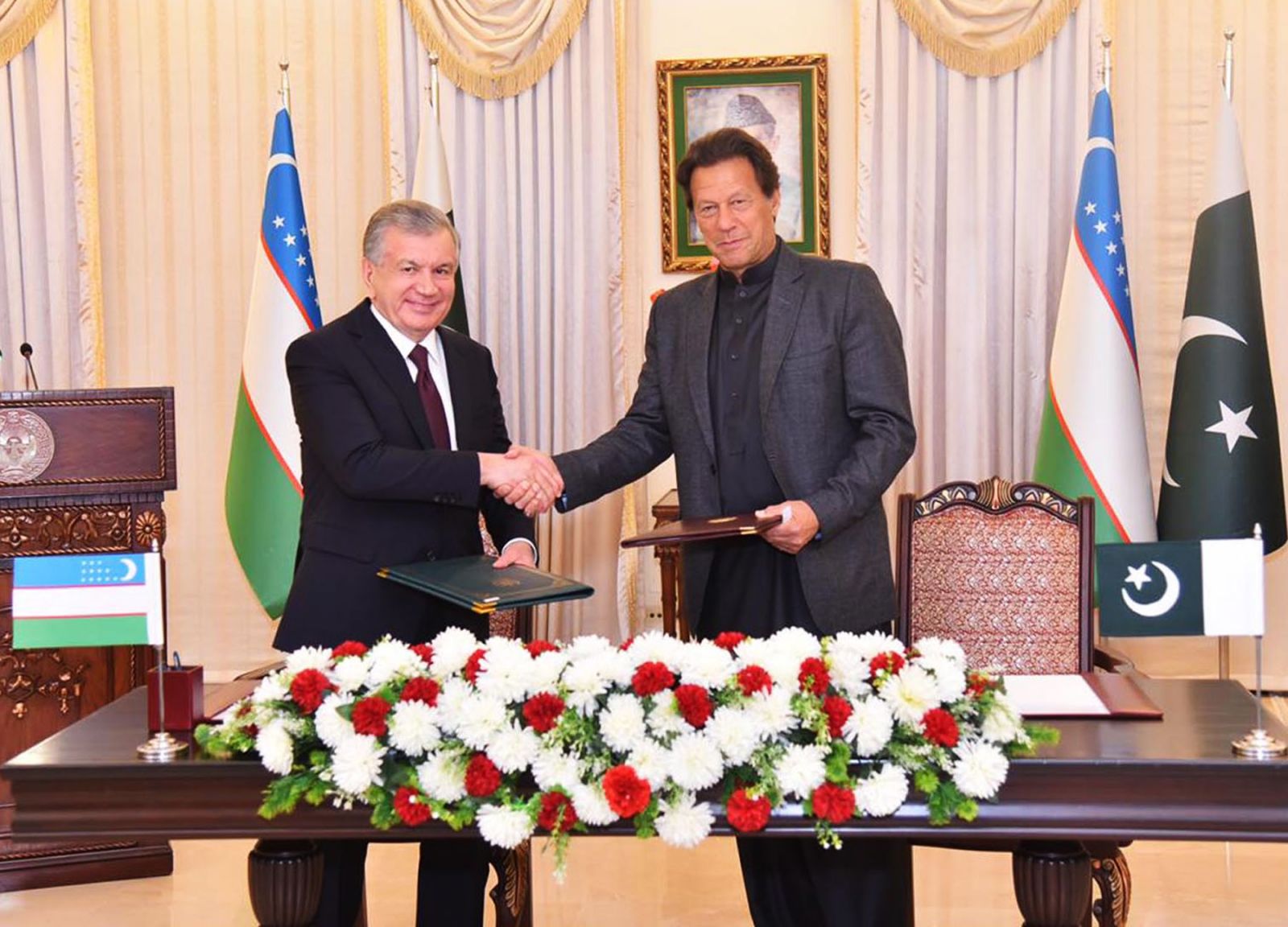
O‘zbekistonda hokimiyat tepasiga Shavkat Mirziyoyevning kelishi va xalqaro maydondagi O‘zbekistonning pozitsiyasi qayta ko‘rib chiqilishi Pokiston bilan ham aloqalarni yaxshilanishiga olib keldi. Xususan, 2021 yil 15-16 iyul kunlari sobiq Pokiston Bosh vaziri Imron Xonning O‘zbekistonga rasmiy tashrifi chog‘ida “Strategik sheriklik to‘g‘risida qo‘shma deklaratsiya” imzolandi, bu ikki davlat aloqalarini yanada chuqurlashtirishga turtki berdi. 2022 yil 3-4 martda O‘zbekiston Prezidenti Shavkat Mirziyoyev Pokistonda davlat tashrifini amalga oshirib, strategik hamkorlikni kengaytirish bo‘yicha qo‘shimcha kelishuvlar imzolandi.
Strategik hamkor darajasi 2021 yilda rasman belgilandi va so‘nggi yillarda savdo, tranzit, energetika, ta’lim va madaniyat sohalarida aloqalar tez sur’atda rivojlanmoqda. So‘nggi besh yilda bir qator davlat tashriflari amalga oshirildi, 2025 yilda ikki davlatning iqtisodiy va transport sohasidagi hamkorlikni chuqurlashtirish bo‘yicha kelishuvlar imzolandi. 2000 yilda ikkala mamlakat o‘rtasidagi tovar aylanmasi 8,5 mln dollariga chiqqan bo‘lsa, 2025 yilda bu ko‘rsatkich 504,5 mln dollarga yetdi.
Pokistondan foyda nima?
Pokiston va O‘zbekiston o‘rtasidagi munosabatlarning iliqlashuvi ikkala tomon uchun ham muhim. 38 million aholili bozor, albatta Pokiston uchun jozibali, ammo O‘zbekiston uchun ushbu davlat bilan do‘stlashishning ahamiyati qanday? Etnik, diniy va chegaraviy muammolarga ega Pokiston bilan yaqinlashuvdan maqsad nima?
Avvalo, Pokiston O‘zbekiston uchun Janubiy Osiyoga chiqish eshigi bo‘lib, uning geostrategik ahamiyati so‘nggi yillarda keskin oshdi. Geografik jihatdan dengizga chiqish imkoniyatiga ega bo‘lmagan O‘zbekiston uchun Pokiston hududi orqali Arab dengiziga chiqish eng qisqa va istiqbolli yo‘nalishlardan biri hisoblanadi. Xususan, Pokistonning Karachi va Gvadar portlari Markaziy Osiyo mahsulotlarini jahon bozorlariga olib chiqishda muhim logistika markazlariga aylanishi mumkin.
Geostrategik nuqtai nazardan, O‘zbekiston Pokiston orqali Janubiy Osiyo, Yaqin Sharq va Afrika bozorlariga ulanadi. Bu O‘zbekistonning tashqi savdo yo‘llarini diversifikatsiya qilish, Rossiya va shimoliy yo‘nalishlarga haddan tashqari bog‘liqlikni kamaytirish imkonini beradi. Ayniqsa, Afg‘oniston orqali o‘tadigan transafg‘on transport yo‘lagi — Termiz–Mozori Sharif–Qobul–Peshovar temir yo‘li loyihasi bu strategiyaning markazida turadi. Ushbu loyiha amalga oshsa, yuk tashish vaqti va xarajatlari sezilarli darajada qisqaradi.
Logistika manfaatlari bilan bir qatorda, iqtisodiy hamkorlik ham O‘zbekiston uchun muhimdir. Pokiston 240 milliondan ortiq aholiga ega bo‘lgan yirik bozor bo‘lib, to‘qimachilik, farmatsevtika, charm mahsulotlari va qishloq xo‘jaligi sohalarida katta tajribaga ega. O‘zbekiston esa rangli metall, mineral resurslar, kimyo mahsulotlari va energetika salohiyatini taklif qiladi. So‘nggi yillarda ikki davlat o‘rtasidagi savdo hajmini 1 milliard dollarga yetkazish maqsadi qo‘yilgani bejiz emas.
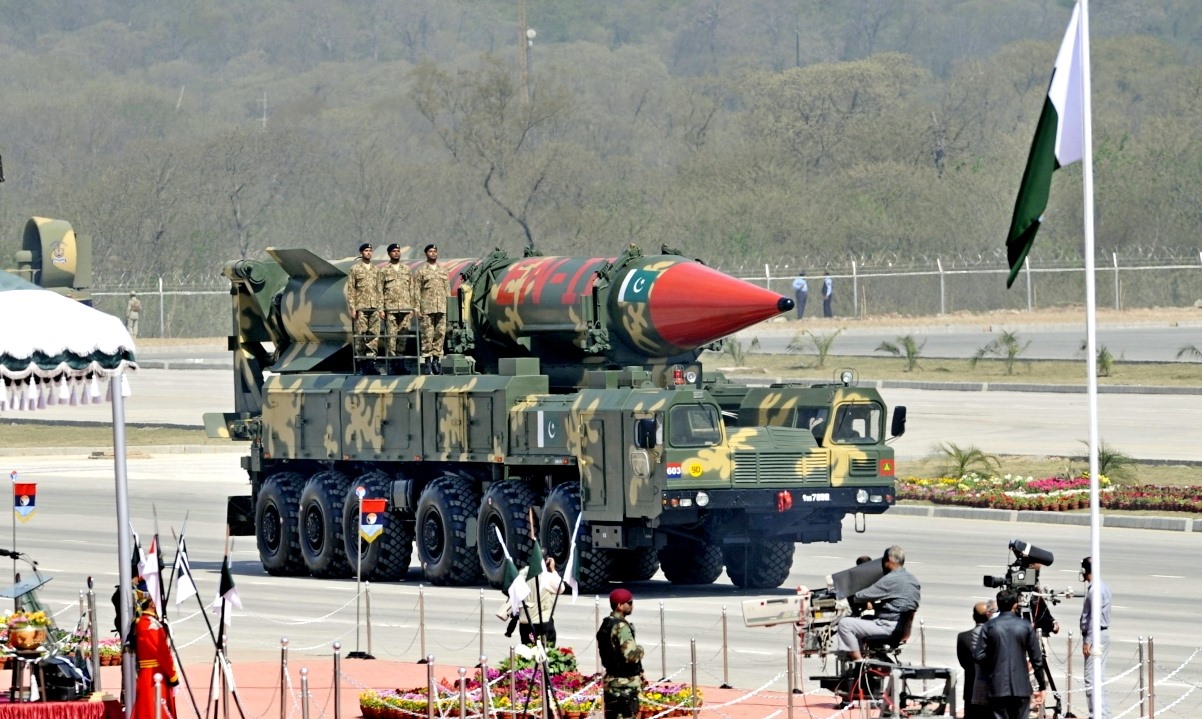
Xalqimiz aytganidek: “Do‘sting qancha ko‘p bo‘lsa ham oz”, ayniqsa, u do‘stingda yadroviy qurol bo‘lsa, nur ustiga a’lo nur. Pokiston O‘zbekiston uchun nafaqat iqtisodiy va logistika, balki harbiy-strategik jihatdan ham muhim hamkor hisoblanadi. Pokiston — Islom dunyosidagi yagona yadroviy qurolga ega davlat, bu esa uni mintaqaviy va global xavfsizlik tizimida alohida o‘rin egallashiga sabab bo‘ladi. Bugungi geosiyosiy beqarorlik, qurolli mojarolar va kuchlar muvozanati izdan chiqayotgan bir davrda, qudratli va barqaror strategik do‘stlarga ega bo‘lish O‘zbekiston tashqi siyosati uchun nihoyatda muhimdir. Pokistonning harbiy salohiyati, tajribasi va yadro tiyib turish omili mintaqaviy xavfsizlikka bilvosita hissa qo‘shadi hamda O‘zbekistonning strategik manyovr imkoniyatlarini kengaytiradi.
Shuningdek, Pokiston bilan aloqalar O‘zbekistonning mintaqaviy rolini kuchaytiradi. Islomobod Markaziy Osiyo–Janubiy Osiyo integratsiyasini faol qo‘llab-quvvatlab kelmoqda, bu esa O‘zbekistonning “Markaziy Osiyo — ochiq va bog‘langan mintaqa” konsepsiyasiga mos keladi. Natijada Pokiston O‘zbekiston uchun nafaqat tranzit yo‘l, balki uzoq muddatli geosiyosiy va iqtisodiy hamkor sifatida tobora muhim ahamiyat kasb etmoqda.
Xullas, Pokiston va O‘zbekiston munosabatlari rivojlanishi ayni damda ikki davlat uchun ham birdek muhim.

Live
Barchasi