Ўзбекистон, Тожикистон ва Қозоғистон “Тожик денгизи” бўйича гаплашиб олди
World
−
06 August 2025 10559 2 minutes
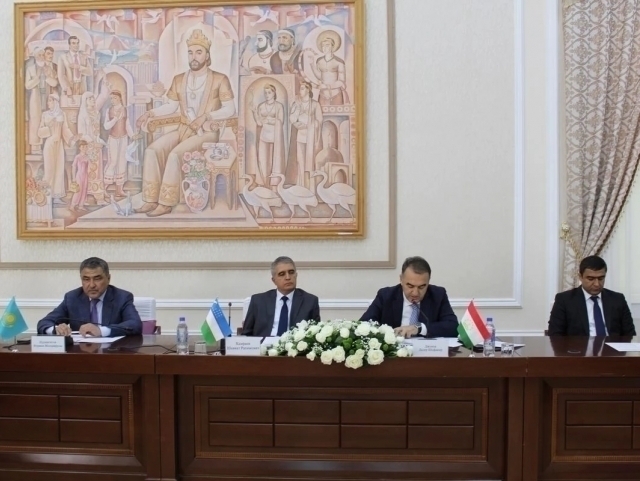
Жорий йилнинг 4 август куни Ўзбекистон, Тожикистон ва Қозоғистон вакиллари Тожикистоннинг Гулистон шаҳрида учрашиб, Сирдарё ҳавзасидаги сув ресурсларидан оқилона фойдаланиш масалаларини муҳокама қилди. Бу ҳақда Мустақил Давлатлар Ҳамдўстлиги Ижроия қўмитаси матбуот хизмати хабар берди.
Қайд этилишича, учрашувда Тожикистон Энергетика вазири Далер Жума, Ўзбекистон Сув хўжалиги вазири Шавкат Ҳамроев ва Қозоғистон Сув ресурслари вазири Нуржан Нуржигитов иштирок этган.
Томонлар “Тожик денгизи” сувомборининг ишлаш тартиби бўйича уч томонлама баённоманинг ижросини, шунингдек, сувдан фойдаланиш самарадорлигини ошириш чораларини ҳам муҳокама қилган.
Учрашувда сув хавфсизлигини таъминлаш мақсадида минтақавий ҳамкорлик ва тажриба алмашинувини мустаҳкамлаш зарурлиги алоҳида таъкидланган.
Учрашувдан сўнг вазирлар “Тожик денгизи” (“Баҳри Тожик”) сувомборини ҳамда Бобожон Ғофуров туманида жойлашган “Сомгор-1” насос станцияси фаолияти билан танишди.
Маълумот учун, “Тожик денгизи” Тожикистондаги энг йирик сув омборларидан бири бўлиб, у Тожикистоннинг Сўғд вилояти ва шарқда кичик қисми Ўзбекистоннинг Фарғона вилоятида жойлашган. Сувомбор Сирдарё оқимини тартибга солиш учун қурилган тўғон ва гидроэлектр станциясидан ҳосил бўлган. Сув билан тўлдириш 1950 йилда бошланган.
Бугунги кунда бу балиқ овлаш, сузиш ва қуёшда тобланиш мумкин бўлган машҳур ёзги таътил жойидир. “Тожик денгизи” соҳилида бир неча санаторий ва пансионатлар мавжуд бўлиб, уларда Сўғд вилояти, республика аҳолиси ва ташриф буюрган сайёҳлар дам олади.
Эслатиб ўтамиз, жорий йилнинг май ойида Тошкентда бўлиб ўтган уч томонлама учрашувда Қозоғистон, Ўзбекистон ва Қирғизистон вакиллари Сирдарё дарёси бўйича сув тақсимоти масаласини келишиб олганди. Учрашув якунида вегетация даврига доир электр энергияси объектларининг ишлаш тартиби ва дарёдаги сув тақсимоти бўйича протокол имзоланган эди.

Live
All