Бакуда россияликлар эмаклатилди. Россияда эса озарбайжон тадбиркори қўлга олинди
Review
−
02 July 2025 12343 7 minutes
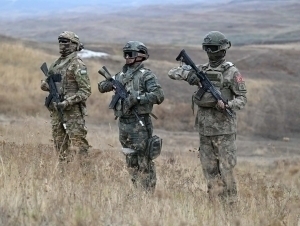
Агар сиз постсовет давлатларидан бирида яшаётган бўлсангиз, катта эҳтимол билан хаёлингизга юқорида кўрсатилган видеотасвирдаги ҳолат Россияда бўлган деган фикр келиши табиий. Албатта, агар кеча, 1 июль кунида содир бўлган қизиқ воқеа-ҳодисалар ҳақидаги хабарлардан бехабар бўлсангиз, тасвирдаги кучишлатар тузилмалар Россиянинг ОМОНи, қийноққа солинаётганлар эса ўзбек, тожик ёки қирғиз миллатига мансуб мигрантлар деб ўйлаган бўлсангиз ҳам ажаб эмас. Аммо бу сафар ундай эмас. Бу Озарбайжон ҳуқуқ-тартибот идораси ходимлари, улар томонидан эмаклатилаётганлар эса наркотик савдосида айбланиб қўлга олинган руслардир. Ҳа, постсовет давлатлари ичида тарихий бурилишларни амалга ошириш, эски босқинчи билан кучли сиёсий ирода билан гаплашиш ҳозирча фақат Озарбайжонга насиб қилмоқда.
Россияда айнан озарбайжонликларга қарши бошланган этник зуғум ортидан икки давлат 3 кундан буён кескин зиддиятли ҳолатда. Россиянинг Екатеринбург шаҳрида ОМОН томонидан ўлдирилган ака-ука Сафаровлар воқеаси бунинг асосий омили эканидан хабарингиз бор. Россия томони уларнинг жасадини ўз яқинларига топширди. Шундан сўнг, янги тафсилотлар юзага чиқа бошлади. Озарбайжон расмийлари иккинчи маротаба ўтказилган суд-тиббий экспертизаси Россия томони берган хулосалар билан бир-бирига зид бўлганини таъкидлашди. Россия экспертлари ўлим сабабини юрак етишмовчилиги деб кўрсатган бўлса-да, озарбайжонлик мутахассислар марҳумларда кенг тарқалган тан жароҳатларини аниқлаган. Бу эса ака-укалар Россиянинг қўли қонга ботган кучишлатар тизимлари томонидан қийноққа солинганини англатади. Бир сўз билан айтганда, улар ўласи қилиб калтакланган.
Зиёддин ва Ҳусайн Сафаровларнинг танасида кўплаб тан жароҳатлари – бурун синиши, кўкрак қафаси деформацияси, гематомалар ва кўкаришлар қайд этилган. Озарбайжон экспертларига кўра, Зиёддин Сафаров “кўплаб жароҳатлар туфайли юзага келган травматик шок”дан, унинг акаси Ҳусайн эса “травматик ва геморрагик шок” – яъни кучли қон йўқотилиши оқибатида вафот этган. Аммо шундай бўлса-да, Россия томони бундай қилмишидан уялмаяпти. Улар аксинча, Озарбайжоннинг реакциясини ноўрин дея таъкидлаб, бу Россиянинг ички ишларига аралашиш эканини иддао қиляпти. Кремлнинг бундай совуққон муносабатининг содда таржимаси эса қуйидагича бўлади. “Мен босқинчи империалистман. Ёқса шу, ёқмаса катта кўча”. Ортда қолган йиллар давомида Марказий Осиёнинг қатор давлатлари, жумладан, Ўзбекистон ҳам шундай муносабатга дуч келгани ҳеч кимга сир эмас. Аммо Озарбайжон рус шовинизмига ортиқ тоқат қилмаслиги ва у билан ҳисоблашмаслигини бугун яққол намоён қилмоқда.
Россия: Қўйиб юбор
Озарбайжон: Асло
Озарбайжондаги “Спутник Озарбайжон” нашри муҳаррирлари ҳибсга олингач, Россия Озарбайжондан рус журналистларини тезда қўйиб юборишини талаб қилгани маълум бўлди. Озарбайжоннинг Россиядаги элчиси Раҳмон Мустафоев Россия Ташқи ишлар вазирлигига чақиртирилиб, унга оғзаки нота топширилган. Нотада эса рус журналистларини дарҳол озод қилиш талаби билдирилгани айтилмоқда. Аммо Озарбайжон Россияга айнан унинг услубида жавоб қайтарди. Расмий Баку Россиянинг нотасига тупурди. Маҳаллий ОАВ Озарбайжон ички ишлар вазирлигига таяниб, “Спутник Озарбайжон” муҳаррирларини, Баку назарида эса Россия ФХХ агенти дея гумонланаётган икки шахсга нисбатан жиноят иши очилганини маълум қилди.
Озарбайжон Ички ишлар вазирлиги “Спутник Озарбайжон” нашрида ўтказган рейди натижасида етти кишини қўлга олди. Маълум қилинишича, қўлга олинганлар Озарбайжон Жиноят кодексининг фирибгарлик, ноқонуний тадбиркорлик ва жиноят йўли билан олинган мол-мулкни қонунийлаштириш моддалари бўйича жавобгарликка тортилиши мумкин. Муҳаррир ниқоби остида жосуслик қилган Картавих ва Белоусов эса яна 4 ой ҳибсда қолиши ҳақида хабарлар чиқди. Мазкур жиноят иши юзасидан тергов ҳаракатлари давом этмоқда.
Руслар Бакуда эмаклатилди
1 июль куни Озарбайжоннинг Баку шаҳрида яна бир нечта Россия фуқаролари ҳибсга олинди. Уларнинг икки жиноий гуруҳга алоқаси бўлиши мумкинлиги тахмин қилинди. Расмий маълумотларга кўра, улар наркотик моддаларни Эрон орқали транзит қилиш, уларни онлайн тарзда сотиш ва киберфирибгарликда гумонланмоқда. Шунингдек, Озарбайжон Ички ишлар вазирлиги икки жиноий гуруҳ фаолияти тўхтатилганини маълум қилди ва гуруҳ аъзолари орасида Россия фуқаролари ҳам борлигини билдирди. Юқорида таъкидланганидек, ушбу гуруҳларнинг гиёҳвандлик воситаларининг ноқонуний савдоси ва кибержиноятларга алоқаси борлиги айтилмоқда.
Аммо бу масаланинг энг асосий жиҳати эмас. Эътиборга молик жойи шуки, мазкур ҳолат, яъни русларни ҳибсга олиш жараёни Озарбайжон маҳаллий оммавий ахборот воситалари томонидан ёритилди. Операция вақтида олинган видеоларда гумондорларнинг ерга ётқизилиб, қўллари боғланган ҳолда олиб кетилаётгани, айримларининг юзида қон излари борлиги акс этган. Улар занжирга ўхшаш тарзда юришга мажбурланган, ҳатто баъзилари чўкка туширилган ҳолатда олиб кетилган. Бу тасвирлар қайсидир агрессор давлатда ўзбек, тожик, қирғиз ва бошқа миллат вакиллари билан муттасил содир бўладиган ҳолатни ёдга солиб юборяптими?
Россия хатосини тўғриламаяпти
Бакунинг кескин жавоблари фонида Россиянинг Екатеринбург шаҳрида озарбайжонликларга қарши рейд тадбирлари яна кучайди. Россиянинг қўли қонга ботган кучишлатар тузилмаси бу сафар диаспоранинг ҳурматга сазовор ва давлатманд кишиларига ҳужум қилди. Жумладан, Озарбайжон диаспораси раҳбари Шаҳин Шихлинский ҳибсга олинди. Шихлинскийни қўлга олиш бўйича амалиёт “Баку Плаза” савдо маркази олдида ўтказилди. Шихлинский билан бирга унинг ўғли Мутвала Шихлинский ҳам ушланди. Ушлаш жараёнида ота-бола ўзларига тегишли Гелендвагенда ўтирган. Кучишлатар тизим ходимлари машина ойнасини синдириб, ундан ёши бир жойга бориб қолган Шихлинскийни тушириб, ерга юзтубан ётқизган кадрларни кўриш мумкин.
Шихлинскийдан ташқари, озарбайжонлик таниқли тадбиркор Юсуф Халилов ҳам ушланди. Воронежда Россия ҳуқуқ-тартибот органлари ходимлари Юсуф Халиловни қўлга олиш учун унинг уйига бостириб киришган. Бостириб кириш ҳам худди босқинчилик каби амалга оширилганини ҳолат акс этган тасвирлардан кўриш мумкин. Улар Халиловнинг уйига келиб, деворга нарвон қадаб, эшикни ичкаридан очганча кириб келишди. Тинтув жараёнида Халилов уй ичидан топилди. У ерга юзтубан ётқизилиб сўроқ қилинди. Энг ёмони, одатда, фақат тегишли ҳуқуқни муҳофаза қилиш органларининг рухсати билан титкиланиши мумкин бўлган шахсий телефон Халиловдан тортиб олинди. Унинг кириш коди сўралиб, смслардан тортиб сўнгги қўғироқларгача кўздан кечирилди. Шунинг ўзи ҳам Россия кучишлатар тузилмаларининг қандай ишлаши, ҳуқуқ улар учун нимани англатишидан далолатдир. Аммо икки ака-укани уриб, ўлдириб қўйган тизим учун кимнидир уйига бостириб кириб шахсий телефонини ковлаш ҳеч нарса эмас.
Шихлинский мавзусига қайтадиган бўлсак, у ака-ука Сафаровлар ўлими юзасидан уларга қарши кўрсатма бериш мақсадида ушлангани айтилди. Унинг ўғлига кўра, Шихлинский дарҳол қўйиб юборилган, лекин бироздан сўнг тергов қўмитасига олиб кетилган. У ва Озарбайжон диаспорасининг қолган аъзолари терговда Сафаровларга қарши гувоҳлик беради, дея гумон қилинганди. Аммо орадан кўп ўтмай, Шаҳин Шихлинский озод этилди. Озарбайжон диаспораси раҳбари кечаси терговдан кейин қўйиб юборилди ва ўз оиласи даврасига қайтди. Ҳойнаҳой, Россия Озарбайжоннинг у билан исталган тилда гаплаша олиши, Бакуда ўзаро ҳурмат ва илиқ муносабатлар қаторида ҳурматсизликка ўз ўрнида қаттиқ жавоб бера олиш салоҳияти борлигини англади.
Сабоқ чиқаргулик иш
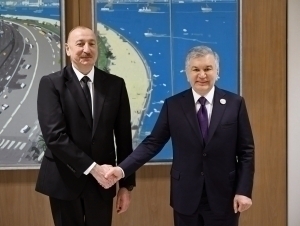
Озарбайжон ва Россия ўртасидаги кескинликнинг ҳозирги ҳарорати ўтган йил декабрь ойидаги авиаҳалокат пайтидагидан қолишмаяпти. Аммо бу сафар икки давлат етакчилари негадир жим. Ҳозиргача барча баҳс-мунозаралар фақат Ташқи ишлар вазирликлари, ҳуқуқ тартибот идоралари, интернет нашрлар, телевидение ва жамоатчилик фаоллари ўртасида кетмоқда. Путин ва Алиев сукут сақлашда давом этмоқда. Озарбайжон президенти ўтган йилги авиаҳалокат пайтида бўлгани каби фаоллик кўрсатмаяпти. Путин эса вазият энг кескин нуқтасига етган пайтда Макрон билан телефонда гаплашиб ўтирганди. Алиевнинг ўзи эса Ўзбекистон президенти Шавкат Мирзиёевнинг ташрифига тайёргарлик билан банд бўлса ажаб эмас. Шу ўринда мазкур воқеликлар унчалик жиддий аҳамиятга эга эмасдек туюлиши мумкин. Балки тез орада икки давлат муносабатлари ўз изига тушиб кетиши, Путин ҳеч нарса бўлмагандек, доимги анъанага мувофиқ Меҳрибон Алиевани таваллуди билан табриклаши, Алиев эса Путин уйида меҳмон бўлишига ҳам гувоҳ бўлармиз.
Аммо нима бўлган тақдирда ҳам ортда қолган кунлар сабоқ олишга арзигулик қатор воқеаларга бой бўлди. Масалан, Озарбайжоннинг мазкур ҳаракатларидан фақат куч тилини биладиганларга айнан шу тилда жавоб қайтариш, фуқароларини эмаклатган мамлакатга худди шу кўринишда қаттиқ жавоб бериш, Россияда вақтинча бўлиб турган фуқаролари бўладими, диаспора аъзоларими фарқи йўқ, уларнинг таҳқирланишига йўл қўймаслик, бундай бемаънигарчиликка нисбатан муросасиз бўлиш, хуллас бир юзига тарсаки туширилса, зўравонга нариги юзини ҳам тутиб бермаслик каби сабоқларни олиш мумкин.
Live
All