Жабрдийда аслида ким: руҳий хасталикми ёки жиноятчилик?
Review
−
27 May 2025 6544 5 minutes
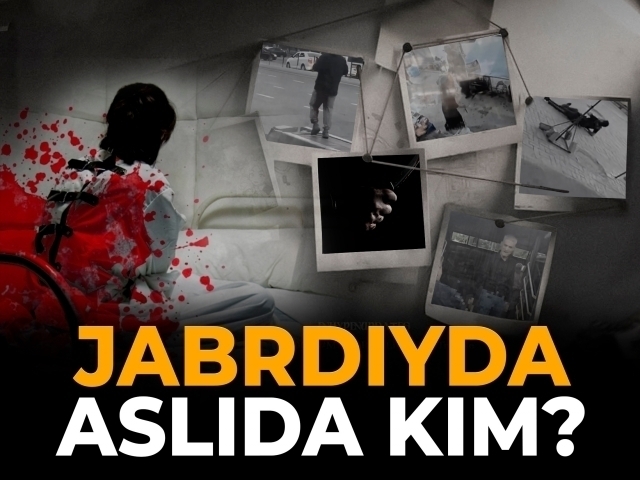
1 май куни Денов бозорида аёл онаси билан кетаётган 3 ёшли қизалоққа пичоқ урди. Қизалоқ олган тан жароҳатлари оқибатида вафот этди. Орадан уч ҳафтага яқин вақт ўтиб, 19 май куни Юнусобод бозорида эркак пост патруль хизмати ходимини пичоқлади. Ходимга тез ёрдам кўрсатилиб, ҳаёти сақлаб қолинди.
Жиноят содир этган ҳар икки шахсда умумлаштирувчи бир жиҳат мавжуд. Яъни, улар руҳий касалликлар диспансерида рўйхатда турган.
Мазкур воқеалар одамларда “руҳий хаста инсонлар қандай эркин юрибди?”, “уларга қандай чора кўрилади?”, “кўча-кўйда шундай хавфли инсонлар кўпми?” деган турли эътироз ва саволлар пайдо қилди. Мақолада мазкур саволлар юзасидан мутахассислар жавоби ва халқаро руҳий ҳолат ҳақида атрофлича сўз боради.
Психиатр Зебинисо Аҳмедованинг QALAMPIR.UZ’га айтишича, руҳий касалликка чалинган инсон жиноятчи бўлмайди, аммо айрим психиатрик бузилишлар жиноят содир этиш хавфини оширади.
- Антисоциаль шахсият бузилиши (социопатия ва психопатия)да: режалаштирилган ва оғир жиноятлар, қонун ва ижтимоий қоидаларга бўйсунмаслик;
- Параноид шизофрения ёки зўравон галлюцинациялар билан кечувчи психозда: турли буйруқ галлюцинацияларига бўйсуниб қотиллик ёки ҳужум каби оғир жиноят содир этиш;
- Биполяр аффектив бузилиш (маник фаза)да: тажовузкор ва назоратсиз ҳаракатлар, уруш-жанжал, зўравонлик;
- Диссоциатив бузилишлар (шахснинг бўлиниши)да: шахсиятдаги бирор руҳий ҳолат оқибатида жиноятлар хавфи ошади.

Юқорида санаб ўтилганларнинг барчасида шахснинг ўзи ёки бировга хавф туғдириши, хатти-ҳаракатларини назорат қила олмаслиги ва тиббий комиссия хулосаси кабиларга таянган ҳолда мажбурий даволаниш тайинланиши мумкин.
“Агар руҳий касалликка чалинган инсон тўлиқ назоратда бўлиб, дориларини доимий ичса, атрофдагиларга хавф туғдирмаса, ижтимоий фаолияти ва ҳаракати барқарор бўлиб, психиатр назорати остида бўлса, у ҳолда бу инсон эркин юриши мумкин”, дейди психиатр.
Шу ўринда таъкидлаш жоизки, психопатия ирсият орқали қондан-қонга ўтувчи руҳий оғишиш ҳолатидир. Бундай одамларда меҳр ёки раҳм туйғулари бўлмайди, улар ўзларини ҳақ деб ҳисоблайди ва бошқаларни ҳам бўйсундиришга ҳаракат қилади. Социопатия эса ирсият орқали ўтмайдиган, инсон ҳаёти давомида орттирилган руҳий оғишишдир. Бундай инсонлар оилада қаттиқ зўравонликка учрагани оқибатида нафрат туйғусига тўлиб, бераҳм ва бешафқат ҳамда одамларни ёмон кўрадиган бўлиб қолади.
Зебинисо Аҳмедованинг айтишича, психопат ва социопатларнинг кўпчилиги ўзини назорат қила олмаслиги туфайли жиноятларга қўл уради. Психопатлар буни асосан режали равишда қилса, социопатлар ўзини бошқара олмасликдан содир қилади.
“Ҳар икки ҳолатда ҳам руҳий бузилиш намоён бўлса-да, улар жиноятига жавоб берувчи инсонлар саналади. Яъни, суд-психиатрия экспертизасида киши ҳаракатларини онгли равишда амалга оширгани аниқланса, психопат ва социопат шахслар қилган ишига жавоб беради”, дейди психиатр Аҳмедова.
Қонунчилик нима дейди?
Ўзбекистонда руҳий носоғлом шахслар жиноят содир этганида, уларга нисбатан умумий жиноят қонунчилиги билан эмас, балки махсус тартибда ёндашилади. Бу тартиб Ўзбекистон Республикаси Жиноят кодекси, Жиноят-процессуал кодекси ҳамда “Психиатрия ёрдами тўғрисида”ги қонун асосида белгиланади. Хусусан, мамлакат Жиноят кодексининг 18-моддасида ақли норасо шахсларнинг жазоланмаслиги ҳақида сўз боради.
“Ижтимоий хавфли қилмишни содир этиш вақтида ақли норасо ҳолатда бўлган, яъни руҳий ҳолати сурункали ёки вақтинча бузилганлиги, ақли заифлиги ёхуд руҳий ҳолати бошқача тарзда бузилгани сабабли ўз ҳаракатларининг (ҳаракатсизлигининг) аҳамиятини англай олмаган ёки уларни бошқара олмаган шахс жавобгарликка тортилмайди”, дейилади моддада.
Шунингдек, ақли норасолик ҳолатида ижтимоий хавфли қилмиш содир этган шахсга суд томонидан тиббий йўсиндаги мажбурлов чоралари тайинланиши мумкинлиги таъкидланган.
Кодекснинг 181-моддасида жиноят содир этиш вақтида руҳий ҳолати бузилгани туфайли ўз ҳаракатларининг аҳамиятини тўлиқ даражада англай олмаган ёки уларни бошқара олмаган ақли расо шахс жавобгарликка тортилиши белгиланган.
“Психиатрия ёрдами тўғрисида”ги қонуннинг 8-моддасида руҳий ҳолати бузилган шахслар Конституция ва қонунларда назарда тутилган фуқароларнинг барча ҳуқуқ ва эркинликларига эга экани айтилади. Шунингдек, мазкур қонуннинг 16-моддасида руҳий ҳолати бузилган шахсларга нисбатан тиббий йўсиндаги мажбурлов чоралари суд қарорига кўра қўлланилиши таъкидланган. Қолаверса, 30-моддада психиатрия стационарига ётқизиш учун шахсда руҳий ҳолат бузилиши мавжудлиги ва шифокор-психиатрнинг текширувдан ўтказиш ёки даволаш тўғрисидаги қарори ёхуд суд қарори асос бўлиши айтилади.
Қонуннинг 31-моддасига кўра, руҳий носоғлом шахсларнинг ўзи ёки атрофдагилар учун бевосита хавф солиш эҳтимоли мавжуд бўлган ҳолларда бу шахс ўзи ёки қонуний вакили розилигисиз, суд қарори чиқарилмасиданоқ психиатрия стационарига ётқизилиши мумкин.
Дунё аҳолисининг ҳар 8 нафаридан бири руҳий хасталиклар исканжасида
Жаҳон соғлиқни сақлаш ташкилоти маълумотига кўра, 2019 йилда дунёда ҳар 8 кишидан бири (970 миллион киши) руҳий касаллик билан яшаган. 2020 йилда COVID-19 пандемияси туфайли бу кўрсаткич кескин ошган. Дастлабки тадқиқотлар бир йил ичида хавотир 26 фоиз, чуқур депрессия эса 28 фоизга ошганини кўрсатган.
2019 йилда дунё бўйлаб:
- 301 миллион одам ҳаддан ташқари қўрқув ва у билан боғлиқ хатти-ҳаракатлар билан тавсифланувчи хавотир касалликларидан;
- 280 миллион одам узоқ давом этувчи ҳиссий депрессиядан;
- 40 миллион киши қаршилик кўрсатувчи буйруққа бўйсунмаслик, яъни бошқаларнинг ҳуқуқи ёки ижтимоий қоидалар ва қонунларни бузувчи хатти-ҳаракатлар билан таснифланувчи диссоциаль хулқ бузилишидан;
- 40 миллион киши депрессив ҳолатлар ва маник (юқори руҳий) эпизодларнинг алмашинуви билан кечувчи биполяр бузилишдан азият чеккан.

Ҳозирга келиб дунё бўйича 24 миллион киши сезги, тафаккур ва хулқ-атворда чуқур бузилишлар билан тавсифланувчи шизофрения билан касалланган. Бу ҳар 300 кишидан бири демакдир. Мазкур касалликка чалинганларнинг умр давомийлиги умумий аҳолига нисбатан 10-20 йилга қисқароқ.
Мавзуга доир манбалар ўрганилганида руҳий носоғлом шахслар содир этган даҳшатли жиноят ишлари учраб турса-да, асосан улар жиноят қурбони бўлиши ойдинлашади. Ташқи қабул қилинмаслик ва камситилиш ҳиссиёти ирсиятида мойиллик мавжуд ақли норасо шахслар руҳияти ўзгаришига олиб келиши мумкин. Шунингдек, аянчли воқеалар кетма-кетлиги ёндашувни ўзгартириш вақти келганини англатади.

Live
All