World Bank allocates $150 million for Uzbekistan’s rural areas
−
4657 3 minutes
The World Bank’s Board of Executive Directors has approved $150 million in concessional financing for Uzbekistan from the International Development Association, which is part of the World Bank Group. This was reported on the World Bank’s official website.
According to the report, the funds will be directed toward implementing the second phase of the Rural Infrastructure Development program. The program will help improve public infrastructure and services in rural areas across six regions of the country.
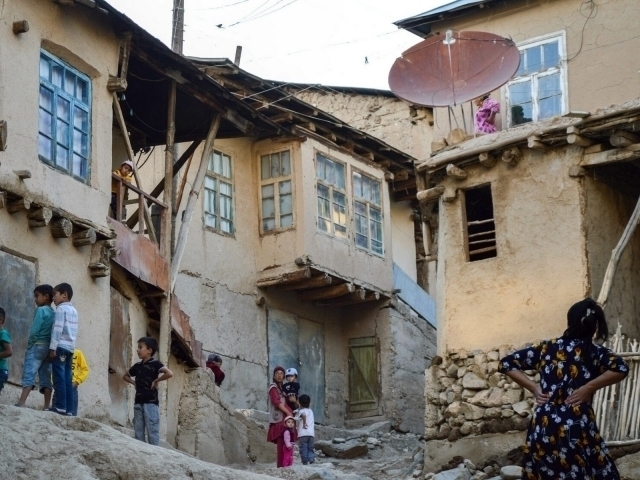
The Government of Uzbekistan launched the Rural Infrastructure Development program in 2019 with financial support from the World Bank, which provided $100 million, and the Asian Infrastructure Investment Bank, which provided $82 million. By the time the program ends in June 2026, more than 900 subprojects will have been financed in mahallas across 306 rural districts in Andijan, Fergana, Namangan, Jizzakh and Syrdarya regions.
These subprojects included the construction or modernization of more than 340 roads, 220 power supply systems, 160 water supply systems, nearly 100 schools, 40 preschool education institutions and 10 bridges. Overall, these changes directly benefited about 1 million rural residents, half of whom were women.
The second phase of the Rural Infrastructure Development program has a total budget of $340 million. It will be financed by the World Bank, with $150 million, the AIIB, with $120 million, and the Government of Uzbekistan, with $70 million. The program will be implemented by the Ministry of Economy and Finance in 296 mahallas across Andijan, Fergana, Namangan, Jizzakh, Syrdarya and Tashkent regions. World Bank financing will be provided in tranches after specific results and key stages of the program’s implementation are achieved.
“The new phase of the program, like its first phase, puts the needs of mahalla residents first. The development of highly demanded infrastructure will improve living standards in participating mahallas, including among women and young people. The new areas of the program include the development of rural entrepreneurship and job creation,” said Tatiana Proskuryakova, World Bank Regional Director for Central Asia.
The program is expected to help improve public infrastructure and services in mahallas across six regions by 2031 through investments in transport infrastructure, drinking water networks, electricity supply and other facilities. Around 1.2 million rural residents, including 600,000 women and 300,000 young people, are expected to benefit from these changes.
In addition, business development centers will be established in 15 pilot mahallas. They will help local entrepreneurs engaged in agricultural processing and small-scale manufacturing expand access to financial services, develop business skills and diversify markets for their products. These measures are expected to create about 1,500 direct jobs and contribute to the development of the local business environment.
Together with other World Bank-financed projects aimed at developing agriculture and micro, small and medium-sized enterprises, the program will help create around 25,000 additional new and higher-paying jobs in mahallas located in the program areas.
Earlier, the World Bank approved the allocation of $200 million to Uzbekistan to modernize transport infrastructure and implement comprehensive reforms in the sector.

Live
AllYangilangan alifboga o'tish rejasi taqdim etildi
21 November