Трамп Путинни “қафасга солмоқчи” – Weekend
Review
−
13 July 2025 11849 9 minutes
Дональд Трамп ва Владимир Путин ўртасидаги дўстлик якунига етгандек кўринмоқда. Трамп эндиликда Путин Россиясини жазолаш масаласини жиддий кўриб чиқмоқда. Россия етакчиси эса бу зарбаларга тайёрланмоқда.
Франция Президенти Эммануэль Макроннинг Фаластинни тан олиш бўйича аввалроқ ўтказмоқчи бўлган конференсесияси июль ойининг сўнггида ташкил қилиниши айтилди.
Сурия ўтиш ҳукумати Президенти Аҳмад аш-Шара 24 йил давомида буткул торайиб қолган Сурия дипломатияси учун яна бир эшик очди. Унинг навбатдаги ташрифи халқаро майдонда кун сайин обрўси ортиб бораётган Озарбайжон Президенти Илҳом Алиев ҳузурида бўлди.
Тугаётган ҳафта ичида дунёнда рўй берган шу ва бошқа воқеа-ҳодисалар тафсилоти билан QALAMPIR.UZ'нинг Weekend дастурида танишинг.
Макрон ростдан ҳам Фаластинни тан олмоқчими?
Жорий йил май ойида Европанинг айни дамдаги етакчи мамлакати Францияда Фаластин учун хушхабар янграганди. Эммануэль Макрон Саудия билан биргаликда Фаластинни давлат сифатида тан олмайдиган АҚШда уни халқаро миқёсда тан олишини таминлайдиган конференция ўтказмоқчи эди. Конференция 17-20 июнь кунлари Саудия Арабистони ва Франция бошчилигида БМТнинг Нью-Йоркдаги штаб-квартирасида ташкил қилиниши керак эди. 13 июнь куни Исроил ва Эрон ўртасида қуролли можаро авж олгани муносабати билан Франция Президенти Эммануэль Макрон тадбир “логистика ва хавфсизлик масалалари” туфайли қолдирилганини маълум қилди. Шундай қилиб, июнь ойига режалаштирилган бу сиёсий тадбир Исроилнинг Эронга ҳужуми фонида ортга сурилди.
Шундай бўлишига қарамай, Яқин Шарқдаги кўплаб жараёнларни ўзгартириб юбориши мумкин бўлган ушбу юқори даражадаги халқаро конференция БМТнинг Нью-Йоркдаги штаб-квартирасида икки ҳафтадан сўнг, 28-30 июль кунлари бўлиб ўтиши маълум қилинди. Буни БМТниг расмий вакили эълон қилганининг ўзи ҳам мазкур конференциядан қандайдир жиддий натижа кутса бўлиши мумкинлигига ишорадир.
Франция Президенти Эммануэль Макрон эса Фаластинни тан олиш конференцияси кечиккан кунлар давомида вақтни беҳуда сарфлагани йўқ. У ўз атрофида ўзига хос коалиция йиғишга ҳаракат қилди. Дунё етакчиларини бу жараёнга қўшилишга чақириб келди. Жумладан, 8 июль куни Британия парламентида Лордлар палатаси ва Қуйи палата аъзолари олдида қилган чиқишида у Буюк Британия ҳукуматини Фаластин давлатини тан олишга чақирди.
Энди эса шу ўринда яна бир муҳим жиҳатни қайд этиш жоиз. БМТга аъзо бўлган 193 та давлат ичида бугунга келиб, 148 мамлакат Фаластинни тан олган. 95 давлатда эса Фаластин элчихоналари ва доимий ваколатхоналари мавжуд. Исроилни тан олиш даражаси эса Фаластинникида унчалик ҳам кўп эмас. Яҳудий давлатини бугунги кунда 164 та давлат тан олади. Яқин Шарқ минтақасининг ўзи, ҳатто яқин қўшнилари ичида уни тан олмайдиганлар топилади. Дунёнинг аксар давлатлари, шу жумладан Ўзбекистон ҳам жуда чуқур яралар ҳосил қилган 80 йиллик бу можарони ҳал қилишда “икки халқ учун икки давлат” тамойилини илгари суради. Бу 1967 йилги чегаралар доирасида пойтахти Шарқий Қуддус бўлган, Исроил билан тинч-тотувликда яшаётган мустақил Фаластинни яратиш ғоясидир. Масалан, Ўзбекистон Президенти Шавкат Мирзиёев сўнгги йилларда ўтказиладиган ҳар қандай халқаро тадбирда айнан шу тамойилни ўртага ташлаб келади.
Пезешкиён бир ўлимдан қолган
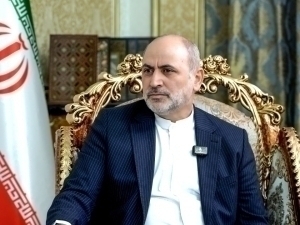
Исроилнинг Эронга қилган ҳужумлари тафсилотлари, унда қандай ваҳшийликлар ва қотилликлар, суиқасдларга уринишлар содир бўлгани ҳақидаги илгари маълум бўлмаган инсайдлар аста-секин аён бўлмоқда. Масалан, яқинда Эрон Президенти Масъуд Пезешкиён яқинда дунёнинг энг машҳур интервьюлар ташкил қиладиган журналисти Такер Карлсонга Исроил уни ўлдиришга уринганини маълум қилди. Эрон Президентининг сўзларига кўра, суиқасдга уриниш пайтида у ҳарбий масалалар муҳокама қилинаётган йиғилишда иштирок этаётган бўлган. Шу вақтда Исроил йиғилиш ўтаётган ҳудудга зарба беришга уринган.
Кейинчалик эса Пезешкиённинг суиқасд ҳақидаги давоси ҳақиқатга яқин эканига ишора қилувчи хабарлар тарқала бошлади. Жумладан, “Fars News” агентлиги Эрон Президенти Масъуд Пезешкиён Исроилнинг Теҳронга берган зарбалари оқибатида ҳатто енгил жароҳат олганини маълум қилди. Қайд этилишича, Пезешкиён 16 июнь куни Исроил томонидан Теҳронга қилинган зарба вақтида оёқ соҳасидан енгил жароҳат олган. Бу воқеа Эрон Олий миллий хавфсизлик кенгашининг йиғилиши чоғида содир бўлган. Хабарга кўра, Исроил кучлари бинонинг кириш ва чиқиш йўлакларига олтита бомба билан зарба берган. Оқибатда бино ичида электр таъминоти узилган, аммо амалдорлар фавқулодда чиқиш йўлаги орқали ташқарига чиқишга муваффақ бўлган.
Агентлик хабарига кўра, Теҳрон ҳозирда зарбанинг жуда аниқ координаталар асосида амалга оширилганини инобатга олиб, “ички жосуслик бўлиши эҳтимоли” юзасидан суриштирув олиб бормоқда. Нашрнинг ёзишича, бу ҳужум 2024 йилнинг 27 сентябрида Исроил томонидан Ливан пойтахти Байрут яқинида жойлашган “Ҳизбуллоҳ” марказий штабига уюштирилган ҳужум сценарийси асосида ишлаб чиқилган. Ўша ҳужумда ташкилот раҳбари Ҳасан Насруллоҳ ҳалок бўлган эди. Насруллоҳни йўқ қилиш жараёнида ҳам жуда нозик жосуслик элементлари борлиги яққол намоён бўлганди. Бундан келиб чиқадики, Эронни яна ўша жосуслик, сотқинлик ва бошқа шунга ўхшаш жиддий масалалардаги муаммолар ҳали узоқ вақт безовта қилади.
Трамп Путинни нишонга олишни бошлади
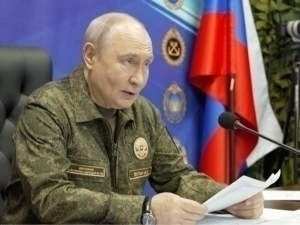
Путин сўнгги қўнғироқдан кейин Трампни қўлдан бой берди. Унинг қаршисида энди ҳар сафарги телефон суҳбатидан сўнг Украинани айблайдиган, Путинни мақтайдиган ва суҳбат тафсилотлари жуда яхши бўлди дея баёнот берадиган Трамп эмас, балки яқин соатлар ичида Россияга қақшатқич санкциялар ёки бошқа жазо чоралари қўллайдиган АҚШ Президенти турибди. 7 ой ичида ташкиллаштирилган 6 та телефон суҳбатлари бефойда кетди. Владимир Путин сўнгги қўнғироқдан кейин Трампнинг сабр-косасини тўлдиргани аста-секин ўз исботини топмоқда. Трамп бу суҳбатдан мамнун бўлмаганини айтганидан кўп ўтмай, океан ортидан Москвага келаётган хавотирли сигналлар оқими тўхтамаяпти. Масалан, уларнинг биринчиси иккинчи муддати давомида илк бор Трамп томонидан Украинага қурол етказиб бериш пакетининг ажратилиши ҳақидаги хабар бўлди. Дастлаб бу ҳақда биринчилардан бўлиб “Reuters” агентлиги хабар берди. Украина Қуролли кучлари учун қурол-яроғлар Пентагон захираларидан олиниши, Трамп ажратаётган пакет қиймати тахминан 300 миллион долларни ташкил қилиши мумкинлиги айтилди.
Бу ҳам етмаганидек, АҚШ Президенти Россия билан нефть бўйича савдо қилаётган давлатларга, жумладан Хитой, Ҳиндистон ва Туркияга нисбатан қаттиқ иккиламчи санкциялар жорий этиш имкониятини ўрганаётгани маълум қилинди. Бу аввалроқ сенаторлар ўртасида муҳокама қилинган ва катта қўлловга эга бўлган Россия билан савдо қиладиган давлатлардан импорт қилинадиган маҳсулотларга 500 фоизлик бож солиғи киритилишини назарда тутувчи қонун лойиҳасидир. Энг қизиғи Путин билан муносабатлар издан чиқмаган дастлабки 6 ой давомида Трамп бу қонун лойиҳасини “ҳаддан ташқари қаттиқ” деб атаганди. Энди бўлса, у ушбу масалани “диққат билан кўриб чиқаётгани” айтилмоқда.
Москва учун хавотирли бўлган учинчи сигнал эса унинг музлатилган активларини Украинага йўналтирилиши ҳақидаги хабардир. CBS News ўз манбаларига таяниб, АҚШ Президенти Дональд Трамп лавозимга киришганидан бери илк бор Украинага янги молиявий ёрдам ажратиш масаласини кўриб чиқаётганини маълум қилди. АҚШнинг собиқ расмийлари Президент тахминан 5 миллиард долларлик Россиянинг АҚШдаги музлатилган активларини мусодара қилиб, ушбу маблағни Украинага йўналтириши мумкинлигини таъкидлаган. Хабар қилинишича, ушбу ёрдамдан Россияга огоҳлантириш бериш мўлжалланган бўлиши мумкин. АҚШ расмийларига кўра, Трамп ихтиёрида яна аввалги президент Жо Байден маъмурияти томонидан ажратилган, лекин ҳали ишлатилмаган 3,85 миллиард доллар маблағ ҳам мавжуд.
Аммо энг муҳими бу хабар ва тахминлар эмас. Билиш ва кузатишга арзигулик энг асосий масала бу 14 июль куни Трампнинг кўп масалаларни ўзгартиши кутилаётган баёнотидир. АҚШ Президенти Дональд Трамп NBC News телеканалига берган интервьюсида жорий йилнинг 14 июль куни Россия бўйича “муҳим баёнот” билан чиқишини эълон қилди. Трамп интервью давомида Россиядан ҳафсаласи пир бўлганини айтиб, яқин ҳафталарда вазият қандай ривожланиши бўйича кузатув кетаётганини билдирган. Бироқ батафсил тафсилотларни очиқламаган. Шунингдек, Трамп АҚШ, НАТО ва Украина ўртасида эришилган янги қурол-аслаҳа етказиб бериш бўйича битим тафсилотларини маълум қилган. Унга кўра, АҚШ қуролни НАТОга юборади, альянс эса уни Украинага узатади ва тўлиқ харажатни қоплайди. Бу битим НАТОнинг ўтган ойги саммитида тузилган.
Хуллас, ўйин қоидалари тез фурсатларда кескин ўзгариши мумкин. Трамп бундан буёғига Путинни жуда кучли босим остига ғарқ қилиши кутилмоқда. “The Telegraph” нашри эса Трампга бу ишни бажаришда Молия вазири Скотт Бессент ёрдам беради дея тахмин қилмоқда. Нашр Маск билан муштлашган Бессентни Трампнинг “яширин қуроли” деб атаган. “The Telegraph” хабарига кўра, Трамп Бессентдан Россия иқтисодиётига қарши “махфий қурол” сифатида фойдаланишни режалаштирмоқда. Бессент Трампнинг асосий маслаҳатчиси бўлиб, у гўёки Россия Президенти Владимир Путинни “ҳимоясиз” қолдириши мумкин, Трамп эса Россияга нисбатан стратегиясини “юмшоқдан қаттиққа” ўзгартириб боради. Британия нашри Бессентни “инқилобий ва ноанъанавий стратег” деб атаган. У Хитой билан савдо уруши пайтида Трампга қандай ёрдам бергани каби Россияга иқтисодий босимни кучайтиришда муҳим роль ўйнаши мумкинлиги кутилмоқда.
Аш-Шара Алиевдан нима олиб қайтди?
Сурия Араб Республикасининг муваққат президенти Аҳмад аш-Шара 12 июль куни амалий ташриф билан Озарбайжон Республикасига борди. Ҳайдар Алиев номидаги халқаро аэропортда олий мартабали меҳмон шарафига фахрий қоровул саф тортди. Аҳмад аш-Шарани Озарбайжон Бош вазирининг биринчи ўринбосари Ёқуб Айюбов, Ташқи ишлар вазири ўринбосари Фариз Ризоев ва бошқа расмий шахслар кутиб олди. 12 июль куни Озарбайжон Президенти Илҳом Алиевнинг ўзи ҳам Сурия Араб Республикасининг ўтиш даври президенти Аҳмад Аш-Шара билан кенгайтирилган учрашув ўтказди. Шара шу куннинг ўзидаёқ Сурияга қайтди. Аммо у бир неча соат ичида Алиевдан бугунги Сурия учун муҳим бўлган 3 та натижа билан ортга қайтди. Бу Асад даврида бузилган муносабатларни яхшилаш, энергетик ресурс таминоти ва Сурияни қайта тиклаш бўйича тажриба ҳамда ҳамкорлик каби масалалардир.
Учрашувда томонлар Сурия ҳозирда жиддий муаммоларни бошдан кечираётган энергетика соҳасидаги ҳамкорликни муҳокама қилгани маълум қилинди. Унга кўра, Илҳом Алиев ва Аҳмад аш-Шара Сурияга газ етказиб бериш бўйича келишиб олган. Шу нуқтаи назардан, Озарбайжон газини Туркия орқали Сурияга экспорт қилиш лойиҳаси яқин келажакда амалга оширилади. Шунингдек, музокаралар давомида Илҳом Алиев узоқ йиллардан буён Озарбайжонга нисбатан нодўстона сиёсат олиб борган Суриядаги аввалги ҳукумат даврида икки томонлама муносабатларда турғунлик кузатилганини эслаган. Унинг таъкидлашича, Сурияда янги ҳукумат ўрнатилганидан кейин муносабатларни ривожлантириш учун катта истиқболлар очилган. Аҳмад аш-Шара эса, аввалги ҳукумат Суриянинг кўплаб давлатлар, жумладан, Озарбайжон билан муносабатларига путур етказганини афсус билан қайд этган. Шунда томонлар Озарбайжоннинг босқиндан озод қилинган ҳудудларда реставрация ва қурилиш ишлари бўйича тажрибаси Суриядаги узоқ йиллик тўқнашувлардан кейинги тикланиш жараёнига ҳисса қўшиши мумкинлигини ҳам айтган.
Live
All