Арқонни узун ташлаган Ўзбекистон – Weekend
Review
−
29 June 2025 38530 12 minutes
Жорий ҳафта 27 июнь куни кузатувчи давлат мақомида ЕОИИ саммитига борган Ўзбекистон Президенти Шавкат Мирзиёев яна иттифоққа тўлиқ аъзо бўлишга чорланди.
Исроил билан 12 кунлик урушдан хулоса чиқарган Эрон ҳарбий соҳада Россия эмас, балки Хитойга юзланмоқчи.
ШҲТ доирасида айнан шу Хитой ва Покистондан ўпкалаб келаётган Ҳиндистон ташкилот ичида бир ёқадан бош чиқариш жараёнига путур етказмоқда.
Сўнгги кунларда АҚШни Оқ уйда эмас, балки ижтимоий тармоқдаги саҳифалари орқали бошқараётган Дональд Трамп Ғазода яна ўзининг манфур режасини амалга ошириши мумкинлиги айтилмоқда.
Бизда эса ортда қолган ҳафта давомида жаҳонда рўй берган шу ва бошқа воқеа-ҳодисалар тафсилоти билан QALAMPIR.UZ'нинг Weekend дастури.
Мирзиёев Минскдаги йиғилишда иштирок этди
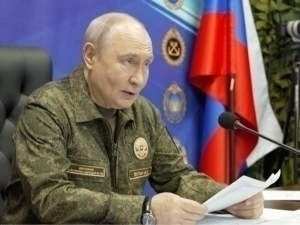
Ўзбекистон Президенти Шавкат Мирзиёев 27 июнь куни Беларуснинг Минск шаҳрида Олий Евросиё иқтисодий кенгашининг навбатдаги йиғилишида ЕОИИ ҳузуридаги кузатувчи давлат раҳбари мақомида иштирок этди. Беларуслик Александр Лукашенко раислигида ўтган учрашувда Қозоғистон Президенти Қосим-Жомарт Тўқаев, Қирғиз Президенти Садир Жапаров, Россия Президенти Владимир Путин, кузатувчи мақомида эса Куба Президенти Мигель Диас-Канел, шунингдек, Эрон Президенти Масъуд Пезешкиён мавжуд шароитдан келиб чиқиб видеомурожаат йўллади. Меҳмон сифатида Абу-Даби валиаҳд шаҳзодаси Шайх Холид Ол Наҳаён, Мўғулистон Бош вазирининг биринчи ўринбосари Нам-Осорин Учрал ва МДҲ Бош котиби Сергей Лебедев иштирок этди. Шавкат Мирзиёев эса йиғилиш иштирокчиларига Ўзбекистон билан Евросиё иқтисодий иттифоқи ўртасида кўп қиррали ҳамкорлик қай даражада ривожланаётгани тўғрисида маълумот берган. Хусусан, кузатувчи давлат мақомидаги ҳамкорлик даврида Ўзбекистоннинг Иттифоқ мамлакатлари билан ташқи савдо айланмаси 80 фоизга ошиб, ўтган йил якунига кўра 18 миллиард долларни ташкил этгани қайд этилган. Шунингдек, Ўзбекистон савдони қўллаб-қувватлаш воситалари ва механизмларида – ЕОИИ техник жиҳатдан тартибга солишнинг рақамли тизими ва рақамли транспорт йўлаклари экотизими, Евросиё қайта суғурталаш компанияси кабиларда қатнашишдан манфаатдор экани маълум қилинган. Бундан ташқари, ташкилот доирасида ишга туширилган “Чегарасиз меҳнат” интеграциялашган платформасига қўшилишга тайёрлик ҳам билдирилган.
Аммо беларуслик Александр Лукашенко Минскдаги мазкур йиғилишда Ўзбекистонни ушбу иттифоққа тўлиқ аъзо бўлишга чақирди. Путиннинг ташқи дунё учун “норасмий матбуот котиби”га айланган Лукашенко ЕОИИ давлатлари Ўзбекистонни “доимо дўст ва яқин иттифоқчи” сифатида кўриши ва тўлиқ аъзо сифатида қабул қилишга тайёр эканини айтди.
“Сиз ЕОИИнинг қадрдон дўстисиз. Биз сизни иттифоқимизнинг тўлақонли аъзоси сифатида кўришни доим интизорлик билан кутамиз. Бундан хурсанд бўламиз”, деган Лукашенко Шавкат Мирзиёевга.
Бу Лукашенконинг биринчи бор Ўзбекистонни ушбу ташкилотга аъзо бўлишга чақириши эмас. Ортда қолган йиллар давомида Лукашенко кўп маротаба расмий Тошкентни ЕОИИга қўшилишга даъват этган. Ўзбекистон эса 5 йилдан буён, аниқроқ қилиб айтганда, 2020 йилдан бери ЕОИИда кузатувчи давлат сифатида фаолият олиб боряпти. Ўшандан бери Ўзбекистон мазкур тузилмага кириш ёки кирмасликнинг салбий ва ижобий томонларини сарҳисоб қилиб келади.
Бу тузилма 2014 йил ташкил этилган ва минтақавий иқтисодий интеграция бўйича халқаро ташкилот бўлиб, халқаро юридик шахс мақомига эга. ЕОИИ товарлар, хизматлар, капитал ва ишчи кучи ҳаракати эркинлигини, шунингдек, иқтисодиёт тармоқларида мувофиқлаштирилган ёки ягона сиёсатни амалга оширишни таъминлайди. Евросиё иқтисодий иттифоқига ҳозиргача Арманистон, Беларусь, Қозоғистон, Қирғизистон ва Россия каби давлатлар тўлиқ аъзо ҳисобланади. Ўзбекистон, Эрон ва Куба ҳозирча кузатувчи мақомида. Асосий ташқи ҳамкорлар эса БАА ва Хитой ҳисобланади.
Юқорида айтилганидек, Ўзбекистон 5 йилдирки, фақат кузатувчи мақомида. Аммо шу ўринда расмий Тошкент минтақа ва ташқи дунёда шаклланаётган ҳамда интеграцион хусусиятга эга исталган иттифоқ ёки формат бўлсин доим тўлиқ аъзо сифатида иштирок этиб келади. Туркий давлатлар ташкилоти, Шанхай Ҳамкорлик ташкилоти, Иқтисодий ҳамкорлик ташкилоти ва ҳоказолар шулар жумласидандир. Мамлакат ўзи жойлашган Марказий Осиёда ҳам бош интегратор ҳисобланиши кўпчиликка сир эмас. Иқтисодий лойиҳалардан тортиб чегара масаласидаги келишмовчиликларгача ортда қолган йиллар давомида томонларни муросага чақирувчи ролини яхши уддаламоқда. Бундай сиёсий ташаббускорлик ҳолати шуни кўрсатадики, Ўзбекистоннинг қайсидир ташкилотда узоқ вақт кузатувчи мақомида қолиши кўп эҳтимол фақат иккинчи томон, яъни ўша ташкилотдаги камчиликлар билангина боғлиқ бўлиши мумкин.
Эрон Россия ўрнига Хитойдан қирувчи самолёт сотиб олмоқчи
Жорий йил январь ойида Эрон ва Россия ўртасида кенг қамровли стратегик шериклик тўғрисида шартнома имзоланганди. Мамлакатлар ўртасидаги шартнома мудофаа, терроризмга қарши кураш, энергетика, молия, транспорт, саноат, қишлоқ хўжалиги, маданият, фан ва технология каби барча соҳаларни қамраб олган. Ушбу ҳужжат 47 моддадан иборат бўлиб, делегациялар алмашинуви, ҳарбий кемалар ва кемаларнинг портларга кириши ва ҳарбий кадрлар тайёрлашни ўз ичига олган “кенг кўламли масалаларни” қамраб олади. Мазкур шартноманинг мудофаа қисми мавжудлиги боис кўпчилик Исроил ва Эрон ўртасидаги урушда Россиянинг жим турганини Ироқ, Сурия ва Ливияга қилинган хиёнатга қиёслади. Аммо Пезешкиён ва Путин томонидан имзоланган бу шартноманинг мудофаага оид бандларида “агар бирон бир томон тажовузга дучор бўлса, иккинчиси тажовузкорга ҳеч қандай ҳарбий ёки бошқа ёрдам кўрсатмаслиги керак”лиги қайд этилган. Бу ҳолатда эса Россиянинг Исроилга ёрдам бермаганининг ўзи у ўз мажбуриятини бажарганини англатади.
Бироқ шундай бўлишига қарамай, Кремль Исроил ва АҚШнинг Эронга тажовузи кучайган пайт қораловчи баёнотлар бериш билан чекланиб, Украинага босқин давомида сон-саноқсиз Shahed дронлари етказиб берган Эронни ҳеч нима билан сийламади. Ҳатто узоқ йўл босиб келган Эрон Ташқи ишлар вазири Аббос Ароқчига ҳам “Россия ёрдам беришга ҳаракат қиляпти”, деб қўйилди холос. Аммо шу кунгача Хитойдан аллақачон бир нечта самолётларда Эронга ёрдам кириб келгани ҳақида хабарлар чиқиб бўлганди. Тўғри, буни расмий доиралар ҳалигача жўяли тасдиқлагани йўқ, аммо радарлар ҳаво ҳудуди ёпилган Эрон ҳудудига кириб бўлган самолёт тасвирларини бутун дунёга очиқлаганди.
Айни дамда эса уруш тугаган. Бироқ Эрон бу урушдан ўз ҳаво мудофаа тизимини такомиллаштириши лозимлигини чуқур англаб етди. Хабарларга кўра, эндиликда Теҳрон панд берган Россия мудофаа тизимини Хитойники билан алмаштириши мумкин. 13 июнда бошланган ва 12 кун давом этган Яқин Шарқдаги уруш Исроилнинг Эрон ядро иншоотларига – Фордо, Натанз ва Исфахон шаҳарларида ҳаво ҳужумлари билан бошланди ва Исроилнинг F-35 ва F-15 самолётлари Эроннинг Россиядан олинган C-300 ҳаво мудофаа тизимлари ва радарларини йўқ қилиб, Теҳрон осмонида ҳеч қандай қаршиликсиз ҳаракат қила олди. Бу эса урушдан сўнг Эроннинг янги ва замонавий мудофаа маҳсулотларига эҳтиёжини оширди. “Khorasan” нашри Эрон Исроил ва АҚШ билан 12 кунлик урушда оғир йўқотишларга учрагач, ўз ҳарбий-ҳаво кучларини тезкор равишда модернизация қилиш ниятида Chengdu J-10C русумли кўп мақсадли Хитой қирувчи самолётларига қизиқишини кучайтирганини хабар қилди. J-10C – бу битта двигателли кўп мақсадли қирувчи бўлиб, Хитой уни Ғарбнинг F-16V ва Gripen E самолётларига нисбатан арзонроқ муқобил сифатида тақдим этади. Унинг бир донаси нархи 60 миллион доллардан ошади, аммо эҳтиёт қисмлар, қурол-аслаҳа, кафолат ва учувчилар тайёрлаш билан 90 миллион долларгача етади.
Нашрга кўра, Эрон J-10C самолётларига қарийб 20 йилдан бери қизиқиш билдириб келади. 2015 йилда 150 та қирувчи сотиб олиш бўйича келишув тайёргарлик босқичига кирган, бироқ келишув тўхтаб қолган. Ўшанда Пекин тўловни хорижий валютада амалга оширишни талаб қилган, Теҳрон эса валюта танқислиги сабабли нефть ва газ эвазига бартер шаклида ҳисоб-китоб қилишни сўраган. Шунингдек, Эрон Ислом Республикасига нисбатан БМТ қурол эмбаргоси ҳам муаммо туғдирган. Бу чекловлар 2020 йилда олиб ташланганидан сўнг Хитой билан музокаралар қайта бошланган, аммо ўшанда самолётлар сони 36 тага қисқарган бўлса-да, тўлов масаласи яна тўсқинлик қилган.
2025 йилги “Military Balance” ҳисоботига кўра, Исроил билан урушгача Эрон тахминан 150 та қирувчи самолётга эга эди. Уларнинг аксарияти ҳали Ислом инқилобидан олдин АҚШдан сотиб олинган эски моделлар бўлган. Бундан ташқари, 1980 йиллар охири 1990 йиллар бошида етказилган 18 дона МиГ-29А/УБ ҳам мавжуд, лекин эҳтиёт қисмлар йўқлиги ва техник хизмат кўрсатишнинг мураккаблиги сабабли уларнинг кўпчилиги ишламайди. Эрон томонидан энг сўнгги сотиб олинган хорижий қирувчилар – 2023 йилда харид қилинган Россиянинг тўртта Су-35 самолёти эди. Умумий буюртма 50 дона бўлиб, ҳар бирининг нархи 100 миллион АҚШ долларидан ошади. Бироқ Украинадаги босқин туфайли бу самолётларнинг ҳам етказиб берилиши яқин вақт ичида содир бўлмаслик эҳтимоли юқори.
ШҲТни чайқатаётган Ҳиндистон
Ҳиндистон яхшигина ривожланаётган ва ҳатто бир неча йиллар олдин Европа Иттифоқига “рақиб” сифатида ҳам кўрилган ШҲТ ташкилоти ичида бош кўтармоқда. Ҳиндистон ва Покистон ўртасидаги зиддият ва яқинда тугаган Эрон ва Исроил ўртасидаги уруш бу жараённи кучайтириб юборди. Дастлаб расмий Деҳли ташкилотга аъзо давлатлар томонидан Исроилнинг Эронга қилган ҳужумини қораловчи қўшма баёнотига қўшилмаганди. 26 июнь куни эса Шанхай Ҳамкорлик Ташкилотига аъзо давлатларнинг Мудофаа вазирлари Хитойнинг Синдао шаҳрида бўлиб ўтган учрашуви якунида умумий баёнот эълон қилмади. Сабаби – Ҳиндистон Мудофаа вазири Ражнатх Сингх жорий йилнинг 22 апрель куни Жамму ва Кашмир штатининг Пахалгам шаҳрида содир этилган террорчилик ҳужуми баёнотда эслатилмагани сабабли ҳужжатни имзолашдан бош тортгани айтилмоқда. “Indian Express” нашри Ражнатх Сингх терроризмга нисбатан ягона ва қатъий ёндашув йўқлигини танқид қилиб, баёнотни имзоламагани ҳақида хабар берди.
Муаммо нимадан келиб чиққан? Аслида икки мамлакат ҳам бир-бирини баъзи маълум минтақалардаги тартибсизлик ёки терактлар уюштиришда айблаб келади. Масалан, Покистон Ҳиндистонни Балужистондаги сепаратистларни қўллашда айбласа, Ҳиндистон Кашмирдаги қўпорувчилик ҳаракатлари учун Покистон жавобгар эканини иддао қилади. Бу галги қўшма баёнотда эса Балужистон эсланган-у, аммо жорий йил Кашмирда рўй берган теракт қайд этилмагани айтилмоқда. Шу боис Сингх қўшма баёнот Покистоннинг позициясига “мос тушганини” таъкидлаган ва уни имзоламаган. Умуман олганда эса ШҲТ доирасидаги муросасозликнинг келажагига олдиндан шубҳа билдирилган. Ташкилот ичида бир-бирига принципиал рақиб бўлган давлатларнинг мавжудлиги туфайли келишиб ишлаш ёки бир ёқадан бош чиқариш доим сўроқ остида қолган. Бироқ жаҳон миқёсида урушлар авж олмагунга қадар ШҲТда ҳаммаси жойида эди. Аммо барча писиб ётган муаммо ва зиддиятлар энди намоён бўла бошлади.
Бундан ташқари, минтақавий можароларда анъанавий тарзда Покистонни қўллаб-қувватлаб келаётган Хитой ШҲТ доирасида ҳам амалда Исломобод томонида чиққан. “Indian Express” нашрига кўра, саммит арафасида Покистон Мудофаа вазири Хавожа Асиф Пекин ва Исломобод Ҳиндистонга қарши разведка фаолиятини мувофиқлаштираётганини очиқ тан олган. Саммитдаги кескин муҳитда Ҳиндистон Мудофаа вазири Ражнатх Сингх хитойлик мавқедошига ҳал этилмаган ҳудудий низолар ва чегарада узоқ муддатли тинчлик зарурлигини эслатган. Бироқ у Ҳиндистоннинг Хитой ва Покистон билан ўзаро ишонч даражаси ҳануз пастлигича қолаётганини таъкидлаган.
Трамп “медиа Президенти”га айланди
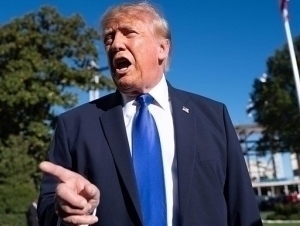
Қўшма Штатларда бирор бир нашр мамлакат ташқи сиёсати, умуман олганда АҚШ Президенти билан боғлиқ қандайдир хабар чиқарса, ортидан зудлик билан Трампнинг Truth Social’га кириши ва бу хабарни рад қилиб, ОАВни ҳақоратлаши оддий ҳолга айланди. Трамп деярли ҳар бир хабарга ижтимоий тармоқдаги саҳифаси, жуда бўлмаса қайсидир матбуот анжуманида муносабат билдириб ўтишга вақт топмоқда. Эрон ва Исроил ўртасидаги уруш давомида бошланган бу тенденция ҳозиргача давом этяпти. CNN, “The New York Times” ABC News кабилар унинг энг асосий нишонига айланган. Хуллас, Трамп ташқи ва ички сиёсатдан кўра кўпроқ тармоқларда фаол. Бразилия Президенти Луис Инасиу Лула да Силва эса АҚШ Президенти Дональд Трампга мурожаат қилиб, уни “камроқ интернетда ўтиришга ва кўпроқ давлат ишлари билан шуғулланишга” чақирди.
“Бу нотинч дунёда АҚШ каби қудратли мамлакат раҳбари ўз сўзларини ўйлаб, эътибор билан гапириши керак. У кўпроқ давлат раҳбари, камроқ интернет фойдаланувчиси бўлиши, эркин савдо, кўп томонлама ҳамкорлик ва тинчлик ҳақида кўпроқ қайғуриши лозим. Аммо биз ҳар куни матбуотда нима кўряпмиз? Бу лаънати сарлавҳаларга эҳтиёж”, дейди Лула.
Бу Лула да Силванинг Трампни биринчи бор танқид қилиши эмас. Жорий йил май ойида Россияга сафари чоғида у Трамп томонидан жорий этилган бож ставкаларини танқид қилиб, АҚШга қарши чиққан ва Москва билан ҳамкорликни кенгайтириш истагини билдирган. Шунингдек, Трампнинг февраль ойидаги Ғазо сектори бўйича баёнотларини изоҳлар экан, Лула уни кескин танқид қилиб, “Трамп дунёни эмас, балки фақат АҚШни бошқариш учун сайланган”, деб баёнот берган эди. Бу сафарги танқид эса ўзгача чиқди. Одатда ота-оналар ўз фарзандларига берадиган дакки, яъни ижтимоий тармоқлардан фойдаланишни қисқартириш маслаҳати дунёнинг энг қудратли давлатини бошқараётган шахсга берилиши жуда кулгили туюлиши табиий. Аммо Лула да Силванинг гапида анчагина жон борлиги кўпчиликка сир эмас. Трампнинг сўнгги пайтларда “медиа Президенти”га айланиб қолганини бутун дунё кўриб турибди. Ҳатто у АҚШни Оқ уйдан эмас, балки Truth Social платформасидан бошқараётгандек туюлмоқда.
Ғазо бўлиб юборилиши мумкин
Исроил нашрлари Дональд Трамп ва Биньямин Нетаньяху Ғазо секторидаги ҳарбий ҳаракатларни, бизнинг тилимиз ва аслида ҳақиқат билан айтганда, қирғин, геноцид ва инсониятга қарши мисли кўрилмаган жиноятларни тугатишга келишиб олгани ҳақида хабар берди. Маълумотларга кўра, бу яқин икки ҳафта ичида амалга оширилиши мумкин. “Israel Hayom” нашри бу музокаралар ёпиқ эшиклар ортида ўтгани ва унда Исроил ва АҚШ ўртасидаги ҳарбий-сиёсий мувофиқлаштиришнинг янги босқичи бошланганини билдирди. Жараён ҳозирча расмий тасдиқланмаган, аммо Исроил матбуотининг ёзишича, томонлар келгуси 14 кун ичида Ғазодаги қирғинни тўхтатишга келишиб олган. “Israel Hayom” нашрининг ёзишича, Исроил Ғазода тўхтагач, сектор бошқаруви тўртта араб давлатига ўтказилиши мумкин. Ҳозирча бу тўртта эҳтимолий давлат ичида икки номзод – Бирлашган Араб Амирликлари ва Миср номи келтирилган, холос. Трамп эса Ғазо келажагига батафсил тўхталмади, аммо секторда тез орада уруш тугаши мумкинлигини маълум қилди. У ҳатто сулҳ икки эмас, балки бир ҳафта ичида амалга оширилишини ҳам истисно қилмади.
“Кўп сўрашади ва менимча, бу жуда яқин. Мен ҳозиргина бу жараёнда иштирок этаётган баъзилар билан гаплашдим. Ғазода содир бўлаётган воқеа даҳшатли. Биз ўйлаймизки, кейинги ҳафта давомида ўт очишни тўхтатишга эришамиз. Биз бу ҳудудга, билганингиздек, кўп пул ва кўп озиқ-овқат етказмоқдамиз, чунки буни қилишимиз керак. Назарий жиҳатдан биз бунга аралашмаймиз, лекин амалда аралашяпмиз, чунки одамлар ўляпти”, дейди Дональд Трамп Ғазода ўт очишни тўхтатиш келишувига эришиш эҳтимоли ҳақида берилган саволга жавоб бераркан.
Live
All23 October