Ўзбекистондан 4 минг йил аввалги жарроҳлик амалиёти излари топилди
Interesting
−
03 June 7804 2 minutes
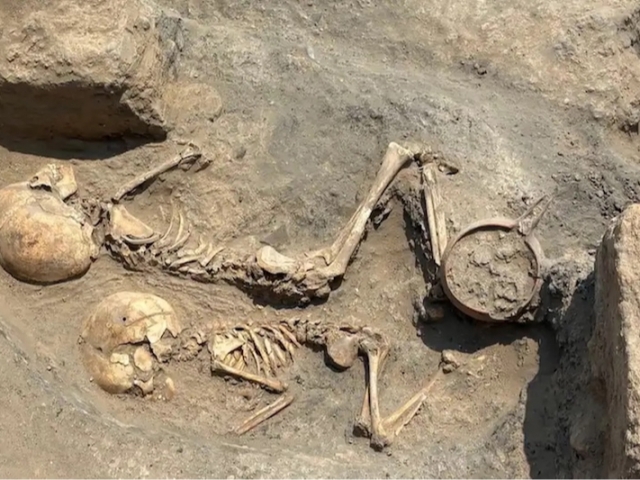
Ўзбекистон ҳудудида 4 минг йил аввал, бронза даврига мансуб боланинг бош суягида трепанация (каллa суягини тешиш) излари аниқланди. Бу топилма Марказий Осиёда ҳозиргача маълум бўлган энг қадимий жарроҳлик далилларидан бири сифатида баҳоланмоқда. Бу ҳақда Туркиянинг “Arkeofili” журналида мақола эълон қилинди.
Тадқиқотчилар маълумотига кўра, тахминан 5 ёшида вафот этган боланинг скелети сўнгги ойларда олиб борилган қазиш ишлари давомида топилган. У билан бирга яна 3 ёш атрофида вафот этган бошқа бир боланинг қолдиқлари ҳам бир хил қабрдан аниқланган.
Мутахассислар қайд этишича, 5 ёшли боланинг бош суягида тош ёки суякдан ясалган асбоблар ёрдамида амалга оширилган “каллa суягини трепанация қилиш” излари яққол кўринади. Қадимда бундай амалиёт эпилепсия, мигрень ёки руҳий хасталикларни даволаш мақсадида бажарилган бўлиши мумкин. Бироқ тадқиқотчилар ўша даврда тиббиёт ва маросим амалиётлари ўртасидаги чегаралар аниқ бўлмаганини таъкидламоқда.
Кашфиёт Ўзбекистон жанубида, Афғонистон чегарасига яқин бўлган археологик ҳудудда, Италия ва Ўзбекистон археологлари ҳамкорлигидаги экспедиция давомида амалга оширилган.
Қазиш ишлари бронза даврига оид Жарқўтон манзилгоҳига қаратилган бўлиб, мутахассислар бу қабристонни милоддан аввалги III минг йиллик охирларига мансуб деб ҳисобламоқда. Ўша даврда Жарқўтон Окс цивилизацияси (Бақтрия-Марғиёна археологик мажмуаси)нинг муҳим шаҳар марказларидан бири бўлган.
Тадқиқотчилар бу цивилизация йирик дарё ва воҳалар бўйлаб ривожланганини, кучли қишлоқ хўжалиги ва бой моддий маданиятга эга бўлганини қайд этган. Унинг инқирози эса йирик дарёларнинг қуриши билан боғлиқ иқлим ўзгаришлари натижасида юз берган бўлиши мумкин.
“Жарқўтон бизни ҳануз ҳайратга солмоқда. 4 минг йил аввал Марказий Осиёда кичик болага бундай мураккаб жарроҳлик амалиётининг бажарилиши жуда ғаройиб ҳолат”, деган археолог Энрико Аскалоне.
Шу билан бирга, олимлар бу кашфиёт бир қатор саволларни ҳам келтириб чиқарганини таъкидламоқда: бундай операцияни ким бажарган, қандай тиббий билимларга эга бўлган ва нега айнан 5 ёшли бола танланган — бу саволлар кейинги тадқиқотларда ўрганилиши кўзда тутилган.
Эслатиб ўтамиз, аввалроқ халқаро археологлар жамоаси Ўзбекистон жанубидаги Тода ғоридан тошдан ясалган ўроқлар, ёввойи арпа ва бошқа донли экинлар уруғлари, шунингдек, тахминан 9,2 минг йил олдин маҳаллий овчи-теримчилар йиғган турли ўсимлик қолдиқларини топганди.

Live
All