Ўзбекистонда P2P пул ўтказмалари назоратга олинади
Local
−
07 April 9313 4 minutes
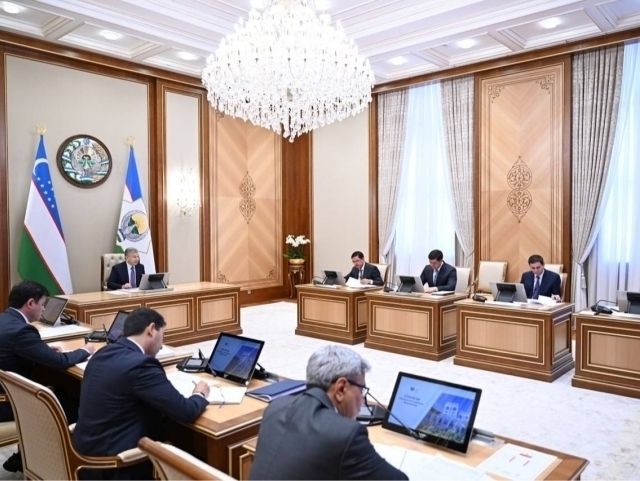
Ўзбекистонда P2P-операциялар мониторинг қилинади. Бу ҳақда кеча, 6 апрель куни Президент Шавкат Мирзиёев танишган солиқ маъмурчилигини такомиллаштириш ва солиқ органлари фаолиятини ислоҳ қилишга доир тақдимотда сўз боради.
Қайд этилишича, сўнгги икки йилда солиқ базаси кенгайгани ҳисобига бюджетга тушумлар ҳажми иқтисодиёт суръатларига нисбатан тезроқ ўсмоқда. Халқаро валюта жамғармаси ҳам мазкур натижаларга солиқ маъмурчилигини кучайтириш ва яширин иқтисодиётни қисқартириш орқали эришилаётганини эътироф этмоқда. Шу билан бирга, тизимни изчил ислоҳ қилиш орқали 2030 йилга бориб солиқ тушумларини 491,5 триллион сўмга етказиш, иқтисодиётда кузатилмайдиган улушни эса 28 фоиздан 19,6 фоизгача қисқартириш мақсад қилинган.
Йиғилишда солиқ тушумларини оширишдаги энг катта захира яширин иқтисодиётни қисқартириш экани таъкидланган. Президент рақамли таҳлил ва сунъий интеллект имкониятларидан кенг фойдаланиб, “ақлли” назорат тизимини жорий этиш орқали жорий йилда бюджетга қўшимча 30 триллион сўм тушумни таъминлаш зарурлигини кўрсатиб ўтган. Бу савдо ва хизматлар, саноат, қурилиш, умумий овқатланиш ҳамда бошқа соҳаларда P2P-операциялар мониторинги, товарларни маркировкалаш, рақамли назоратни кучайтириш, юкларни ҳужжатсиз ташиш фаолиятини автоматик аниқлаш ва норасмий бандликни расмийлаштириш каби механизмлардан кенг фойдаланиш ҳисобига таъминланиши мумкин.
Бозорлар ва савдо мажмуаларида назорат тўлиқ йўлга қўйилмагани, рақамлаштириш ишлари етарли эмаслиги оқибатида ушбу йўналишдаги имкониятлар тўлиқ ишга солинмаётгани қайд этилган. Бугунги кунда бу ерларда 72 мингдан ортиқ чакана савдо субъекти фаолият юритмоқда. Бироқ уларнинг 38 мингдан ортиғи товар айланмасини ойига 1 миллион сўмдан кам кўрсатган, 40 мингдан зиёди эса кунига атиги 2-3 та чек бермоқда. Шунингдек, бозорлардаги 12 мингта савдо нуқтаси бўйича ижара шартномалари ҳисобга қўйилмаган. Натижада 37 минг тадбиркор ойига 500 минг сўмдан кам солиқ тўлаган.
Шу боис, бозорлар ва савдо мажмуаларини тўлиқ рақамлаштириш ҳисобига қўшимча тушум манбаларини ишга солиш, назорат, солиқ хизмати ва рақамли кузатувни ўзаро интеграция қилиш зарурлиги кўрсатиб ўтилган.
Йиғилишда стратегик бўлмаган йирик солиқ тўловчиларга ҳудудларда хизмат кўрсатиш масаласи ҳақида ҳам сўз борган.
Хусусан, 209 мингта ҚҚС тўловчи солиқ органларидан узоқда жойлашгани сабабли хизмат кўрсатиш ва назорат самарадорлиги пасайгани қайд этилган. Шу муносабат билан 500 та стратегик бўлмаган корхона назоратини вилоят даражасига, 103 мингдан зиёд қишлоқ хўжалиги, савдо ва умумий овқатланиш корхоналарини туман даражасига ўтказиш таклиф қилинган. Мазкур ёндашув солиқ тўловчиларга жойида хизмат кўрсатиш сифатини ошириш, муаммоларни тезкор ҳал қилиш ва назорат самарадорлигини кучайтиришга хизмат қилади.
Тадбиркорлар учун солиқ маъмурчилигини соддалаштириш масалаларига ҳам алоҳида эътибор қаратилган.
Ўтказилган сўров натижаларига кўра, тадбиркорларнинг аксарияти текширувлар, ҳисобот топшириш ва солиқ тўлаш жараёнларининг мураккаблигидан норози экани айтилган. Шу муносабат билан “автокамерал” назоратни жазолаш воситасидан хатони барвақт аниқлаб, тузатишга хизмат қиладиган профилактика тизимига айлантириш, корхоналарни хавф даражасига қараб, “яшил”, “сариқ” ва “қизил” тоифаларга ажратиб ишлаш зарурлиги таъкидланган.
Шунингдек, 6 турдаги ҳисоботни инсон аралашувисиз автомат шакллантириш ва ягона солиқ ҳисобварағига ўтиш ишларининг бориши ҳақида ахборот берилган. Бугунги кунда 198 минг ҳолатда ҳисобот муддати бузилгани, 14,7 минг солиқ тўловчи ҳисобот бермагани учун 396,6 миллиард сўм жарима қўлланилгани, солиқларни тўлашда ҳисобварақлар сони ортиб кетгани боис, 20 мингта хатоликка йўл қўйилгани айтилган.
Янги тизим жорий этилса, асоссиз солиқ қарзи, ортиқча тўлов ва пеня қўллаш амалиёти қисқартирилиб, тадбиркорлар 8,4 триллион сўм маблағни тежаши мумкинлиги қайд этилган. Янги ёндашув натижасида текширувлар сони камайиши, ҳисоботлардаги хатолар кескин қисқариши, мурожаатларни кўриб чиқиш тезлашиши ҳамда колл-марказлар фаолияти сезиларли яхшиланиши кутилмоқда.
Тақдимотда солиқ органлари фаолиятидаги энг асосий масала кадрлар салоҳияти экани ҳам кўрсатиб ўтилган.
Сўнгги йилларда бу йўналишдаги ишлар етарли даражада ташкил этилмагани сабабли кадрлар қўнимсизлиги ошган. Ходимларнинг малакасини ошириш даражаси пастлиги, моддий рағбатлантириш тизими замон талабларига жавоб бермаслиги, ижтимоий қўллаб-қувватлаш механизмлари етарли эмаслиги қайд этилган. Хусусан, 2022 йилда 3 мингдан ортиқ ходим малака оширган бўлса, ўтган йили бор-йўғи 700 нафари қайта ўқитилган.
Шу муносабат билан кадрлар малакасини ошириш, узлуксиз таълимни йўлга қўйиш, ходимларни моддий ва ижтимоий рағбатлантириш бўйича янги таклифлар тақдим этилган. Кадрлар салоҳиятини мустаҳкамлаш мақсадида Солиқ қўмитаси ҳузуридаги Солиқ академиясининг моддий-техник базасини мустаҳкамлаш чоралари белгилаб олинган.
Давлат раҳбари солиқ маъмурчилигида рақамли технологиялар, таҳлил ва сунъий интеллект асосида мутлақо янги иш услубини жорий этиш, тадбиркорлар учун қулай ва адолатли солиқ муҳитини яратиш ҳамда соҳада малакали кадрлар корпусини шакллантириш юзасидан мутасаддиларга топшириқлар берган.
Солиқ тизими фаолиятини “текширувдан – сервисга” тамойили асосида трансформация қилиш, хизмат кўрсатиш сифатини янада ошириш ва назоратнинг замонавий, самарали механизмларини йўлга қўйиш устувор вазифа сифатида белгиланган.

Live
All