Ўзбекистонда “Давлат сув кадастри” ахборот тизими яратилади
Local
−
13 October 2025 6247 4 minutes
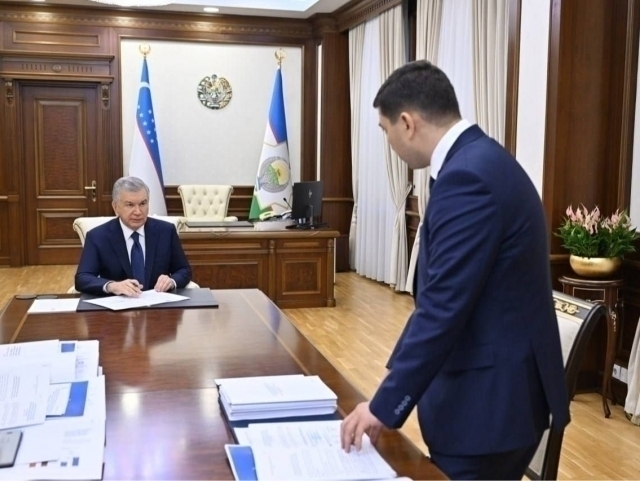
Ўзбекистонда “Давлат сув кадастри” ахборот тизими яратилиб, 2026 йил апрелига қадар тўлиқ ишга туширилади. Бу ҳақда бугун, 13 октябрь куни Президент Шавкат Мирзиёев танишган сув хўжалиги соҳасини рақамлаштириш, қуйи бўғинда сув ресурсларини бошқариш тизимини такомиллаштириш ҳамда соҳанинг хусусий сектор учун жозибадорлигини ошириш бўйича тақдимотда сўз боради.
Бугунги кунда мамлакатда 50 минг километрлик суғориш тармоқлари мавжуд бўлиб, 1,6 минг насос станцияси ва 10 мингдан зиёд сув объектлари фаолият юритмоқда. Сўнгги йилларда Ўзбекистонда сув хўжалиги тизимини ислоҳ қилиш, ирригация инфратузилмасини янгилаш ва сув ресурсларидан тежамкор фойдаланиш борасида изчил чоралар кўрилмоқда. Бироқ қуйи бўғиндаги бошқарув тизимида, жумладан, хизмат кўрсатиш самарадорлиги, ҳисоб-китоблар шаффофлиги ва молиявий мустақиллик билан боғлиқ ҳали ечимини кутаётган муаммоли масалалар бор.
Тақдимотда соҳада амалга оширилаётган рақамлаштириш жараёнларини чуқурлаштириш ва хизмат кўрсатиш тизимини янада такомиллаштиришга қаратилган чора-тадбирлар муҳокама қилинган.
Янги ёндашув асосида сув ҳисобини юритиш тўлиқ электрон шаклга ўтказилади. “Suv hisobi” ахборот платформаси орқали фойдаланилган сув миқдори аниқ ҳисобланади ва истеъмолчиларга электрон тарзда маълум қилинади. Бу тизим ҳисоб-китобларда инсон омилини камайтиради, ортиқча қоғозбозликни бартараф этади ҳамда ресурслардан фойдаланиш самарадорлигини оширади.
Маълумотларнинг аниқлигини таъминлаш мақсадида “Рақамли қишлоқ хўжалиги” платформаси билан интеграция йўлга қўйилади. Шу орқали суғориладиган ерлар, экин турлари ва сув лимитлари ҳақидаги маълумотлар автоматик янгиланиб боради.
Шунингдек, соҳадаги барча маълумотларни бир тизимда жамлаш учун Сув хўжалиги вазирлигининг “Сув хўжалигини рақамлаштириш ва мониторинг маркази” ташкил этилади. Марказ сув баланси, насос станциялари ва сув сарфи бўйича маълумотларни таҳлил қилади, қарор қабул қилиш жараёнларини автоматлаштириш имконини яратади.
Бундан буён сув хўжалиги соҳасини рақамлаштириш масалалари билан алоҳида вазир ўринбосари шуғулланади.
“Соҳада “Давлат сув кадастри” ахборот тизими яратилади. У орқали сув ресурсларига оид маълумотлар тегишли вазирлик ва идоралардан йиғилади ва ягона базада шакллантирилади. Бу, ўз навбатида, маълумот алмашиш жараёнини соддалаштириб, ҳисоботларни қоғозда юритиш амалиётини қисқартиради. “Давлат сув кадастри” тизимини 2026 йил апрелига қадар тўлиқ ишга тушириш режалаштирилган”, дейилади хабарда.
Қуйи бўғиндаги хизмат кўрсатиш тизимини такомиллаштириш масалалари ҳам муҳокама қилинди. Эҳтиёж ва мавсумий шароитдан келиб чиқиб, хизматларда штатларнинг ўзгарувчан бошқарув тизими жорий этилади. Хизматларнинг самарадорлиги KPI кўрсаткичлари асосида баҳоланади.
2026 йилдан бошлаб ходимларни рағбатлантириш тизими амалий натижаларга боғланади, яъни етказилган сув миқдори ва фойдаланилган ҳажм ўртасидаги тафовут асосида баҳоланади.
Муассасаларнинг молиявий мустақиллигини ошириш мақсадида сув солиғидан тушган маблағларнинг 40 фоизини ўзининг моддий-техник базасини мустаҳкамлашга йўналтиришига рухсат берилади.
Сув хўжалиги насос станцияларини давлат-хусусий шериклик асосида бошқариш амалиёти кенгайтирилади. 2026 йилда Жиззах, Қашқадарё, Навоий, Наманган, Самарқанд ва Сирдарё вилоятларидаги насос станцияларнинг 50 фоизи, 2027 йилга бориб эса Наманган вилоятидаги барча насос станцияларини хусусий шерикликка бериш режалаштирилмоқда.
Бу борада Наманган вилоятининг Чортоқ туманида “бир насос – бир тизим” тамойили асосида “Чортоқ тажрибаси” амалга оширилади. Бунда хусусий шерик истеъмолчиларни сув лимити доирасида сув билан таъминлайди, насосларга боғланган майдонлардан ҳисобланган сув солиғининг 40 фоизи хусусий шерикка тўлаб берилади. Ушбу маблағлар ҳисобига сув ҳисобини автоматлаштириш ва насос станцияларини босқичма-босқич модернизация қилиш йўлга қўйилади.
Тажрибанинг мазмун-моҳияти ва афзалликларини деҳқон ва фермерларга етказиш мақсадида “Сувчилар мактаби” лойиҳаси доирасида 2025-2026 йилларда ҳар бир туманда биттадан “ўқув дала-шийпон” ташкил этилиб, жами 141 та туманда 3,5 минг гектар майдон қамраб олинади.
Президент мутасаддиларга соҳада рақамлаштиришни жадаллаштириш, ҳисоб ва ҳисобот жараёнларини тўлиқ автоматлаштириш, қуйи бўғинда хизмат кўрсатиш самарадорлигини ошириш, давлат-хусусий шерикликни кенгайтириш ва ходимларнинг масъулиятини кучайтириш бўйича аниқ топшириқлар берган ҳамда бу борадаги тегишли ҳужжатларни имзолаган.
Эслатиб ўтамиз, аввалроқ “Ўзбекистон Республиксининг айрим қонун ҳужжатларига ўзгартириш ва қўшимчалар киритиш тўғрисида”ги қонуни билан Ўзбекистонда қудуқни ноқонуний бурғилаганлик учун жавобгарлик белгилангани ҳақида хабар берилган эди.

Live
All