Ўзбекистонда 1,27 миллион гектарда ўрмон барпо этилади
Local
−
06 July 3802 3 minutes
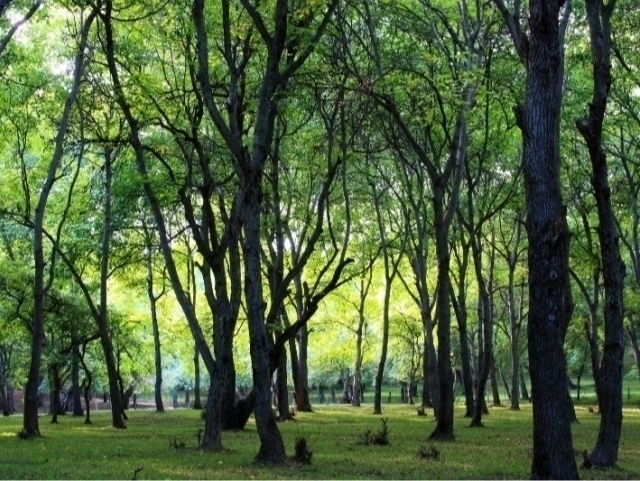
Ўзбекистонда 2026-2030 йилларда 1,27 миллион гектарда ўрмон барпо этиш ва қайта тиклаш, чўл, тоғ ва тоғолди ҳудудларда 16 минг гектар ҳимоя ўрмонзорлари яратиш режалаштирилмоқда. Бу ҳақда бугун, 6 июль куни Президент Шавкат Мирзиёев танишган чўлланишга қарши курашиш ва чўл иқтисодиётини ривожлантириш, шунингдек, шаҳарларда “яшил шаҳар” тамойилларини жорий этиш юзасидан таклифлар тақдимотда сўз боради.
Қайд этилишича, иқлим ўзгариши, сув танқислиги, ерларнинг таназзулга учраши ва чўлланиш бугун бутун минтақа учун долзарб экологик муаммога айланмоқда. Бу эса қишлоқ хўжалиги барқарорлиги, озиқ-овқат хавфсизлиги, аҳоли саломатлиги ва ҳудудларнинг иқтисодий ривожланишига бевосита таъсир кўрсатмоқда.
Мамлакат ҳудудининг қарийб 80 фоизи чўл ва ярим чўл майдонларидан иборат. Ерларнинг шўрланиши, қум кўчиши, чанг бўронлари ва гармселлар, айниқса, Қорақалпоғистон Республикаси, Бухоро, Навоий, Хоразм вилоятлари, шунингдек, Қашқадарё, Сурхондарё ва Жиззах вилоятларининг айрим туманларида жиддий хавф туғдирмоқда.
Орол денгизининг қуриши мазкур жараённи янада кучайтирган. Қуриган тубда Оролқум чўли шаклланиб, ҳавога кўтарилаётган туз ва чанг кенг ҳудудларга тарқалмоқда. Шу боис, Оролбўйида яшил қопламалар барпо этиш, саксовул ва бошқа чўл ўсимликларини экиш ишлари изчил давом эттирилмоқда. Кейинги йилларда Орол денгизининг қуриган тубида 2 миллион гектардан ортиқ янги ўрмонзорлар ташкил этилган.
“Яшил макон” умуммиллий лойиҳаси доирасида ҳам кенг кўламли ишлар амалга оширилмоқда. Мамлакат бўйлаб 1 миллиарддан зиёд дарахт ва бута кўчатлари экилди, кўкаламзорлаштириш даражаси 2020 йилдаги 8 фоиздан 2025 йилда 14,3 фоизга етган. Оролбўйи, чегарадош ва қурғоқчил ҳудудларда яшил қопламалар ҳамда ҳимоя ўрмонзорларини яратиш ишлари изчил давом эттирилмоқда.
Тақдимотда 2026-2030 йилларда чўлланишга қарши курашиш ишларини янги босқичга олиб чиқиш бўйича таклифлар кўриб чиқилган. Жумладан, 1,27 миллион гектарда ўрмон барпо этиш ва қайта тиклаш, чўл, тоғ ва тоғолди ҳудудларда 16 минг гектар ҳимоя ўрмонзорлари яратиш режалаштирилган.
Сурхондарё вилоятида 10 минг гектар майдонда яшил қопламалар ташкил этиш, Сирдарё вилоятининг чегарадош ҳудудларида 84 километрлик “яшил девор” барпо қилиш, тоғ ва тоғолди ҳудудларида “терраса” усулида дарахт ва буталар экиш, деградацияга учраган ерларда замонавий агротехнологияларни синовдан ўтказиш таклиф қилинган.
Давлат раҳбари чўл ҳудудларига фақат экологик муаммо сифатида эмас, балки янги иқтисодий имкониятлар манбаи сифатида қараш зарурлигини таъкидлаган. Шу мақсадда “чўл иқтисодиёти” ёндашувини ривожлантириш, қўриқ ва шўрланган ерларда барқарор даромад манбаларини яратиш, чўл ўсимликлари уруғчилиги ва кўчатчилигини йўлга қўйиш, галофит ўсимликлар етиштириш, яйловлар маҳсулдорлигини ошириш, чорвачилик, экологик туризм ва илмий тадқиқотларни кенгайтириш муҳимлиги кўрсатиб ўтилган.
Бу борада Қорақалпоғистонда чўл ўсимликлари кўчатхоналарини ташкил этиш, Оролнинг қуриган тубида илмий экспедициялар ўтказиш, Боботоғ ҳудудида замонавий усуллар асосида писта плантацияларини ривожлантириш, галофит боғлар тармоғини кенгайтириш таклиф этилган. Шунингдек, қурғоқчиликка чидамли ўсимликлар ва уруғлар бўйича минтақавий банк яратиш, халқаро фондлар ва хусусий инвестицияларни жалб этиш масалалари муҳокама қилинган.
Тақдимотда Марказий Осиё давлатлари билан экологик ҳамкорликни кучайтириш масалаларига алоҳида эътибор қаратилган. Чўлланиш ва ер деградацияси чегара билмайдиган муаммо экани, шу боис, унга қарши курашишда ягона минтақавий ёндашув, илмий ҳамкорлик, маълумот алмашиш ва технологиялар трансфери муҳимлиги таъкидланган.
Шу муносабат билан чўлланишга қарши курашиш ва чўл иқтисодиётини ривожлантириш бўйича Марказий Осиё минтақавий илмий-тадқиқот маркази фаолиятини кенгайтириш, “Яшил қалқон” минтақавий дастури доирасида амалий лойиҳаларни кўпайтириш, 2040 йилгача чўлланишга қарши курашиш стратегиясини ишлаб чиқиш ташаббуслари илгари сурилган.
Эслатиб ўтамиз, аввалроқ Самарқанд вилоятида “Green Samarkand” модели ишга туширилиши ва вилоят марказига шахсий автотранспорт кириши босқичма-босқич камайтирилиши ҳақида хабар берилган эди.

Live
All