Evaluation of assistant governors' performance to change in Uzbekistan
−
5724 2 minutes
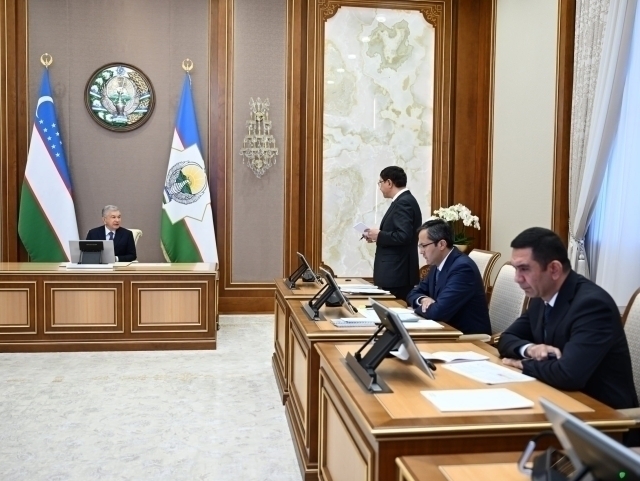
In Uzbekistan, the evaluation of assistant hokims' performance will shift from quantitative metrics to qualitative indicators. This was discussed today, November 25, during a presentation reviewed by President Shavkat Mirziyoyev on deepening reforms in entrepreneurship development and employment generation.
Under the updated evaluation system, the primary assessment criteria for assistant hokims will be the sustainable operation of newly established enterprises, the permanence of created jobs, and growth in entrepreneurs' business turnover.
The presentation also outlined projects aimed at directly boosting household incomes. Plans include creating 320,000 jobs across the regions through the implementation of 1,000 projects totaling 81 trillion soums, fostering industrial cooperation based on mahalla specialization, and cultivating high-value crops on household plots and leased land.
As a result of the proposed measures, Uzbekistan aims by 2030 to double the graduation rate of micro, small, and medium-sized enterprises into larger business categories, raise the sector's share in total employment to 80 percent, increase the share of the middle class to 90 percent, and further curb informal employment.
Plans also envision increasing the share of loans issued on the basis of guarantees and sureties within total business lending from 1 percent to 12 percent, while raising the share of funds attracted from international financial institutions and capital markets from 17 percent to 35 percent.
Furthermore, the presentation underscored the need to align supply and demand in the labor market, fully digitalize employment services, develop systems for professional qualification assessment and international certification, and prioritize the creation of formal jobs.
Officials were instructed to submit proposals on improving labor legislation, fostering mutually beneficial relations between employers and employees, simplifying labor registration procedures, and strengthening state labor inspection.
The head of state tasked responsible officials with further refining these initiatives and clearly defining the responsibilities and interagency coordination mechanisms for ministries and agencies in this new phase of reforms aimed at advancing entrepreneurship and raising household incomes.

Live
All