Ўзбекистон товарларини Ғарб йўналишида ташиш харажати 1,5 баробаргача ошди
Local
−
11 January 2025 8387 2 minutes
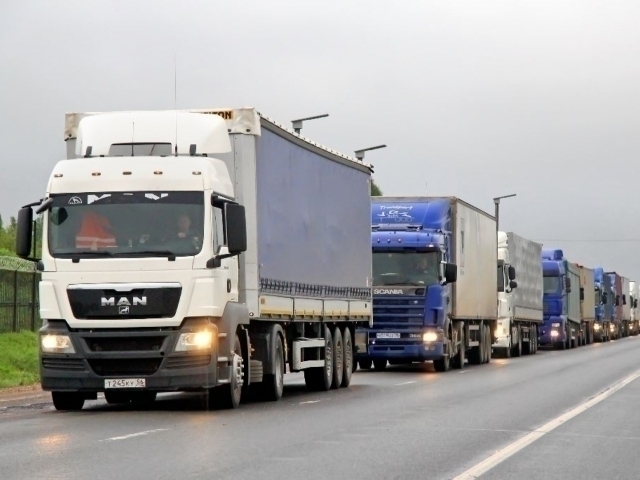
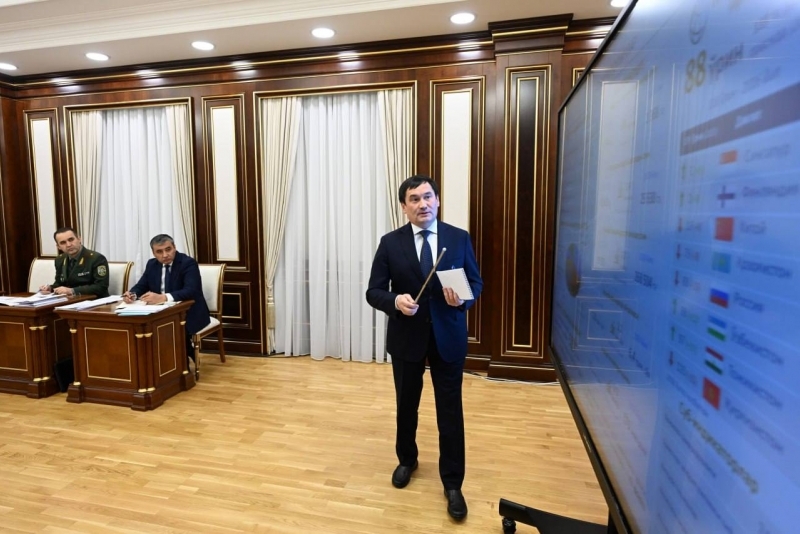
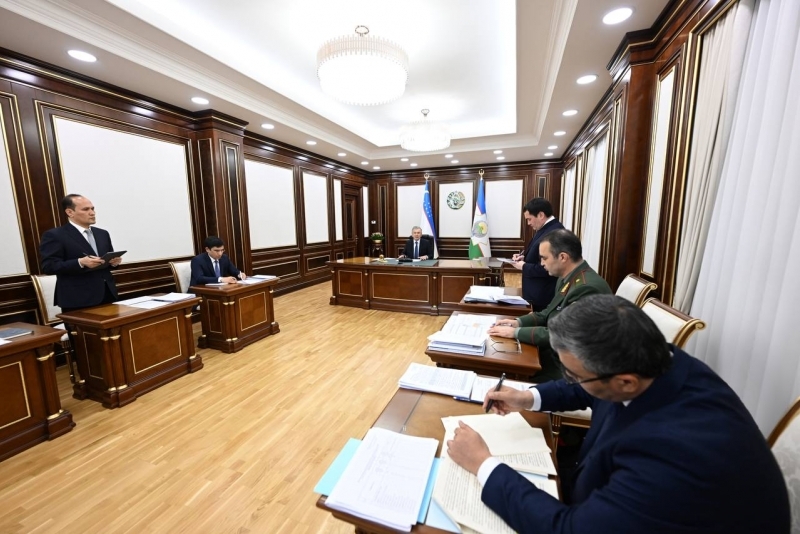
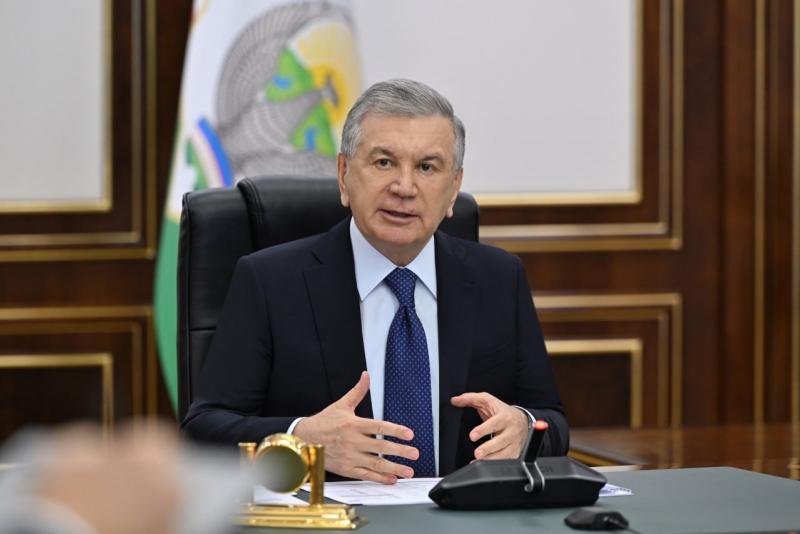
Сўнгги етти йилда маҳаллий ташувчиларни қўллаб-қувватлаш натижасида юк автомобиллари сони 7 карра ошиб, 26 мингга етган. Уларнинг халқаро ташишдаги улуши эса 35 фоиздан 60 фоизга ошган. Лекин дунёдаги геосиёсий вазият бу соҳада қийинчилик туғдирмоқда. Ғарб йўналишида ташиш муддати 2 карра, харажати эса 1,5 баробаргача ошиб кетаяпти. Бу ҳақда бугун, 11 январь куни Президент Шавкат Мирзиёев танишган транспорт ва логистика тизимини янада ривожлантириш чора-тадбирлари бўйича тақдимотда сўз боради.
Қайд этилишича, айрим Европа мамлакатлари чегараларидаги ўтказиш пунктлари ёпилган, бошқаларида узоқ навбатлар юзага келган. Шу боис транспорт-логистика тизимини изчил ривожлантириш ва ташқи савдо йўналишларини диверсификация қилиш зарурлиги таъкидланди.
"Хусусан, халқаро ва минтақавий бозорларга олиб чиқадиган муқобил йўналишлар бўйлаб жойлашган мамлакатлар билан транзит юк ташувларни соддалаштириш ва эркинлаштириш, чегараларда ундириладиган йиғимларни ўзаро тенглик асосида камайтириш ёки бекор қилиш чораларини кўриш керак", дейилади хабарда.
Шунингдек, Ўзбекистонда юк жўнатувчи ва ташувчини ўзаро боғлайдиган экспедиторлик хизматларининг асосий қисми хорижий компанияларга тўғри келади. Бу соҳада маҳаллий экспедиторларни қўллаб-қувватлаш мақсадида уларнинг халқаро юк ташишдаги хизматларига қўшилган қиймат солиғи олинмайдиган бўлди. Натижада маҳаллий корхоналар улушини 45-50 фоизга чиқариш имконияти кўрсатиб ўтилди. Шу каби чоралар орқали халқаро юк ташиш ҳажмини 2 карра ошириш, транспорт хизматлари экспортини камида 3 миллиард долларга етказиш вазифаси белгиланди.
"Ўзбекистон ҳудуди орқали транзит ташувлар ҳажмини кўпайтириш ҳам муҳим. Бу борада яратилаётган қулайликлар натижасида мамлакатимиз сўнгги йилларда Жаҳон банкининг логистика бўйича индексида юқориламоқда. Бу транзит салоҳияти билан бирга инвестиция оқими ошишига, умуман, савдо-иқтисодий алоқалар ривожига хизмат қилади", дейилади хабарда.
Бундан ташқари, мутасаддиларга электрон навбат тизимини кенг жорий этиб, чегарадан ўтиш вақтини 20 дақиқагача қисқартириш, транспорт воситаларини онлайн кузатиш тизимини йўлга қўйиш орқали қўшимча юк оқимларини жалб қилиш бўйича топшириқлар берилди.
Таъкидлаш жоизки, икки йил олдин жисмоний шахсларга ўзини ўзи банд қилган ҳолда таксичилик қилишига вақтинчалик рухсат берилган эди. Бунинг натижасида таксичилар сони 6 баробар ошиб, 457 мингга етди. Шу боис энди бу тартиб доимий бўлиши айтилди. Таксиларга мижоз топишда қулай ахборот хизматлари бозори шаклланди. Ҳозирда 151 та агрегатор компаниялар иш юритаяпти ва бу яна ўсиб бораяпти. Шу боис агрегаторлар фаолиятини тартибга солиш, уларнинг давлат, ҳайдовчи ва йўловчилар олдидаги мажбуриятини аниқ белгилаш вазифаси қўйилди.

Live
All