Ўзбекистон “Қиёмат куни омбори”га уруғлар топширди
Local
−
31 October 2025 17616 2 minutes
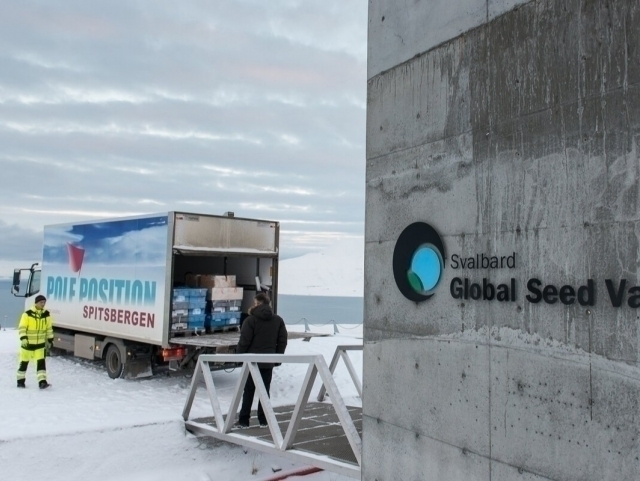
Ўзбекистоннинг қадимий ва маҳаллий экинларига оид уруғ намуналари Норвегияда жойлашган дунёдаги энг йирик ва хавфсиз уруғ сақлаш маскани – Свалбард Бутунжаҳон уруғ сақлаш генбанки (“Қиёмат куни омбори” деб ҳам аталади)га топширилди. Бу ҳақда Қишлоқ хўжалиги вазирлиги хабар берди.
Маълум қилинишича, ушбу ташаббус Қишлоқ хўжалиги вазирлиги, Ўсимликлар генетик ресурслари илмий-тадқиқот институти, БМТнинг Озиқ-овқат ва қишлоқ хўжалиги ташкилоти ҳамда Nordic Genetic Resource Center ўртасидаги самарали халқаро ҳамкорлик доирасида амалга оширилган.
Қайд этилишича, мазкур жараён Ўзбекистонда қишлоқ хўжалиги экинларининг генетик хилма-хиллигини сақлаш, миллий генофондни мустаҳкамлаш ва халқаро миқёсда озиқ-овқат хавфсизлигини таъминлаш борасидаги саъй-ҳаракатларда муҳим босқич бўлган.
“Свалбарддаги омборга топширилган уруғлар ўзбек деҳқончилик маданиятининг бебаҳо мероси – қадимий навлар ва маҳаллий экотипларнинг генетик намуналарини ифодалайди. Коллекция таркибида қовун, тарвуз, помидор, қалампир, бақлажон, сабзи, пиёз ва буғдойнинг 20 дан ортиқ маҳаллий навлари мавжуд. Айниқса, буғдойнинг маҳаллий “Қайроқтош” нави алоҳида аҳамиятга эга”, дейилади хабарда.
Ўсимликлар генетик ресурслари илмий-тадқиқот институти вакилларининг таъкидлашича, бу ташаббус Ўзбекистоннинг ўсимликлар хилма-хиллигини асраш, глобал озиқ-овқат хавфсизлигига ҳисса қўшиш ва генетик ресурсларни келажак авлодлар учун сақлаб қолиш йўлидаги қатъий позициясини намоён этади.
Маълумот учун, Свалбард Бутунжаҳон уруғ омбори Арктика музликлари бағрида жойлашган бўлиб, -18 даража ҳароратда доимий ишлайдиган глобал генбанк ҳисобланади. Ҳозирда бу ерда 1,1 миллиондан ортиқ уруғ намуналари сақланмоқда. Ушбу маскан дунё бўйлаб ген банкларида мавжуд уруғларнинг захира нусхаларини узоқ муддатли сақлашни таъминлайди.
Бундай тизим табиий офатлар, урушлар, молиявий инқирозлар ёки техник носозликлар туфайли ўсимлик турларининг йўқолиб кетиш хавфини камайтиради ва бутун дунё учун барқарор озиқ-овқат таъминотини кафолатлайди.
Live
All23 October