Ўзбекистон Британиядан Бақтрия даври артефактларини қайтариб олди
Local
−
04 February 5380 2 minutes
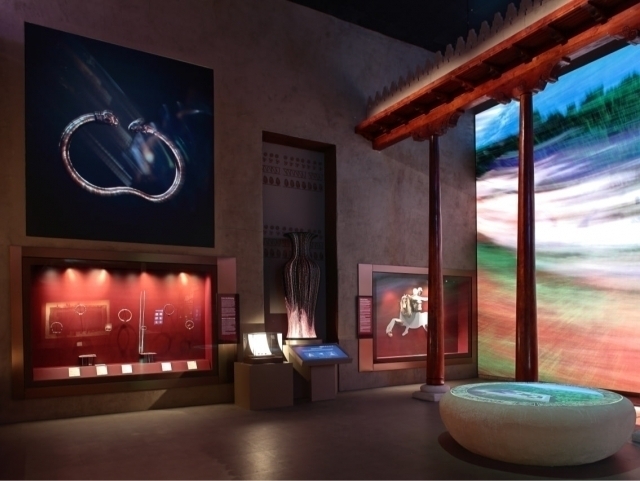
Ўзбекистон Президентининг ташаббуси билан Бақтрия артефактлари Буюк Британиядан мамлакатга олиб келинди ва Ислом цивилизацияси марказида тақдим этилмоқда. Бу ҳақда марказ матбуот хизмати хабар берди.
Қайд этилишича, Ислом цивилизацияси марказида тақдим этилаётган экспозиция Бақтрия ҳудудида исломдан аввал ҳам юксак ҳунармандчилик, заргарлик ва рамзий тафаккур шаклланганини яққол намоён қилади. Экспонатлар орқали томошабин Бақтрия халқларининг дунёқараши, эътиқоди ва ижтимоий тузилиши ҳақида кенг тасаввур ҳосил қилади.
Экспозицияда намойиш этилаётган олтин билaгузуклар Бақтрия жамиятида ижтимоий мақом ва бойликнинг асосий белгиларидан бири ҳисобланган. Соф олтиндан ясалган ушбу тақинчоқлар ақиқ, феруза ва лочинтош каби ярим қимматбаҳо тошлар билан безатилган. Улар нафақат зеб-зийнат буюми, балки қудрат, ҳокимият ва фаровонлик рамзи сифатида ҳам талқин этилган.
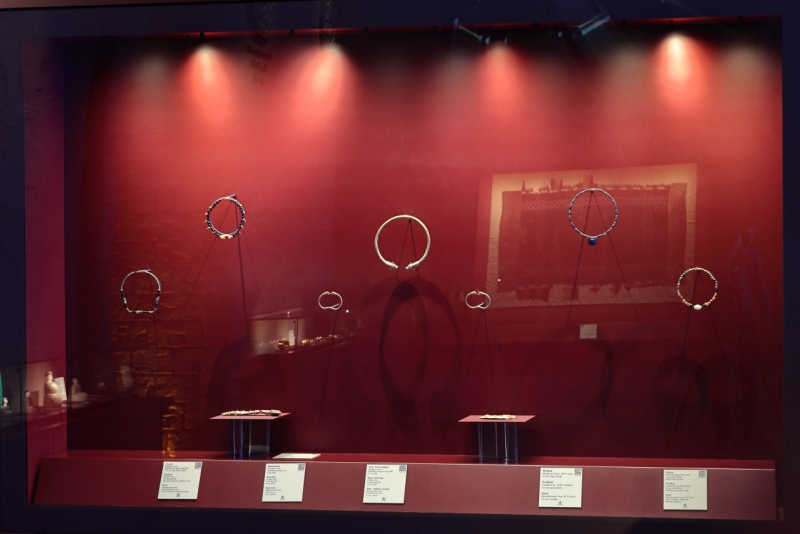
Маржон ва бўйин тақинчоқлари Бақтрия заргарлик санъатининг юксак даражасини кўрсатади. Олтин найча шаклидаги мунчоқлар билан лочинтош, ақиқ ва ферузанинг уйғун терилиши нафақат эстетик дид, балки чуқур рамзий маънони ҳам ифодалайди. Бу буюмлар қадимда инсон учун руҳий муҳофаза ва маросимий аҳамиятга эга бўлган.
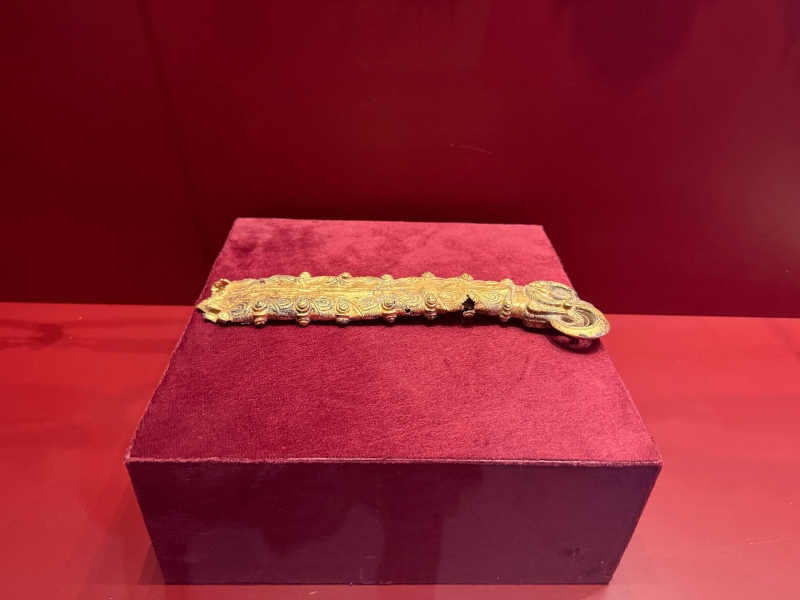
Экспозициядаги энг ноёб экспонатлардан бири милоддан аввалги IV асрга оид олтин пичоқ қинидир. У Аҳамонийлар даври ва Искандар Македонский юришлари билан боғлиқ тарихий жараёнларни акс эттиради. Қин юзасидаги ҳайвонлар ва афсонавий образлар сак, суғд ва бақтрия санъати анъаналарининг ўзаро уйғунлигини намоён этади.
Маълумот учун, Помир-Бадахшон тоғларидан бошланиб, Амударё ҳавзалари орқали кенг ҳудудларга ҳаёт бағишлаган дарёлар атрофида Бақтрия-Марғиёна тарихи шаклланган. Археологияда “Бақтрия-Марғиёна археологик комплекси (БМАК)”, ёки “Окс цивилизацияси” деб ҳам аталадиган ушбу маданий макон милоддан аввалги III–II минг йилликларга тааллуқли. У ҳозирги Афғонистоннинг шимоли, Тожикистоннинг жанубий ҳудудлари ҳамда Ўзбекистоннинг жанубини қамраб олган.

Live
All